

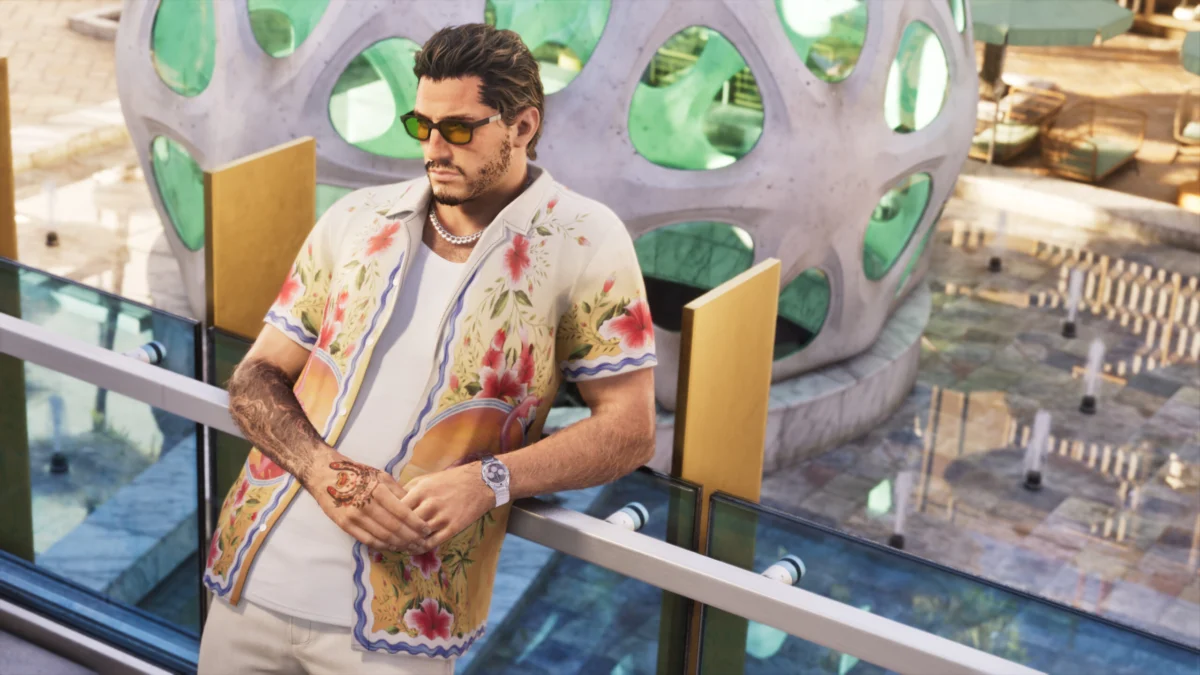
For decades, the Grand Theft Auto franchise has stood as the pinnacle of the open-world genre. It is a sandbox defined not just by its high-octane heists and satirical take on American culture, but by the granular, lived-in details that make its protagonists feel like genuine residents of their respective cities. From the iconic neon-soaked streets of Vice City to the sprawling urban landscapes of Los Santos, the ability to customize one’s appearance—be it through high-fashion boutiques, underground mod shops, or local tattoo parlors—has always been a cornerstone of the player experience. It is the digital equivalent of "looking fly" while climbing the criminal ladder.
However, as we approach the highly anticipated release of Grand Theft Auto 6, a shadow has been cast over this tradition. With the announcement of the game’s "Ultimate Edition," priced at a premium $100, a contentious debate has erupted regarding the nature of "premium" content. By locking foundational customization features and exclusive side content behind a paywall, Rockstar Games appears to be shifting its business model in a direction that risks alienating its core audience and setting a concerning precedent for the industry at large.
The Core Controversy: What’s Behind the Paywall?
The primary point of contention revolves around the contents of the $100 Ultimate Edition compared to the standard $80 release. While collectors’ editions and "Day One" bonuses have been industry staples for years, they have historically been limited to digital soundtracks, art books, or perhaps a unique vehicle skin. Rockstar, however, has opted for a more invasive strategy.
According to current reports, the Ultimate Edition grants players exclusive access to five distinct locations on the map of Leonida: two specialized vehicle modification shops, a high-end clothing boutique, an upscale salon, and a premium tattoo parlor. For long-time fans, these are not mere "bonuses"—they are integral gameplay hubs. By gatekeeping these locations, Rockstar is effectively segmenting the game world, creating a "haves and have-nots" dynamic that threatens to shatter the illusion of a seamless, immersive open world.
The frustration is compounded by the inclusion of exclusive "action" content. The pre-order page for the Ultimate Edition lists specific missions, such as the "PTT Youngin$ Compound and Scores," where players can raid a rival gang’s stash for unique contraband. Traditionally, such missions would be woven into the fabric of the base game, rewarding exploration and progression. Now, they are being marketed as an incentive to upgrade, raising the question: where does the base game end and the paid expansion begin?
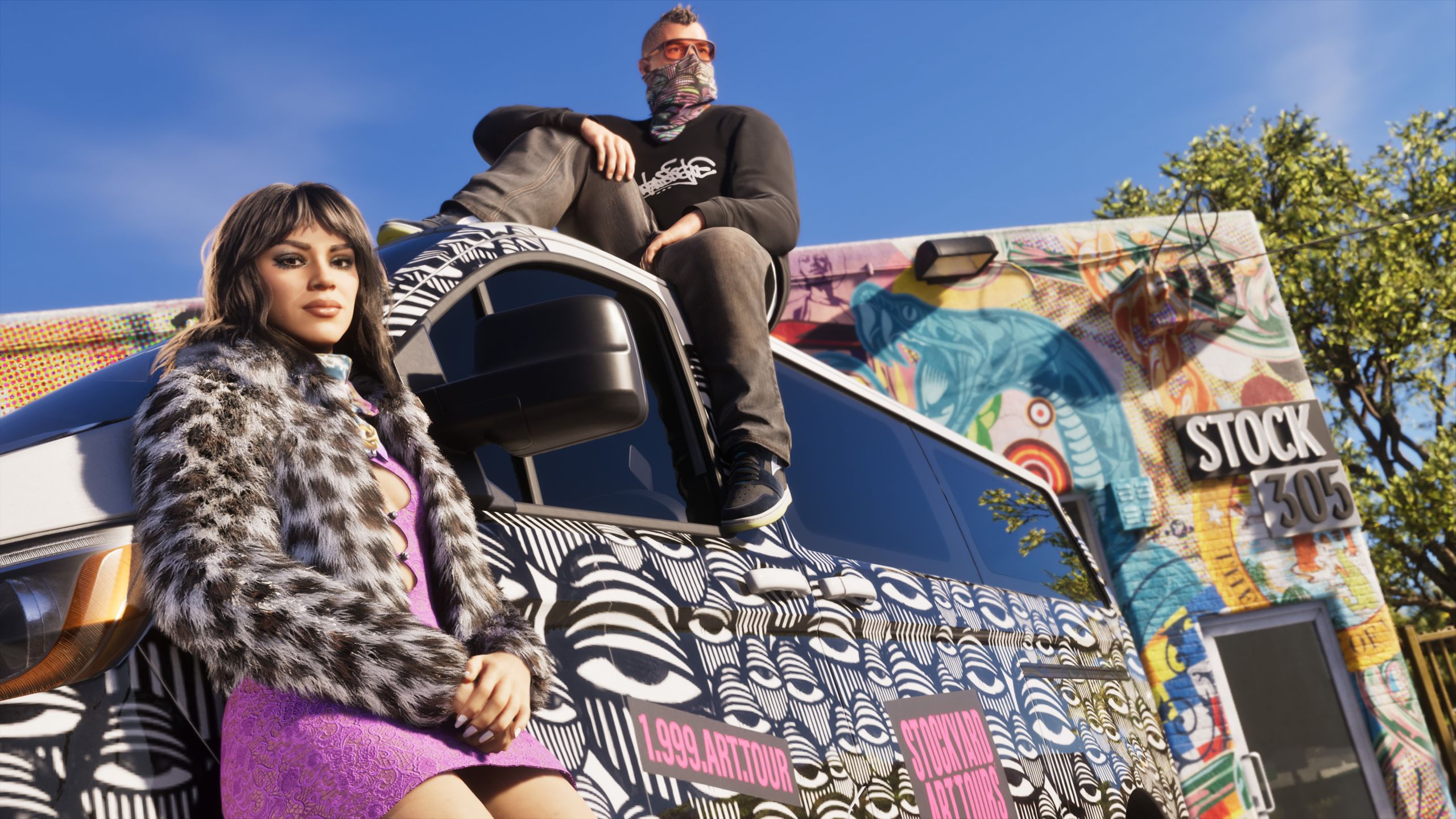
A Chronology of Escalating Monetization
To understand why this move is so jarring, one must look at the evolution of Rockstar’s monetization strategies over the last decade.
- The GTA V Era (2013): When Grand Theft Auto V launched, the focus was on the single-player narrative. While GTA Online eventually introduced microtransactions through "Shark Cards," the base game remained a complete, cohesive experience. Players could access every store and customization option simply by playing the game.
- The Live-Service Pivot (2015–2020): As GTA Online grew, the content pipeline became heavily focused on "drip-feed" updates. While this kept players engaged, it also introduced a degree of grind that incentivized real-world spending. Still, the underlying game architecture remained consistent for all players.
- The Modern "Ultimate" Trend (2024–Present): With the rise of the "Deluxe" and "Ultimate" branding across the industry—pioneered by titles like Call of Duty and Ubisoft’s recent open-world endeavors—publishers began experimenting with early access and cosmetic paywalls. Rockstar’s current approach represents the next logical, albeit aggressive, step: locking physical map space and gameplay loops behind a tiered pricing wall.
Supporting Data: The Cost of Immersion
The economic implications for the consumer are significant. If a player purchases the standard version of GTA 6 for $80, they are technically receiving a "Lite" version of the developer’s vision. When a player drives past a closed, gated store that is only accessible to those who paid an extra $20, the immersion is instantly broken.
Industry analysts have noted that "Fear of Missing Out" (FOMO) is a powerful psychological driver in modern gaming. By labeling these shops as "exclusive," Rockstar is banking on the desire of completionists to own the "full" experience. However, the data suggests that such practices create a "value gap." If a user pays $80 for a AAA title, they expect the full breadth of the game’s systems to be available to them. When system-level features like vehicle customization or character styling are treated as DLC, the value proposition of the base game is fundamentally diminished.
Official Responses and Industry Silence
As of this writing, Rockstar Games has maintained a policy of relative silence regarding the specific logic behind these paywalled locations. While representatives have touted the game as "the most immersive GTA experience yet," the disparity between that marketing and the restrictive nature of the Ultimate Edition has not been officially reconciled.
Industry insiders suggest that this strategy is a direct response to the rising costs of AAA development. With budgets for titles like GTA 6 ballooning into the hundreds of millions, publishers are under immense pressure from shareholders to maximize "Average Revenue Per User" (ARPU). By pushing players toward the $100 price point, Rockstar is effectively testing the market’s tolerance for a higher baseline cost for their flagship products.
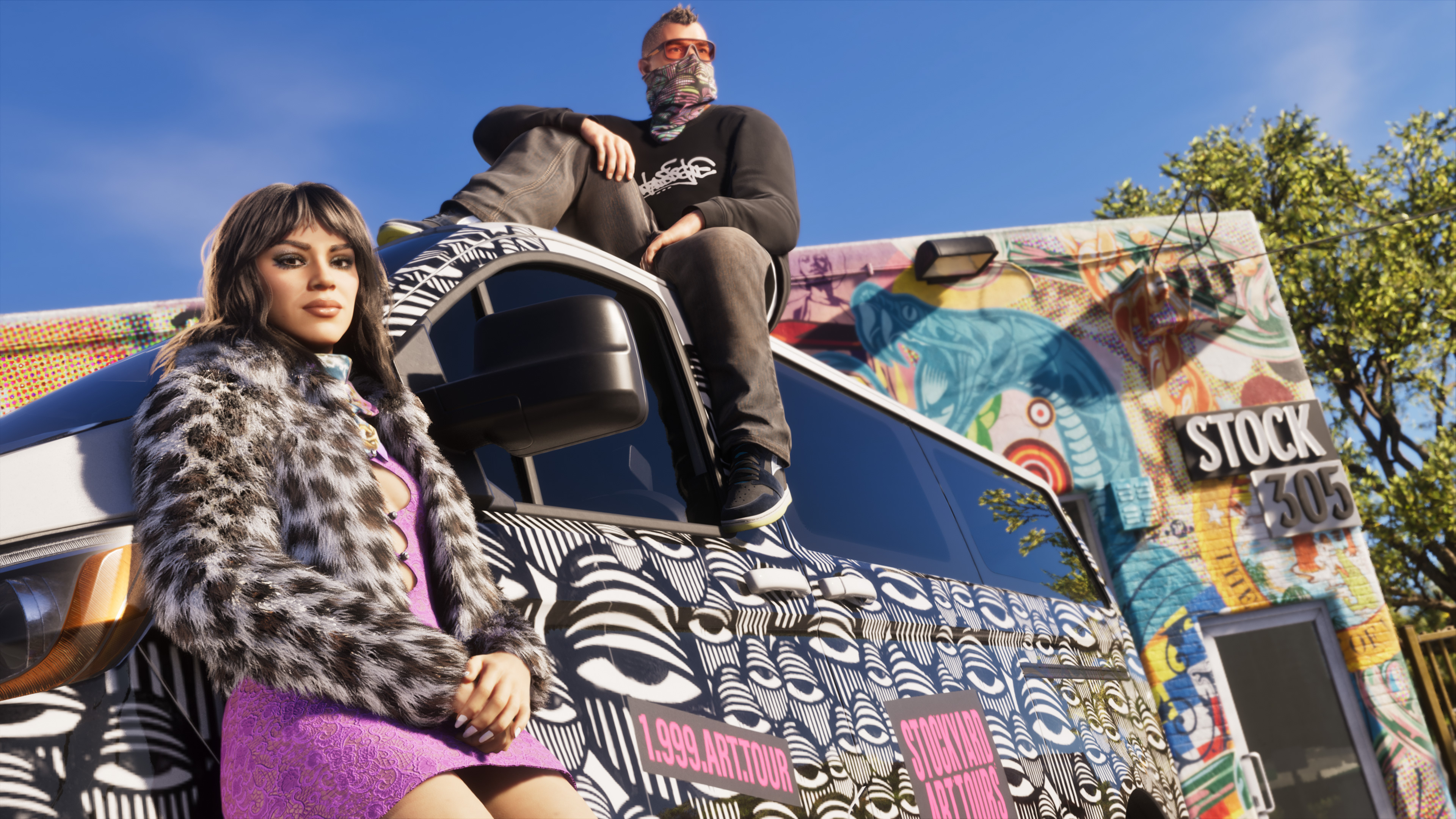
The Broader Implications: Where Do We Go From Here?
The decision to gate off content that was previously considered standard gameplay raises existential questions for the open-world genre.
1. The Death of the "Complete" Experience
If GTA 6 succeeds in normalizing paywalled shops and side missions, it is highly likely that other developers will follow suit. We may soon see a future where base-game players find entire districts or questlines inaccessible without a "Season Pass" or "Ultimate" upgrade. This shifts the focus from game design to revenue optimization.
2. The Erosion of Player Agency
Part of the joy of Grand Theft Auto has always been the freedom to explore. By placing "Premium" barriers in the game world, developers are essentially turning the map into a billboard for their own digital stores. It creates a psychological barrier that reminds the player of their real-world financial status, which is antithetical to the escapist nature of the game.
3. The Future of Single-Player Content
While GTA Online has long been a live-service environment, the single-player experience was once a sanctuary from these mechanics. Bringing "Ultimate Edition" gating into the single-player campaign signals that the industry no longer sees a distinction between the two. The "single-player story" is now just another commodity to be tiered and sold.
Conclusion: A Dangerous Path Forward
There is no doubt that Grand Theft Auto 6 will be a commercial juggernaut. The sheer scale and ambition of the title ensure that millions of players will flock to it regardless of its pricing structure. However, the decision to withhold core customization features and specific gameplay content behind an "Ultimate" paywall is a troubling shift for the franchise.
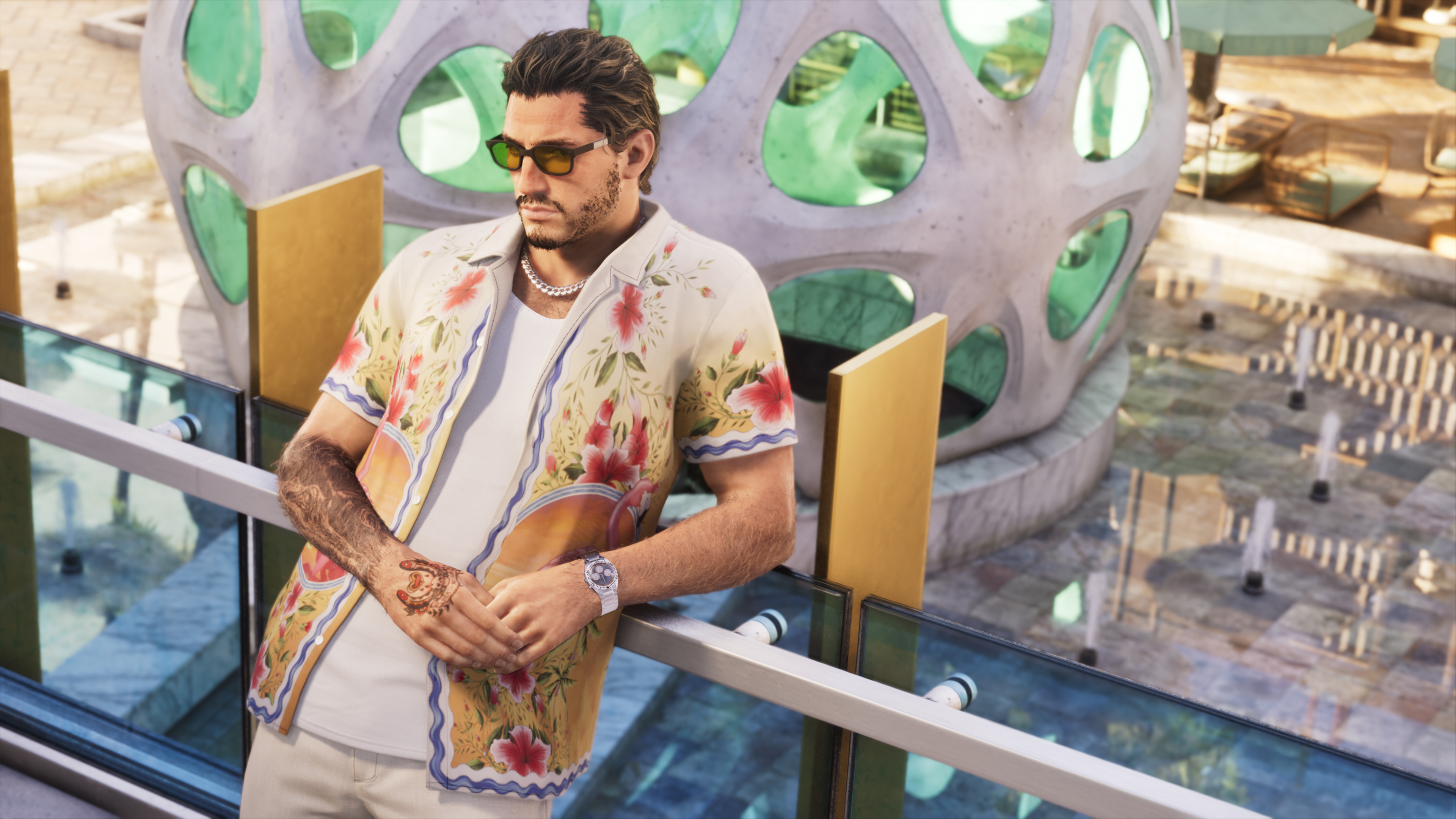
Rockstar Games has spent decades building a reputation for unparalleled quality and respect for the player experience. By adopting the most predatory tactics of the "games-as-a-service" era, they risk tarnishing that legacy. It would have been far more palatable—if not necessarily cheaper—for the developer to have simply set a flat $100 price point for all players, rather than creating a tiered system that feels like it is punishing those who aren’t willing to pay the premium.
As we look toward the future of gaming, the "Ultimate Edition" of GTA 6 stands as a test case. If the gaming community accepts these restrictions without pushback, it will confirm that the era of the "complete" base game is coming to a close. For now, players are left with a choice: pay the extra twenty, or navigate a world of shuttered doors and diminished potential. For a series that has always prided itself on ultimate freedom, this new paywalled reality feels like a step in the wrong direction.

