

The global video game industry currently finds itself at a crossroads, navigating a complex landscape defined by shifting consumer habits, corporate restructuring, and a relentless push toward digital-only ecosystems. This week’s developments across major studios—ranging from Sony’s hardware strategy to CD Projekt Red’s sales milestones—offer a comprehensive snapshot of an industry in transition.
As legacy franchises like Final Fantasy refine their mechanics and independent powerhouses like IO Interactive face the harsh realities of platform-holder volatility, the narrative of the week is one of adaptation. This report analyzes five pivotal stories that are shaping the future of interactive entertainment.
1. The Death of the Disc: PlayStation’s Digital-Only Mandate
Main Facts
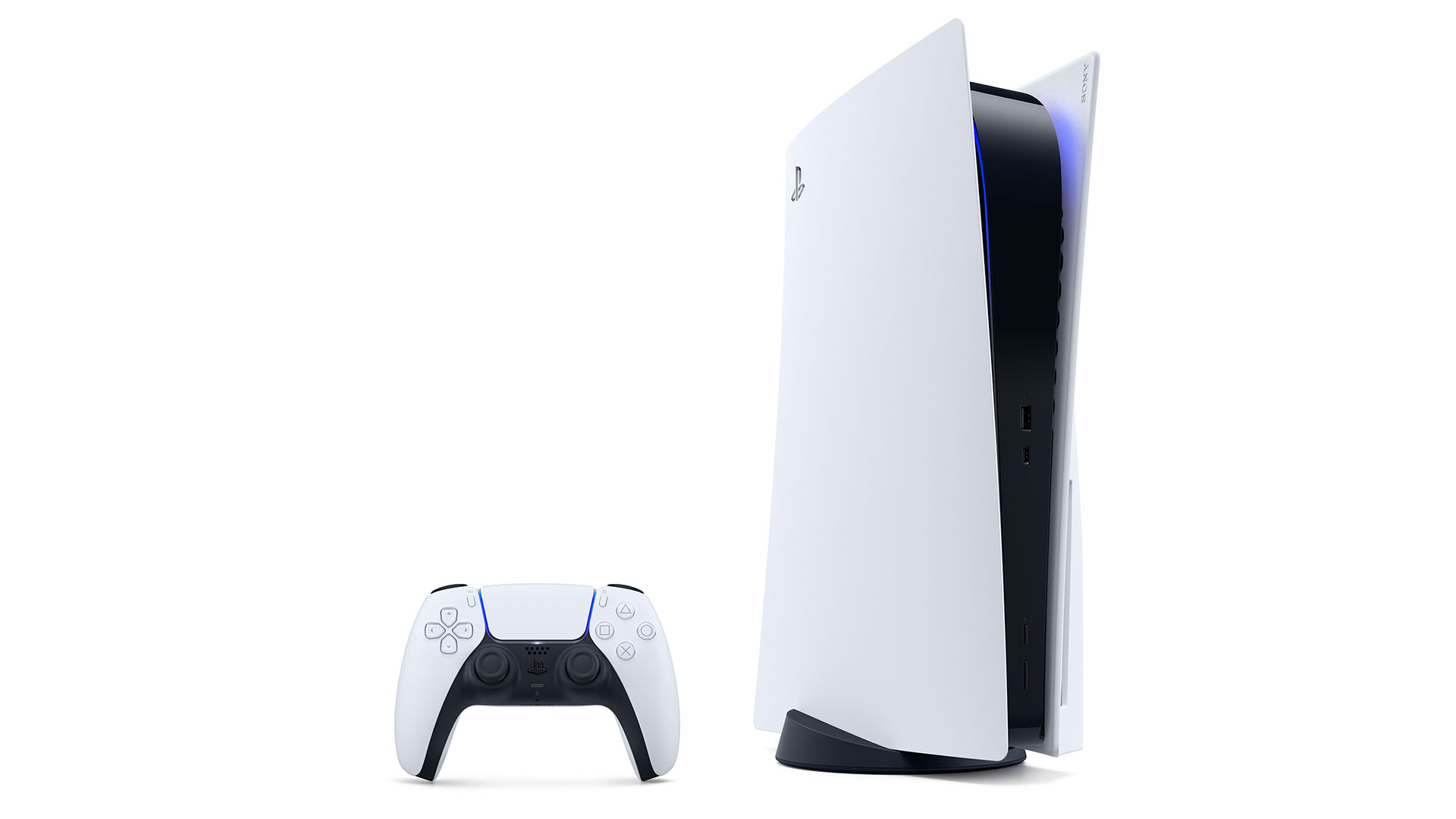
In a move that signals the definitive end of the physical media era for console gaming, Sony has confirmed a strategic pivot that will alter the retail landscape forever. Starting in January 2028, PlayStation will cease the production of physical game discs for all new titles released on its consoles. This announcement coincides with the finalized schedule for the closure of the PlayStation Store on legacy platforms, specifically the PlayStation 3 and PlayStation Vita.
Chronology
The transition has been gradual but accelerating. In late 2023, Rockstar Games sparked industry-wide debate by announcing that physical editions of Grand Theft Auto 6 would likely contain a "code in a box" rather than a blu-ray disc. Sony’s latest confirmation serves as the final nail in the coffin, following years of increasing digital sales percentages that now regularly exceed 80% for major AAA releases. The closure of the PS3 and Vita storefronts, initially proposed years ago and then delayed due to fan backlash, is now officially set to proceed, marking the end of digital support for two generations of hardware.
Supporting Data and Official Responses
Sony’s internal data suggests that the "general preference for digital media significantly outpaces physical discs," a gap that has widened since the launch of the PS5 Digital Edition. Industry analysts point to the cost-saving benefits for Sony: by eliminating the manufacturing, shipping, and retail margins associated with physical discs, the company can recapture a larger percentage of every $70 sale.
Implications
The implications for game preservation are profound. The simultaneous announcement of the PS3/Vita store closures highlights the fragility of digital libraries. When storefronts vanish, games without physical counterparts often become "lost media." For the secondary market—independent game stores and trade-in retailers—this 2028 deadline represents an existential threat.
2. Redemption and Rebranding: Cyberpunk 2077’s 40-Million Milestone
Main Facts
CD Projekt Red (CDPR) has officially announced that Cyberpunk 2077 has surpassed 40 million copies sold. This achievement marks one of the most significant "comeback" stories in software history. Alongside this fiscal milestone, the company announced a corporate restructuring, merging the parent entity CD Projekt and the development arm CD Projekt RED into a single unified brand to streamline operations and clear up long-standing market confusion.
Chronology
The journey of Cyberpunk 2077 began with a disastrous launch in December 2020, characterized by technical failures that led to its temporary removal from the PlayStation Store. However, a multi-year commitment to "Redemption Patches," the successful launch of the Edgerunners anime on Netflix, and the critically acclaimed Phantom Liberty expansion in 2023 have completely rehabilitated the title’s reputation.
Official Responses
A lead developer for the upcoming sequel, currently codenamed Project Orion, expressed gratitude to the community, stating, "You are the reason we can do all this work." The studio is now pivoting its full resources toward The Witcher 4 and the Cyberpunk sequel, bolstered by a massive influx of capital from the original game’s long-tail success.
Implications
CDPR’s success proves that the "live service" approach to fixing broken single-player games can work, though it raises questions about the industry’s "release now, fix later" culture. By consolidating their branding, the company is also signaling a more mature, corporate-ready structure as they prepare to juggle multiple AAA franchises simultaneously.
3. Learning from the Raid: Final Fantasy 14’s "Evercold" Strategy
Main Facts
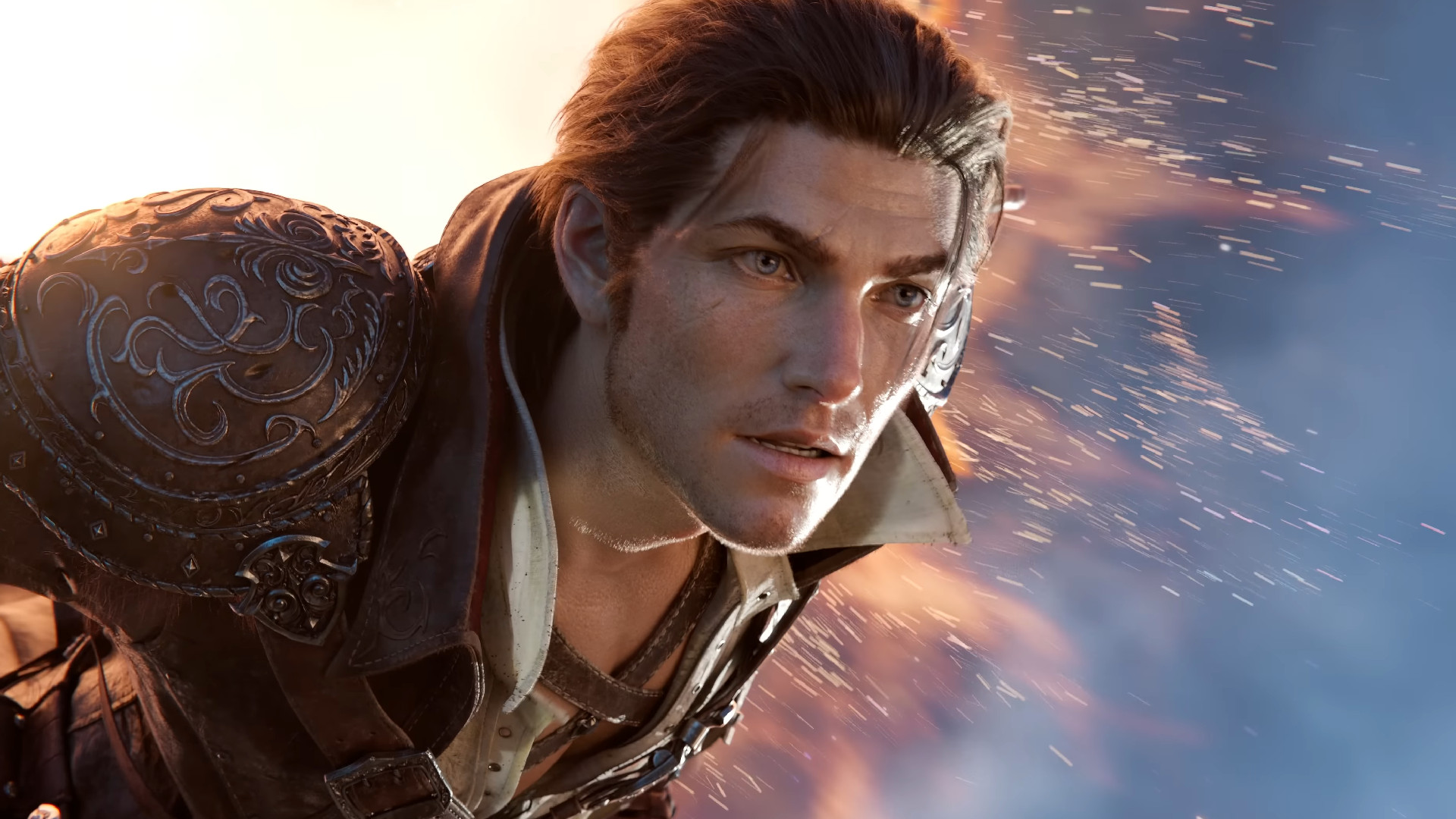
As Square Enix prepares for the 2025 launch of the Evercold expansion for Final Fantasy 14, the development team is taking an unusually transparent approach to its design philosophy. Assistant Director Tsuyoshi Yokozawa has revealed that the team is specifically analyzing the "missteps" of the Dawntrail eight-player raid series to ensure the next chapter of the MMO meets veteran player expectations.
Chronology
Final Fantasy 14 has enjoyed a decade of dominance in the MMO space, but the recent Dawntrail expansion received mixed reviews regarding its high-end battle content. Players felt the mechanical complexity had plateaued. In response, the developers have spent the last six months conducting an internal post-mortem to draft a "firm guideline" for future battle content development.
Supporting Data
The Evercold era will focus on "battle content development" that emphasizes environmental storytelling and mechanical innovation. Square Enix aims to stabilize its player retention numbers, which saw a slight dip following the conclusion of the decade-long Hydaelyn-Zodiark arc in Endwalker.
Implications
The transparency of the FF14 team remains a gold standard for community management. By admitting to design flaws in Dawntrail, Square Enix is banking on the trust of its "Warriors of Light" to carry the game through its next major narrative cycle. This highlights the necessity of iterative design in the MMO genre, where the player base’s skill level evolves faster than the content can be produced.
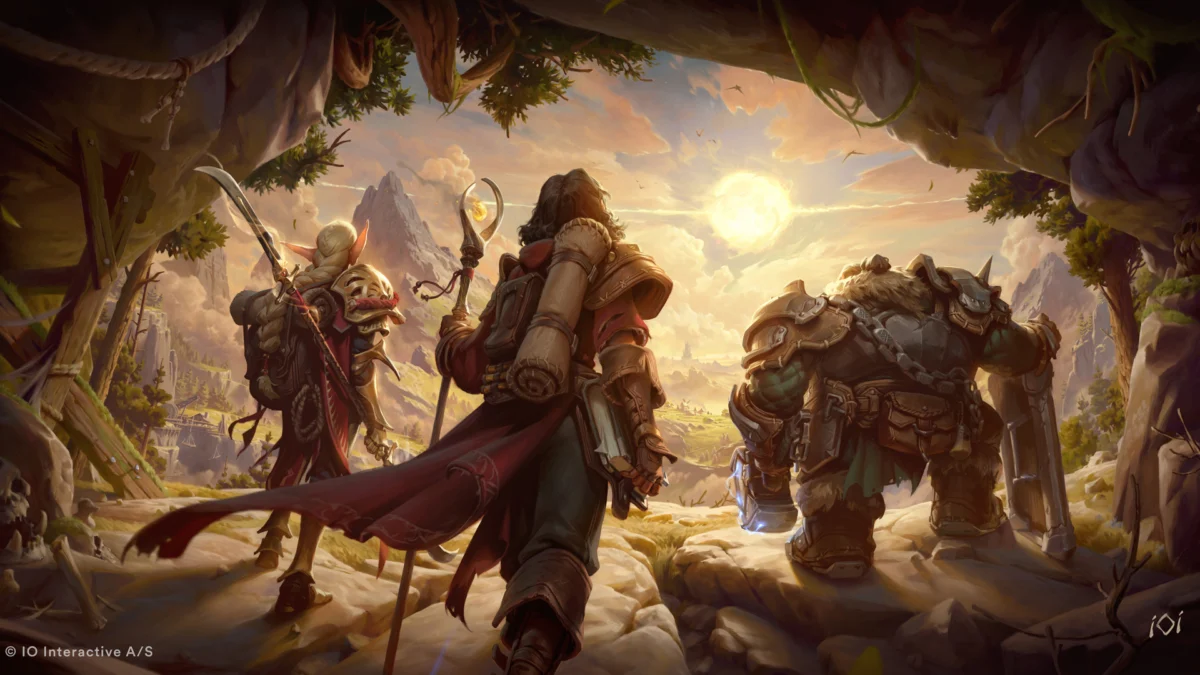
4. The Xbox Fallout: IO Interactive and the Uncertainty of Project Fantasy
Main Facts
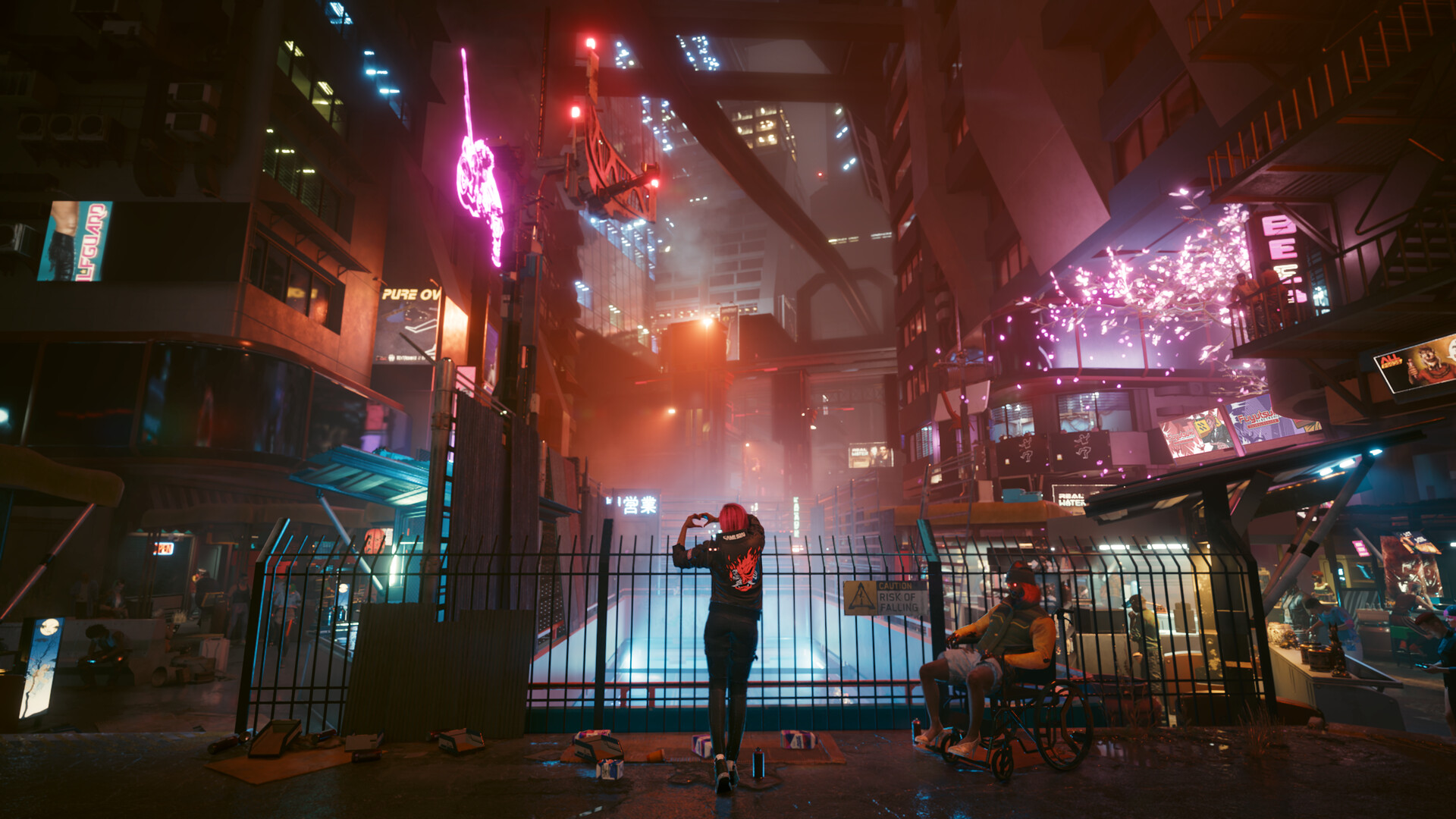
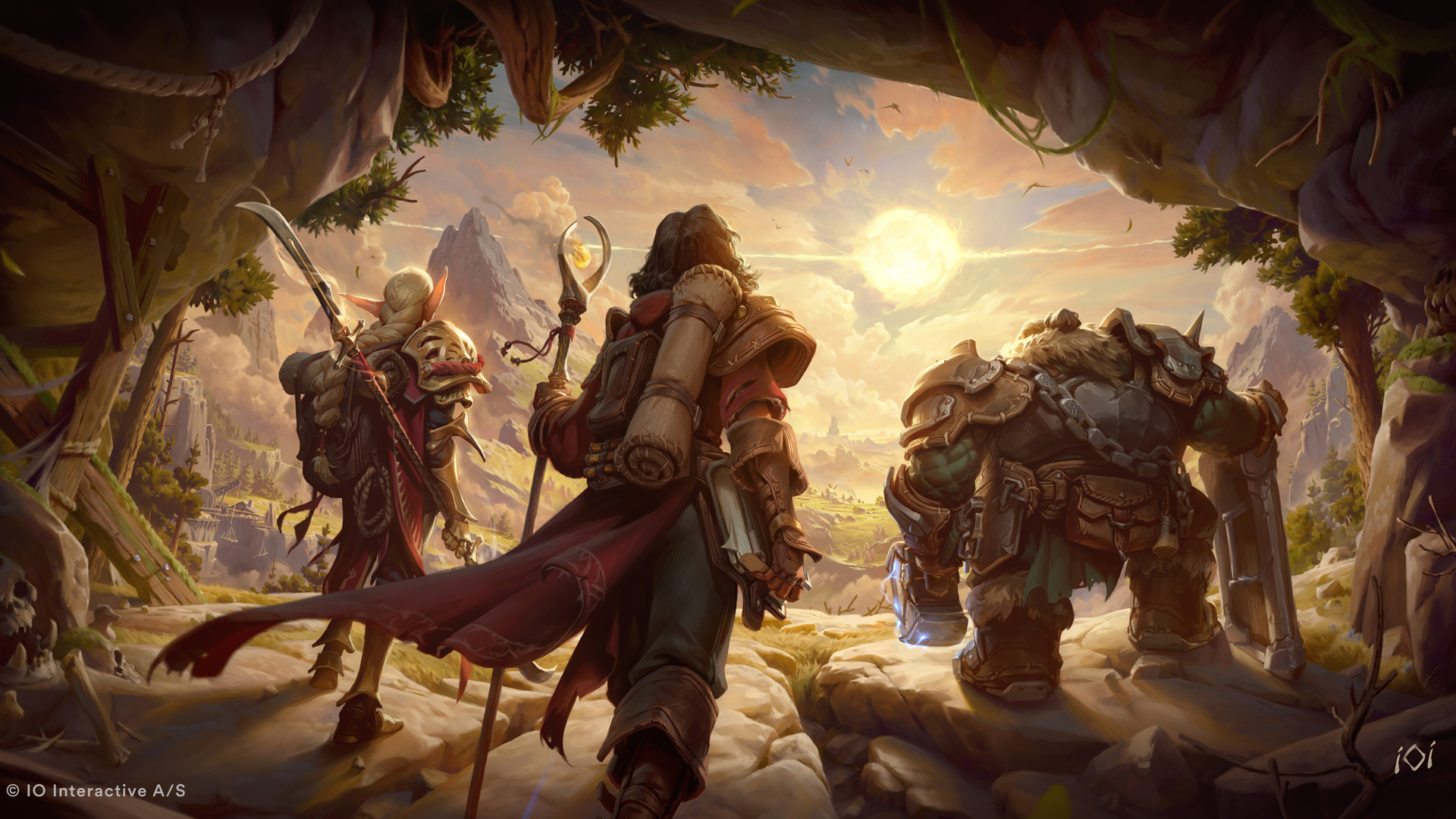
IO Interactive, the acclaimed developer of the Hitman series, is facing a significant hurdle in the development of Project Fantasy, its ambitious online fantasy RPG. Following a massive internal restructure at Microsoft and Xbox, the platform holder has reportedly pulled funding for the project, leaving the game’s future in a state of flux.
Chronology
In early 2024, IO Interactive was riding high on the success of the World of Assassination trilogy and the announcement of their 007: First Light project. CEO Hakan Abrak had teased a reveal for Project Fantasy for late this year. However, as Microsoft faced pressure to increase margins following its acquisition of Activision-Blizzard, several third-party publishing deals were terminated, with IOI’s fantasy epic being a primary casualty.
Official Responses
While IO Interactive remains independent and financially stable due to Hitman royalties, the loss of Xbox’s marketing and infrastructure support is a blow. The studio is now reportedly shopping the title to other publishers or considering a self-publishing route, though the latter carries significant financial risk.
Implications
This situation underscores the volatility of "Second Party" publishing deals in the current economy. Even a studio with the pedigree of IO Interactive is not immune to the shifting priorities of trillion-dollar tech giants. It serves as a cautionary tale for independent developers relying on platform-holder exclusivity for funding.
5. Creative Autonomy: Sandfall Interactive’s Defiant Path Forward
Main Facts
Sandfall Interactive, the studio behind the breakout turn-based RPG Clair Obscur: Expedition 33, has stated it will not "play it safe" with its future projects. Despite the massive commercial and critical success of Expedition 33, Game Director Guillaume Broche has asserted that the studio’s priority is creative passion over replicating a successful formula for the sake of marketability.
Chronology
Expedition 33 became a sleeper hit in 2023, lauded for its unique "active" turn-based combat and striking art direction. In a recent interview, Broche addressed the "sophomore slump" often faced by successful indie-turned-AA studios. He claimed he "doesn’t really care" if the next game achieves the same level of popularity, provided it fulfills the team’s creative vision.
Supporting Data
Sandfall’s success with Expedition 33 was driven by its willingness to subvert RPG tropes. The game’s performance on platforms like Steam and its inclusion in subscription services proved there is a massive appetite for high-fidelity, original turn-based experiences outside of the traditional Japanese market.
Implications
Broche’s comments highlight a growing sentiment among mid-sized developers: the desire to remain "creatively agile" in an industry increasingly dominated by safe, iterative sequels. This philosophy may lead to more experimental titles that push the boundaries of the genre, even if they don’t always achieve "Game of the Year" status.
Conclusion: An Industry Defined by Resilience
The news this week paints a picture of a gaming industry that is both ruthless and incredibly resilient. From Sony’s pragmatic, if controversial, march toward a digital future to CD Projekt Red’s hard-won redemption, the common thread is evolution.
As we move toward 2025 and beyond, the success of these entities will depend on their ability to balance the cold logic of corporate restructuring with the unpredictable, creative spark that defines the medium. Whether it is a veteran MMO learning from its mistakes or a new studio refusing to be bound by its first success, the industry continues to prove that while the format of the "disc" may die, the drive to innovate remains immortal.

