

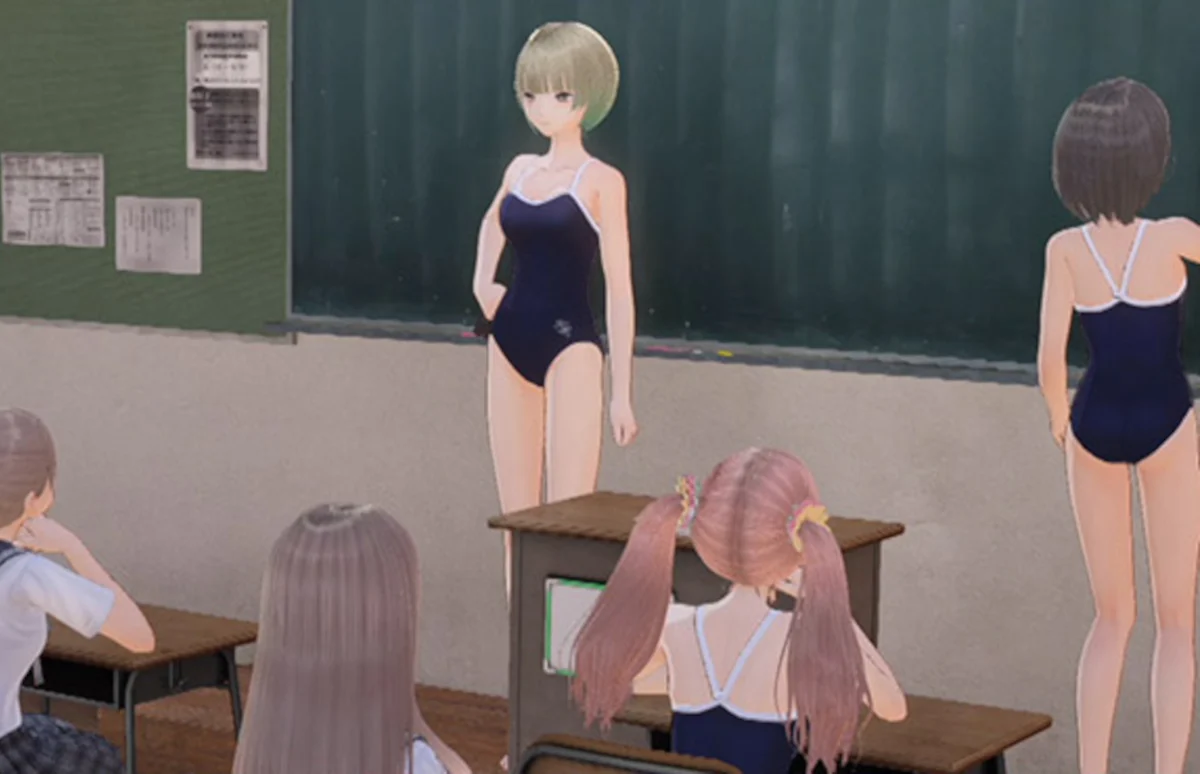
As the release date for Blue Reflection Quartet draws near, publisher Koei Tecmo and developer Gust have provided much-needed clarity regarding the content structure of this highly anticipated compilation. Through the series’ official Japanese social media channels, the companies confirmed the specific downloadable content (DLC) packages that will be included in the bundle, effectively setting the stage for what fans can expect when they revisit the magical, introspective world of Blue Reflection on modern hardware.
Main Facts: What’s Included in the Quartet?
Blue Reflection Quartet serves as a comprehensive portal into the franchise, bundling the original 2017 title, Blue Reflection, and its 2021 sequel, Blue Reflection: Second Light. Given the complex history of DLC distribution for both titles—which featured a mixture of season passes, character costumes, and limited-time exclusives—there has been significant fan speculation regarding which digital extras would make the cut.
According to the official announcement, Koei Tecmo has opted for a curated approach rather than a "complete edition" inclusion policy. The compilation will exclusively feature two specific sets of DLC, both of which were originally tied to early-purchase incentives.
The two confirmed inclusions are:
- Blue Reflection: The "School Swimsuit" costume set.
- Blue Reflection: Second Light (Tie): The "Summer Bikini" costume set.
This disclosure is significant because it clarifies that the vast majority of the individual character costumes, BGM packs, and school development items released post-launch for the original titles are not included in this specific release. By limiting the scope to these two rare sets, Gust is signaling that Quartet is intended as a foundational experience for newcomers rather than an exhaustive library of every piece of digital content ever created for the series.
A Chronology of a Cult Classic Franchise
To understand the weight of this announcement, one must look at the trajectory of the Blue Reflection series. Launched in 2017, the original Blue Reflection was positioned as an "heroic RPG" that focused on the emotional lives and interpersonal connections of high school girls, blending social simulation with turn-based combat. While it garnered a dedicated cult following for its unique aesthetic and Mel Kishida’s character designs, it was not initially positioned as a multi-game franchise.
The series underwent a radical transformation with the 2021 release of Blue Reflection: Second Light. This sequel expanded the scope of the world-building, introducing a more refined combat system and deeper exploration mechanics, which helped propel the series into the spotlight of the JRPG community. Between these two main releases, the publisher utilized an aggressive DLC strategy, releasing dozens of cosmetic items and auxiliary quests to maintain player engagement.
The announcement of Blue Reflection Quartet arrives in 2026, marking nearly a decade of development and evolution for the intellectual property. The transition of these titles to current-generation platforms—including PlayStation 5, the Nintendo Switch 2, and PC—represents a consolidation of the series’ history. However, as the announcement makes clear, this consolidation is editorial rather than total, leaving behind years of legacy digital content in favor of a streamlined, albeit selective, offering.
Supporting Data: The "Early Purchase" Exclusivity
The inclusion of the "School Swimsuit" and "Summer Bikini" sets is particularly noteworthy due to their rarity. In the original release cycles, these items were not available for general purchase through standard store pages; they were locked behind pre-order incentives or limited-run physical edition bonuses.
For players who may have missed out on the original launch window, this inclusion serves as a welcome restoration of inaccessible content. On platforms like Steam, where the original game pages list extensive, separate DLC entries, these two specific sets were notably absent from the standard digital catalog. By bundling them into Quartet, Koei Tecmo is effectively preserving these "lost" assets.
However, for veteran fans who have already purchased the vast library of auxiliary content, the news that no other DLC will be included—or added—may come as a disappointment. The decision to exclude the remaining, paid DLC packs highlights a shift in strategy for Gust, prioritizing a "plug-and-play" experience for the compilation over the maintenance of a sprawling, fragmented DLC ecosystem.
Official Responses and the Future Roadmap
Perhaps the most crucial part of the announcement is the explicit confirmation regarding the future of the series’ content updates. In their official statement, the team behind Blue Reflection addressed the potential for future additions with a candid, albeit final, tone:
"Also, we are currently not planning to publish new DLC for #BlueReflectionQuartet. Opinions and requests we have received will be used as reference in the future."
This statement serves as a definitive "no" to the prospect of adding the missing DLC packs post-launch. By explicitly stating that there are no plans to publish additional content, the developers are managing expectations to prevent a wave of requests from fans hoping for a more robust "Complete Edition."
At the same time, the inclusion of the phrase "opinions and requests… will be used as reference in the future" suggests that while Quartet is a static release, the Blue Reflection franchise itself remains an active concern for Koei Tecmo. Whether this implies a potential third entry in the series or simply a commitment to better communication in future projects remains a subject of ongoing debate among the community.
Implications for the JRPG Market
The decision to limit DLC in Blue Reflection Quartet carries broader implications for the JRPG genre. In recent years, the industry has seen a push toward "definitive" compilations that pack every conceivable piece of DLC into one price point. By deviating from this norm, Koei Tecmo is making a statement about the nature of game preservation.
Is a compilation meant to be a historical record of everything ever sold for a game, or is it meant to be a curated product that delivers the most "essential" experience? By selecting only the rare early-purchase items, Gust has arguably chosen the latter. This move may frustrate completionists, but it ensures that the core product remains stable and free from the bloat of dozens of micro-transactions that plagued the original digital storefronts.
Furthermore, the release on July 30 across a diverse set of platforms—including the next-generation Switch hardware—demonstrates the company’s confidence in the brand’s longevity. Blue Reflection has managed to carve out a niche for itself as a high-concept, emotionally resonant RPG, and by bringing the series to the latest consoles, Koei Tecmo is ensuring that the franchise remains accessible to a new generation of players.
For fans, the takeaway is clear: Blue Reflection Quartet is the definitive way to play these two titles on modern systems, but it is not a "catch-all" for the series’ history. Players looking for the complete breadth of cosmetic customization from the 2017–2024 era may still find themselves needing to look toward the original, legacy versions of the games. As the July 30 release approaches, the focus now shifts from "what’s included" to "how it plays," with the gaming community eager to see how the technical improvements of the new hardware enhance the ethereal, dream-like atmosphere that defines the Blue Reflection experience.

