

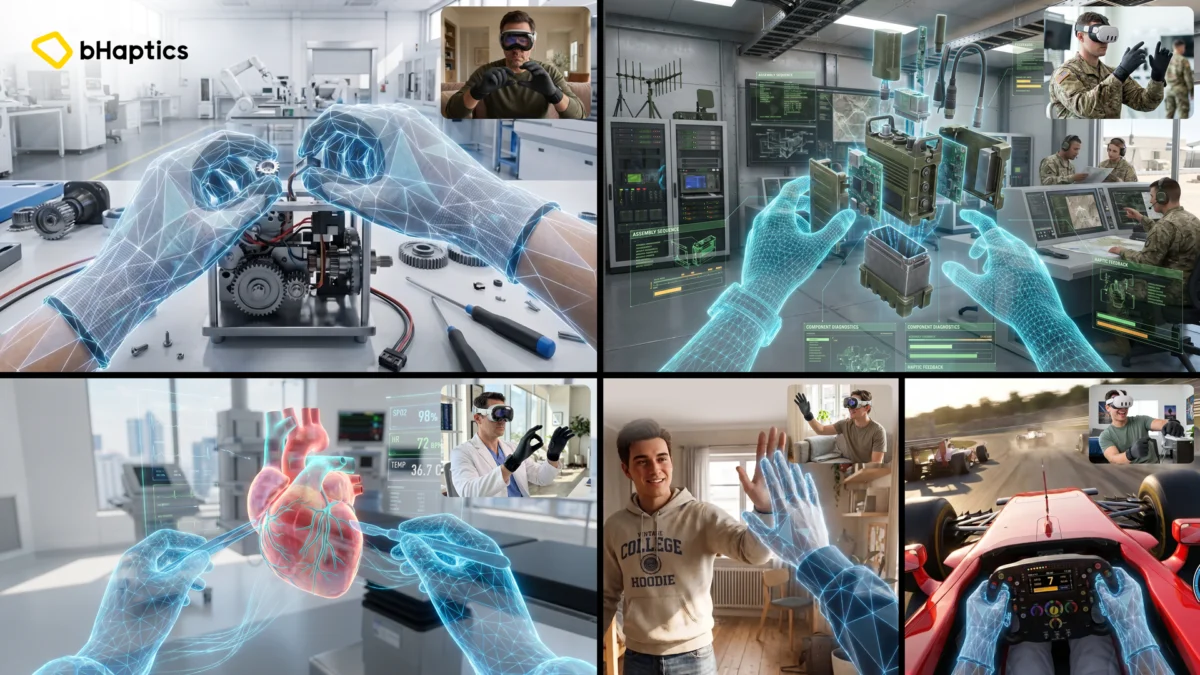
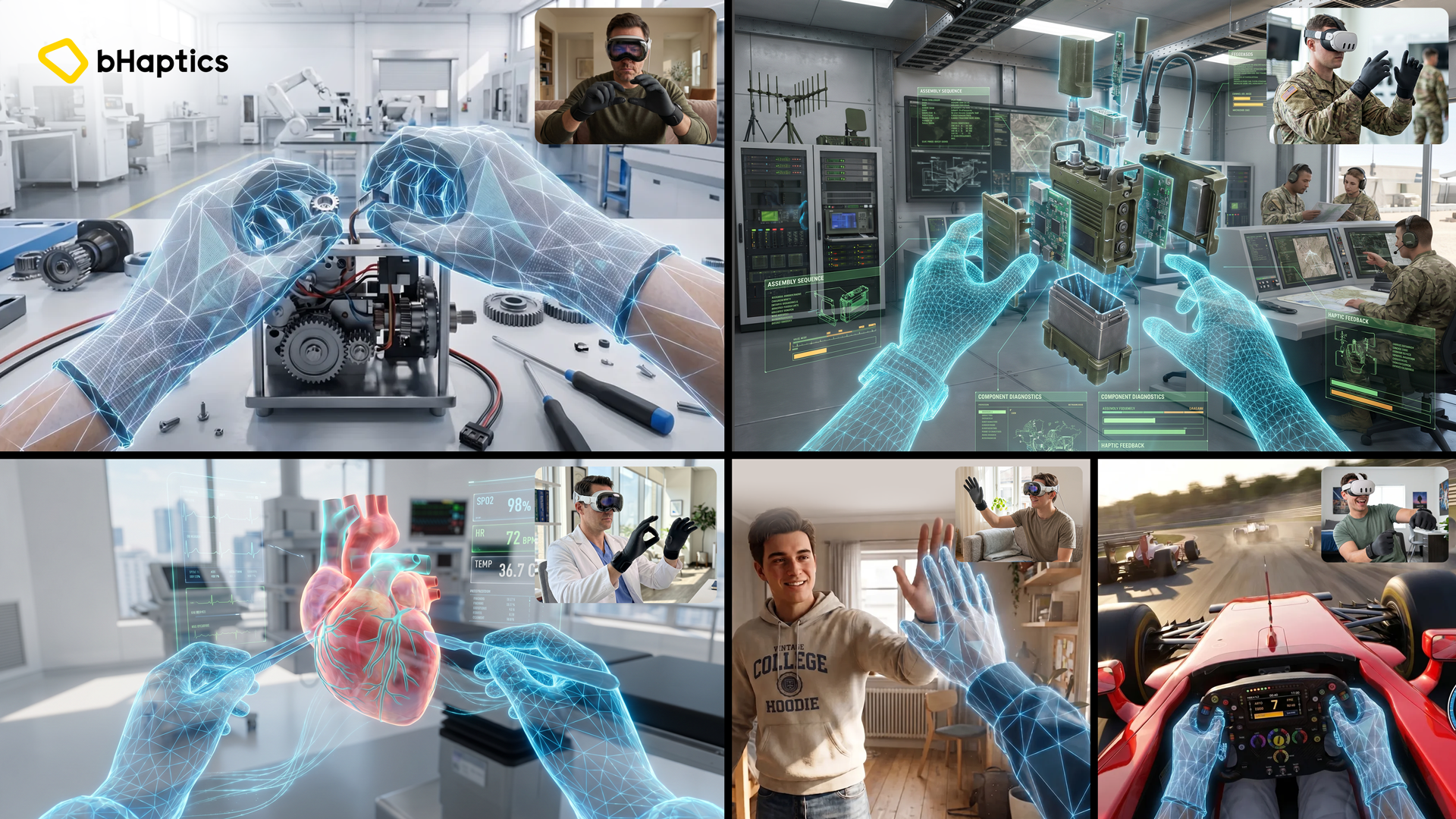
At this year’s Augmented World Expo (AWE), the frontier of virtual reality was defined not just by what we saw, but by what we felt. Among the most intriguing hardware on display was the TactGlove DK3, the latest iteration of haptic wearable technology from bHaptics. As the VR industry continues to grapple with the challenge of bridging the gap between digital visuals and physical sensation, bHaptics has positioned its new gloves as a definitive step toward true immersion. However, while the hardware represents a sophisticated leap forward in engineering, the broader ecosystem surrounding it reveals the complex, often turbulent state of the current XR market.
Main Facts: The Evolution of the DK3
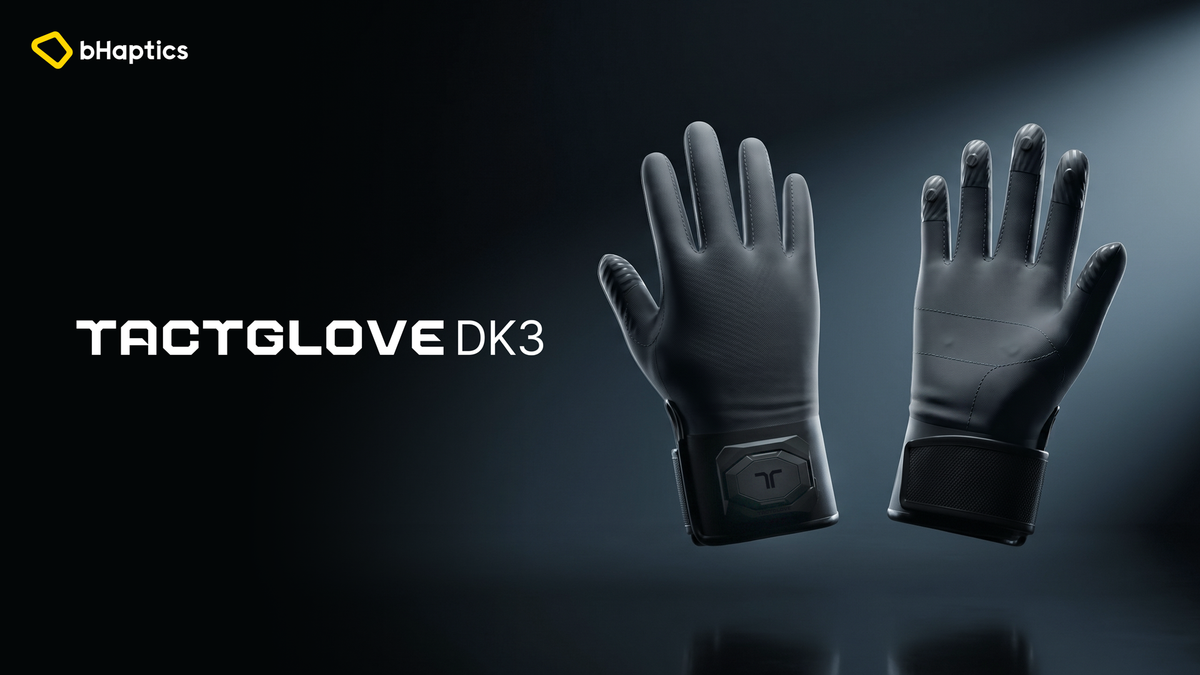
The bHaptics TactGlove DK3 is a haptic-feedback glove designed to simulate the sensation of texture and contact within a virtual environment. It is critical to distinguish this device from "resistive" or "force-feedback" gloves. Unlike high-end research prototypes that physically prevent your fingers from closing to simulate the solid presence of an object, the DK3 utilizes a network of vibration motors to provide tactile feedback to the fingers and palms.
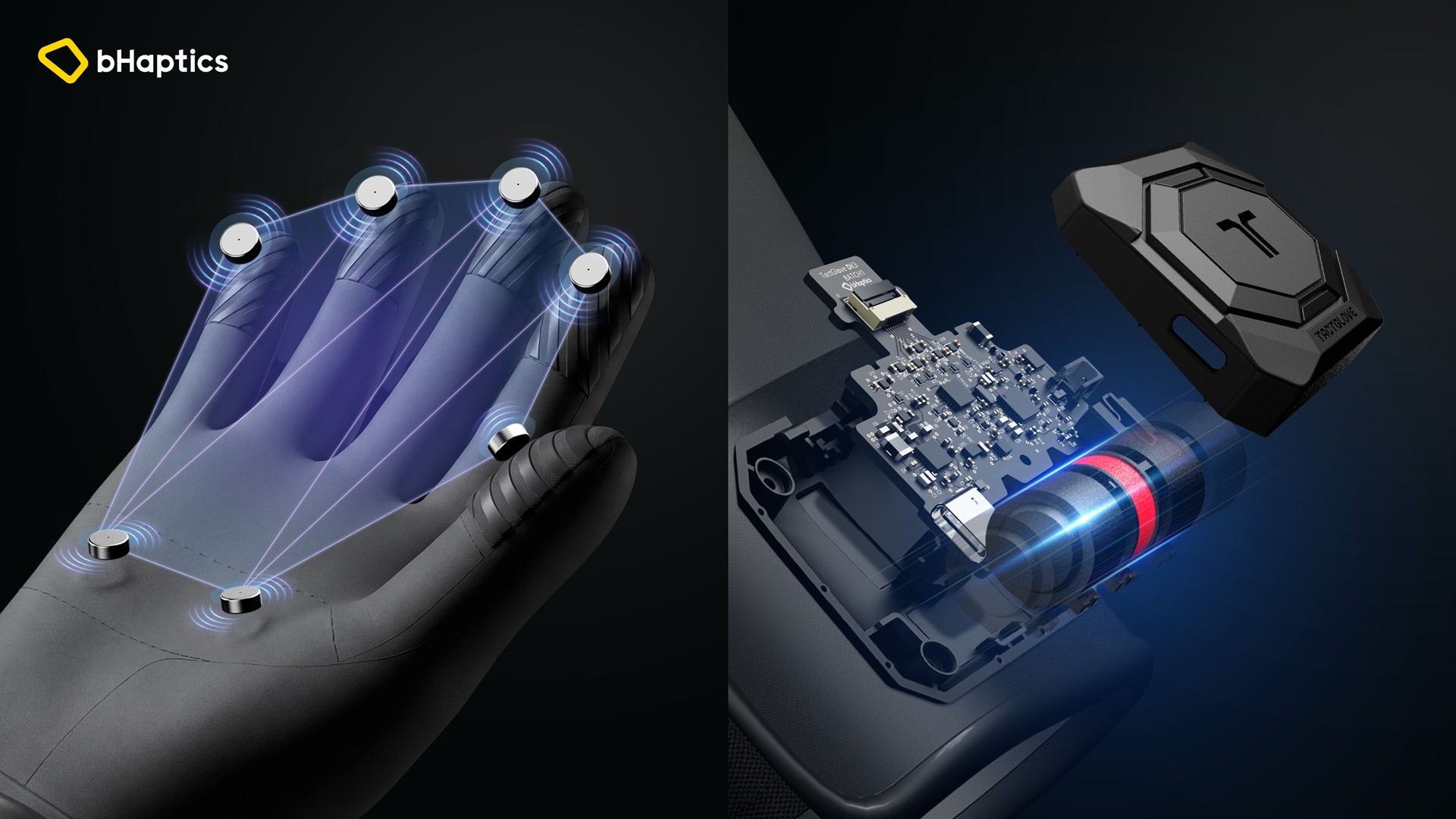
The DK3 represents a tangible refinement of its predecessor. The most notable hardware upgrade is the expansion of the motor count: each glove now features eight motors, up from six in the previous version. The inclusion of two additional contact points in the lower palm area significantly improves the resolution of the haptic feedback, allowing for a more nuanced sensation when interacting with virtual objects. Furthermore, the company has addressed user feedback regarding ergonomics and hygiene, including a set of inner gloves to ensure comfort during extended play sessions—a feature I found particularly necessary during my time on the show floor.
Chronology of the Experience
My demo took place within Galactic Repair, a 10-minute, bespoke VR experience developed by bHaptics specifically to showcase the capabilities of the DK3. The scenario cast me as an interstellar pilot tasked with repairing a damaged vessel.
The demo began with a diagnostic sequence: a hand-scanner that pulsed across my palms and fingers, providing a rhythmic, full-hand haptic sweep that immediately established the scale of the feedback. From there, the mechanics transitioned into precise tasks: reaching out to grasp heavy metallic handles, inserting power cables into vibrating sockets, and manipulating electric orbs.
The most impressive moment occurred during a sandbox segment at the end of the demo. I was presented with a series of cubes of varying virtual weights. When I attempted to lift the largest, "heaviest" cube with a single hand, the gloves delivered an intense, localized vibration pattern that communicated a sense of resistance and strain. While the gloves could not physically stop my hand from closing, the sheer intensity of the haptic feedback effectively tricked the brain into perceiving weight. It was a masterclass in how subtle sensory cues can amplify the feeling of "presence" in a digital space.
Supporting Data and Technical Realities
Despite the technical success of the demo, the path to widespread adoption for the TactGlove DK3 remains obstructed by several systemic factors. During my time at the booth, I spoke with bHaptics technicians regarding the current state of developer support. While bHaptics provides robust SDKs (Software Development Kits) for both Unity and Unreal Engine, the actual number of titles currently supporting the gloves is modest.
A check of the bHaptics PC application reveals only eleven titles with official glove integration. While this list includes high-profile experiences like Half-Life: Alyx, Synth Riders, and Rogue Ascent, the majority of the current library consists of either bHaptics’ own internal demos, volumetric video players, or niche titles.
The primary barrier is not the quality of the hardware, but the reliance on hand tracking as the primary input method. Most modern VR gaming is built around motion controllers. When a developer builds a game, they optimize for the reliability and physical feedback of a controller. Expecting a developer to build a game that relies exclusively on hand tracking—and then adding an additional layer of support for a premium, $385 peripheral—is a significant ask in a market where developers are already struggling to maintain profitability.
Official Perspectives and Market Context
The current state of the VR industry provides necessary context for why hardware like the TactGlove DK3 faces an uphill battle. We are currently witnessing a period of consolidation in the XR space. Major studios are facing layoffs, and others are pivoting away from dedicated VR projects toward "flatscreen" development in an attempt to secure financial stability.
In this climate, the "cost" of development—not just in capital, but in engineering time—is scrutinized more heavily than ever. While industry leaders like Owlchemy Labs and Resolution Games have championed hand tracking, they have yet to fully embrace haptic glove integration. This suggests a cautious approach: until the user base for haptic peripherals reaches a critical mass, developers are hesitant to commit the resources required to integrate them.
Furthermore, the "audio-to-haptics" feature, which serves as a catch-all solution for non-supported games in the broader bHaptics ecosystem (like their vests), is less effective for gloves. A vest can simulate the general impact of explosions or environmental noise, but gloves require precision-mapped data to feel "real." Without developer-level support, the gloves simply buzz in response to sound, which often breaks immersion rather than enhancing it.

Implications for the Future of Immersion
So, where does this leave the TactGlove DK3? At a price point of $385, with shipping commencing on June 28, the device is clearly positioned for enthusiasts and enterprise applications rather than the casual consumer market.
The implications for the industry are twofold:
- The Niche Maturity: The DK3 is an excellent piece of hardware that solves many of the comfort and feedback issues of its predecessors. For those who want the absolute pinnacle of immersion, it is a significant purchase. However, it will likely remain a peripheral for the "hardcore" enthusiast until the cost of production and the complexity of integration decrease.
- The Hand-Tracking Divide: We are in a transitional phase where hand tracking is becoming more capable, but controllers remain the "gold standard" for input. Until hand tracking becomes the universal standard—or until haptic gloves become cheap enough to be bundled with consumer hardware—the TactGlove will remain a specialty tool.
The TactGlove DK3 proves that the sensation of touch is not just a dream of the future; it is a present reality. Yet, as the VR market continues to navigate its own maturity, the success of such devices will depend less on the vibration of a motor and more on the ability of the broader ecosystem to support a more sensory-rich way of interacting with the virtual world. For now, the DK3 is a glimpse into what is possible, waiting for the rest of the industry to catch up.

