

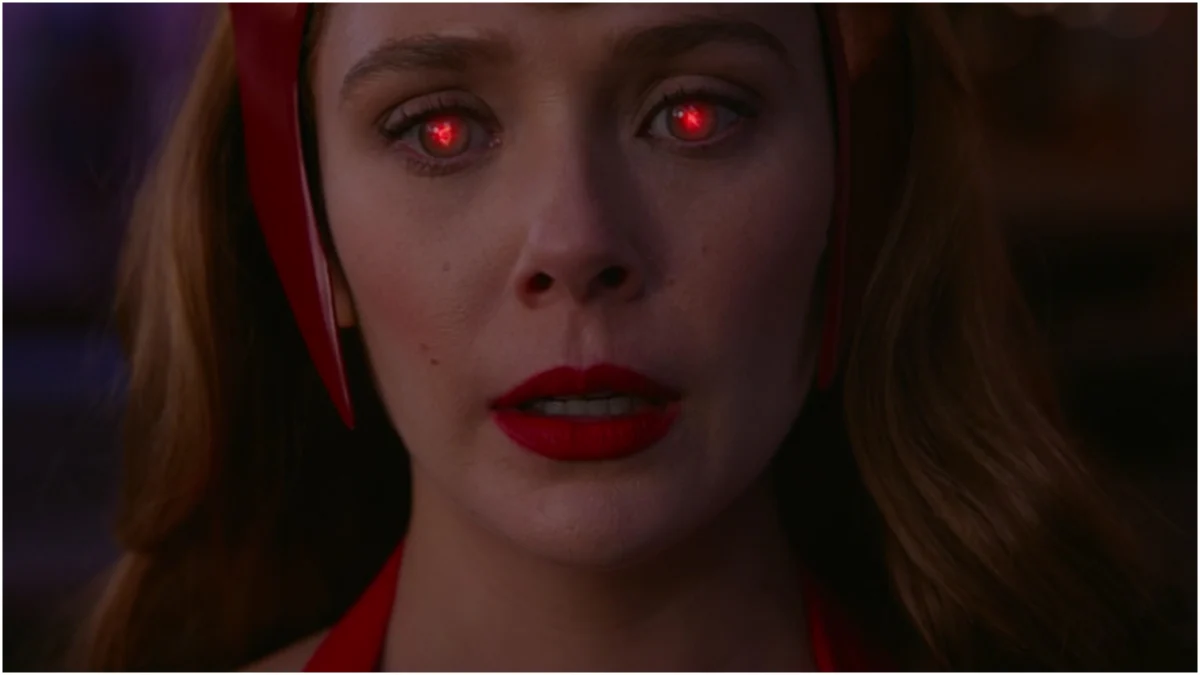
The Stargate franchise, a cornerstone of television science fiction that has languished in development limbo for years, is once again the subject of a major revival attempt. Amazon MGM Studios has officially tapped Jac Schaeffer—the creative force behind Marvel’s acclaimed WandaVision—to lead the development of a new series. While the appointment of a proven visionary is being hailed by some as a necessary shot in the arm for the dormant brand, it has simultaneously ignited a firestorm of apprehension within the long-standing Stargate community.
For a franchise that spans three decades, multiple spin-offs, and a dedicated cult following, the news represents a high-stakes gamble. With development of a previous iteration having been unceremoniously scrapped earlier this year, the pressure on Schaeffer to deliver a product that satisfies both studio executives and a notoriously protective fanbase has never been higher.
The Road to Revival: A Chronology of Stargate’s TV Woes
The history of Stargate on television is one of immense success followed by a protracted, frustrating silence. The franchise dominated the sci-fi landscape from 1997 through 2011, with Stargate SG-1, Stargate Atlantis, and Stargate Universe defining the genre’s approach to serialized storytelling. Since the cancellation of Universe, however, the franchise has struggled to find a consistent path forward.
The Rise and Fall of the Gero Project
Earlier this year, the hopes of the fandom were pinned on a project spearheaded by Martin Gero. A veteran of the franchise, Gero served as a writer and executive producer on Atlantis and SG-1, making him the "gold standard" for many fans who prioritize continuity and reverence for the source material.
However, in June 2026, reports confirmed that Amazon MGM had pulled the plug on the Gero project. The rationale provided by studio insiders was revealing: executives expressed concerns that the series was too insular, focusing too heavily on deep-cut lore that might alienate a broad, mainstream audience. This "broad appeal" mandate is precisely what has caused the current friction surrounding the announcement of the Schaeffer-led project.
The Current Pivot
Following the collapse of the Gero initiative, Amazon has shifted gears. By bringing in Jac Schaeffer, the studio is clearly looking to replicate the success of her work in the Marvel Cinematic Universe. Schaeffer’s track record—demonstrated by her ability to weave complex, character-driven narratives into the established framework of the MCU—appears to be the primary reason for her hiring. According to early reports, a writers’ room is being assembled, with Joby Harold and Tory Tunnell joining as executive producers to steer the production through its infancy.
Analyzing the "Schaeffer Factor": Can WandaVision Magic Translate?
Jac Schaeffer’s appointment is arguably the most polarizing element of this news. To understand why, one must look at the nature of her previous work. WandaVision was praised for its bold experimentation, emotional depth, and its ability to balance homage with innovation.
The Argument for Optimism
Proponents of the choice argue that Schaeffer possesses a unique talent for "accessible complexity." As one enthusiast noted on Reddit, Schaeffer’s work on WandaVision proved that a showrunner could honor the dense history of an established intellectual property while simultaneously creating an entry point for newcomers. The theory is that if she treats the Stargate canon with the same level of respect she afforded the MCU, she could potentially expand the franchise’s audience without sacrificing the "Stargate-ness" that veteran fans crave.
The Fear of the "Modern Reboot"
Conversely, the primary anxiety among fans stems from the industry’s current tendency toward the "soft reboot." Many followers of the franchise fear that Amazon is forcing a creative direction that ignores the established lore in favor of a "younger, modern" aesthetic. The recurring sentiment in online forums is a weary prediction: that the series will attempt to reinvent the wheel, fail to capture the original magic, and ultimately be relegated to a two-season run before being canceled by an algorithm-driven streaming service.
Supporting Data: The Fragility of Streaming Sci-Fi
The skepticism surrounding the new Stargate project is not occurring in a vacuum. It is deeply rooted in the current economic realities of the streaming industry, which has become increasingly volatile for long-running science fiction series.
The "One-and-Done" Phenomenon
Data from the past three years shows a troubling trend for sci-fi fans: the rise of the "limited series" masquerading as a franchise starter. When a show like Stargate is revived, there is an inherent fear that it will suffer from the "Netflix effect"—where high production costs lead to rapid cancellations if the series does not achieve immediate, massive cultural saturation.
The Executive Mandate vs. Creative Vision
The tension between creative vision and corporate strategy is palpable. When Amazon canceled the Gero project, it signaled that the studio is prioritizing "growth" over "loyalty." For a franchise as old as Stargate, this is a perilous tightrope. If the studio insists on a "new and different take" to attract a demographic that hasn’t seen SG-1, they risk alienating the very audience that has kept the franchise alive through merchandise sales, convention attendance, and digital re-watches for over a decade.
Official Responses and Industry Implications
While official statements from Amazon MGM have been characteristically sparse, the implications of this move are significant for the future of the studio’s genre portfolio.
Amazon’s Strategic Positioning
Amazon is currently competing in an aggressive market for sci-fi dominance. With the success of properties like The Expanse (which they saved) and The Boys, they are looking for a foundational space-opera franchise. Stargate is a diamond in the rough, but it is one that requires careful polishing. By pairing Schaeffer with experienced producers like Harold and Tunnell, Amazon is signaling that they are prioritizing high-end, prestige-style television production.
The Fan Community: A State of Alert
The sentiment among the fanbase, while currently skeptical, is not entirely dismissive. The consensus seems to be a "show me, don’t tell me" attitude. The community is tired of false starts. The "Gero situation" left a wound that has not yet healed, and for many, the news of a new show is viewed as a disruption rather than a celebration.
"I’ll believe it when I see production images," is a sentiment echoed across multiple platforms. This indicates a high level of "development fatigue." The fans have been burned by rumors, scrapped scripts, and executive pivots too many times to commit emotional energy to a project that has yet to film a single scene.
The Path Forward: What Success Looks Like
For Jac Schaeffer and her team, the path to success involves navigating a narrow corridor of expectations. To win over the skeptics, the new Stargate must accomplish three things:
- Maintain Continuity: It must not ignore the events of SG-1 or Atlantis. These shows are the foundation of the franchise’s identity.
- Modernize, Don’t Erase: It must update the production values and the scope of the storytelling for a 2026 audience, while keeping the core premise—exploration, human-centric morality, and the wonder of the gate—intact.
- Longevity: The biggest fear is cancellation. To succeed, the show must prove it has a narrative arc that spans beyond a single season, justifying the massive investment Amazon is making.
Looking Ahead: The Marvel Shadow
Interestingly, the news arrives at a time when the Marvel machine is continuing its own evolution. With VisionQuest on the horizon—the next chapter in the story that WandaVision began—all eyes are on how showrunners like Terry Matalas handle the transition of established IP. If Schaeffer can bring the same level of narrative cohesion to the Stargate universe that she brought to the Westview anomaly, there is a legitimate chance for a renaissance.
However, until the first trailer drops or the cameras begin to roll, the Stargate community remains in a state of watchful waiting. They have been promised the stars before, only to be left grounded. Whether Jac Schaeffer is the one to finally reopen the gate remains to be seen.
About the Author: With over a decade of experience in the entertainment industry, our senior correspondent covers the evolving landscape of film and television. From the shifting strategies of streaming giants to the granular details of franchise development, we provide the context behind the headlines.

