

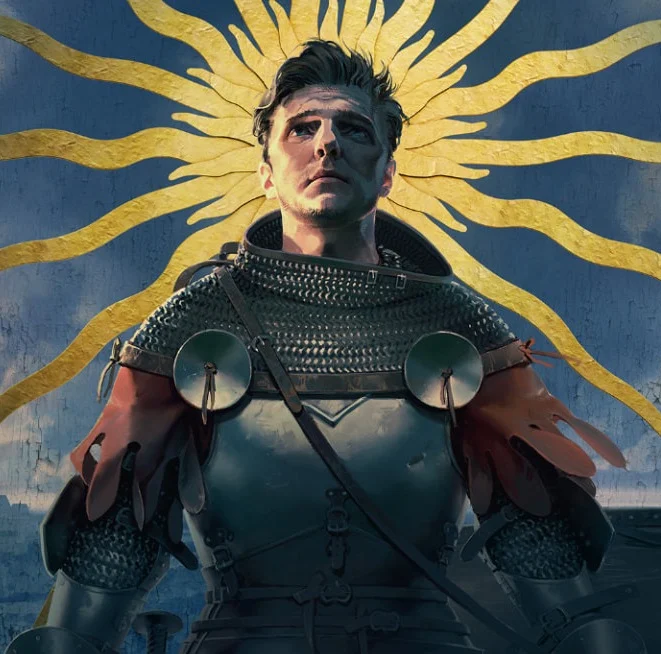
The gaming industry is currently undergoing a tectonic shift as developers race to integrate generative artificial intelligence into their production pipelines. At the forefront of this movement is miHoYo (known globally as HoYoverse), the juggernaut behind cultural phenomena such as Genshin Impact, Honkai: Star Rail, and Zenless Zone Zero. With a track record of unprecedented financial success in the gacha market, the studio has signaled a bold, if controversial, strategy: a staggering $14.6 billion investment into AI-driven development. This pivot, which seeks to prioritize machine learning as a "central and primary means of problem-solving," represents one of the largest corporate commitments to AI in the interactive entertainment sector to date.
The Dawn of a New Development Paradigm
For years, miHoYo has set the industry gold standard for high-fidelity anime-style art, sprawling open-world design, and rapid-fire content updates. However, maintaining this velocity of development—while simultaneously launching new, experimental titles—is an enormous logistical challenge.
The studio’s recent announcement regarding its $14.6 billion funding initiative aims to address this bottleneck. By integrating AI-powered tools directly into its in-house workflow, miHoYo intends to automate repetitive tasks, accelerate asset generation, and potentially deepen player interaction through dynamic, non-scripted AI personalities. This strategy is not merely an aspiration; it is already being tested in the wild.
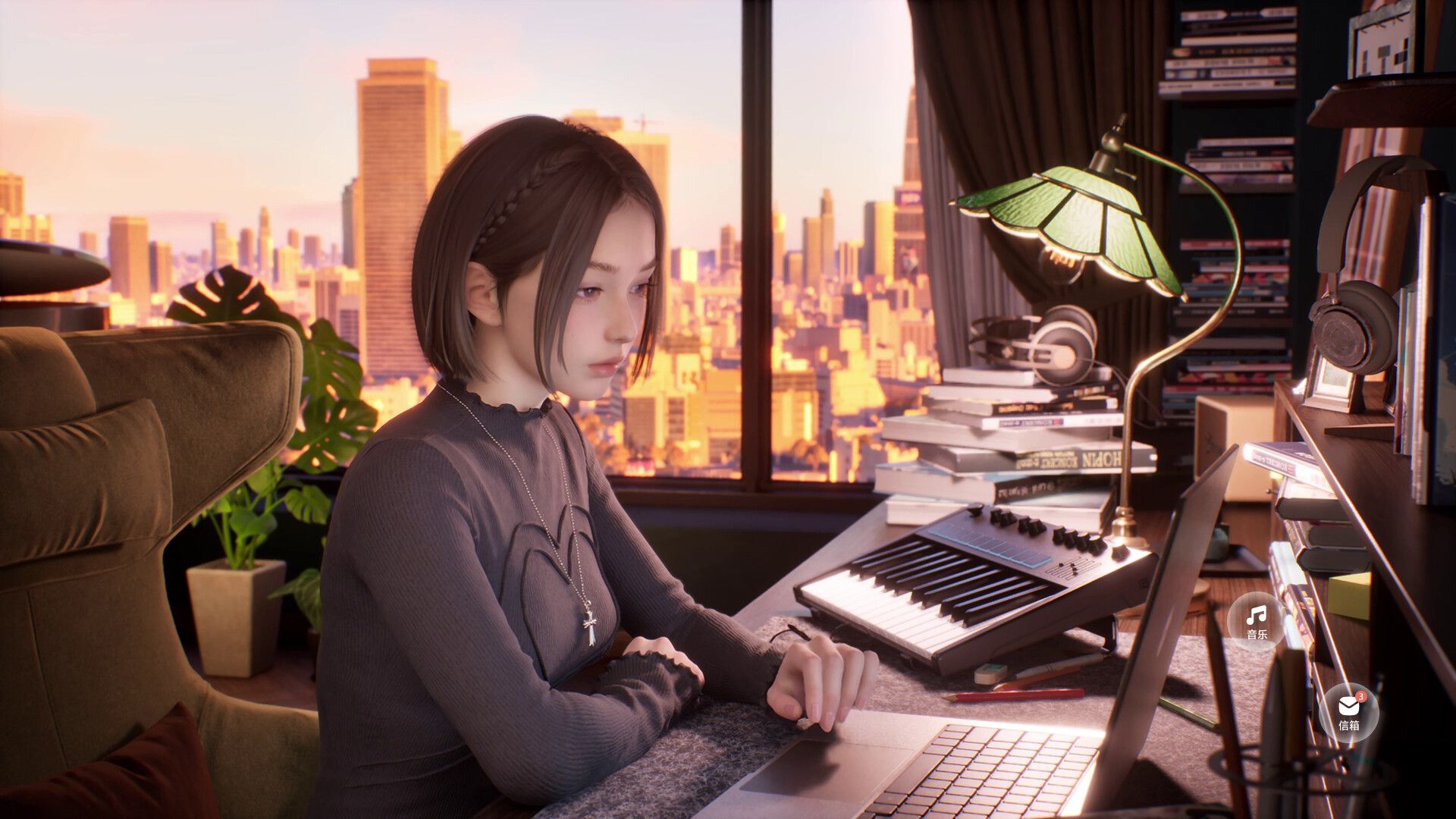
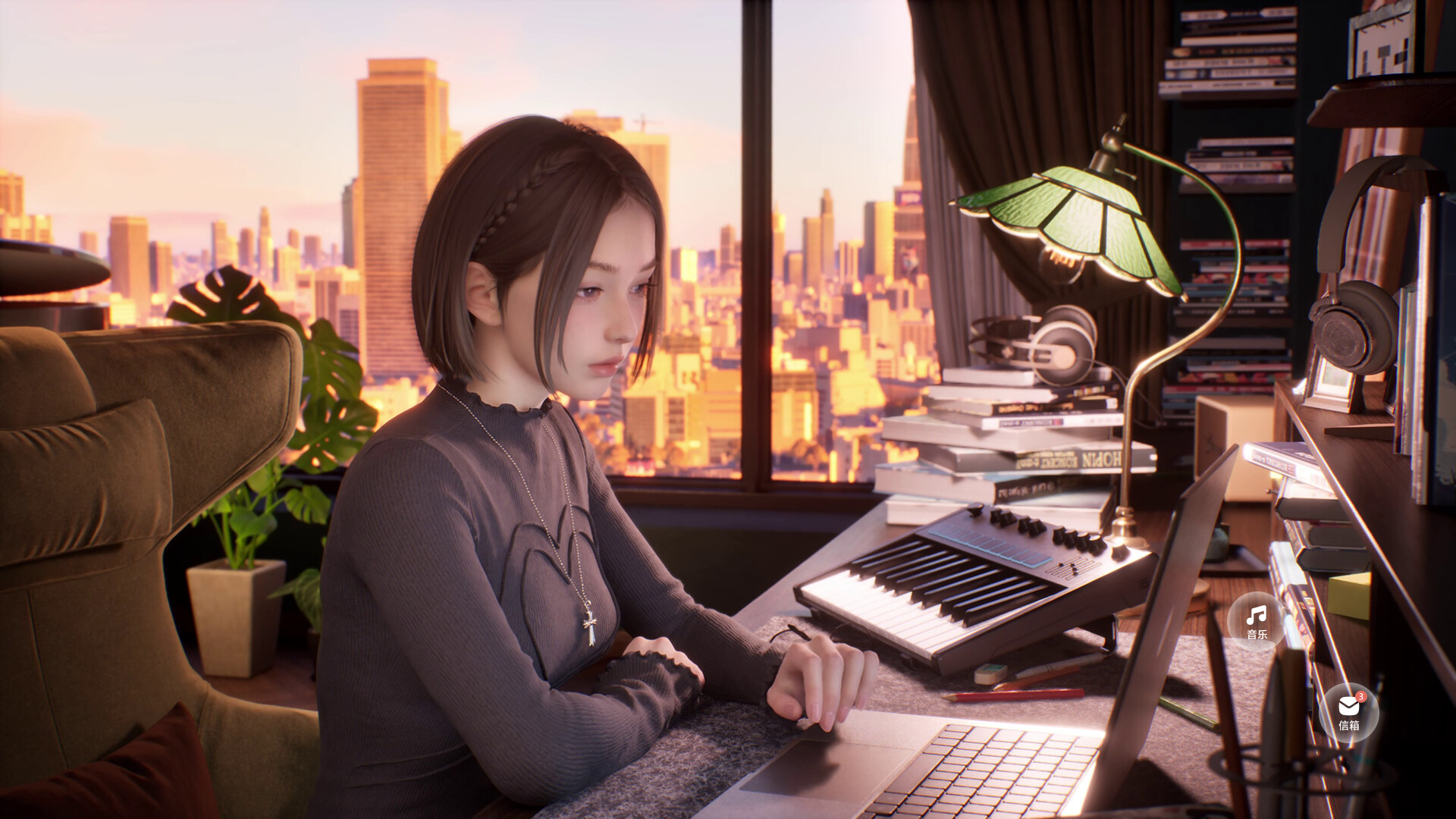
The most visible manifestation of this initiative is BSide: Olivia Lin, an AI-driven chatbot currently available on Steam in China. The project introduces users to "Lin Li," a simulated university student who is, by design, an intricate digital companion. The chatbot, which claims to major in piano and minor in psychology, is programmed with a persona that "loves vinyl records, old movies, and rainy days." Users can interact with the character by sending letters, engaging in text-based conversations, and even requesting specific piano performances—a demonstration of the studio’s ambition to move beyond static, pre-written dialogue trees.
A Chronology of Integration
The progression of miHoYo’s AI adoption has been swift, moving from internal research to consumer-facing applications in less than eighteen months:
- Early 2024: Industry analysts began noting a pivot in miHoYo’s recruitment strategy, with job listings specifically targeting artists and engineers with expertise in Generative AI.
- Mid-2024: The studio officially announced its intention to move toward an AI-centric development model, citing the need for greater efficiency in maintaining its live-service titles.
- Late 2024: The public unveiling of BSide: Olivia Lin provided the first concrete proof of the studio’s technical capabilities in Large Language Model (LLM) integration.
- Current Phase: Reports indicate that Petit Planet (a life-simulation game) and the upcoming Unreal Engine 5-powered MMO, Genesis, are already utilizing proprietary AI tools to handle NPC behavior and guide systems.
Supporting Data and Portfolio Expansion
The scale of miHoYo’s investment is best understood through the lens of its current output. The studio is not merely a developer of one hit game; it is managing a portfolio that demands constant, high-quality, and frequent content updates.
The Multi-Game Strategy
miHoYo is currently juggling at least four distinct projects, each in varying stages of development or active maintenance. The strain on traditional development pipelines is clear:
- Live Service Maintenance: Genshin Impact, Honkai: Star Rail, and Zenless Zone Zero require monthly updates.
- Petit Planet: An experimental life-sim heavily reliant on AI for its "Planet Life Guide" NPC.
- Genesis: An ambitious, large-scale open-world MMO that is rumored to lean heavily on AI for environment population and dynamic quests.
- Honkai: Nexus Anima: A Pokémon-like auto-battler that has already faced scrutiny for allegedly recruiting artists with experience in generative workflows.
The sheer volume of assets required for these games suggests that miHoYo is attempting to build a "closed-loop" AI ecosystem. By training its own models on its own art style, the studio can theoretically generate character concepts, background assets, and dialogue lines at a fraction of the cost and time required for human-led production.
Official Stances and Industry Implications
miHoYo has maintained a calculated silence regarding the ethical concerns raised by the creative community. In its official communications, the company frames the $14.6 billion investment as a "problem-solving" initiative. The phrasing suggests that the company views the current human-led development process as inefficient for the scale of projects it intends to produce over the next decade.
However, the industry response has been bifurcated. On one hand, investors are bullish; the ability to sustain a high-quality live service with reduced human overhead is seen as a key factor in maximizing profit margins. On the other hand, a vocal segment of the fanbase and the broader game development community has expressed deep concerns.
The reliance on AI in titles like Honkai: Nexus Anima has sparked fears of the "devaluation" of the unique, human-crafted aesthetics that defined Genshin Impact. Critics argue that generative AI, regardless of how well it mimics a style, lacks the "soul" or intentionality that has allowed miHoYo to build its current brand loyalty.
The Future: Implications for the Workforce
The broader implication for the gaming workforce is profound. As miHoYo deploys these tools, the role of the traditional artist and writer is likely to shift from "creator" to "curator." In this model, human employees spend less time drawing base assets or writing foundational dialogue and more time reviewing, refining, and "polishing" the output of the AI.
While this may prevent developer burnout in the short term, it raises questions about the future of entry-level roles. If AI is used to handle the foundational work—the "grunt work" traditionally assigned to junior developers and artists—the industry may lose the very training ground required to nurture the next generation of creative leads.
Furthermore, the legal and ethical landscape remains murky. By training AI on its own vast library of intellectual property, miHoYo is effectively creating a proprietary engine that could redefine what a "miHoYo game" looks and feels like. While this creates consistency, it also risks a form of creative stagnation, where the studio’s output becomes a reflection of its own past, filtered through the iterative logic of machine learning.
Conclusion
The $14.6 billion investment by miHoYo is not just a financial decision; it is a declaration of the future of the company. The shift toward AI-driven NPCs like those in BSide: Olivia Lin and Petit Planet signals that the studio is no longer content with being just a game developer. They are positioning themselves as a technology company that uses gaming as a testing ground for artificial intelligence.
Whether this move will lead to a new golden age of efficient, immersive content or result in a diluted creative vision remains to be seen. What is certain, however, is that as one of the most successful studios in the world, miHoYo’s experiment will serve as the blueprint for the rest of the industry. If they succeed in scaling their AI-integrated workflow, the global gaming landscape will be irrevocably transformed, shifting the power dynamic from human-driven artistry to algorithmically-assisted efficiency. The "wads of cash" are being spent, the tools are being built, and the digital landscape of the future is already being drafted—not by hand, but by code.

