

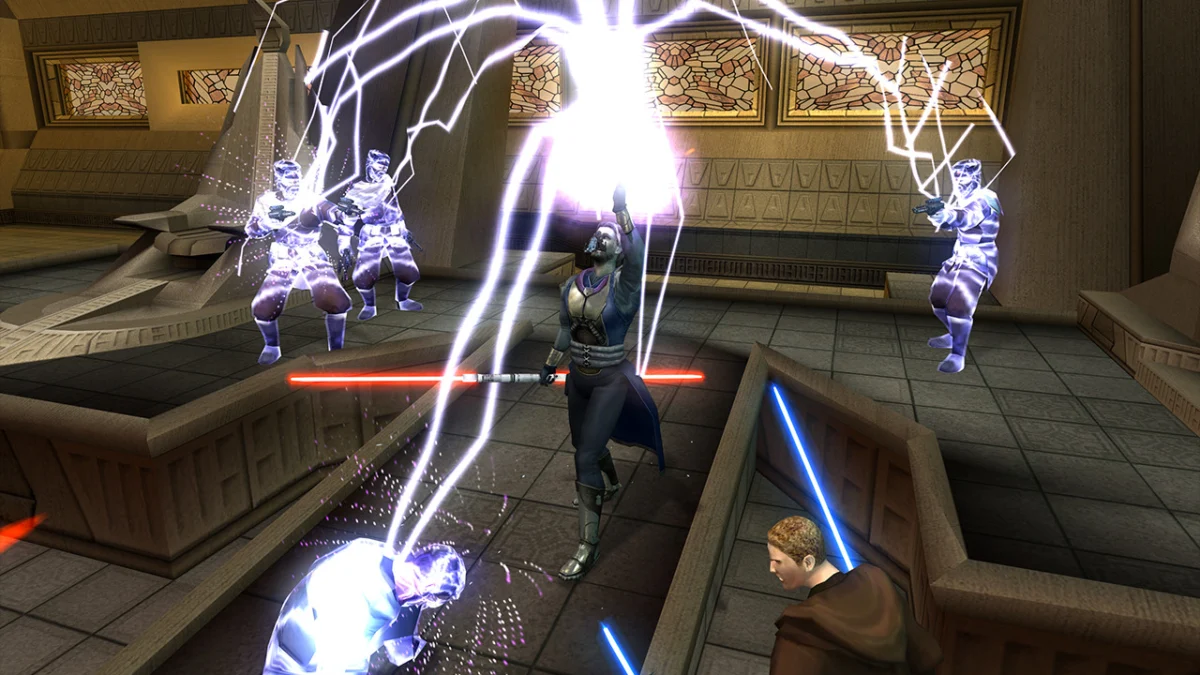
For over two decades, Obsidian Entertainment has occupied a singular, precarious position in the video game industry. It is a studio defined by its resilience, its deep bench of narrative talent, and a history of producing some of the most profound role-playing experiences ever committed to code. From the philosophical depths of Star Wars: Knights of the Old Republic II to the gritty, systemic brilliance of Fallout: New Vegas, Obsidian has consistently punched above its weight.
However, recent years have seen the studio grapple with a midlife crisis of sorts. Following its acquisition by Microsoft and the mixed reception of The Outer Worlds and Avowed, the studio finds itself at a crossroads. With reports circulating that Obsidian is returning to the Fallout franchise under the guidance of industry veteran Josh Sawyer, the question is not just whether they can make another hit—it is whether they can rediscover the "secret sauce" that once made them untouchable.
A Legacy Forged in Fire: The Obsidian Chronology
To understand Obsidian’s current trajectory, one must look at its origins. Born from the remnants of Black Isle Studios in 2004, the company was forged in a culture of creative ambition and financial instability.
- The Early Years (2004–2010): The studio’s debut, Knights of the Old Republic II, was rushed to market in just 15 months. Despite a buggy launch, it is now revered for its subversive, cynical take on the Force. This period established a pattern: Obsidian would take on massive IP, struggle against impossible deadlines, and deliver a narrative-heavy product that resonated deeply with hardcore RPG fans.
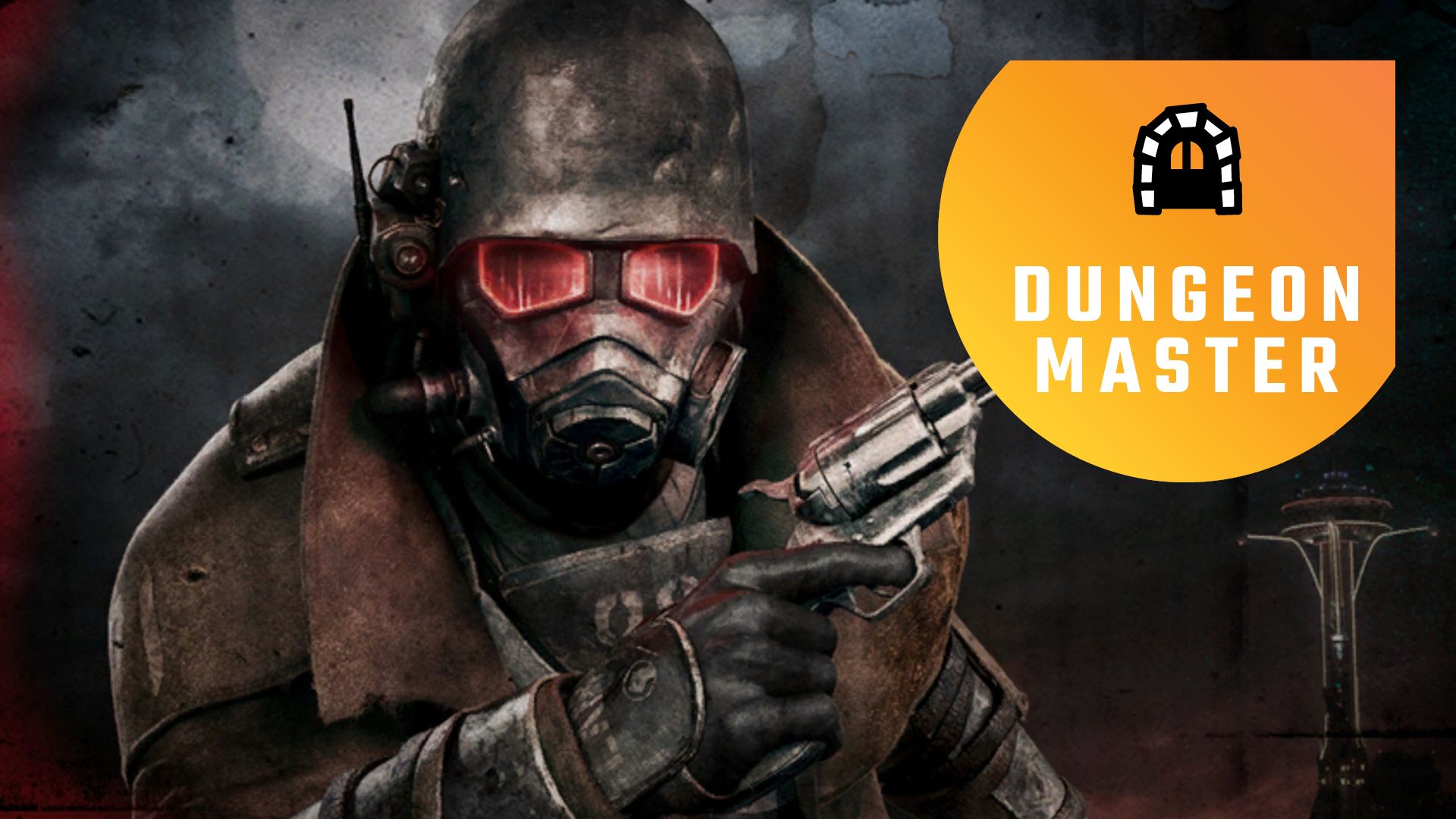
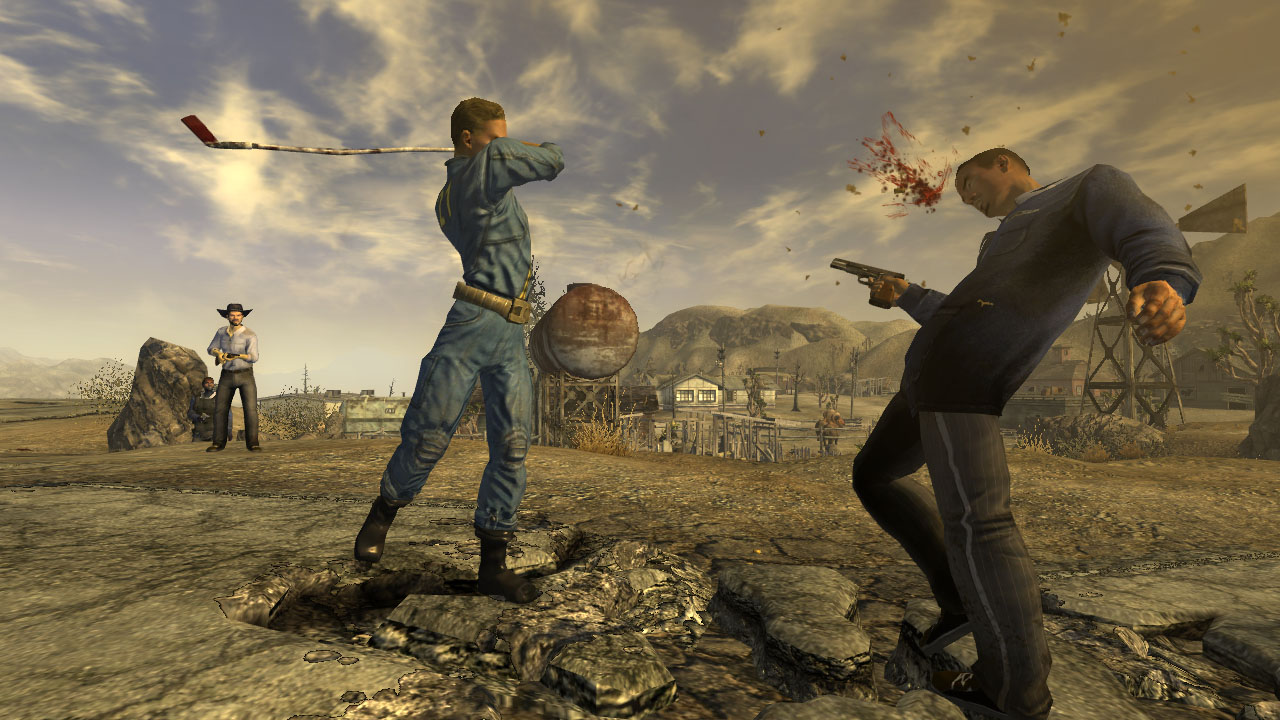
- The New Vegas Era: Released in 2010, Fallout: New Vegas remains the gold standard for modern 3D Fallout titles. Developed in just 18 months using Bethesda’s clunky Gamebryo engine, it was a technical disaster at launch. Yet, its writing, world-building, and faction-based reactivity were peerless, securing its place as an undisputed masterpiece.
- The Crowdfunding Renaissance (2012–2018): Facing potential bankruptcy, the studio turned to Kickstarter for Pillars of Eternity. It was a massive success, proving that the classic CRPG format was still commercially viable. However, while Pillars and its sequel, Deadfire, were critically acclaimed, they struggled to reach a wide audience, leading the studio to re-evaluate its design philosophy.
- The Microsoft Acquisition (2018–Present): In 2018, Microsoft purchased Obsidian. While this provided long-term security, it also coincided with a shift in creative output. The Outer Worlds felt like a "safe" attempt to recapture Fallout magic, and Avowed—a pivot from a proposed multiplayer epic to a smaller-scale fantasy RPG—struggled to find its own identity amidst inevitable comparisons to The Elder Scrolls.
The "Deadfire" Dilemma and the Search for Identity
The critical turning point for the modern iteration of the studio appears to be the commercial underperformance of Pillars of Eternity II: Deadfire. Josh Sawyer, one of the studio’s key creative pillars, famously described the Pillars games as the most "compromised" of his career, citing the difficulty of balancing fan nostalgia for the Infinity Engine era with modern design standards.
Following Deadfire, the studio seemingly lost its confidence. This lack of direction manifested in the mid-budget, somewhat conservative design of The Outer Worlds. While the game was a financial success, it lacked the "weirdness" and systemic depth that defined Obsidian’s earlier titles. It felt like a product that was trying to imitate the Obsidian brand rather than one that was breaking new ground.
Interestingly, the most successful titles under the Microsoft banner—Grounded and Pentiment—were departures from the studio’s traditional RPG formula. Pentiment, a historical narrative adventure, succeeded because it trusted the player’s intelligence, while Grounded succeeded through masterful world-building and emergent gameplay. These titles prove that the talent is still there; the challenge lies in applying that spark to the studio’s flagship RPG projects.

Supporting Data: Why "New Vegas 2" Matters
The discourse surrounding a potential Fallout: New Vegas sequel is not merely wishful thinking; it is a calculated bet on the studio’s core competencies.
- The "Uncanny Valley" of Design: The Outer Worlds and its sequel in development often suffer from being "almost" Fallout. By constantly existing in the shadow of their own most successful work, these games invited unfavorable comparisons. A direct return to the Fallout franchise removes the need for imitation.
- Institutional Knowledge: With key members of the original New Vegas team still present, Obsidian possesses a unique "cultural memory" of the Fallout world that Bethesda simply does not.
- The Engine Factor: Early criticisms of Obsidian often pointed to their struggle with Bethesda’s proprietary engines. However, years of working within Unreal Engine 5 have given the studio the technical polish they previously lacked. A new Fallout would benefit from this modernization without sacrificing the deep-branching narrative complexity that defined the original.
Implications of Industry Instability
It is impossible to discuss the future of Obsidian without addressing the broader context of the video game industry. The recent rounds of layoffs across Microsoft’s gaming divisions have been, by any metric, devastating.
For a studio that has built its reputation on being a "survivor" that thrives under pressure, this period of instability presents a grim irony. There is a narrative that Obsidian does its best work when the walls are closing in, but this is a dangerous and arguably dehumanizing myth. Creative excellence is not a byproduct of layoffs; it is a product of stable teams and nurtured talent. The loss of veteran staff following corporate restructuring is a tangible blow to the studio’s institutional depth.
If Obsidian is to succeed in its next chapter, it will have to do so in spite of the current corporate environment, not because of it. The challenge for leadership will be to protect the studio’s unique creative culture from the "homogenization" that often follows a massive acquisition.
The Path Forward: Can the Legend Reclaim Its Crown?
The skepticism regarding Obsidian’s recent output is well-founded, but the dismissal of their potential is premature. Obsidian has earned a level of "grace and faith" that few studios achieve. They are, at their core, a group of writers and designers who deeply understand the mechanics of choice and consequence.
If the reports regarding a new Fallout project led by Josh Sawyer are true, it represents the most logical, high-stakes move the studio could make. It is a return to a sandbox they helped build, using the refined technical expertise they have accumulated over the last decade.
The industry has changed, and so has the market for RPGs. With the massive success of Baldur’s Gate 3 proving that audiences are hungrier than ever for deep, reactive, and complex storytelling, the environment is primed for an Obsidian renaissance. Whether the studio can navigate its internal identity crisis and the external pressures of its parent company remains to be seen. However, history suggests that counting Obsidian out is a mistake. They have been written off before, and they have historically responded by changing the landscape of the genre once again.

