

Main Facts
The landscape of PC gaming has undergone a subtle yet profound paradigm shift. While multi-million-dollar blockbusters battle fiercely for consumer attention, an unexpected trend has taken root: the release of brand-new expansions, campaigns, and major content drops for games that are decades old. This movement, once viewed as mere fan-service or modder territory, has become a legitimate commercial strategy.
From The Witcher 3‘s newly announced Songs of the Past expansion to Quake‘s modern episodic additions and Nightdive Studios’ newly confirmed Thief campaign (The Tarnished Mirror), classic titles are refusing to yield the spotlight to contemporary releases.
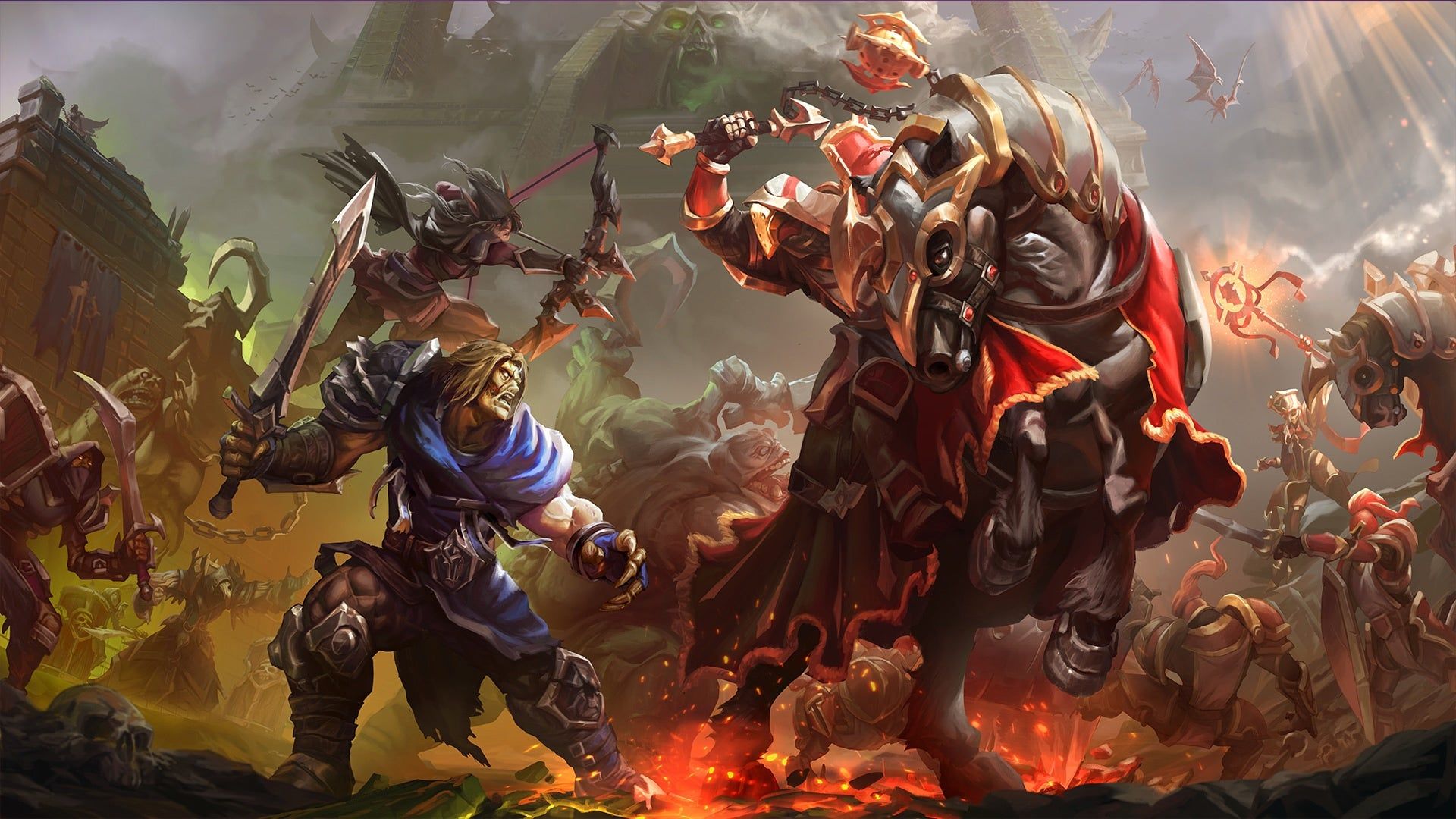
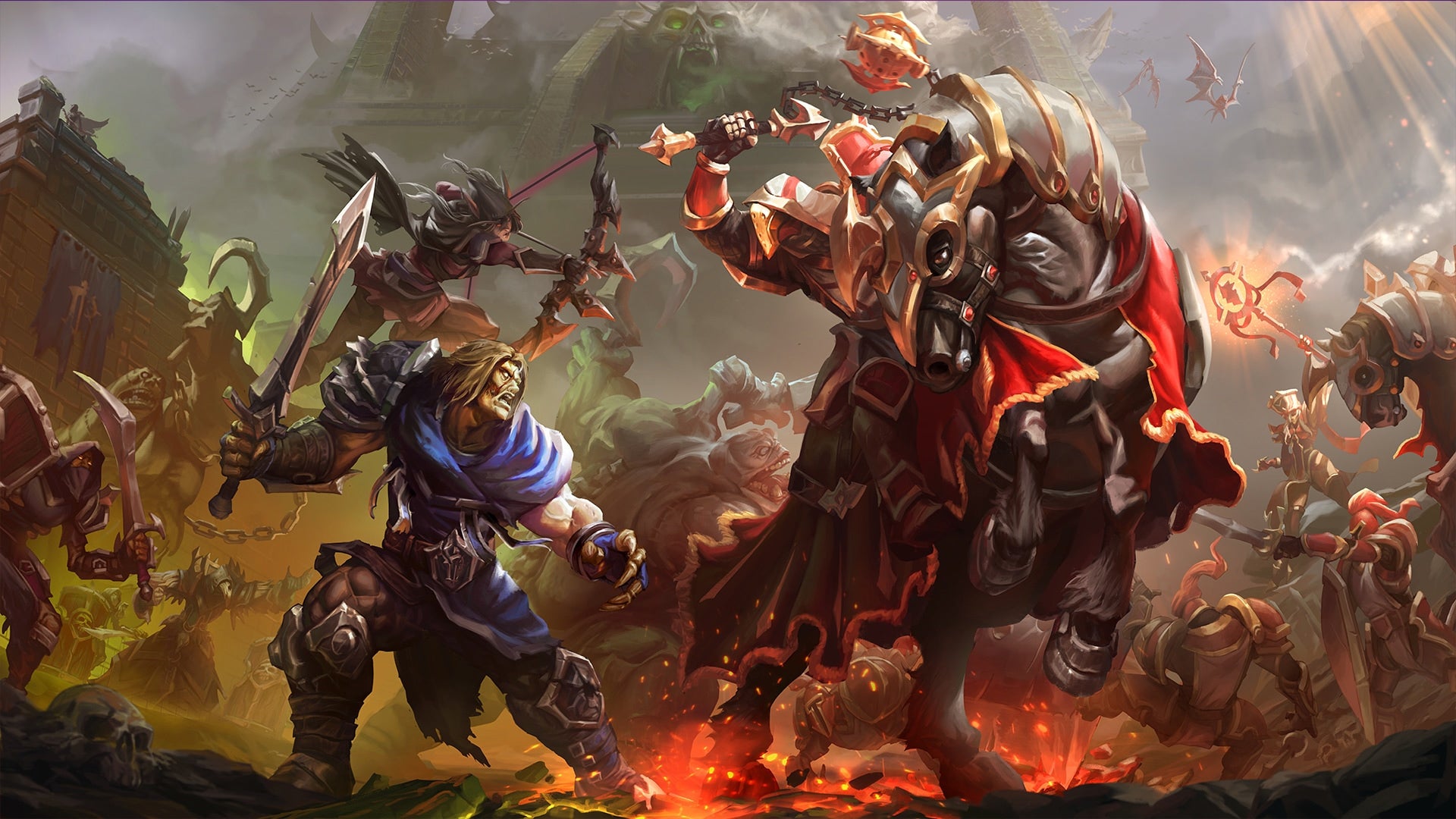
Nowhere is this trend more culturally significant—or more commercially viable—than in the real-time strategy (RTS) genre. The announcement of the Warcraft 3 Reforged: Forsaken Kingdom expansion has sent shockwaves through the community, marking the first official single-player campaign content for the foundational fantasy RTS in over two decades.
This development arrives at a critical juncture for the RTS genre. While modern attempts to revitalize the format—such as Company of Heroes 3, Homeworld 3, and Stormgate—have experienced mixed commercial performances and lukewarm critical reception, older stalwarts continue to command massive, dedicated playerbases. Microsoft’s Age of Empires 2 continues to dwarf the player counts of its newer successors, proving that when it comes to strategic command, players consistently look backward rather than forward.
Chronology of an Era: From Golden Age to Modern Nostalgia
To understand why belated expansions are suddenly viable, it is necessary to examine the cyclical history of the real-time strategy genre.
- The Late 1990s to Early 2000s (The Golden Age): The RTS genre ruled the PC gaming ecosystem. Landmark titles defined the space: Command & Conquer (1995), Total Annihilation (1997), StarCraft (1998), Age of Empires II (1999), Warcraft III: Reign of Chaos (2002), and Rise of Nations (2003). These games established deep tactical mechanics, memorable lore, and robust community map-making tools.
- The 2010s (The Genre Drought): As the industry shifted toward open-world RPGs, live-service shooters, and mobile gaming, traditional RTS development ground to a near-halt. Major publishers grew risk-averse, viewing the high-complexity, niche appeal of real-time strategy as a poor return on investment compared to mass-market multiplayer titles.
- The 2020s (The Remaster Wave & Modern Struggles): Realizing the enduring value of their intellectual property, publishers began greenlighting remasters. The Command & Conquer Remastered Collection (2020) proved that modernizing classic assets while preserving original code was a winning formula. However, attempts to launch brand-new, original RTS franchises in the mid-2020s frequently stumbled, highlighting a deep disconnect between what modern studios thought players wanted and what nostalgic core fans actually craved.
- Present Day (The Belated Expansion Era): With new franchise entries facing development hell, studio layoffs (such as those affecting Age of Empires steward World’s Edge), and shifting corporate priorities, publishers have begun embracing a new tactic: injecting fresh, official content directly into timeless classics. The arrival of Warcraft 3 Reforged: Forsaken Kingdom signals a turning point where old games receive new life instead of being left to wither under the weight of botched remasters.
Supporting Data and Market Insights
The financial and community metrics surrounding retro-RTS games provide a compelling narrative for why publishers should invest in old codebases rather than gamble on unproven intellectual properties:
- Sales Performance: Remasters and definitive editions continue to punch well above their weight class. For instance, Relic Entertainment’s Dawn of War: Definitive Edition quietly surpassed 750,000 copies sold following its release at a budget-friendly $30 price point—complete with loyalty discounts for owners of the original titles.
- Player Retention: Data from community trackers and platform statistics consistently show that legacy entries outpace their sequels. Age of Empires 2 regularly maintains a vastly superior active player base compared to Age of Empires IV, illustrating a high barrier of loyalty among veteran digital generals.
- The Modding Ecosystem: Long-standing passion projects, such as the Command & Conquer: Combined Arms mod, demonstrate that the appetite for new units, factions, and campaigns remains insatiable. Millions of hours are still poured into fan-made expansions for games like StarCraft: Brood War and Star Wars: Empire at War.
- Development Economics: Creating a brand-new RTS from scratch requires massive expenditures in pathfinding AI, balance testing, netcode engineering, and asset creation. Conversely, building a targeted expansion pack or campaign DLC atop an existing, stable engine significantly lowers financial risk while offering guaranteed monetization through built-in nostalgic audiences.
Official Responses and Industry Reactions
The strategic pivot toward retro-content updates has drawn diverse reactions from developers, publishers, and industry veterans alike.
While major corporations like Microsoft and EA have historically treated their classic catalogues with passive neglect, the commercial success of targeted updates has forced a re-evaluation. Microsoft’s years-long support for the Age of Empires Definitive editions set the gold standard for how to maintain community engagement through steady updates, civilisations, and historical scenarios.
However, corporate volatility remains a constant threat. Recent industry restructuring—including significant layoffs at Xbox and the shuffling of internal studios—underscores the precarious nature of strategy game development. When specialized internal teams face contraction, relying on low-risk, high-reward content drops for legacy libraries becomes an attractive financial lifeline for publishers looking to appease shareholders without greenlighting multi-year, high-risk greenfield projects.
Community sentiment, meanwhile, has been overwhelmingly receptive. On forums, subreddits, and Discord channels dedicated to classic strategy games, the announcement of official new campaigns for titles like Warcraft 3 is viewed not as a cash grab, but as a long-overdue validation of enduring fandom. Players who grew up managing base-building queues and micro-managing hero units in the early 2000s are now adults with disposable income, eager to return to familiar digital battlefields if the content quality justifies the ticket price.
Implications for the Future of Strategy Gaming
The trend of releasing new expansions for decades-old real-time strategy titles carries profound implications for the industry at large:
- Redefining the Product Lifecycle: Video games are no longer bound by a traditional lifecycle of launch, expansion, and obsolescence. Classics are now treated as permanent platforms, akin to tabletop games or long-running literary franchises, where new chapters can be appended years or even decades later.
- A Blueprint for Forgotten Franchises: The success of these initiatives may finally pressure dormant rights-holders—such as Electronic Arts regarding Red Alert 2 and Generals, or modern stakeholders overseeing properties like Rise of Nations, Supreme Commander, and Dune 2—to dust off their old source codes. A modestly priced mission pack and an extra faction could easily revitalize titles that currently sit dormant in millions of digital libraries.
- Risk Mitigation in a Risk-Averse Market: As development costs skyrocket and studio closures mount, investing in fresh content for proven platforms offers a sustainable path forward. It allows developers to flex their creative muscles without risking the financial ruin associated with a failed high-budget AAA launch.
- The "Dadcore" Demographic: Ultimately, the RTS genre occupies a unique cultural space. Its core audience consists of veteran gamers who value depth, deliberate pacing, and complex tactical macro-management over twitch reflexes. By leaning into this demographic’s appetite for nostalgia, developers are proving that looking backward isn’t a sign of creative bankruptcy—it’s a smart, sustainable path forward.

