

By Global Gaming Industry Desk
Published: October 2026
Main Facts: The Scale of Microsoft’s Gaming Overhaul
Microsoft’s gaming division, anchored by Xbox and overseen by its new corporate leadership, is enduring the most turbulent, aggressive restructuring phase in its corporate history. Over the span of 2026, the company has slashed thousands of positions, consolidated storied internal development houses, and shifted major intellectual properties (IP) between publishing banners.
The strategy, internally framed as a corporate "reset," has been spearheaded by Xbox CEO Asha Sharma. The restructuring wave initially claimed roughly 3,200 positions earlier in the year, accompanied by the abrupt closure or downsizing of four prominent studios. This downward pressure continued into the autumn, with an additional 268 layoffs announced alongside sweeping administrative maneuvers: Obsidian Entertainment was systematically merged into Bethesda, the crown jewel Halo franchise was handed over to Activision Blizzard, and long-standing development teams like Double Fine, Compulsion Games, and Undead Labs (creators of State of Decay) were quietly phased out or downsized. Furthermore, industry tracking indicates that Hellblade developer Ninja Theory faces an imminent closure.
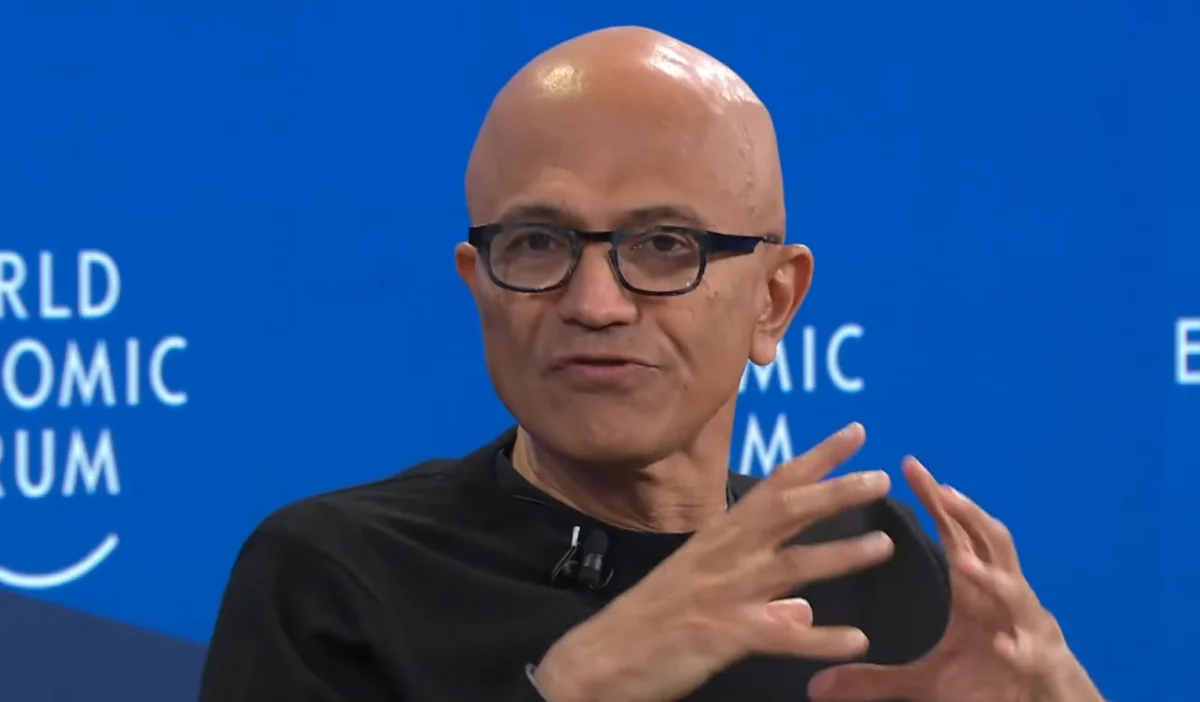
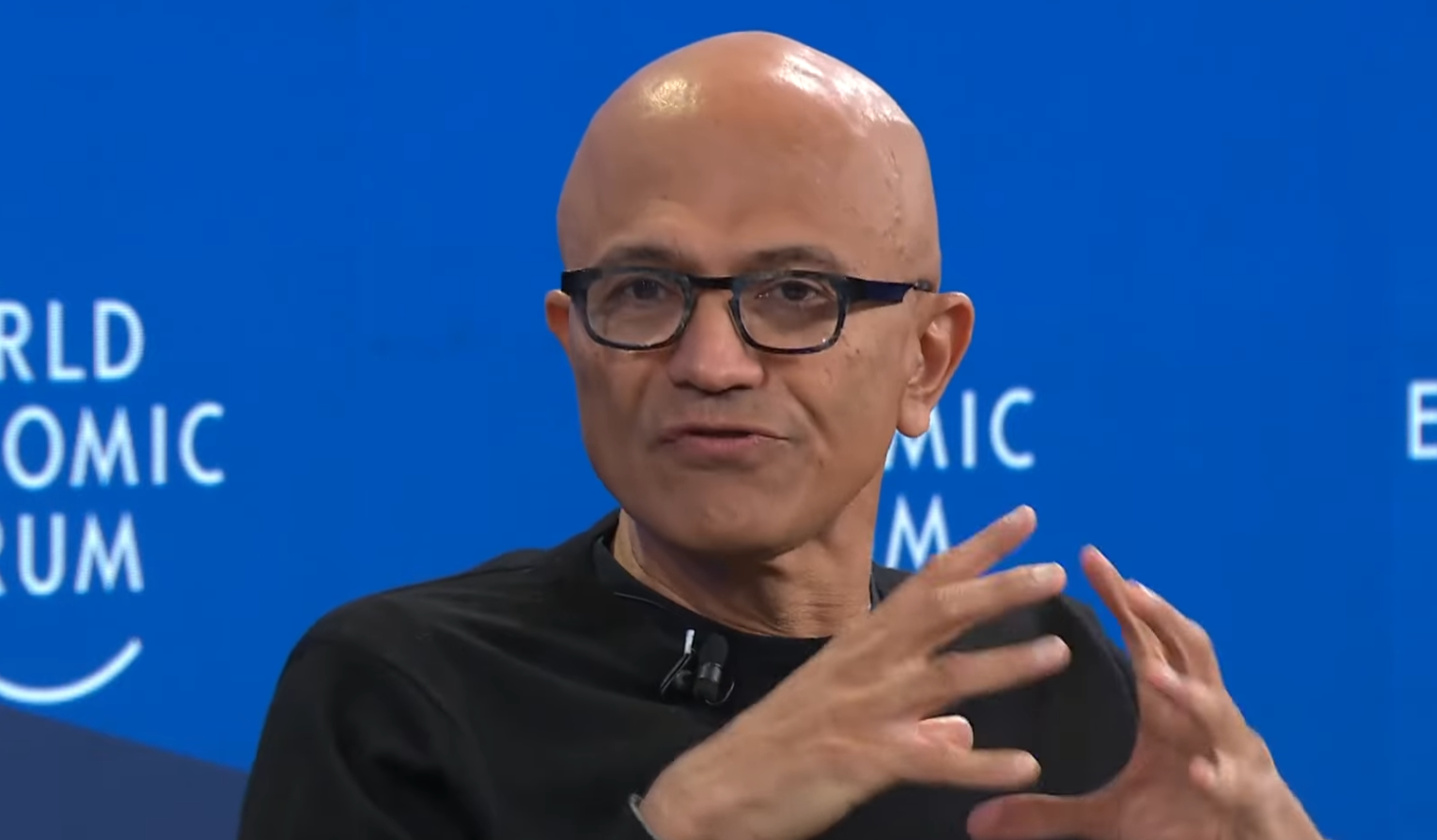
Despite widespread outcry from players, developers, and industry analysts, Microsoft Chief Executive Officer Satya Nadella has publicly endorsed the aggressive streamlining. Speaking recently on the Sources Podcast with Alex Heath, Nadella championed Sharma’s leadership and characterized the sweeping job cuts and studio consolidation as necessary steps toward long-term operational efficiency.
While executive leadership points to a formidable portfolio of intellectual property and a forecasted return to growth by the next fiscal year, labor advocates and development veterans have criticized the methodology. Critics point to a paradoxical business approach: dismantling historical creative infrastructure before fully establishing the sustainable economic model meant to replace it. With Xbox Chief Creator Officer Matt Booty confirming that the company is currently "three-quarters of the way through" its planned restructuring phase, the gaming industry remains on edge, awaiting the final chapter of Microsoft’s systemic corporate pivot.
Chronology of a Corporate Pivot: How Xbox Reached the "Reset"
To understand the current state of Xbox, one must trace the timeline of aggressive expansion followed by sudden, drastic contraction.
The Era of Hyper-Acquisition (2018–2023)
For half a decade, Microsoft positioned itself as an unstoppable juggernaut in the interactive entertainment space. Backed by the immense capital of its parent company, Xbox embarked on a historic spending spree. The strategy began with the steady acquisition of mid-to-large-scale developers under the Xbox Game Studios banner, including Ninja Theory, Obsidian Entertainment, InXile, and Compulsion Games.
The ambitions escalated dramatically with multi-billion-dollar megadeals. Microsoft absorbed ZeniMax Media (parent company of Bethesda Softworks) for $7.5 billion in 2021, instantly claiming franchises like The Elder Scrolls, Fallout, and Doom. This was swiftly followed by the monumental $68.7 billion acquisition of Activision Blizzard King, finalized in late 2023. Through these transactions, Microsoft amassed one of the most powerful portfolios of intellectual property in media history, encompassing Call of Duty, Warcraft, Diablo, Overwatch, and Crash Bandicoot, alongside legacy Xbox pillars like Halo, Gears of War, and Forza.
The Shift Toward Multiplatform and Cost Containment (2024–2025)
As the bills came due and macroeconomic pressures shifted across the technology sector, the financial realities of supporting massive studio ecosystems became apparent. Xbox Game Pass—the subscription service touted as the ultimate value proposition for gamers—faced the challenge of balancing day-one AAA releases with sustainable long-term revenue.
By 2024, cracks in the traditional console-exclusive model began to show. Xbox initiated a strategy of porting select first-party titles to rival platforms like PlayStation and Nintendo Switch, signaling that hardware sales alone were no longer the primary metric of success. However, cost-cutting measures quickly overshadowed these strategic pivots. Rumors of internal discontent metastasized into reality as executive shuffles took place, culminating in the departure of legacy leadership figures and the installation of Asha Sharma as the new head of Xbox.
The 2026 "Reset" and Structural Consolidation
The calendar year 2026 marked the implementation of the radical "reset." Under Sharma’s watch, the philosophy shifted from empire-building to aggressive pruning.
- Q1 2026: Microsoft announced a massive reduction in workforce, cutting approximately 3,200 jobs across its gaming divisions and effectively mothballing or selling off four smaller developmental entities.
- Mid-2026: Studio boundaries dissolved. Obsidian Entertainment—once praised for maintaining its distinct creative identity after joining Microsoft—was structurally folded under the Bethesda umbrella. In a move that stunned legacy fans, oversight of the Halo franchise was transferred away from 343 Industries (now rebranded or absorbed) into the machinery of Activision.
- September 2026: An additional 268 employees were let go as part of an ongoing restructuring phase. Xbox leadership confirmed that the enterprise was approximately "three-quarters of the way through" its intended overhaul, leaving remaining studios bracing for further announcements.
Supporting Data: Numbers Behind the Layoffs and Reorganizations
The human and corporate toll of Microsoft’s 2026 gaming realignment can be quantified through a series of stark metrics:
- Total Layoffs (2026): Approximately 3,468 positions eliminated across two major waves (3,200 in the initial phase, followed by 268 in the autumn update).
- Studio Consolidation Impact:
- Obsidian Entertainment: Stripped of independent publishing autonomy and merged into Bethesda Softworks.
- The Halo Franchise: Transferred to Activision’s operational oversight.
- Development Houses Impacted: Double Fine, Compulsion Games, Undead Labs, and Ninja Theory facing closure, downsizing, or severe resource contraction.
- Acquisition Capital Invested (Historical Context):
- ZeniMax Media: $7.5 billion (2021)
- Activision Blizzard King: $68.7 billion (2023)
- Restructuring Progress: According to Xbox Chief Creator Officer Matt Booty, the company is currently 75% finished with its publicly announced reset, indicating that further adjustments are slated for the upcoming fiscal quarters.
Official Responses: Satya Nadella and Xbox Leadership Speak Out
The corporate defense of these sweeping actions has leaned heavily on modern tech-sector vernacular: streamlining, efficiency, and portfolio optimization.
When questioned about the turmoil on the Sources Podcast, Microsoft CEO Satya Nadella offered a bullish assessment of the brand’s creative assets while validating Sharma’s aggressive cuts.
"I feel fantastic about the IP we have right now," Nadella stated during the interview. "If I look at the studios, the IP portfolio we have, and our ability to then take that and produce great games going forward, I feel fantastic."
Addressing the layoffs and structural alterations directly, Nadella compared the internal reshaping of Xbox to engineering high-performance machinery, praising the operational contraction as a form of necessary refinement:
"There’s some amount of streamlining the team is doing, and Asha is doing, which is great to see."
Nadella elaborated on Microsoft’s long-term vision for the gaming vertical, emphasizing a dual-track approach to publishing and platform presence:
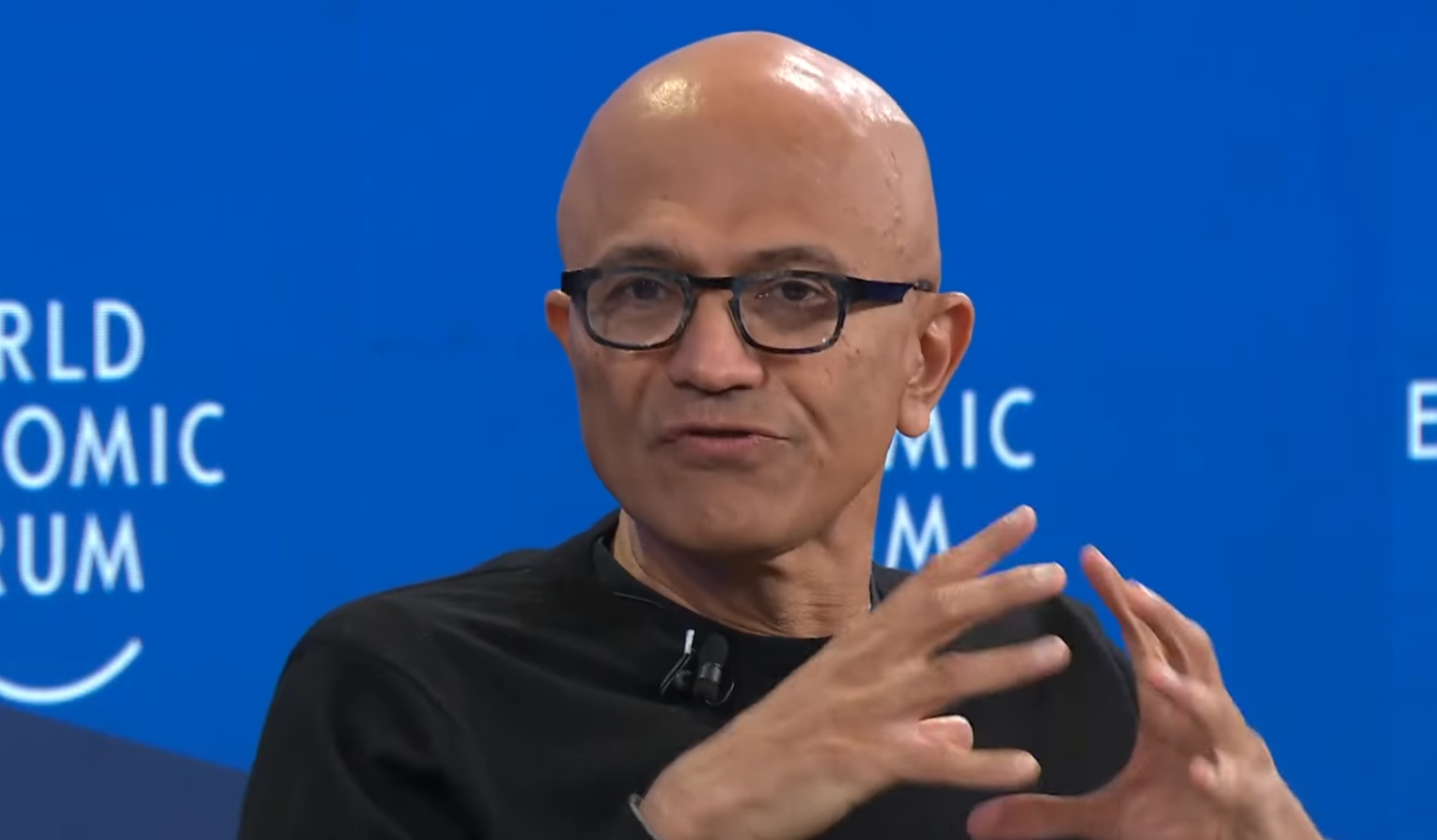
"Then we have to invent the right sustainable business model that allows us to deliver gaming to more and more people. That has always been the goal, which is, we want to be a great publisher and a great platform provider to games across both PC and Xboxes. And so that is sort of our goal. And I think Asha and the team have said that Xbox is going to get growth in the next fiscal year."
This sentiment echoes public statements made by Xbox CEO Asha Sharma, who defended the restructuring strategy with the corporate maxim: "Great technology gets better when it gets simpler, not bigger." Meanwhile, Chief Creator Officer Matt Booty reinforced that the administrative pain is purposeful, noting in an internal memo that the division is navigating the final legs of its multi-phase operational reset.
Implications: What the Xbox "Reset" Means for the Future of Gaming
The cascading effects of Microsoft’s strategy extend far beyond the balance sheets of Redmond, Washington. They signal a profound philosophical shift in how mega-corporations manage creative industries.
1. The Perils of Mega-Consolidation
The trajectory of Xbox over the past eight years serves as a cautionary tale regarding corporate agglomeration. By spending billions to acquire virtually every major independent RPG and shooter studio in the Western market, Microsoft created a monolith too complex and expensive to maintain under traditional gaming margins. The subsequent layoffs and studio absorptions demonstrate that even the world’s most valuable technology company is unwilling to indefinitely subsidize massive, sprawling creative workforces when macroeconomic conditions tighten.
2. The Mechanics of Creative Burnout and Brain Drain
When historical studios like Obsidian are absorbed into larger corporate structures, and teams behind critically acclaimed narrative titles face sudden restructuring, the immediate casualty is institutional knowledge. Veteran developers, writers, and technical directors frequently leave the industry entirely during mass layoffs. The decision to pass flagship franchises like Halo to new corporate hands under unfamiliar management risks alienating the core fanbase that built the platform’s prestige over two decades.
3. Putting the Cart Before the Horse
Perhaps the most troubling implication of Nadella and Sharma’s statements is the apparent sequence of events. Critics have frequently noted that Microsoft is dismantling existing infrastructure, closing studios, and shedding talent before finalizing the sustainable business model required to run them. As industry commentators have dryly observed, ripping the wings off an aircraft before figuring out how to navigate the globe encapsulates the high-risk nature of the current strategy.
4. The Path to Fiscal 2027 and Beyond
As Xbox enters the final 25% of its announced reset, the pressure on Asha Sharma and her leadership team is absolute. Wall Street and Microsoft’s board of directors expect clear financial growth in the upcoming fiscal year. Whether that growth will be achieved through leaner, more profitable software sales across PC, Xbox, and competitor hardware—or whether it will be remembered as a period of profound cultural and creative erosion—remains the defining question for the brand’s future. For now, the global gaming community watches, waits, and hopes that the remaining talent within Microsoft’s remaining studios can weather the storm.

