

Main Facts
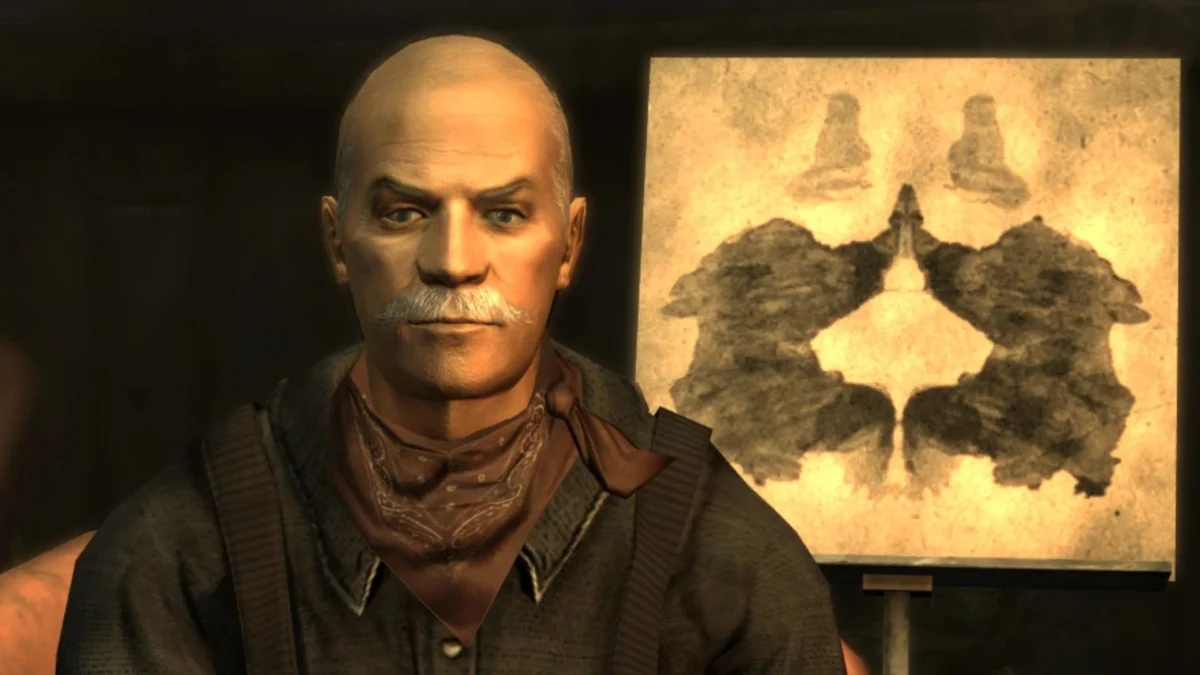
Nearly a decade and a half after its release, Fallout: New Vegas remains a towering benchmark in the role-playing game genre. Developed by Obsidian Entertainment and published by Bethesda Softworks in 2010, the spin-off is frequently cited by hardcore RPG enthusiasts as the absolute pinnacle of modern Fallout storytelling, world-building, and player choice.
However, its enduring legacy also created an unintended byproduct: a persistent online culture war pitting Bethesda against Obsidian, and Todd Howard against the wider gaming community. This dynamic, according to former Bethesda designer Kurt Kuhlmann, is the primary reason The Elder Scrolls has never received a similar third-party spin-off.
Speaking on the FRVR Podcast, Kuhlmann shed light on the inner workings of Bethesda Game Studios, explaining that studio director Todd Howard is fiercely protective of The Elder Scrolls intellectual property. The polarizing community narrative of "Bethesda doesn’t know how to make a Fallout game, give it back to Obsidian" is a situation leadership has actively sought to avoid replicating for Tamriel.
Instead of farming out single-player mainline spin-offs, Bethesda opted to expand the universe via The Elder Scrolls Online (ESO), an ongoing massively multiplayer online role-playing game developed by ZeniMax Online Studios. According to Kuhlmann, ESO successfully diverted the pressure for new content, creating a distinct and dedicated player base while allowing Bethesda Game Studios to keep The Elder Scrolls VI close to its chest.
Chronology of Events and Franchise Evolution
To understand why The Elder Scrolls never received a New Vegas-style treatment, it is essential to trace the timelines of both major Bethesda franchises over the last two decades.
- 2002: Bethesda releases The Elder Scrolls III: Morrowind, which revitalizes the company and establishes its modern open-world blueprint.
- 2006: The Elder Scrolls IV: Oblivion launches to immense critical and commercial success, cementing Bethesda as a titan of Western RPGs.
- 2008: Bethesda releases Fallout 3, successfully transitioning the classic isometric post-apocalyptic franchise into a first-person open-world format.
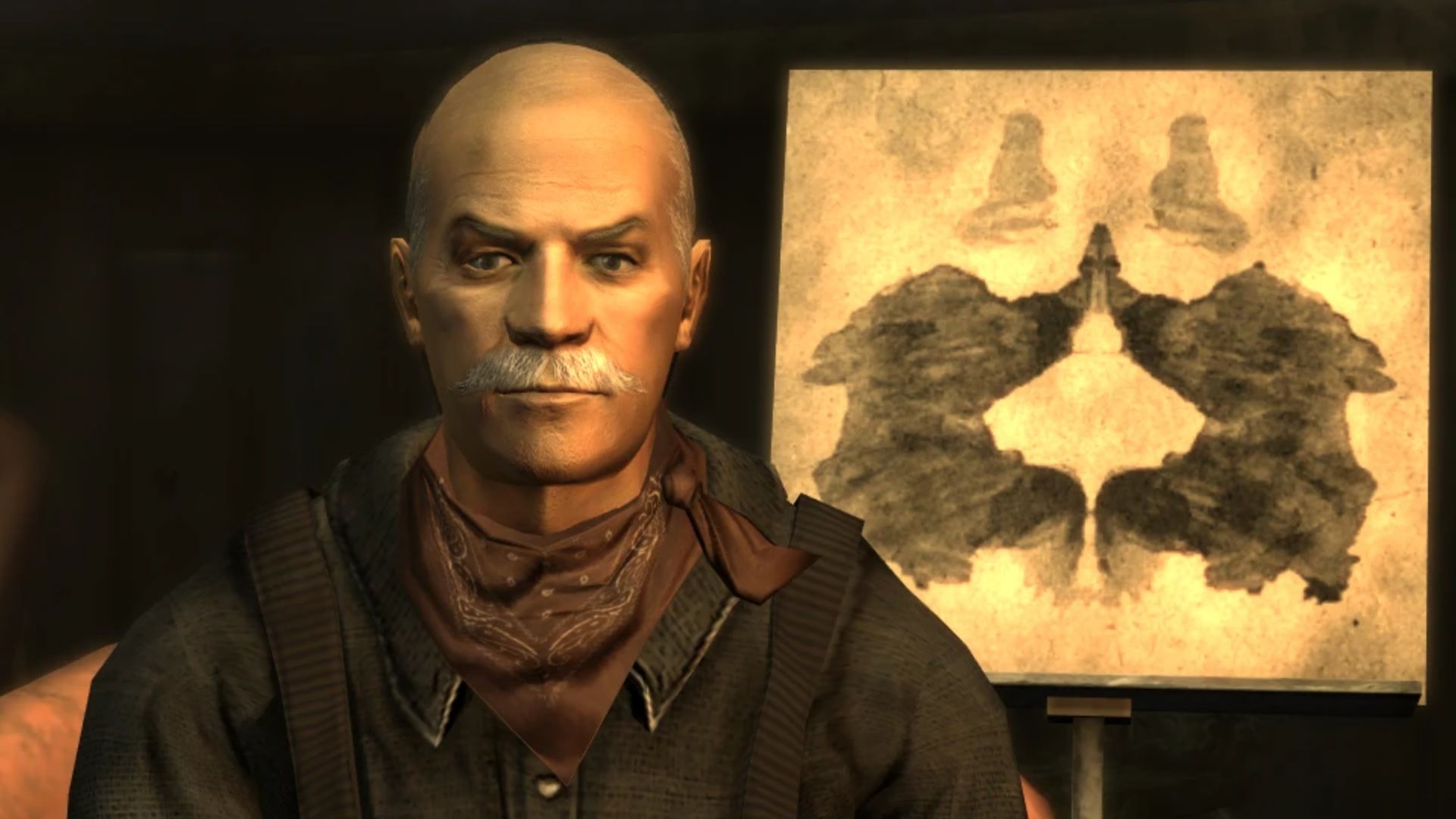
- 2010: Obsidian Entertainment—founded by many veterans of Black Isle Studios, the original creators of Fallout—releases Fallout: New Vegas. Built on the framework of Fallout 3 in just 18 months, the game wins critical acclaim for its writing, faction systems, and branching narratives, though it is initially plagued by bugs.
- 2011: Bethesda releases The Elder Scrolls V: Skyrim, becoming a cultural phenomenon that defines the decade in gaming.
- 2014: The Elder Scrolls Online launches, providing a continuous stream of content in Tamriel and shifting the weight of franchise output away from single-player bottlenecks.
- 2015–2023: Fallout 4, Fallout 76, and Starfield are released, while The Elder Scrolls VI remains in early development, fueling fan speculation and comparisons between Bethesda’s in-house design philosophy and Obsidian’s storytelling sensibilities.
Supporting Data and Industry Context
The relationship between Bethesda and Obsidian is frequently romanticized by fans as a cooperative partnership, but industry realities are far more complex. Fallout: New Vegas was born out of a unique contractual arrangement. Obsidian was contracted by Bethesda to build a game utilizing the Fallout 3 engine and assets.
While the game was a critical darling, infamous reports surfaced regarding a Metacritic score clause in Obsidian’s contract: New Vegas scored an 84 on Metacritic, missing the required 85 threshold to trigger a lucrative bonus payout from Bethesda. Though both companies have repeatedly downplayed any long-term animosity, the incident poured fuel on an already combustible fan base.
Furthermore, the gaming landscape has experienced massive structural shifts regarding studio autonomy and corporate consolidation. Microsoft’s acquisition of ZeniMax Media (Bethesda’s parent company) in 2021 brought both Bethesda Softworks and Obsidian Entertainment under the same corporate umbrella—Xbox Game Studios.
Despite this corporate unification, the stark contrast in how both studios operate remains visible. While Obsidian is currently juggling multiple projects, including Avowed and the highly anticipated The Outer Worlds 2, fans have continued to clamor for a return to the Wasteland. Ironically, recent developments have seen Obsidian return to the Fallout umbrella under Microsoft, though industry observers note that the climate of rampant layoffs and studio closures across the tech sector casts a long shadow over modern game development.
Official Responses and Perspectives
Kurt Kuhlmann’s revelations on the FRVR Podcast offer a rare, candid look into the psychological and strategic pressures faced by AAA studio leadership.
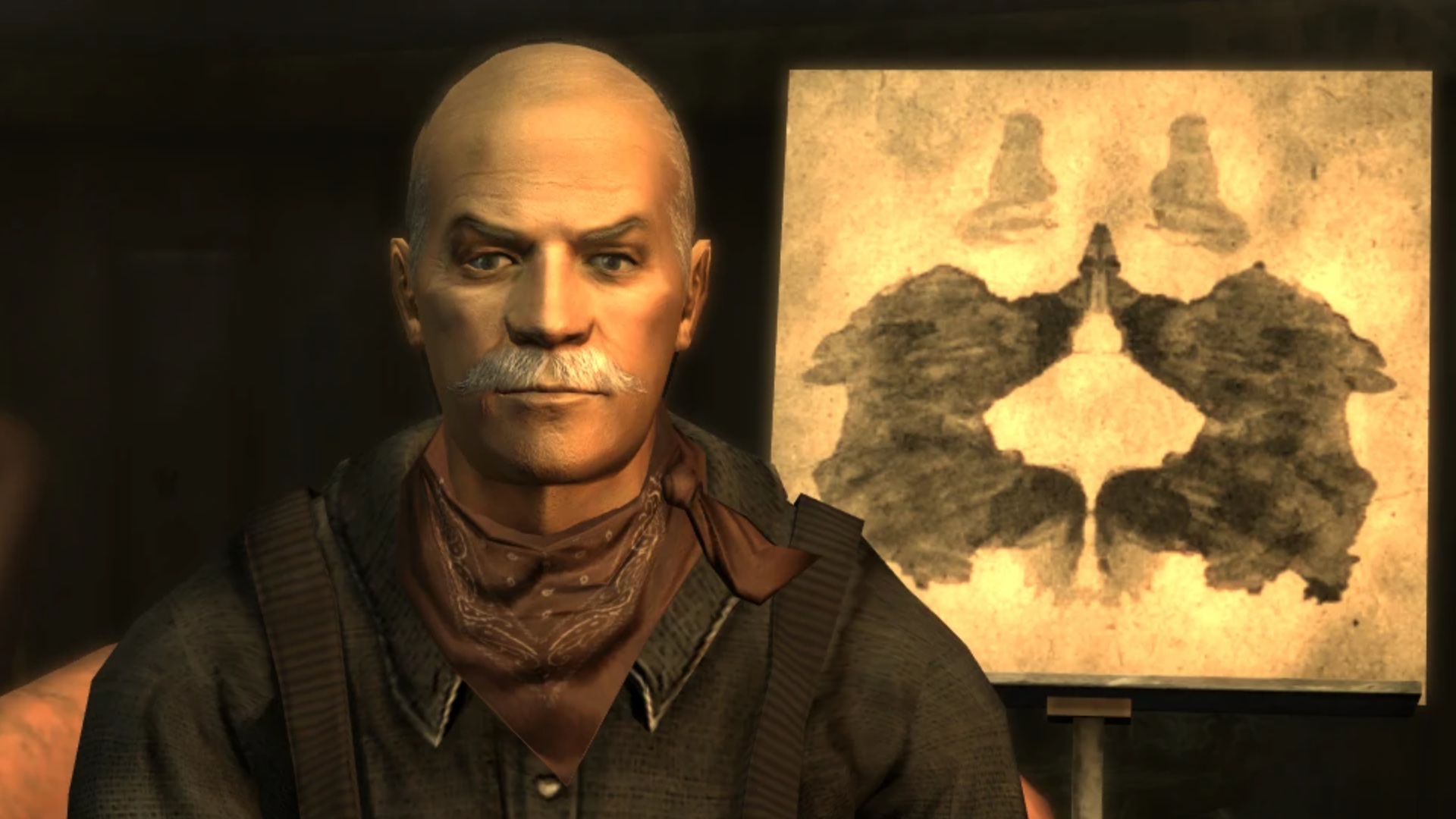
"The whole New Vegas thing did create at least the perception of this, ‘Who makes a better Fallout game? Oh, they should just give it to Obsidian,’" Kuhlmann explained. "There are the Obsidian, New Vegas people that think ‘Obviously New Vegas is way better, Obsidian is way better at making those games, and why don’t they just get Fallout altogether.’"
Kuhlmann noted that Todd Howard’s protective stance over The Elder Scrolls was a natural reaction to this phenomenon. Rather than inviting external comparisons that could alienate in-house developers or fracture the community’s perception of the brand, Bethesda chose to maintain tight creative control.
At the same time, Kuhlmann pointed out that The Elder Scrolls Online acted as an effective pressure-relief valve. "There are a lot of people to whom The Elder Scrolls is now ESO," he said. "That’s their experience with it. That’s what they love. That’s where they got their Elder Scrolls gaming experience, and that’s probably what they want more of."
Industry analysts and critics have often scrutinized Bethesda’s development cadence—particularly the long gaps between mainline single-player releases. However, insiders who have interacted with senior Bethesda developers emphasize that the studio maintains a deep pride in its internal engine, systems design, and world-building methodologies, viewing external studio comparisons not as constructive critique, but as unwarranted friction driven by online echo chambers.
Broader Implications for the RPG Genre
The decision by Bethesda to keep The Elder Scrolls strictly in-house carries significant implications for the future of the single-player RPG genre.

1. The Monopolization of Creative Vision
By guarding the IP so strictly, Bethesda ensures that The Elder Scrolls retains a singular, cohesive artistic vision from game to game. However, it also means players must wait unprecedented lengths of time—often spanning multiple console generations—between entries. With The Elder Scrolls VI announced in 2018 and still years away from a comprehensive reveal, the absence of intermediate spin-offs leaves massive multi-year voids in the franchise’s lifecycle.
2. The Toxicity of Fan Discourse
The "Bethesda vs. Obsidian" dichotomy highlights a broader issue within modern gaming culture: the tendency to pit creative teams against one another in zero-sum community wars. This polarization can take a heavy toll on developers, leading to defensive corporate communication strategies and a reluctance to take creative risks or collaborate with external studios.
3. The Changing Role of MMOs in Franchise Longevity
Bethesda’s strategy with The Elder Scrolls Online proves that live-service and MMO spin-offs can successfully sustain a franchise’s cultural footprint during prolonged dry spells for single-player content. As development cycles for AAA games stretch past the five-to-seven-year mark, keeping legacy brands active through ongoing multiplayer ecosystems may become a mandatory playbook for major publishers.
Ultimately, while fans may forever wonder what an Obsidian-developed Elder Scrolls set in Elsweyr or Valenwood might look like, Bethesda’s commitment to self-reliance ensures that Tamriel will remain entirely—and unapologetically—Todd Howard’s vision.

