

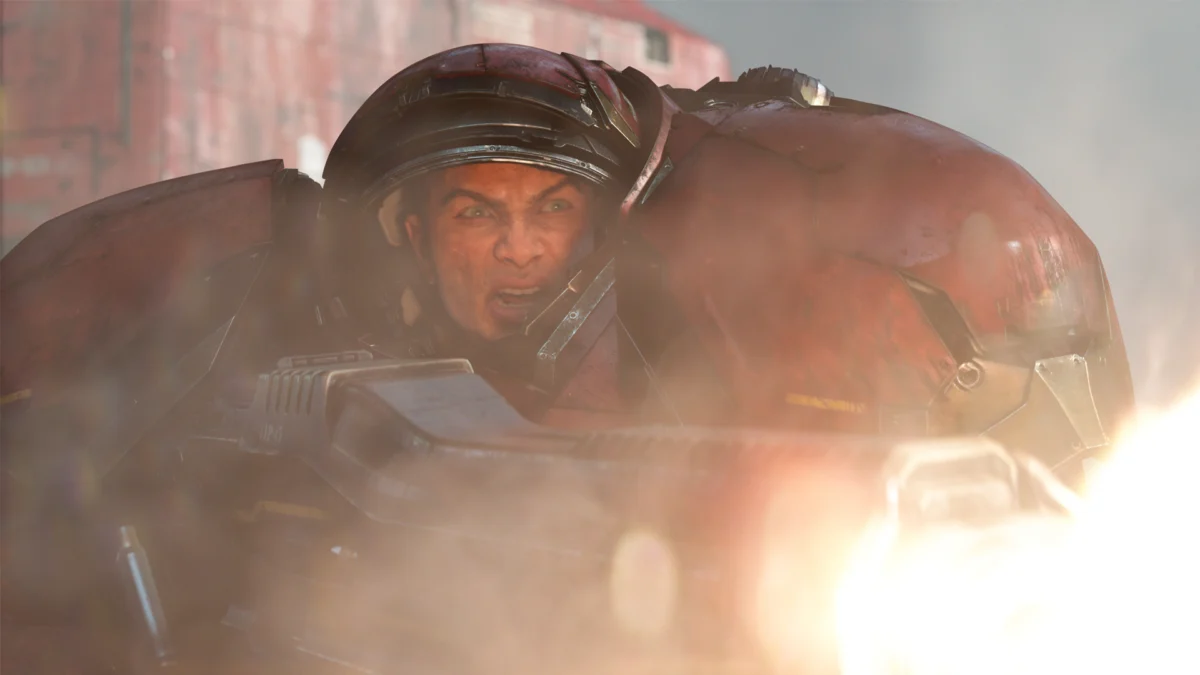
After nearly a decade of silence, the StarCraft franchise is officially returning to the spotlight. During the highly anticipated Opening Ceremony of BlizzCon 2026, Blizzard Entertainment confirmed that a new installment in the legendary science-fiction franchise is currently in development. This is not merely a remaster or a mobile spin-off; it is a major, large-scale open-world shooter designed to propel the franchise into a new era of interactive entertainment.
The project, currently slated for a 2030 release, marks the first new entry in the StarCraft universe since the conclusion of StarCraft II: Legacy of the Void. The announcement has sent shockwaves through the gaming industry, eliciting a mixture of palpable excitement, skepticism regarding the lengthy development cycle, and intense curiosity about how the iconic real-time strategy (RTS) brand will translate into the first-person or third-person shooter genre.
The Pillars of the New Project: Leadership and Vision
The development of this ambitious title is being helmed by industry veteran Dan Hay, best known for his influential work as the executive producer and creative director on the Far Cry series at Ubisoft. His appointment suggests a significant shift in design philosophy for StarCraft, moving away from the top-down tactical management that defined the series for 28 years and toward the immersive, player-driven sandbox mechanics for which Hay is famous.
Joining Hay is associate director AnaLee Haertling, who brings her own depth of experience to the project. Together, the duo has been tasked with the monumental challenge of reconciling the massive scale of the Koprulu Sector with the intimate, high-stakes combat of an open-world shooter.
"We’ve been working on this thing for a little bit," Dan Hay remarked in a post-announcement interview. "We are incredibly proud of what we have built so far, and we feel it is the right time to pull back the curtain. The community has been waiting a long time, and we owe them a glimpse into what the future of StarCraft looks like."
A Chronology of the StarCraft Drought
To understand the weight of this announcement, one must look at the timeline of the franchise’s recent history.
- 1998: The original StarCraft launches, revolutionizing the RTS genre and becoming a cultural phenomenon in South Korea.
- 2010: StarCraft II: Wings of Liberty is released to massive critical acclaim, re-establishing Blizzard as the king of PC strategy.
- 2015–2016: The StarCraft II trilogy concludes with Legacy of the Void and the Nova Covert Ops mission packs.
- 2017–2025: The "Silent Era." While Blizzard maintained servers and provided minor balance updates, the franchise largely moved into the background as the company focused on Overwatch, Diablo IV, and mobile initiatives.
- 2026: BlizzCon 2026 serves as the turning point, with the formal announcement of the new open-world project.
- 2030: The projected launch date.
The decision to announce a game four years ahead of its expected release is a rare, high-risk strategy in an industry that has become increasingly prone to "shadow drops" or short-notice marketing cycles.
Addressing the "Four-Year Gap" Skepticism
The most vocal critique following the announcement has centered on the 2030 release date. In an era where game delays are the industry standard—often resulting from technical debt, changing leadership, or shifts in corporate strategy—announcing a date so far in advance invites public scrutiny.
However, Hay remains undeterred. When asked if it was premature to attach a year to the project, he offered a defiant, confident stance.
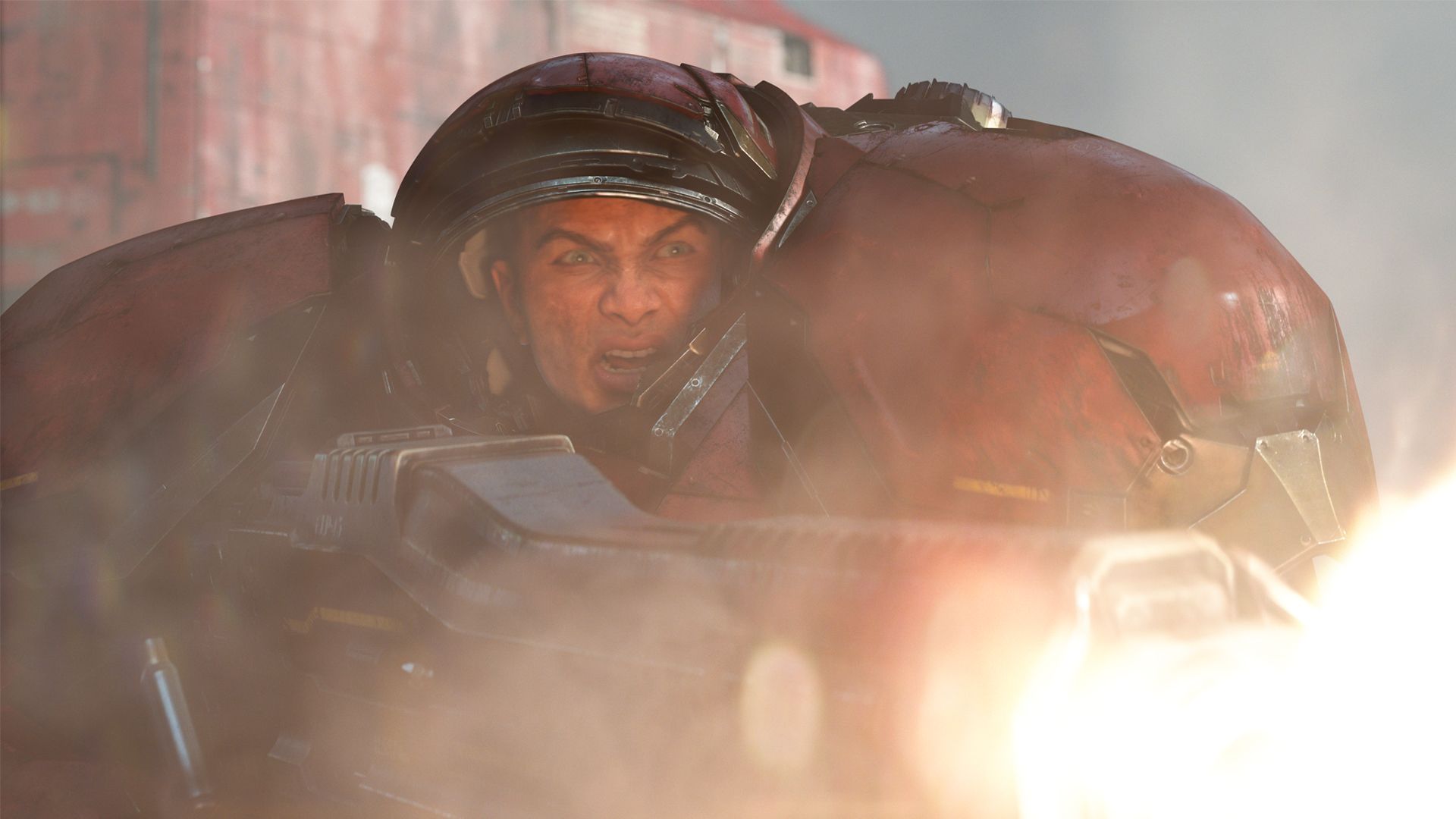
"That shows that we’re serious," Hay explained. "It shows everyone that that’s a date we feel really confident about. We take that number, we put it on the wall, and we use it as our north star."
This level of transparency, while refreshing, underscores a significant cultural shift within Blizzard under its current ownership. By pinning a date to the wall, the development team is attempting to signal a new culture of accountability—a departure from the "it’s done when it’s done" philosophy that historically led to indefinite delays.
The Implications: Moving from RTS to Open-World
The transition from a top-down strategy game to an open-world shooter is arguably the most radical evolution in the history of the StarCraft brand. For decades, players have acted as commanders, observing the battlefield from a god-like perspective. Shifting to an open-world shooter implies a ground-level perspective, likely focusing on the gritty reality of being a Marine, a Ghost operative, or perhaps a mercenary operating in the fringes of the sector.
Strategic and Narrative Challenges
- Scale vs. Intimacy: How does the game maintain the "galactic" feel of StarCraft while focusing on the player character’s experience?
- Faction Representation: Will the game allow players to engage with the distinct mechanics of Terran, Zerg, and Protoss? The balance of these three races is the cornerstone of the franchise’s identity.
- The "Far Cry" Influence: Given Dan Hay’s background, players can expect a strong emphasis on emergent gameplay, AI-driven systemic chaos, and dynamic environments. The question remains: can this be blended with the deep, dense lore of the StarCraft universe?
The Broader Blizzard Strategy
The announcement of the new StarCraft does not exist in a vacuum. It is part of a broader, aggressive strategy to leverage Blizzard’s massive intellectual property catalog. Concurrent reports indicate that Diablo is currently being adapted into an animated series for Netflix, while internal rumors suggest that Blizzard is exploring similar cinematic adaptations for Overwatch and Warcraft.
By reviving StarCraft as an open-world shooter, Blizzard is clearly attempting to broaden the demographic appeal of the franchise. While the original games were niche PC titles requiring high mechanical skill, an open-world shooter has the potential to capture a much wider console and PC audience. This is a move toward "transmedia" dominance—ensuring that their stories are told through games, television, and potentially other media platforms simultaneously.
Final Reflections: A Wait Worth Having?
For the diehard StarCraft fan, the road to 2030 will be long. There will be intense debates on forums, speculative deep dives into the few seconds of footage revealed, and inevitable cycles of doubt as the years pass. However, the confidence exuded by Hay and Haertling provides a glimmer of hope.
Blizzard is not just building a game; they are rebuilding a legacy. If they can successfully merge the tactical depth that made the series a pillar of competitive gaming with the modern, immersive freedom of an open-world shooter, the wait might indeed prove to be justified. For now, the Koprulu Sector has been re-lit, and the galaxy is watching.
As we look toward the horizon of 2030, the message from the development team is clear: StarCraft is no longer a relic of the past. It is the future. The only question left is whether the execution can match the ambition of the promise.

