

By PC Gamer Staff Analysis
Published: November 2026
Main Facts: The Resurgence of Riot Games’ Virtual Phenoms
Riot Games has officially reignited its powerhouse virtual music division, culminating in a massive cultural resurgence ahead of the League of Legends World Championship finals. After a prolonged hiatus that left fans wondering about the future of the developer’s fictional music empire, Riot has brought back three of its most iconic acts—Heartsteel, True Damage, and the trailblazing K-pop girl group K/DA.
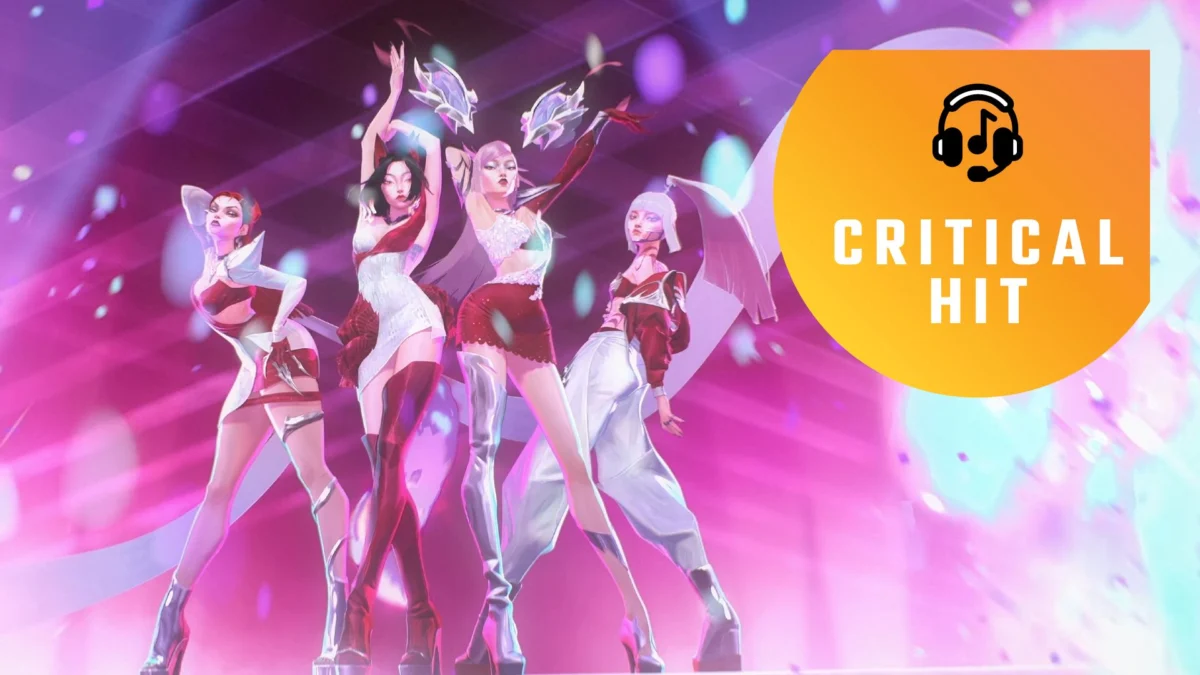
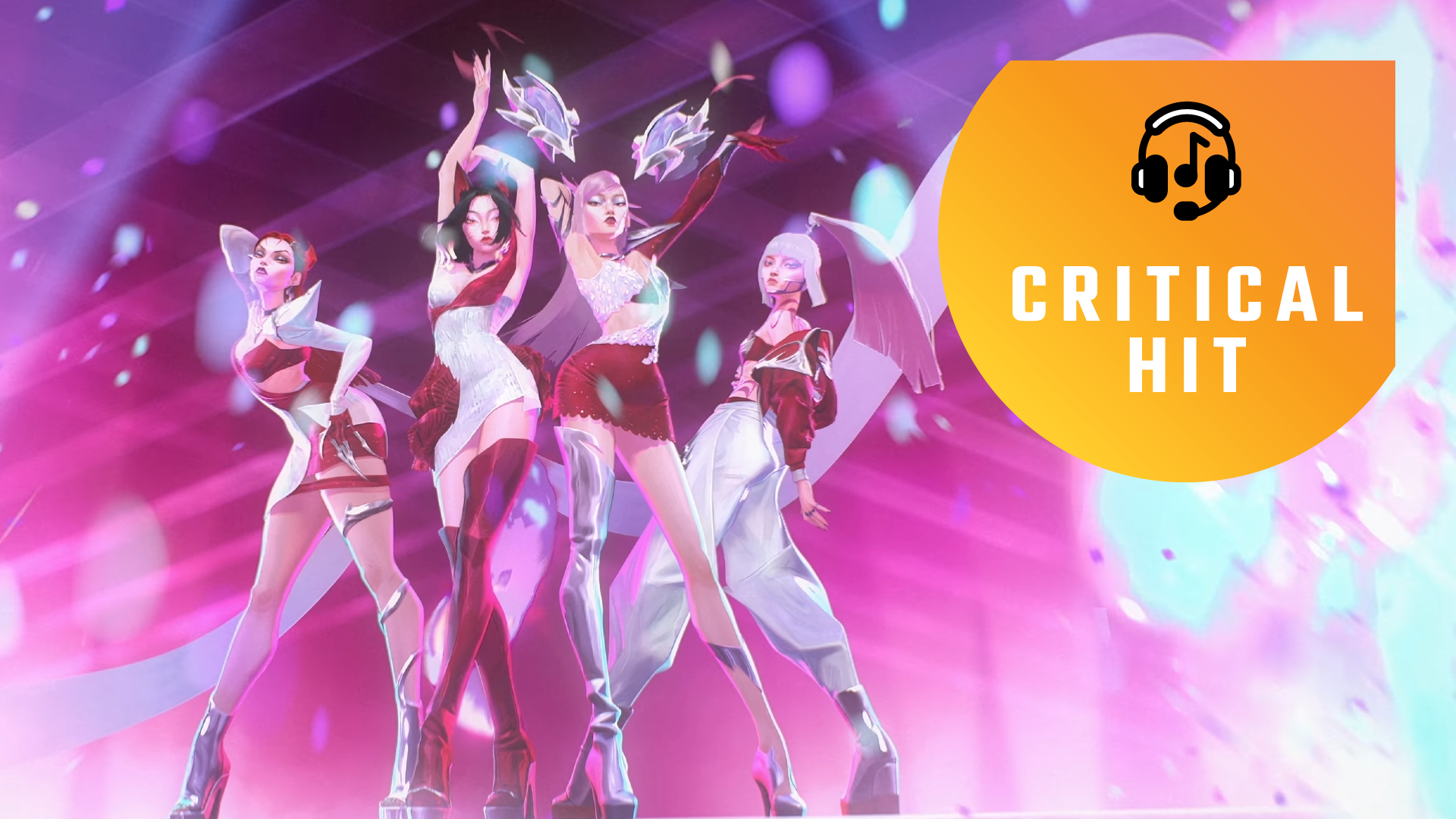
The revival is highlighted by major new releases, including Heartsteel’s softer single Live My Life, True Damage’s tournament anthem Know My Name, and the crown jewel of the comeback: K/DA’s brand-new, high-budget four-song EP anchored by the breakout track Firestarter. Featuring the returning vocal talents of (G)I-DLE members Soyeon and Miyeon, alongside contributions from Sophie Powers and Mimi Webb, Firestarter reunited Riot with animation studio Fortiche—the creative powerhouse behind Arcane and the legendary original Pop/Stars music video.
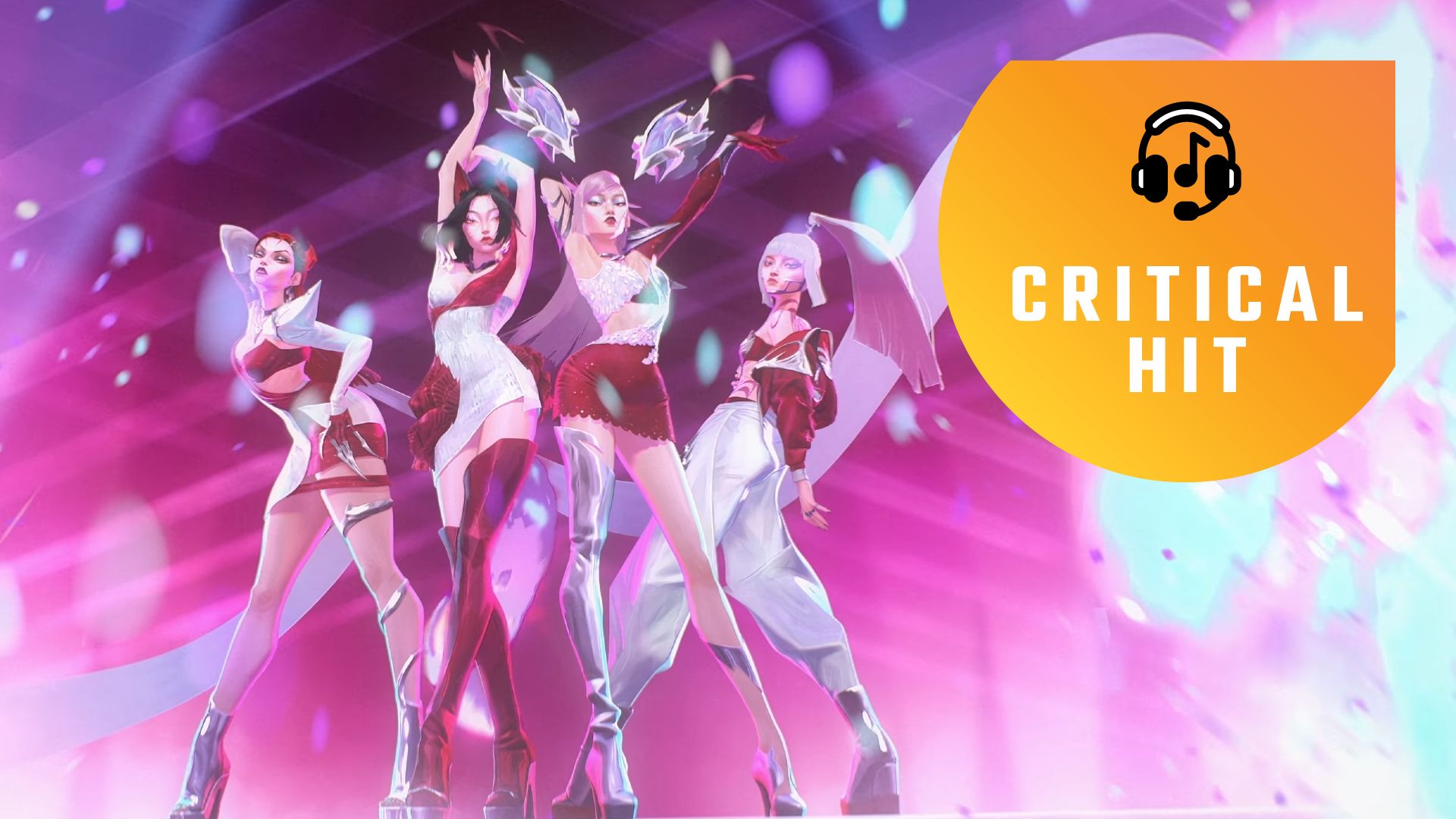
Despite these efforts, the revival has sparked intense debate within the gaming and music communities regarding Riot’s shifting priorities. While K/DA’s triumphant return has been universally praised for capturing the addictive essence of modern pop, the accompanying media for groups like True Damage drew criticism for leaning too heavily on real-world esports iconography at the expense of the fictional champion personas that originally captured fans’ imaginations.
Chronology: From MOBA Containment to Mainstream Dominance
To understand the weight of Riot’s 2026 music revival, one must examine the meteoric timeline of League of Legends audio history:
- Late 2018 (The Breakthrough): Riot Games drops Pop/Stars by K/DA at the World Championship finals in Incheon, South Korea. The track shatters MOBA containment, topping global charts and making K/DA the first K-pop girl group to earn RIAA platinum certification.
- Late 2019 (Expanding the Universe): Capitalizing on K/DA’s success, Riot introduces the hip-hop supergroup True Damage with their single Giants, blending real-world artists like Becky G and Soyeon with champions like Akali, Ekko, and Yasuo.
- Late 2020 (The First Revival): K/DA returns from a two-year dormancy with a radical new visual aesthetic and a full EP, All Out, proving their initial success was no fluke.
- Late 2023 (The Boyband Era): Riot pivots to a cheeky, irreverent boyband dynamic with Heartsteel, introducing six champions in a rock-pop lineup that brings a completely fresh sonic palette to the Summoner’s Rift.
- 2024–2025 (The Quiet Years): Aside from sporadic tournament themes and standalone lore tracks, Riot’s virtual music apparatus largely goes dark, leaving fans to wonder if the golden age of virtual pop has passed.
- Late 2026 (The Grand Comeback): Riot rolls out a phased revival. Heartsteel returns with Live My Life, followed by True Damage’s Worlds anthem Know My Name. Finally, K/DA reclaims the throne with Firestarter and a brand-new four-song EP, setting the stage for a joint live performance at the World Championship finals in New York.
Supporting Data: Charting the Impact of Virtual Stardom
The commercial and cultural footprint of Riot Music is staggering, defying the traditional boundaries expected of video game tie-ins:
- Platinum Milestone: K/DA’s Pop/Stars amassed over 600 million YouTube views and hundreds of millions of streams on Spotify, securing a historic platinum certification.
- Production Value: The reunion single Firestarter required extensive cross-continental collaboration, bringing together K-pop royalty (Soyeon and Miyeon) with Western pop vocalists (Sophie Powers and Mimi Webb).
- Animation Investment: The partnership with Fortiche for Firestarter marks a return to the pristine, cinematic animation standards that made Arcane a global television phenomenon.
- Fan Longevity: Demonstrating the cross-industry appeal of these virtual acts, merchandise such as branded gaming chairs and apparel lines have maintained active consumer demand for upwards of half a decade, frequently outpacing traditional game-only merchandise.
Official Responses and Creative Direction
Riot Games has long maintained that its music division is not merely a marketing tool for League of Legends, but a legitimate artistic venture. Speaking on the creative direction behind the 2026 comeback, production leads emphasized the desire to honor both the competitive esports ecosystem and the fantasy pop-star universe.
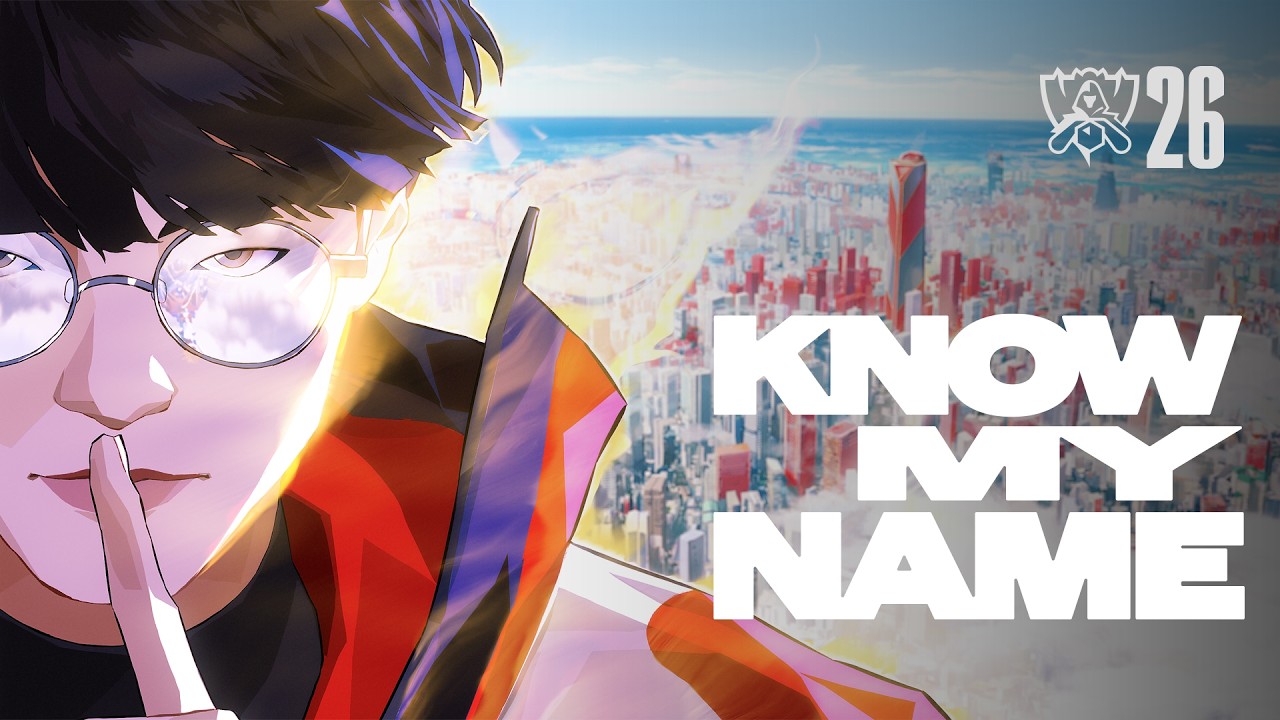
However, the execution of this dual focus has created friction. The release of True Damage’s Know My Name featured heavy visual integration of T1 and star player Faker, a nod to the pinnacle of League of Legends esports. While celebrated by competitive purists, it left some music-first fans disappointed. Commentators noted that centering real-life athletes over the animated champion mascots—Akali, Ekko, Qiyana, Senna, and Yasuo—undermined the core appeal of a fictional supergroup.
Conversely, the treatment of K/DA avoided this pitfall. By leaning fully into an uncompromised, high-budget cinematic world crafted by Fortiche, Riot satisfied fans who view K/DA as a standalone musical entity. The return of Soyeon and Miyeon provided critical sonic continuity, assuring fans that the soul of the group remained intact despite the multi-year hiatus.

Implications: The Future of Transmedia Storytelling in Gaming
The success—and occasional friction—of Riot’s 2026 music rollout holds profound implications for the gaming industry at large:
1. The Blurring Lines Between Games and Music Labels
Riot Games has effectively proven that a video game developer can operate with the cultural clout of a major record label. By treating fictional champions as viable pop stars, Riot opens up revenue streams and brand loyalty that transcend standard microtransactions. Fans who have never played a single match of League of Legends proudly sport K/DA merchandise and stream their EPs on loop.
2. The Danger of Long Hiatuses
The multi-year gaps between K/DA and True Damage releases highlight the difficulty of maintaining momentum in the fast-paced modern music industry. While nostalgia can fuel a massive comeback—as seen with Firestarter—prolonged silence risks alienating casual listeners who may have moved on to other virtual or real-world acts.
3. Balancing Esports and Entertainment
Riot’s ongoing challenge lies in balancing its identity as an esports titan with its aspirations as a pop culture curator. As seen with True Damage’s latest music video, leaning too far into competitive tournament lore can alienate fans who view these virtual bands as an escape from the game’s competitive mechanics. Moving forward, developers attempting similar transmedia projects will need to carefully partition their esports marketing from their consumer-facing entertainment properties.
Ultimately, K/DA’s triumphant return proves that when Riot Games aligns its considerable budget, top-tier artistic collaborations (like Fortiche), and industry-leading vocal talent, the results are nothing short of a critical hit.

