

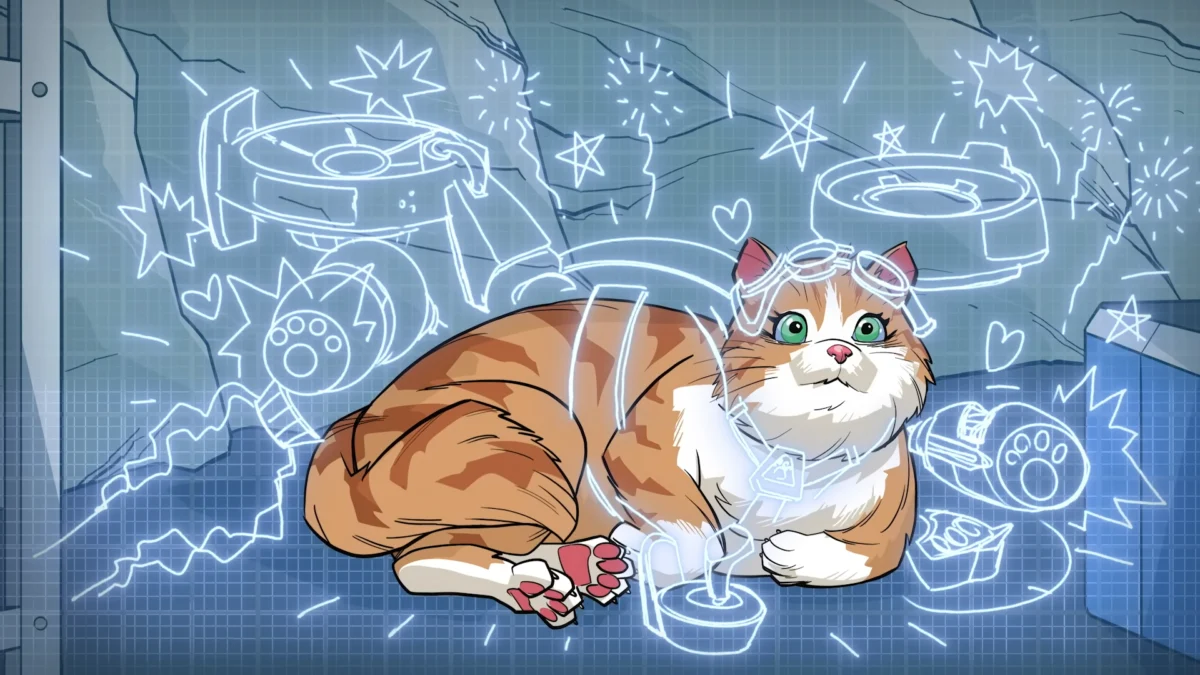
It has been nearly a year since Team 4—the development powerhouse behind Overwatch—fundamentally shifted the landscape of their flagship live-service shooter. In what was billed as the game’s most ambitious content update to date, the developers moved away from the trickle-feed model of the past, opting instead for a new, thematic seasonal cadence. The centerpiece of this transformation was the simultaneous introduction of five new heroes: Mizuki, Emre, Anran, Domina, and the internet’s long-standing dream-turned-nightmare, Jetpack Cat.
What began as a whimsical community meme quickly devolved into a tactical crisis that redefined high-level play. The "Apache Helicopter" meta, as it was colloquially dubbed, transformed the skies of Overwatch into a war zone, forcing a community-wide reckoning with balance, power creep, and the developers’ philosophy on "fun" versus "fair."
A Chronology of Chaos: From Hype to Infamy
The journey of Jetpack Cat is a case study in the dangers of high-utility hero design. When the initial trailer dropped, the reception was overwhelmingly positive. Players saw an adorable ginger cat in a high-tech flight rig, a character design that felt perfectly at home in the Overwatch universe. The community, starved for fresh content, embraced the feline hero with open arms.
However, the sentiment shifted within hours of the hero’s debut. Players quickly discovered that the hero’s mobility—combined with her unique ability to ferry allies through the air—created synergies that the development team had clearly underestimated.
The most notorious iteration of this was the "Bastion-Cat" combo. By using her flight capabilities to transport a stationary Bastion into unreachable high-ground positions or directly over enemy lines, Jetpack Cat effectively turned the turret-mode hero into an airborne death machine. The synergy was so potent that it stripped the game of its usual positioning-based counterplay. If your team didn’t have a hitscan hero capable of tracking a high-mobility target in the sky, you were effectively playing a losing game from the moment the match timer started.
The "Apache Helicopter" Meta: Supporting Data
The impact of this composition was not merely anecdotal; it was reflected in every tier of competitive play, from Bronze to the professional Overwatch Champions Series (OWCS).
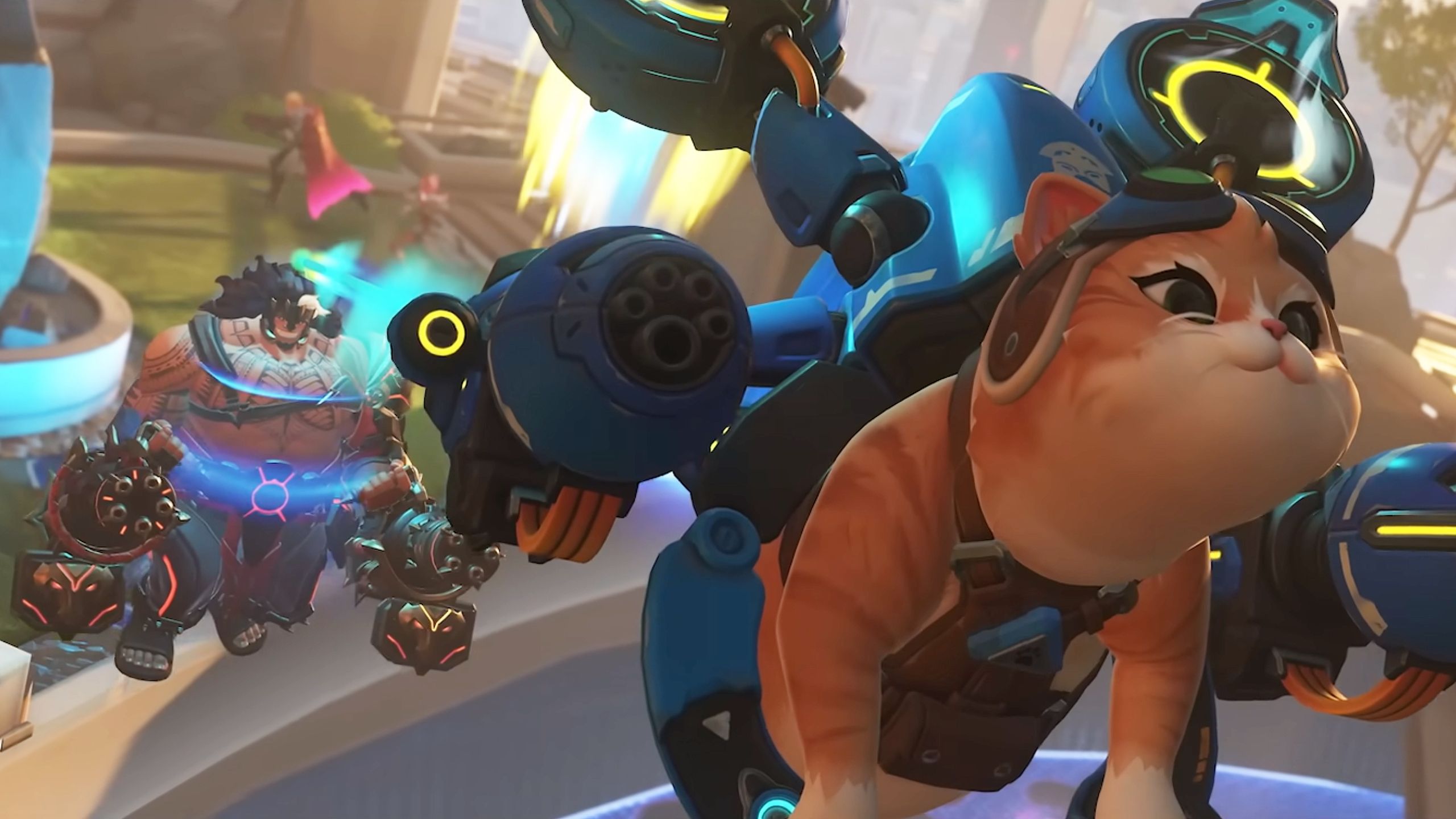
During the initial weeks following the update, win-rate statistics for team compositions featuring Jetpack Cat and Bastion saw a staggering 15% spike compared to the seasonal average. In the professional scene, the "Helicopter" composition became the default, with teams prioritizing the duo to the exclusion of almost every other tactical approach.
The efficiency of this meta was bolstered by the addition of Mercy to the core group. The "Triple Threat"—Jetpack Cat, Bastion, and Mercy—became the gold standard of the early season. With Mercy’s damage boost amplifying the aerial barrage and Jetpack Cat providing the mobility, teams were able to bypass chokepoints that were previously considered impenetrable. The resulting data showed a near-total stagnation of map meta diversity, as teams that refused to run the composition were consistently out-maneuvered and out-gunned.
Official Perspectives: The Philosophy of "Controlled Chaos"
Perhaps the most fascinating aspect of this entire saga is the admission from the development team that they knew exactly what they were doing. In a recent discussion, Associate Game Director Alec Dawson revealed that Team 4 was well aware of the potential for game-breaking synergies during the internal testing phase.
"Internally we were like, ‘oh, that’s a little scary,’" Dawson admitted. "We were play-testing [the Jetpack Cat and Bastion] combination a little bit. I think at one point it was also Jetpack Cat, Bastion, and Mercy. The full trio. It’s like an even scarier helicopter."
This candid admission highlights a deliberate design choice by Blizzard. Rather than scrubbing these powerful interactions from the game before launch, the team opted to release them into the wild. Dawson notes that this was a strategic decision intended to let players experience the "crazy stuff" before the inevitable nerfs arrived.
"We want to make sure we put some of those moments in front of players," Dawson explains. "It’s really that fine line of not taking away all the fun, not diluting it, and seeing how it actually plays out. Because those are the moments that are going to be really exciting for players, those are the moments that they remember in Overwatch."
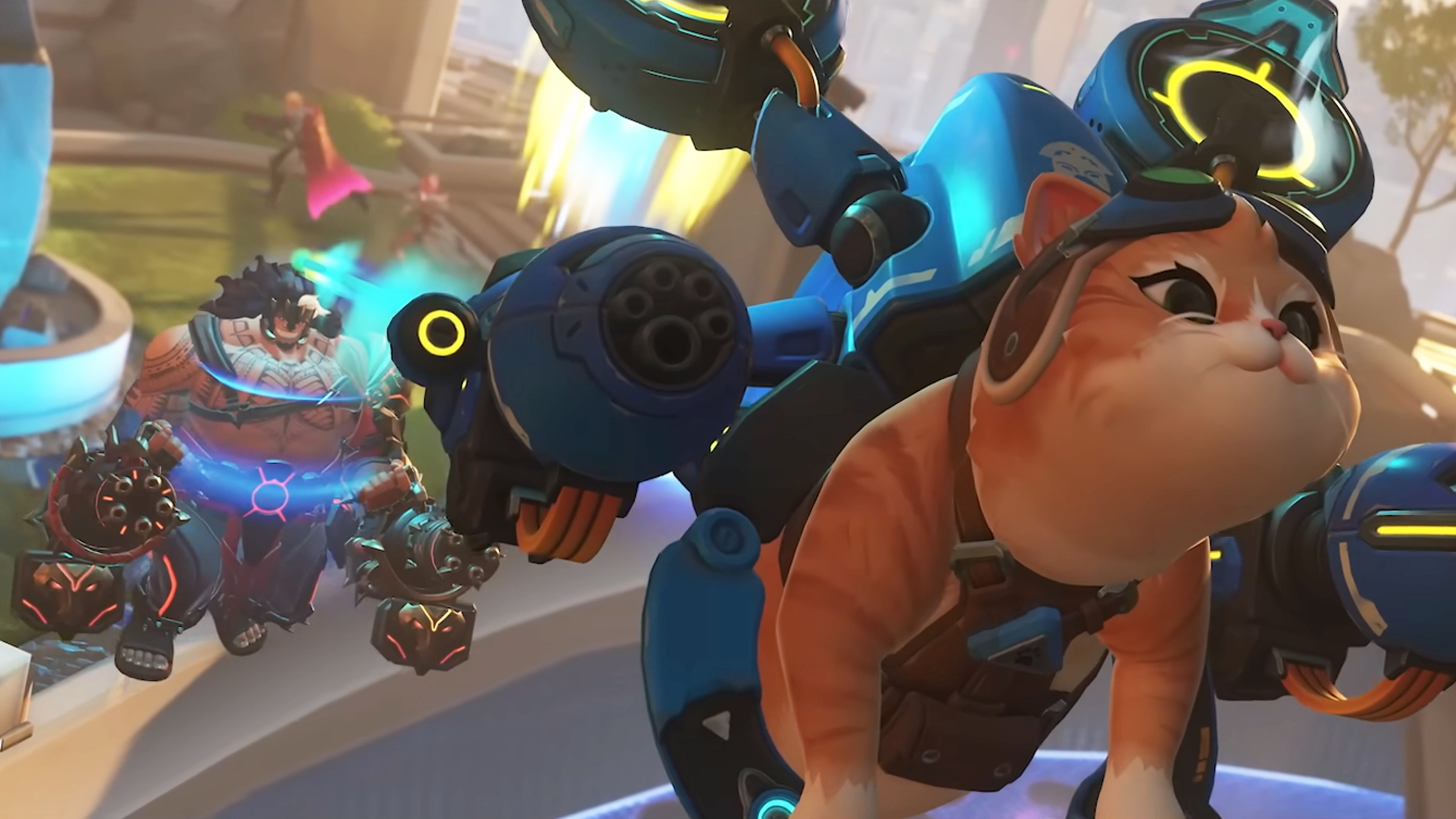
This philosophy—prioritizing memorable, high-impact gameplay moments over immediate, surgical balance—is a double-edged sword. While it creates the "viral" moments that define a season, it also risks alienating the core competitive player base who demand a stable, predictable environment.
The Aftermath: Nerfs and the New Normal
By Season 3, the frustration had reached a boiling point. The community’s outcry, paired with the dominance of the composition in esports, forced Blizzard’s hand. The subsequent reworks focused heavily on Jetpack Cat’s aerial mobility. Specifically, a reduction in movement speed while carrying an ally was implemented, which effectively grounded the "Apache Helicopter" meta.
While these changes helped restore a semblance of balance, they did not entirely remove the hero’s utility. Jetpack Cat remains a high-skill, high-impact pick, but the "free" win-condition that defined her early days has been largely mitigated. The nerfs were a necessary course correction, but they also served as a reminder of how quickly a single hero can disrupt the delicate ecosystem of a 5v5 shooter.
The Implications for Future Hero Design
The Jetpack Cat experience serves as a definitive case study for the future of the Overwatch live-service model. There are three key takeaways for the development team moving forward:
- The "Wow" Factor vs. Competitive Integrity: While Blizzard’s desire to create "memorable moments" is understandable from a marketing and engagement perspective, it must be balanced against the needs of the competitive ladder. The "Helicopter" meta proved that if a strategy is too easy to execute and too hard to counter, the "wow" factor quickly turns into resentment.
- Synergy Audits: Future hero releases likely require a more rigorous audit of "passenger" mechanics. Any ability that allows for the transportation or buffing of stationary targets (like Bastion or Torbjörn’s turrets) inherently carries a high risk of breaking map geometry or engagement flow.
- The Cadence of Rebalancing: The delay between the identification of a problem and the implementation of a fix remains a critical point of contention. If the developers intend to release "broken" but "fun" content, they must ensure they have the tools to pull the lever on balance changes much faster if the meta becomes stagnant.
Conclusion: A Lesson in Flying Too Close to the Sun
Jetpack Cat will forever be remembered as the hero who broke the sky. Her introduction was a daring, if chaotic, experiment that tested the limits of what players would tolerate in a competitive environment. While the developers successfully created a season that no player will soon forget, they also highlighted the inherent risks of prioritizing spectacle over stability.
As Overwatch continues to evolve under its new, faster-paced content cycle, the memory of the Jetpack Cat era will likely serve as a cautionary tale. Blizzard has shown they are willing to push the boundaries of their game—and sometimes, they are willing to let those boundaries shatter entirely. Whether this "controlled chaos" approach will continue to foster long-term loyalty or eventually fatigue the player base remains to be seen. But one thing is certain: the next time a new hero enters the game with a unique movement ability, the Overwatch community will be watching the skies with a mix of excitement and deep, well-earned suspicion.

