


By the Editorial Desk
Published: March 2025
Main Facts: The Intersection of Comfort and Aerial Freedom
In the ever-expanding universe of video game genres, few categories have experienced the meteoric rise and cultural permeation of "cozy games." Defined loosely by their low-stress environments, lack of aggressive punishment loops, and emphasis on player autonomy, cozy games have become a sanctuary for millions of players seeking refuge from hyper-competitive multiplayer titles and high-octane blockbusters.
However, a fascinating design trend has emerged within this soothing subgenre: the incorporation of flight mechanics.
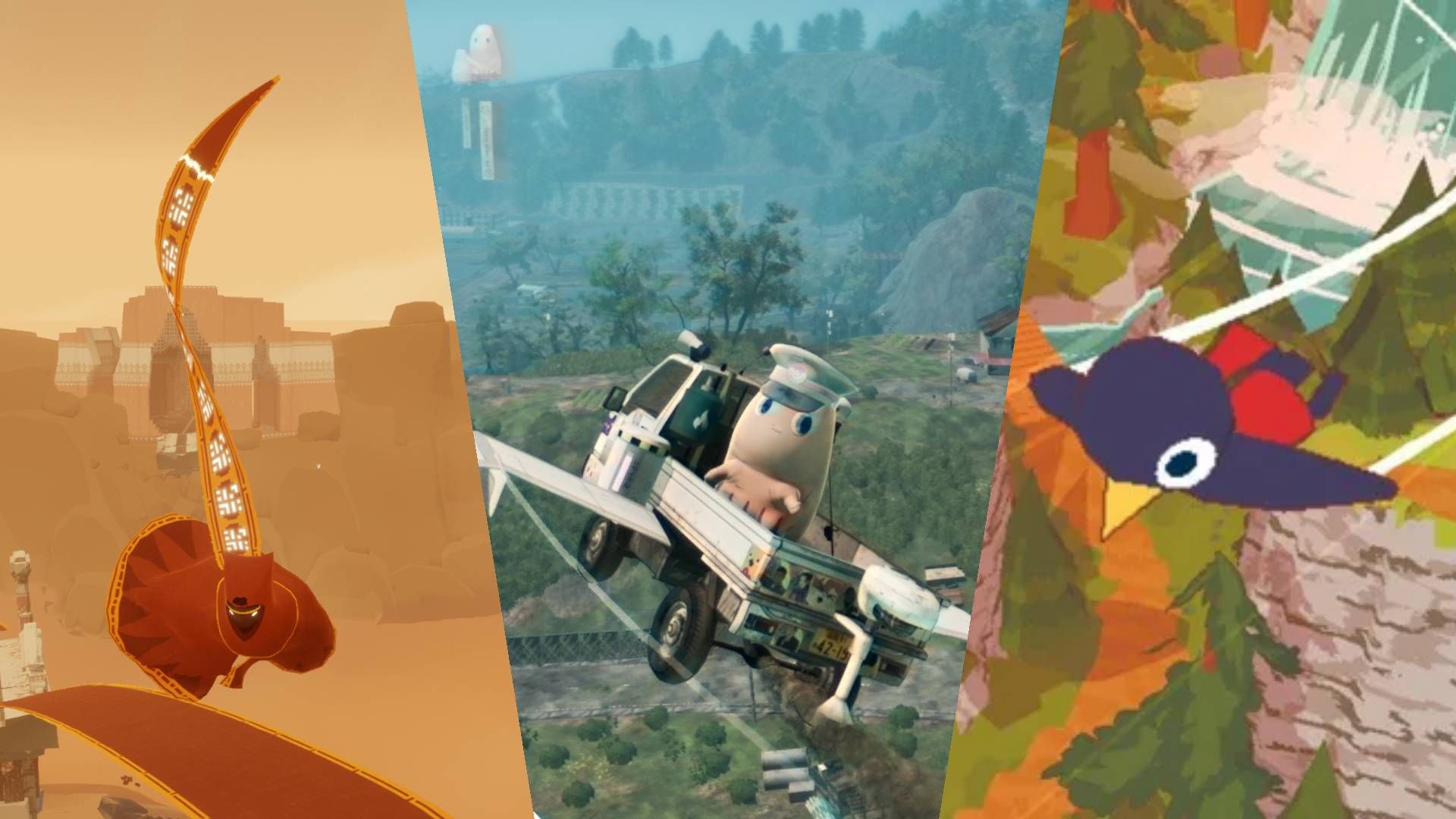
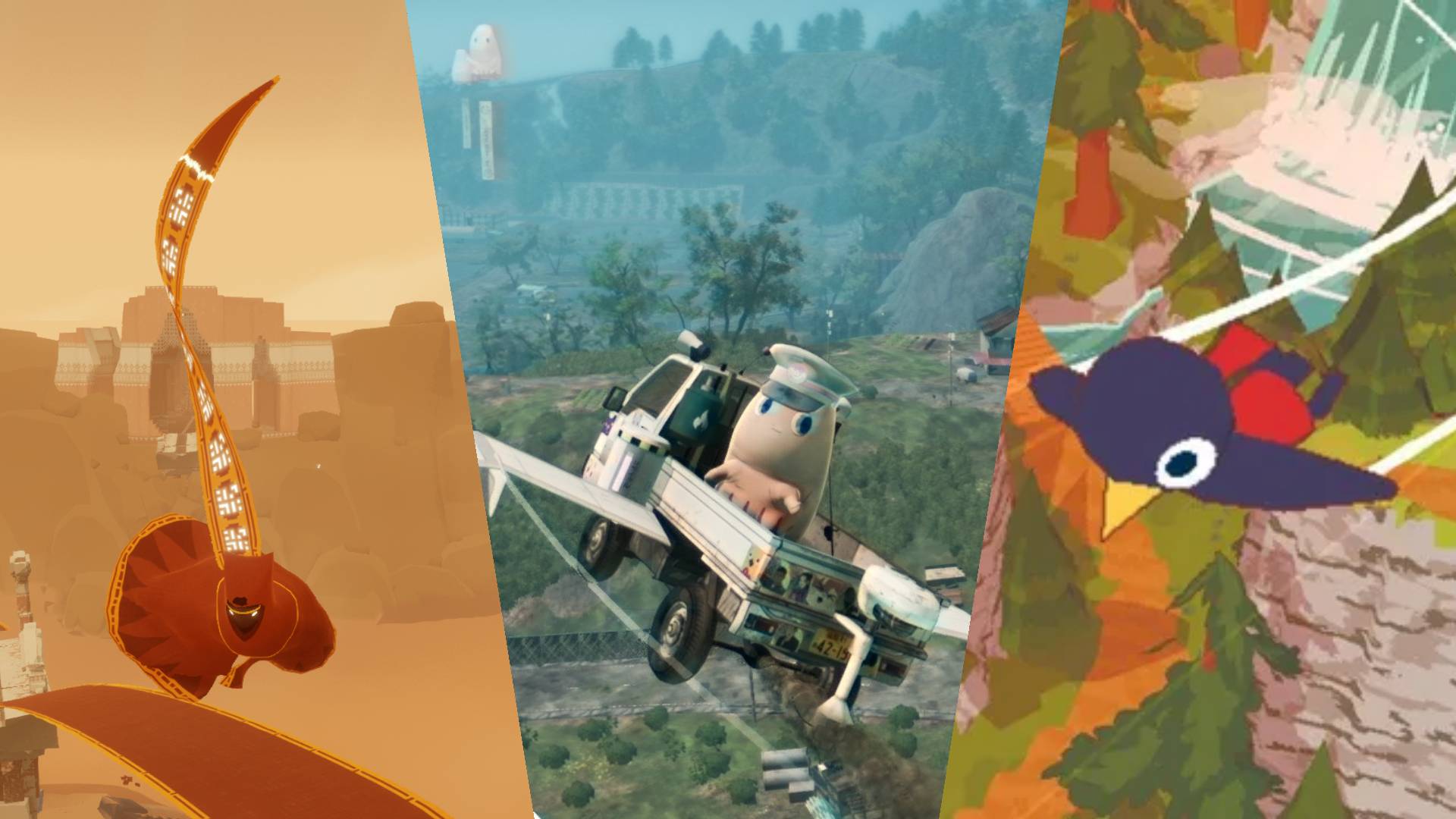
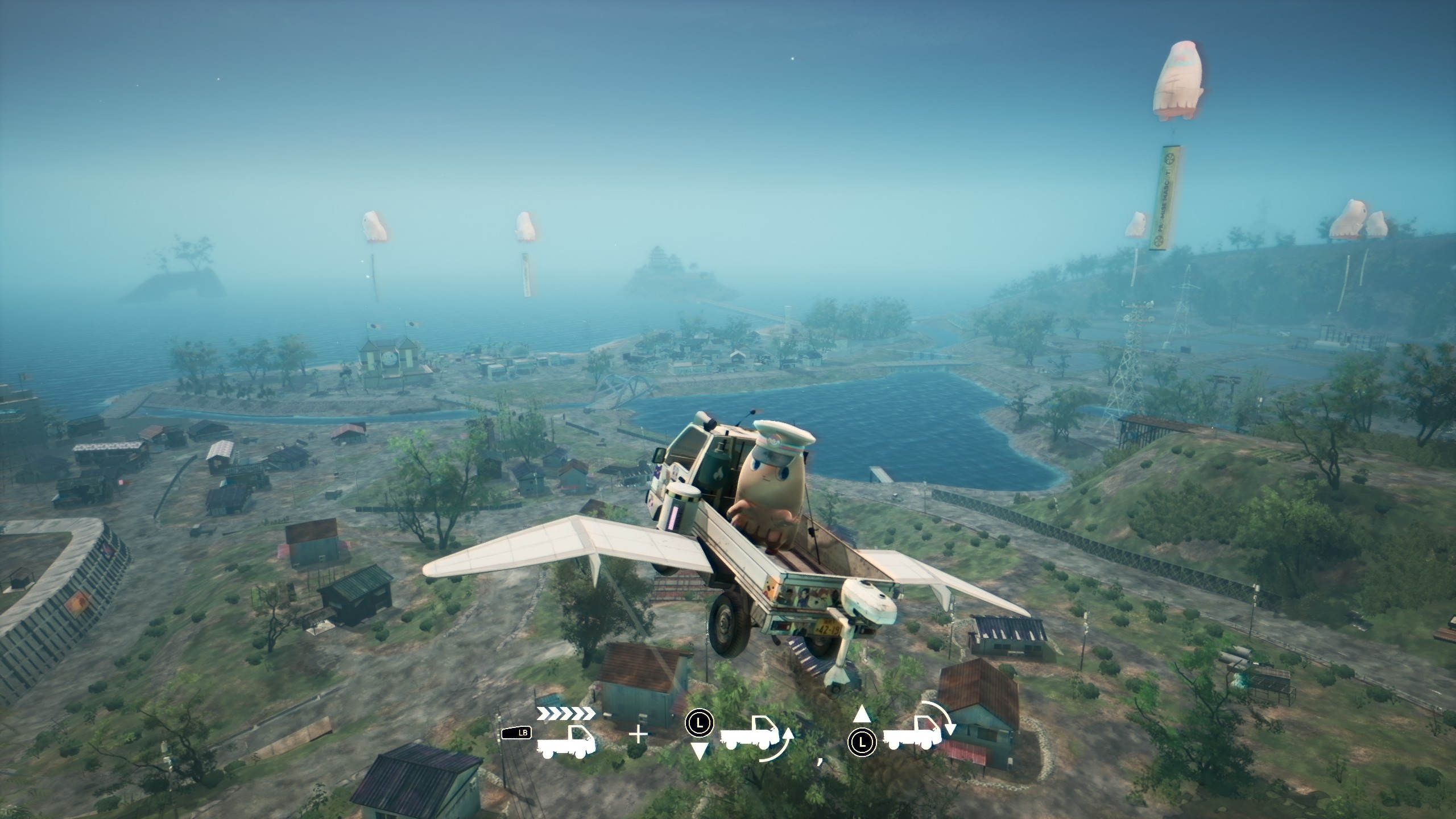
Far from the tactical, stamina-metered gliders popularized by open-world giants like The Legend of Zelda: Breath of the Wild, a new wave of indie and mid-tier cozy titles are embracing unbridled, true-to-form flight. Leading this charge is Kaizen Game Works’ Promise Mascot Agency, a vibrant open-world title where players can pilot a modified, wing-equipped kei truck off mountain switchbacks, engaging boost thrusters to soar gracefully over the rural landscapes of Kaso-Machi island.
According to critics and industry commentators, this shift represents more than just a fun traversal tool—it is the ultimate physical manifestation of the core philosophy driving cozy games: absolute, uninhibited freedom.
Chronology: From Restrictive Glides to Unbounded Skies
To understand how flight became a staple of modern cozy game design, it helps to examine the evolutionary timeline of open-world movement mechanics over the past decade:
- 2017 (The Gliding Paradigm Shift): Nintendo releases The Legend of Zelda: Breath of the Wild. While not traditionally a cozy game, its ubiquitous paraglider establishes a new standard for open-world traversal. Players are no longer forced to climb every inch of terrain manually; instead, height translates directly to exploration potential.
- 2019 (The Lo-Fi Exploration Era): Adamgryu releases A Short Hike, a critical darling that introduces players to the simple joy of scaling a peaceful provincial park island. The game utilizes a stamina-based gliding system via bird feathers, proving that verticality and aerial movement could drastically enhance a low-stakes, comforting narrative framework.
- 2021–2023 (The Modern Cozy Boom): The COVID-19 pandemic accelerates a massive surge in the popularity of cozy titles like Animal Crossing: New Horizons and Slime Rancher. Developers begin experimenting more heavily with player autonomy, realizing that restrictive boundaries clash with the mental escape players seek.
- 2024–2025 (The True Flight Revolution): Titles like Promise Mascot Agency break away from traditional gliding mechanics entirely. By introducing powered flight—where players can actively gain altitude, bank into sharp turns, and nose-dive toward collectibles—developers shift the paradigm from mere "falling with style" to authentic, euphoric aerial exploration.
Supporting Data: What Makes a Game "Cozy"?
While industry analysts note that the definition of a "cozy game" varies drastically depending on who you ask, data collected from consumer gaming platforms reveals distinct common denominators among top-tier titles in the genre.
Core Pillars of Cozy Game Design
- Freedom from Time Constraints: The absence of aggressive countdown timers or penalizing day-night cycles (or the ability to manipulate them at will).
- Autonomous Pacing: Allowing the player to choose their objectives—whether that involves talking to eccentric NPCs, decorating a home, or simply driving a winged truck off a cliff.
- Low-Consequence Exploration: Ensuring that failure does not result in lost progress, heavy item drops, or frustrating combat loops.
The Impact of Verticality in Open Worlds
Player engagement metrics across open-world indie titles show a marked increase in session lengths when vertical traversal methods are unlocked. According to independent developer post-mortems, games that introduce movement upgrades (such as wings, double-jumps, or vehicles with flight capabilities) see a significant spike in secondary map exploration. Players are naturally drawn to high vantage points, turning traversal from a chore into a primary gameplay reward.
Official Perspectives and Critical Reception
The integration of flight into low-stress games has drawn high praise from industry critics, many of whom point to the psychological benefits of simulated flight in a virtual space.

Lauren Morton, a prominent games journalist and open-world enthusiast, highlighted Promise Mascot Agency as a masterclass in combining chaotic physics with serene exploration. Lobbying for the title during recent end-of-year awards discussions, Morton noted the distinct psychological shift that occurs when a ground-bound vehicle suddenly takes to the skies:
"You can hit your kei truck’s boost thruster, nudge its nose up to gain altitude, and bank into a turn for a second pass over the rural sprawl below. It’s the most open an open world can be and the freest I ever feel exploring one."
Developers themselves have increasingly leaned into this design philosophy. Rather than restricting players to linear paths or invisible walls, modern cozy game architects are designing worlds that invite curiosity. When a player can launch a delivery truck off a high-altitude cliffside and effortlessly glide or fly toward a glittering collectible, the act of navigation becomes inherently playful rather than procedural.
Implications: The Future of Traversal in Relaxing Game Design
The embrace of flight mechanics in games traditionally marketed for their "chill" factor signals a broader evolution in how developers think about player agency.
For years, the industry operated under the assumption that intense mechanics—such as high-speed movement, complex aerial controls, and physics-based stunt driving—belonged exclusively to action, racing, or simulation genres. By cross-pollinating these mechanics with cozy aesthetics, developers are proving that thrills and relaxation are not mutually exclusive.
Key Takeaways for Future Game Development:
- Reducing Friction: Removing tedious traversal barriers keeps players immersed in the psychological "flow state" that defines cozy gaming.
- Empowering the Player: Giving players the tools to conquer verticality fosters a sense of mastery without requiring punishing skill checks or combat proficiency.
- The Evolution of the Open World: As engines become more powerful and indie teams gain access to sophisticated physics tools, expect to see even more unconventional vehicles taking to the skies in future relaxation simulators.
Ultimately, whether players are guiding a pixelated bird up a mountain trail in A Short Hike or executing high-flying stunts in a modified delivery truck across Kaso-Machi island, the core appeal remains unchanged: the breathtaking, weightless freedom of the open sky.

