As the highly anticipated console release of Rockstar Games’ Grand Theft Auto 6 draws closer, the boundary between the digital underworld of Leonida and the sun-soaked reality of South Florida is blurring faster than ever. With its fictional setting of Vice City heavily inspired by Miami, the game’s publisher, Take-Two Interactive, and developer Rockstar Games have unleashed an aggressive, high-profile promotional campaign across the region.
However, this multi-million dollar marketing blitz has not been without its friction. The campaign has ignited a fascinating local debate regarding public infrastructure, the glorification of criminal tropes, and the economic realities of welcoming one of the largest entertainment properties in human history into America’s backyard.
Main Facts: The Collision of Fiction and Reality
The core conflict stems from a fundamental paradox: Miami and its surrounding municipalities are leveraging the aesthetic and cultural identity of Grand Theft Auto 6 for massive economic and tourism boosts, while simultaneously reckoning with the fact that the franchise is globally renowned for satirizing—and celebrating—murder, drug trafficking, carjacking, and lawlessness.
The Inspiration:Grand Theft Auto 6 is set in the fictional state of Leonida, anchored by Vice City, a direct caricature of Miami and broader Florida culture.
The Marketing Push: From massive rooftop signage at downtown arenas to bespoke beachside hospitality partnerships, Rockstar and local stakeholders are embracing the "Vice City" brand.
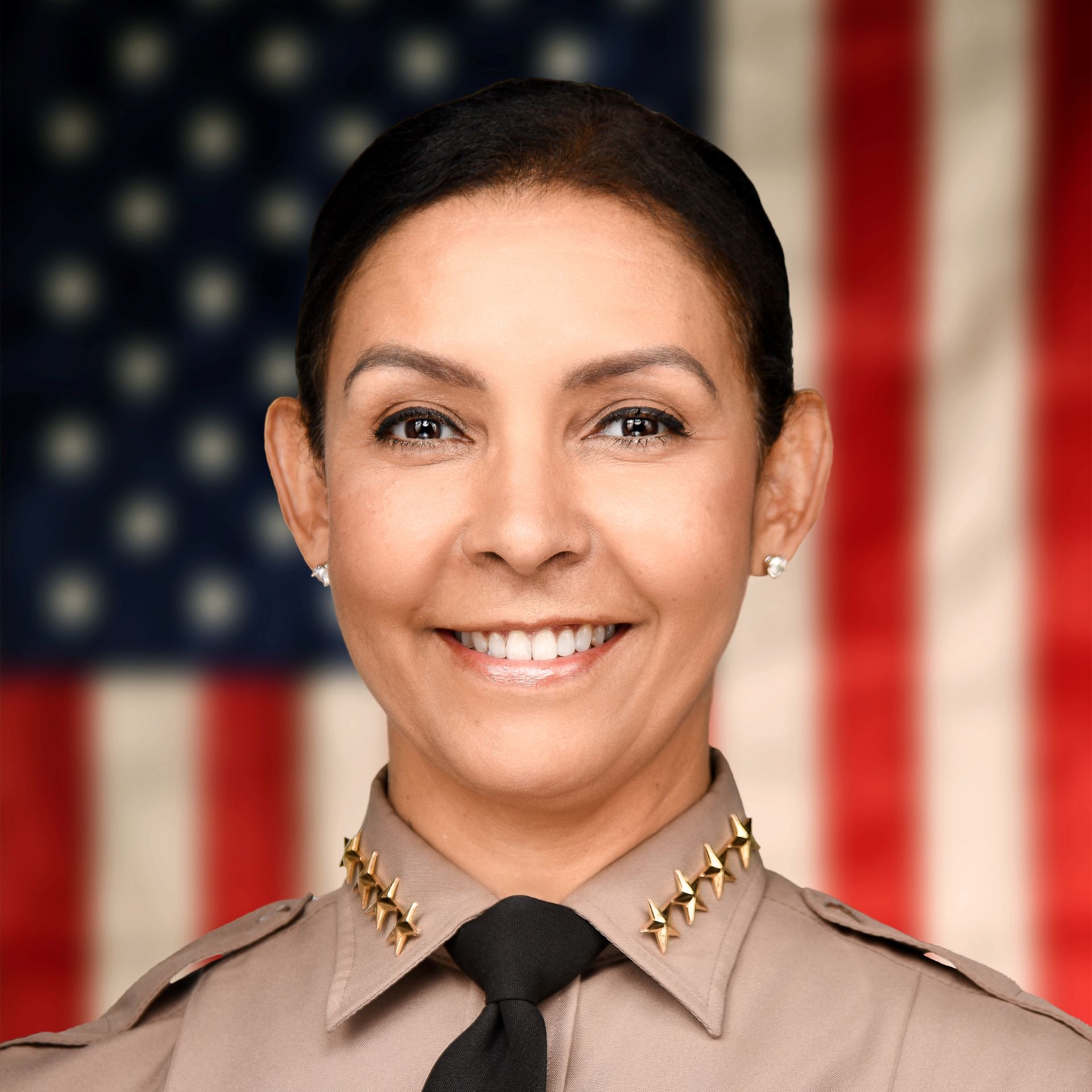
The Pushback: Law enforcement officials, most notably Miami-Dade Sheriff Rosie Cordero-Stutz, initially drew a sharp line in the sand, arguing that public assets should not be used to endorse a franchise built on anti-social behavior and violence against police.
The Compromise: A clear legal and administrative distinction has emerged between public infrastructure (such as airports and transit systems) and private or semi-private commercial properties (such as downtown sports arenas and beach concessions).
Chronology of Events: From Initial Alarm to Corporate Collaboration
To understand how Miami went from sounding alarm bells to painting the town in GTA 6 livery, it is necessary to trace the timeline of events leading up to the current promotional phase.
September: The Battle Lines Are Drawn
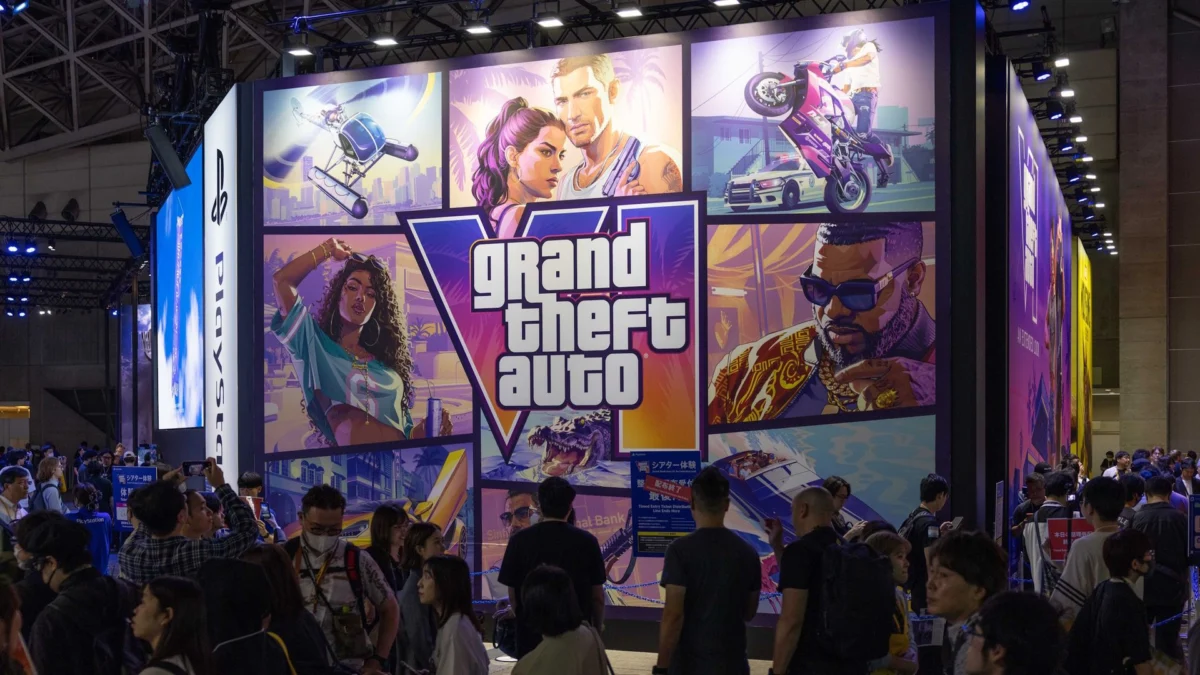
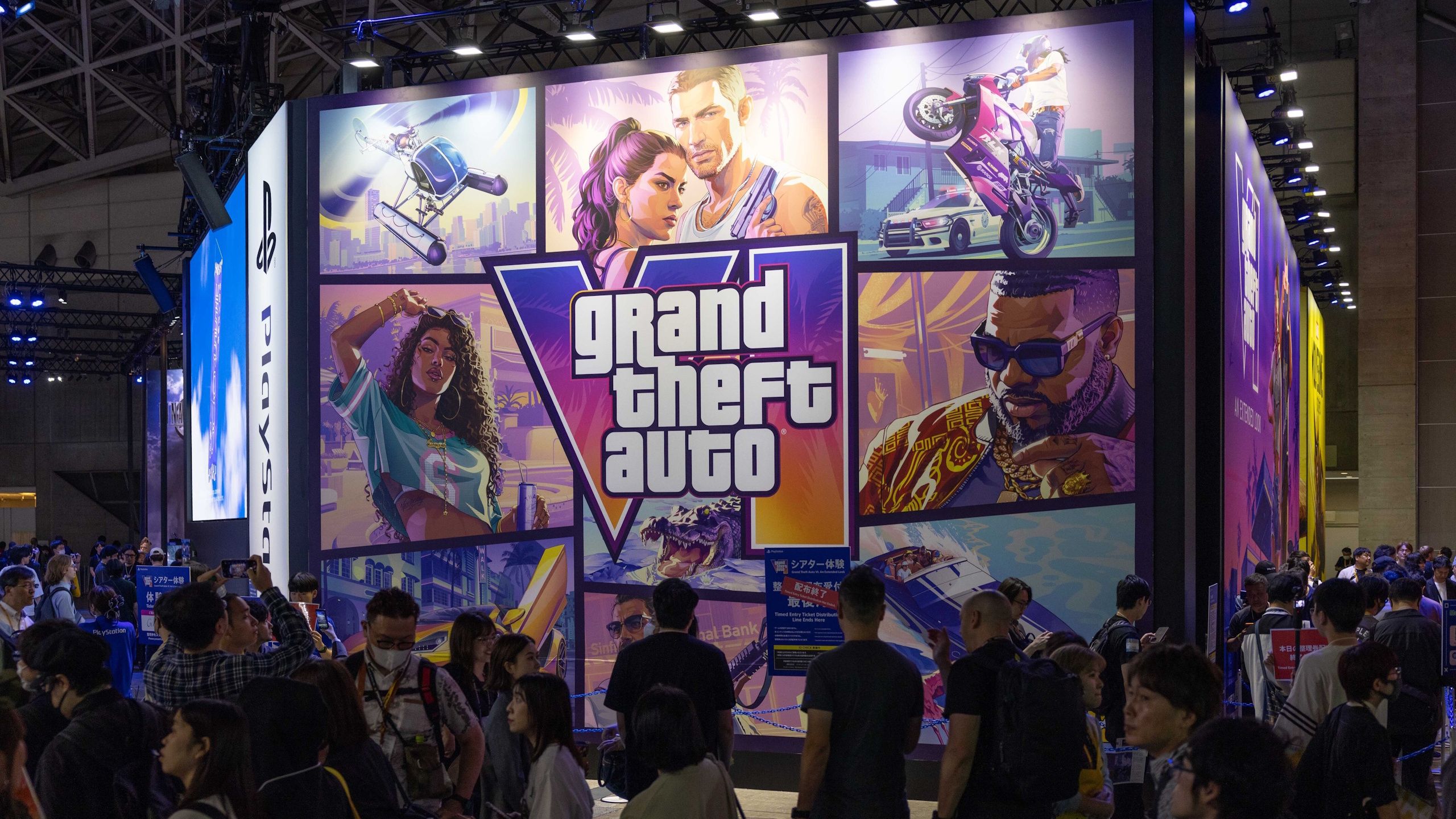
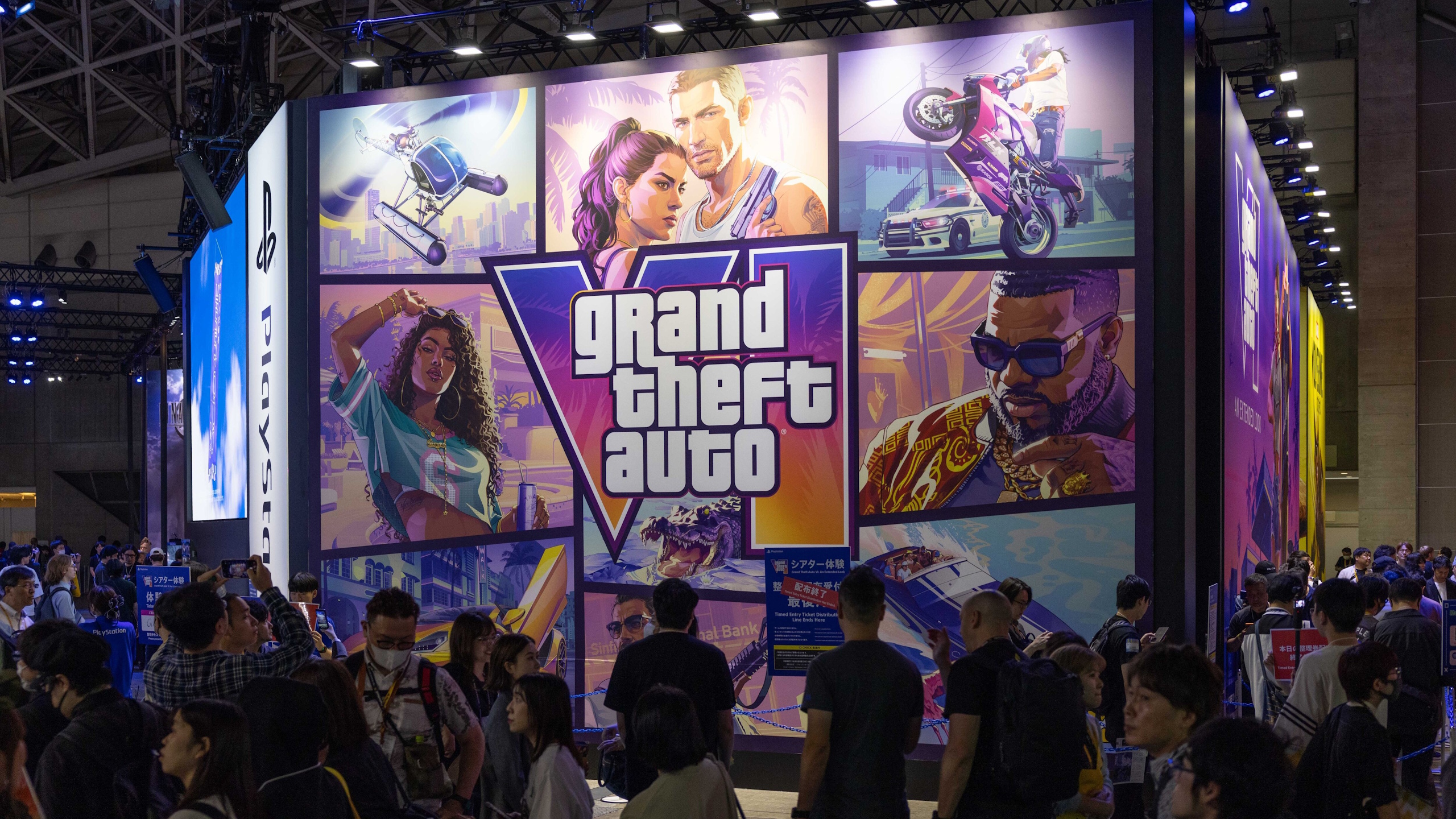
As promotional proposals began circulating in late summer, public friction came to a head. In September, amidst the excitement of the Tokyo Game Show—where GTA 6 booths and trailers drew international attention—local authorities in South Florida began debating the appropriateness of official municipal tie-ins.
Miami-Dade Sheriff Rosie Cordero-Stutz issued a strongly worded public statement condemning the franchise’s thematic elements. She pointed out that the actions depicted in the game—including drug trafficking, robberies, and assaults on law enforcement—run completely counter to the daily mission of the county’s police force.
Despite these warnings, the commercial momentum was unstoppable. Later that same month, the City of Miami Beach voted to approve a "discreet" promotional campaign managed by local hospitality firms, ensuring that the advertising stayed off direct municipal property while still soaking up the global attention.
October: The Takeover of the Kaseya Center
The marketing campaign shifted from subtle to staggering in October. The Kaseya Center, home to the NBA’s storied Miami Heat, erected a massive "Welcome to Vice City" sign on its roof. Strategically positioned, the sign became instantly visible to thousands of travelers flying into Miami International Airport every day.
Things escalated further when the Miami Heat formally partnered with the campaign for a one-night-only "Night in Vice City" promotional event. The arena and team identity were temporarily rebranded in official GTA 6 aesthetic livery, marking one of the most high-profile crossovers between professional sports and video game marketing in history.
Supporting Data and Scale of the Campaign
The financial and cultural footprint of the Grand Theft Auto franchise guarantees that any marketing push associated with it will be monumental. GTA V remains one of the most lucrative entertainment products of all time, generating billions of dollars and maintaining an active player base for over a decade. Consequently, GTA 6 is positioned as a cultural juggernaut.
Audience Reach: Promotional stunts like the Kaseya Center banner capture the attention of millions of transit passengers, tourists, and sports fans weekly.
Economic Impact: South Florida tourism boards and hospitality management companies—such as Boucher Brothers, who are spearheading the Miami Beach branded beach chair and umbrella initiative—stand to gain heavily from the influx of pop-culture tourism.
Previous Controversies: This is not the first time Rockstar Games has courted controversy with its marketing or content. Decades ago, the infamous "Hot Coffee" mod controversy for Grand Theft Auto: San Andreas sparked congressional hearings and regulatory scrutiny. However, the modern era has seen municipalities shift from moral panic to pragmatic commercial embrace.
Official Responses: Navigating the Public-Private Divide
The most evolving narrative in this saga has been the stance of law enforcement. Following her initial fiery critique in September, Miami-Dade Sheriff Rosie Cordero-Stutz’s office issued a clarifying statement to the press, refining the scope of her objections.
"Sheriff Cordero-Stutz’s comments focused on the proposed use of publicly owned facilities and infrastructure, including public transportation, transit stations, and Miami International Airport, to promote Grand Theft Auto 6. Her concerns addressed the message conveyed through the use of these public assets. Those comments were not directed at promotional decisions by private businesses or organizations."
This distinction explains why law enforcement has raised no objections to the Miami Heat’s partnership or the Boucher Brothers’ beach umbrella campaign. By drawing a hard legal boundary between government-owned transit hubs and privately managed entertainment venues, officials have managed to appease ethical concerns without blocking the economic windfall of the promotions.
Local commissioners echoed this pragmatic shift. During the Miami Beach debates, city officials noted that frontline police officers largely laughed off concerns that a video game marketing campaign would trigger a wave of real-world crime, signaling a generational shift in how law enforcement views digital entertainment.
Implications: A New Era for Entertainment Marketing
The intersection of Grand Theft Auto 6 and real-world Miami sets a new precedent for how massive open-world video games integrate with the cities that inspire them.
The Normalization of Gaming Culture: Video games are no longer viewed merely as isolated basement entertainment; they are recognized as dominant global cultural forces capable of reshaping city identities and driving tourism.
The Blueprint for Public-Private Compliance: The framework established in Miami—where public transit remains neutral ground while private arenas and hospitality brands lean heavily into fictional aesthetics—provides a playbook for future massive media rollouts.
Cultural Saturation: As release day approaches, the primary takeaway is that the fear-mongering and moral panic of the Jack Thompson era have largely given way to a mature, if occasionally uneasy, commercial coexistence.
Ultimately, Miami is proving that it can take a joke, take the money, and wear the "Vice City" crown with pride—provided the signs are hung on the right side of the property line.