

By Tech Desk
Published: October 2024
For PC enthusiasts, upgrading a rig has historically been an exercise in balancing budget, performance, and future-proofing. However, over the past few years, this delicate ecosystem has transformed into a high-stakes financial minefield. As the global memory supply crisis deepens, components that were once taken for granted—such as RAM, solid-state drives (SSDs), and the dedicated video memory (VRAM) packed onto modern graphics cards—have steadily climbed in price.
While much of the mainstream tech discourse has fixated on skyrocketing costs for high-end systems or the elusive hunt for reasonably priced flagship cards like Nvidia’s RTX 5090, the pinch is now spreading to every tier of the market. Recent industry reports indicate that the pricing pressures are no longer isolated to a single manufacturer or component type. With AMD joining Nvidia in hiking prices for its Add-in Board (AIB) partners, everyday PC gamers are bracing for another wave of hardware inflation that threatens to price many out of the market entirely.
Main Facts: AMD Follows Nvidia with Component Price Hikes
The latest blow to consumer wallets comes from Team Red. According to industry insiders and reports originating from the Chinese hardware forum Boardchannels (via Benchlife), AMD has officially raised its pricing for the GDDR6 memory bundled with its graphics processing units. The price adjustments reportedly went into effect on October 1.
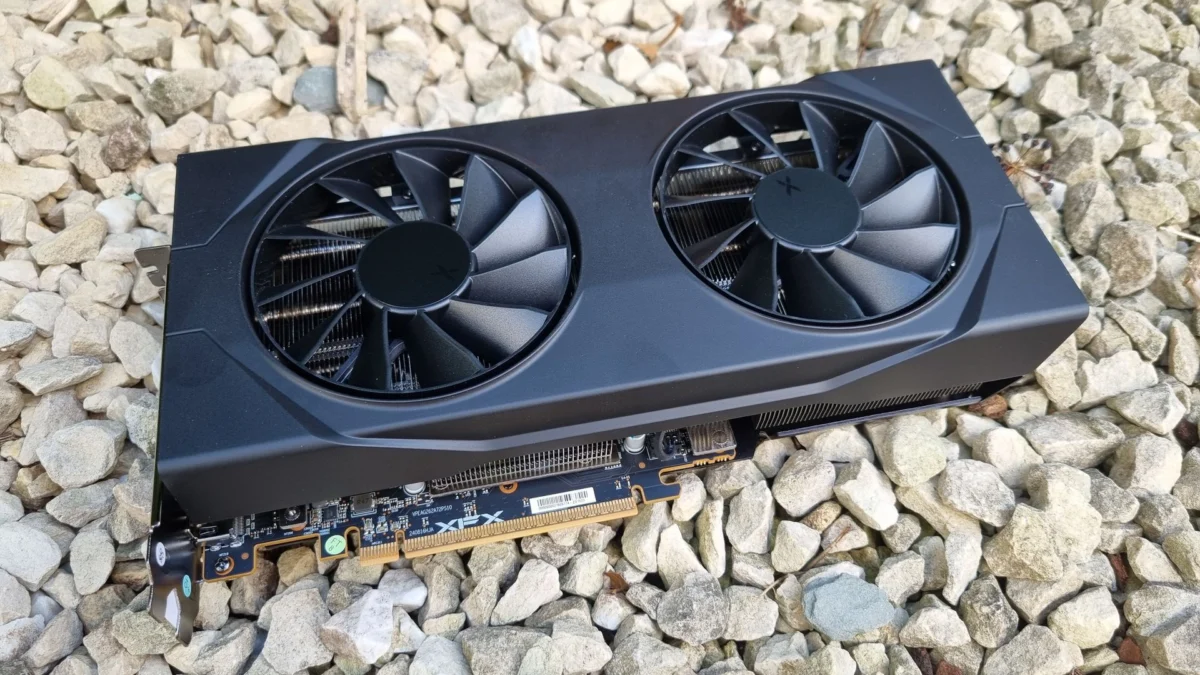
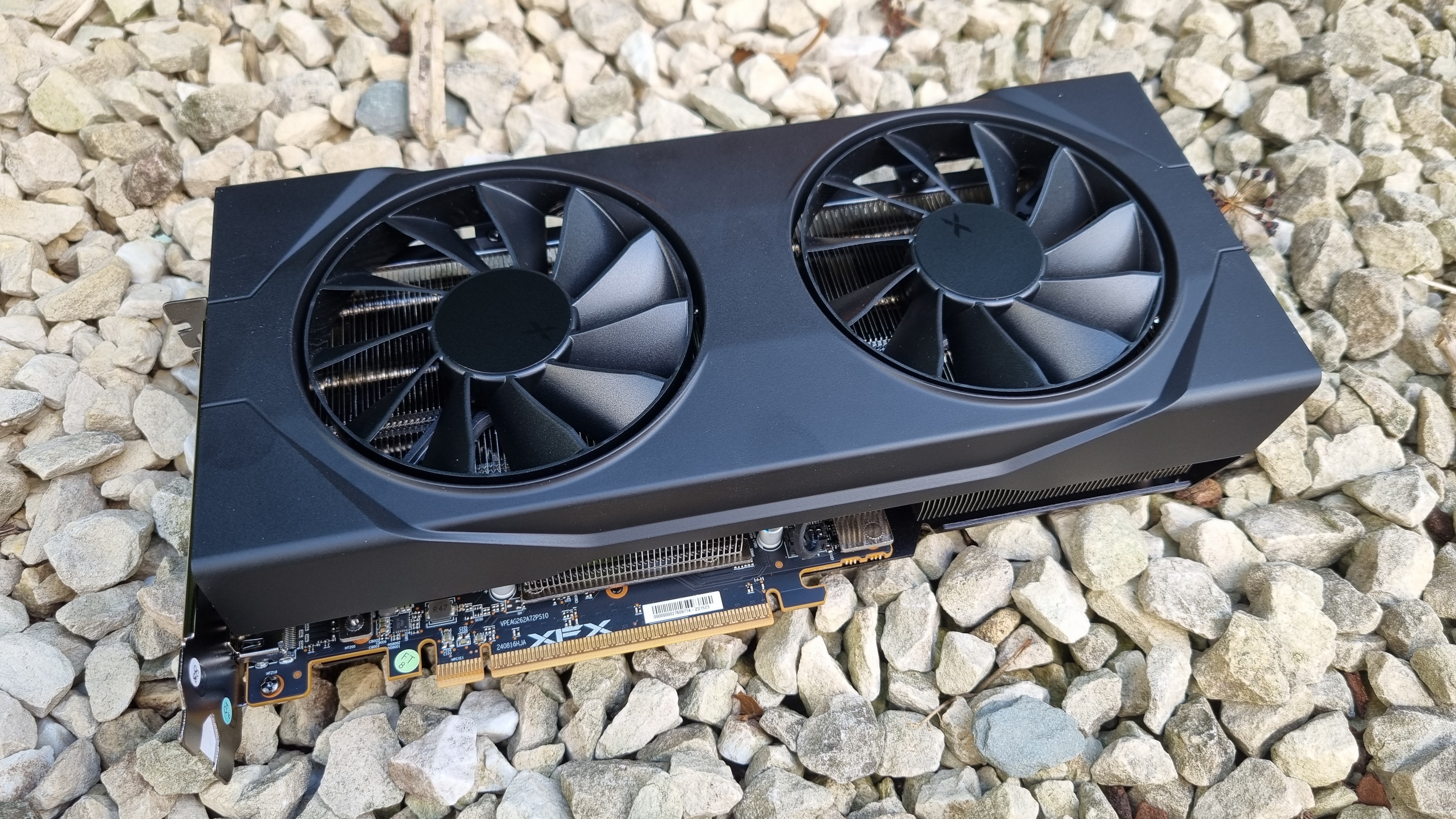
Because these costs are levied directly against AIB partners—the third-party manufacturers like XFX, Asus, Sapphire, and MSI that design and distribute custom cooling solutions and circuit boards for AMD chips—the financial burden inevitably trickles down. When board partners are forced to pay higher baseline costs for raw materials and GPU kits, those expenses are passed directly onto retailers and, ultimately, consumers.
This development mirrors a playbook seen earlier in the year. In July, Nvidia implemented a similar structural price hike, raising the cost of its GPU kits for both GDDR6 and GDDR7 architectures. Initial market projections and supply chain leaks quickly suggested that Nvidia-powered graphics cards could see retail price surges of up to 30%. With both major GPU giants adjusting their pricing baselines upward, the entire landscape of PC gaming hardware is experiencing an unprecedented structural shift away from affordability.
Chronology of a Crisis: How We Got Here
To understand the severity of the current hardware crunch, it is necessary to look back at how various economic, geopolitical, and industrial pressures have compounded over time:

- Late 2022 – 2023: The post-pandemic tech normalization period briefly offers hope for stabilizing component prices, but underlying manufacturing constraints in semiconductor fabrication plants begin to show strain.
- Early 2024: The explosive, relentless growth of the artificial intelligence (AI) sector begins to aggressively redirect wafer and memory allocations. Silicon manufacturers prioritize high-margin enterprise data center hardware over consumer-grade graphics memory.
- July 2024: Nvidia reportedly raises the cost of its GPU kits for AIB partners, sparking early warnings of impending retail price jumps across the board.
- August 2024: Hardware analysts and reviewers begin advising consumers to steer clear of mid-to-high-tier Nvidia cards possessing more than 8 GB of VRAM unless absolutely necessary, citing a bleak outlook for consumer bank accounts. Concurrently, online inventory for high-end enthusiast cards—such as the RTX 5090—begins drying up across major US online retailers.
- September 2024: Reports emerge regarding severe supply chain disruptions. Industry data highlights that Printed Circuit Board (PCB) manufacturing costs have surged by as much as 40%, heavily influenced by escalating geopolitical conflicts, including the war in Iran. Rumours also circulate that Nvidia has temporarily scaled back or halted GeForce RTX 5090 production lines to pivot further toward lucrative AI data center accelerators.
- October 1, 2024: AMD officially implements its reported price increases on GDDR6 memory supplied to its AIB partners, cementing a dual-vendor hardware inflation cycle.
Supporting Data and Supply Chain Pressures
The narrative that graphics card prices are driven solely by corporate greed oversimplifies a much more complex, multi-layered crisis. The modern GPU is a marvel of engineering, but its production relies on a global, hyper-sensitive supply chain that is currently under immense strain from multiple fronts.
1. The AI Gold Rush and Memory Allocation
The massive surge in generative AI deployment has created an insatiable demand for advanced compute resources. Major memory manufacturers—including SK Hynix, Samsung, and Micron—have redirected substantial portions of their production capacity toward High Bandwidth Memory (HBM) and enterprise-grade GDDR modules required for AI accelerators. As fab capacity shifts toward data centers, the supply of consumer-grade GDDR6 and GDDR7 memory tightens, driving up spot prices globally.
2. Geopolitical Conflict and Rising PCB Costs
It is not just silicon and memory chips that are driving up the bill of materials. Basic foundational components required to build a graphics card have also seen astronomical price increases. According to recent supply chain insights highlighted by Reuters, Printed Circuit Board (PCB) prices have spiked by up to 40%. These increases are heavily tied to raw material shortages and logistical disruptions stemming from ongoing conflicts, particularly the war in Iran, which has impacted chemical supplies and regional manufacturing output.
3. Inventory Droughts and Production Shifts
High-end enthusiast hardware is vanishing from digital shelves. US online retailers have reported severe stock shortages for top-tier cards like the Nvidia GeForce RTX 5090. Industry whispers suggest that factories are increasingly repurposing production lines to satisfy lucrative enterprise contracts, leaving gamers to fight over dwindling consumer stock.
Official Responses and Industry Sentiment
Neither AMD nor Nvidia has publicly detailed the granular internal economics of their vendor pricing models, which is standard practice in the highly competitive semiconductor industry. However, public statements from major component manufacturers and hardware partners paint a consistent picture of a shifting marketplace.
During recent financial earnings calls, memory and semiconductor leaders have openly acknowledged that operating margins are shifting toward high-performance enterprise solutions. Consumer electronics divisions are increasingly being asked to absorb higher input costs or pass them down the line.
Meanwhile, AIB partners find themselves caught in a difficult bind. Speaking anonymously to hardware trade publications, representatives from several major board partners expressed frustration over compressed profit margins. Raising retail prices risks alienating an already fatigued consumer base, yet absorbing the increased costs of GDDR memory and PCBs is financially unsustainable for businesses operating on tight hardware margins.
Industry analysts have been vocal about the long-term outlook. Reviewers and market watchers have repeatedly urged prospective builders to exercise extreme caution. As hardware expert Dave noted in recent commentary, consumers looking to protect their savings should carefully evaluate whether they truly need high-VRAM configurations, advising budget-conscious buyers to avoid heavily inflated models unless absolutely necessary for professional workloads.
Implications for the Future of PC Gaming
The compounding effect of these price hikes and supply shortages extends far beyond individual consumer inconvenience; it poses structural challenges to the broader PC gaming ecosystem.
The Death of the Mid-Range Value Proposition
Historically, the sweet spot of PC gaming lay in the mid-range—cards offering stellar 1080p or 1440p performance at an accessible price point (typically between $250 and $450). As memory, PCB, and silicon costs rise, the traditional mid-range card is being squeezed out of existence. Manufacturers are finding it harder to build profitable cards at lower price tiers, leading to a market polarization where consumers must choose between entry-level hardware with compromised specifications or exorbitant high-end flagships.
Hardware Stagnation in the Steam Survey
The annual Steam Hardware Survey has long reflected a gradual, healthy progression in the average gamer’s rig. However, persistent price inflation risks slowing upgrade cycles to a crawl. If gamers are priced out of modern architectures, the baseline hardware powering PC titles will stagnate, forcing developers to optimize for older generations of GPUs longer than originally anticipated.
A Shift Toward Cloud and Alternative Ecosystems
While high-end PC gaming will always retain a dedicated enthusiast base, sustained price inflation threatens to push casual and budget-conscious gamers toward alternative platforms, including consoles or cloud-streaming services. When the cost of assembling a mid-tier gaming PC rivals the price of a used economy car, the barrier to entry becomes prohibitive for younger and newcomer demographics.
Conclusion
Ultimately, the recent pivot by AMD to raise its GDDR6 pricing—coupled with Nvidia’s earlier adjustments and broader supply chain disruptions—signals that the current hardware market is unlikely to normalize anytime soon. For PC gamers hoping for a reasonably priced system upgrade in the near future, patience, careful budgeting, and strategic hardware selection will remain essential tools for survival in a turbulent tech landscape.

