

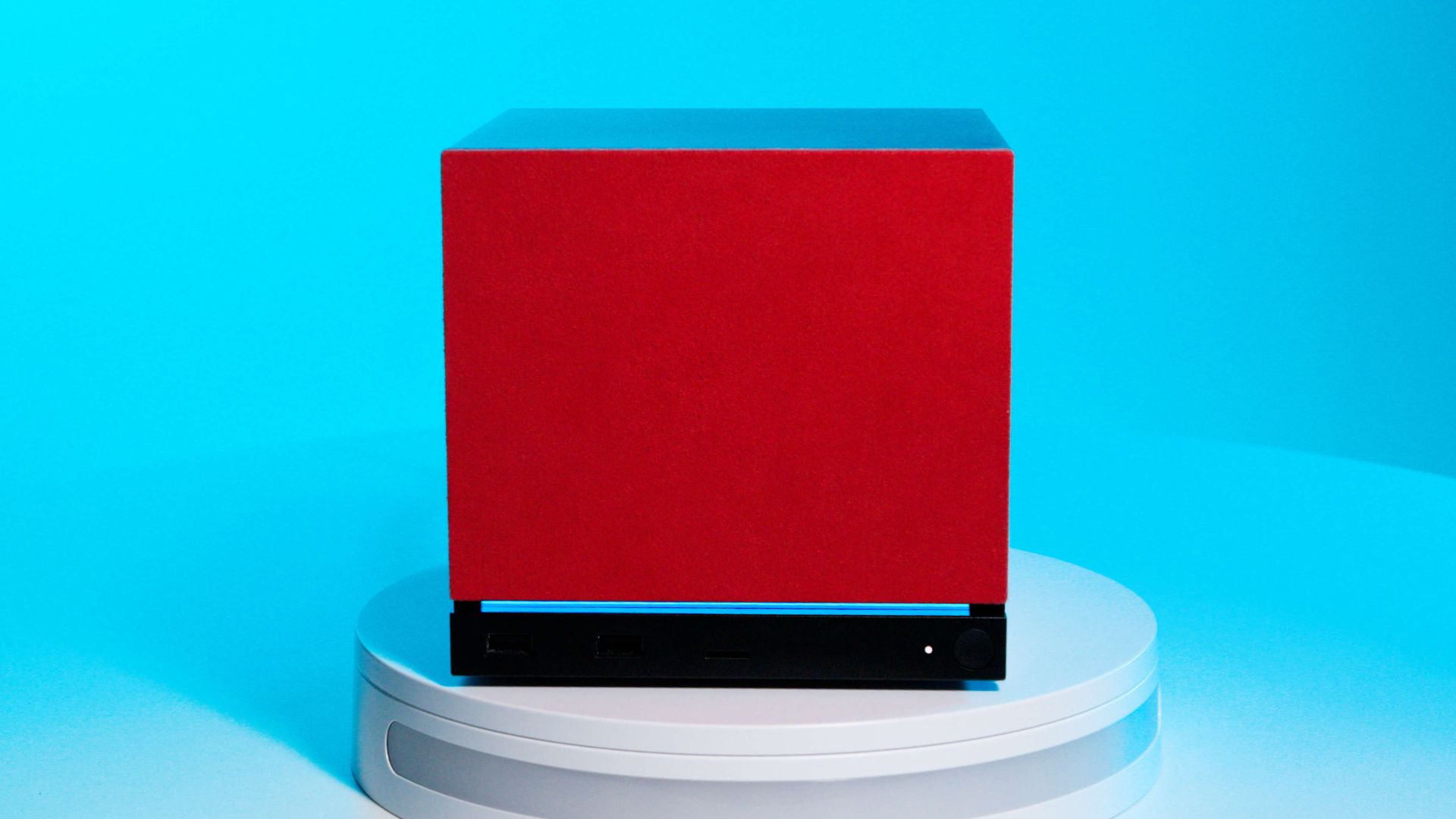
In the landscape of modern gaming hardware, few initiatives have faced as turbulent a road to market as Valve’s Steam Machine. Conceived as a bold attempt to bring the flexibility of PC gaming into the living room, the project has been perpetually dogged by the harsh realities of global supply chains. As Valve prepares to ship its inaugural wave of units, the company is grappling with a formidable adversary: an industry-wide RAM and storage crisis that has inflated component costs and threatened the very viability of the hardware’s price point.
For consumers, the sticker shock is immediate. The minimum-specification edition of the Steam Machine carries a base price of $1,049—a figure that even Valve representatives admit is far from ideal. However, as the company gears up for a high-stakes launch, the narrative has shifted from one of pricing disappointment to one of operational survival.
The Anatomy of the Crisis: A Perfect Storm
The semiconductor and memory markets have been experiencing a period of extreme volatility. Driven by a confluence of factors—including surging demand for data center infrastructure, mobile device production, and a general shortage of critical flash memory—the cost of RAM and SSD storage has soared. For a company like Valve, which relies on third-party hardware partners and global logistics to assemble its living-room consoles, these price hikes are not merely accounting headaches; they are existential threats to the project’s market penetration.
At $1,049 for the entry-level model, the Steam Machine faces an uphill battle against established consoles from Sony and Microsoft, which enjoy massive manufacturing subsidies and economies of scale. Valve’s goal of making the Steam Machine an accessible, "plug-and-play" alternative to the traditional PC desktop is directly at odds with the current market realities.
A Chronology of Uncertainty
To understand the current state of the Steam Machine, one must look back at the beginning of the year, a period that now seems almost apocalyptic for Valve’s hardware division.
- Q1: The Dire Outlook: At the start of the calendar year, Valve’s internal teams were not entirely certain that a commercial launch was feasible. The combination of component shortages and volatile pricing meant that securing a stable supply chain was, at times, impossible.
- Q2: Navigating the Shortage: Through spring, Valve’s sourcing teams engaged in a high-stakes effort to lock in component contracts. While the "RAM crisis" continued to bite, the company managed to secure enough volume to move from a state of total uncertainty to one of controlled production.
- Q3: The Reservation System: Recognizing that demand would inevitably outstrip the initial, limited supply, Valve implemented a reservation queue system. This was designed to prevent the chaos of "botting" and scalping that often plagues hardware launches.
- Q4: The Shipping Phase: As of this week, the reservation system is moving into its final stages, with units beginning to ship to customers who managed to secure their place in the queue.
Official Responses: "We Are Proud of Where We’re At"
In a recent interview, Valve engineers Yazan Aldehayyat and Pierre-Loup Griffais provided rare, candid insight into the challenges the company has faced. Their perspective highlights the tension between the desire to meet consumer demand and the constraints of a global supply chain.
"Things looked really dire at the beginning of the year," admitted Griffais. "We weren’t sure if there was going to be anything at all."
Despite the gloomy start, Valve’s leadership expresses a sense of accomplishment regarding the final inventory count. While the total number of units is lower than what would have been manufactured under stable economic conditions, it represents a "sizable amount" given the circumstances.
Aldehayyat echoed this sentiment, emphasizing the logistical impossibility of perfect supply: "I want to emphasize that, even under the best of circumstances, getting enough quantity for day one is always hard-slash-impossible. From our perspective, we still got to a pretty good place."
The engineers acknowledge that there will inevitably be a disconnect between consumer interest and the available units. According to the company, the "day one demand" typically accounts for a massive percentage of the total demand for the first year of a product’s life. This makes a total supply match impossible for any manufacturer in the initial weeks of a launch.
Implications for the Future of Steam Hardware
The implications of this launch extend far beyond the specific specs of the Steam Machine. Valve is testing a new model of hardware distribution—one that leans heavily into the software ecosystem of Steam while outsourcing the physical assembly.
1. The Pricing Threshold
The most immediate implication is the challenge of consumer pricing. If the entry-level price remains north of $1,000, the Steam Machine remains a luxury product for enthusiasts rather than a mass-market console. Valve’s internal desire to make the product cheaper is not just a marketing talking point; it is a necessity for the long-term viability of the platform.
2. Supply Chain Resilience
The current crisis has forced Valve to refine its supply chain logistics. By managing a reservation system and focusing on "sourcing" as a core competency, the company is building the infrastructure necessary to handle future hardware releases. Whether it’s the Steam Deck or subsequent iterations of the Steam Machine, the lessons learned during this period of scarcity will be invaluable.
3. The "Platform" vs. The "Box"
Valve’s long-term strategy remains the promotion of SteamOS and the Steam platform. If the hardware supply remains constrained, the success of the project will increasingly depend on the portability of SteamOS to other devices. The Steam Machine acts as a flagship—a reference design meant to show the industry what is possible when the living room is treated as a PC-capable environment.
Assessing the "Better Than Nothing" Strategy
Is the Steam Machine launch a success? From a traditional hardware manufacturing perspective, the limited stock and high price point suggest a difficult start. However, from the perspective of a company that, at one point, expected to have zero units to sell, the current status is a victory of logistics.
Valve has successfully navigated a period of extreme economic instability to deliver a product that, while expensive, fulfills its promise of bringing the Steam experience to the television screen. The company’s focus is now on "catching up" to demand. If they can stabilize the supply chain in the coming months, the Steam Machine may yet find its footing.
For now, the project remains a testament to the fact that even in the software-driven world of Valve, you cannot escape the physical laws of the electronics market. As the first boxes arrive in homes, the real test will be whether the consumer experience justifies the premium price and the long wait. Whether the Steam Machine eventually becomes a household name or a niche collector’s item will depend on whether Valve can lower those barriers to entry—starting with the price tag.
In the final analysis, Valve has managed to survive the crisis of the year. Whether they can thrive in the years to follow will depend on their ability to move beyond scarcity and into the realm of mass-market accessibility. For a company that has changed the face of digital distribution, conquering the physical shelf remains the final, and perhaps most difficult, frontier.

