

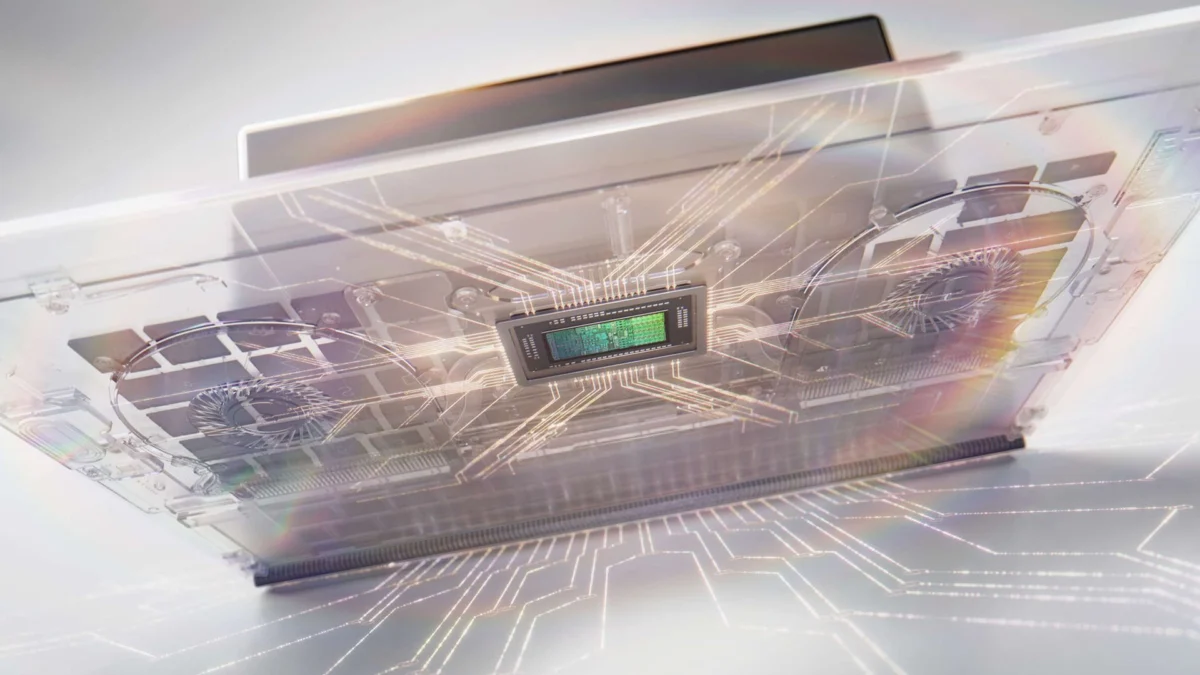
The tech landscape stands at a fascinating and paradoxical crossroads. The arrival of a groundbreaking hardware category designed for agentic and local AI processing brings immense capability, yet it lands squarely in the teeth of a severe global memory manufacturing crisis. Nvidia’s new RTX Spark laptop hardware lineup, now rolling out across premier flagship notebooks from tier-one manufacturers, represents a monumental architectural shift for personal computing. However, marrying massive unified memory pools with advanced Arm-based silicon has resulted in price tags that threaten to relegate these next-generation machines to elite professionals and enterprise developers.
Pre-orders are currently opening for these elite notebooks, but as consumers digest the costs, the industry is forced to reckon with an uncomfortable reality: the very technological revolution driving the need for these devices is also making them remarkably difficult to build and afford.
Main Facts: The Architecture of the RTX Spark
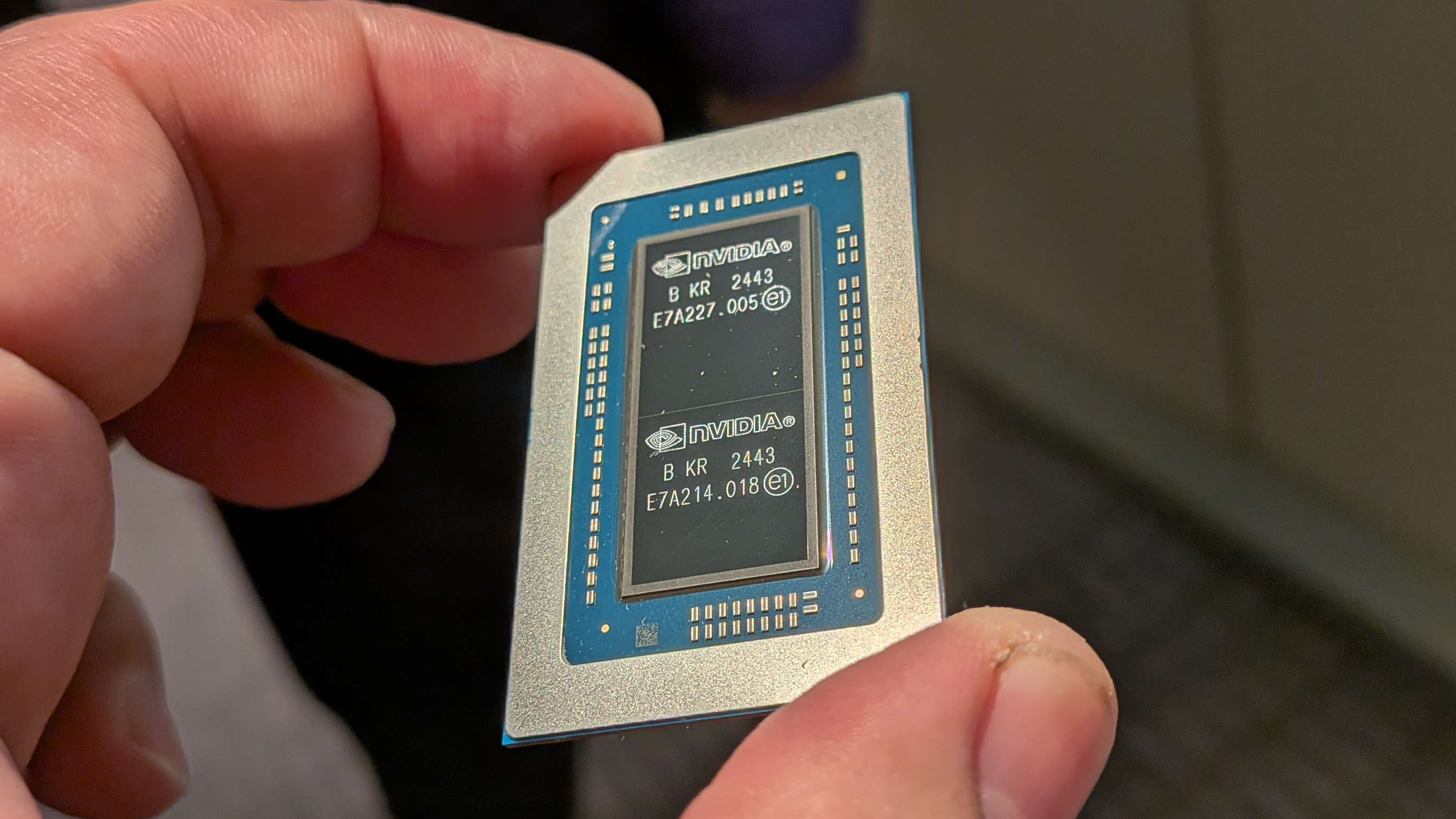
At the heart of the RTX Spark initiative lies a bespoke family of Arm-based System-on-Chips (SoCs)—dubbed the Nvidia N1X processors. Designed from the ground up to support localized machine learning models, autonomous AI agents, and heavy productivity workflows without constantly pinging cloud datacenters, the hardware configurations are divided into two main tiers:
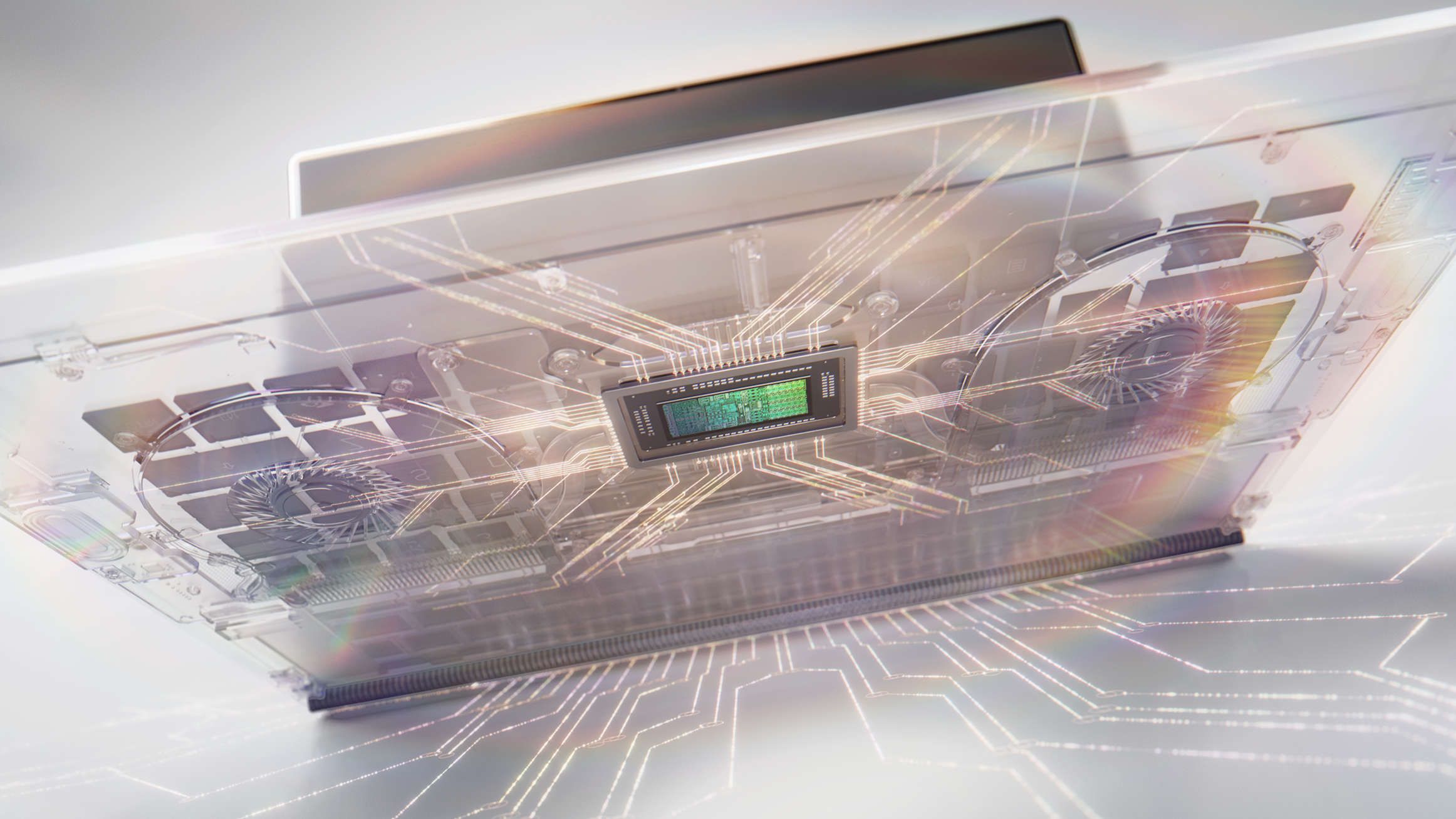
- The Flagship N1X Tier: Features a 20-core CPU layout paired with a robust 6,144 CUDA-core graphics architecture.
- The Secondary N1X Tier: Features an 18-core CPU layout paired with 5,120 CUDA cores.
Unlike traditional Windows laptops where system RAM and graphics VRAM are segregated onto distinct modules, RTX Spark laptops rely entirely on soldered-down, un-upgradeable unified LPDDR5x memory. These memory pools scale from a modest 24 GB at the entry level up to a staggering 128 GB on fully loaded enterprise and creator workstations.
While gaming is not the primary promotional angle for these machines—serving more as a pleasant byproduct for developers taking a break—Nvidia and its hardware partners promise impressive performance. Early hardware demonstrations target roughly RTX 5070-level graphics capability, capable of driving modern titles at 1440p with high framerates, maintaining identical performance profiles whether running on battery power or plugged into a wall outlet.
Chronology: How We Arrived at the Edge-AI Notebook Boom
The path to the RTX Spark launch has been paved by a rapid convergence of hardware development, software adaptation, and macroeconomic supply constraints.

- Late 2024 to 2025: The mainstreaming of generative AI tools shifts developer focus away from purely cloud-based large language models (LLMs) toward local, privacy-focused open-source models. Local inference tools like ComfyUI and Unsloth explode in popularity, but demand hardware with vast pools of high-bandwidth memory.
- Mid-2025: Microsoft drops the "On Arm" branding for its operating systems, signaling full native parity and ecosystem backing for Arm-based Windows environments. Emulation layers mature, allowing heavy creative suites and select native game builds (such as Alan Wake 2) to run smoothly on non-x86 architectures.
- Early 2026: Global memory manufacturing lines become entirely saturated by enterprise AI infrastructure demands (such as high-end data center accelerators). Consumer-grade RAM and SSD components experience severe supply crunches and rising baseline costs.
- Today: Nvidia officially unveils the RTX Spark platform. Major OEMs—including Microsoft and Asus—open pre-orders for initial flagship implementations like the Microsoft Surface Ultra and the Asus ProArt P16, exposing the stark financial reality of first-generation AI-first hardware.
Supporting Data: Breaking Down the Price-to-Performance Matrix
Because unified memory is soldered directly to the motherboard and cannot be upgraded post-purchase, configuration choices made at checkout are permanent. This introduces high-stakes decision-making for buyers staring down exorbitant retail pricing.
Entry-Level Friction
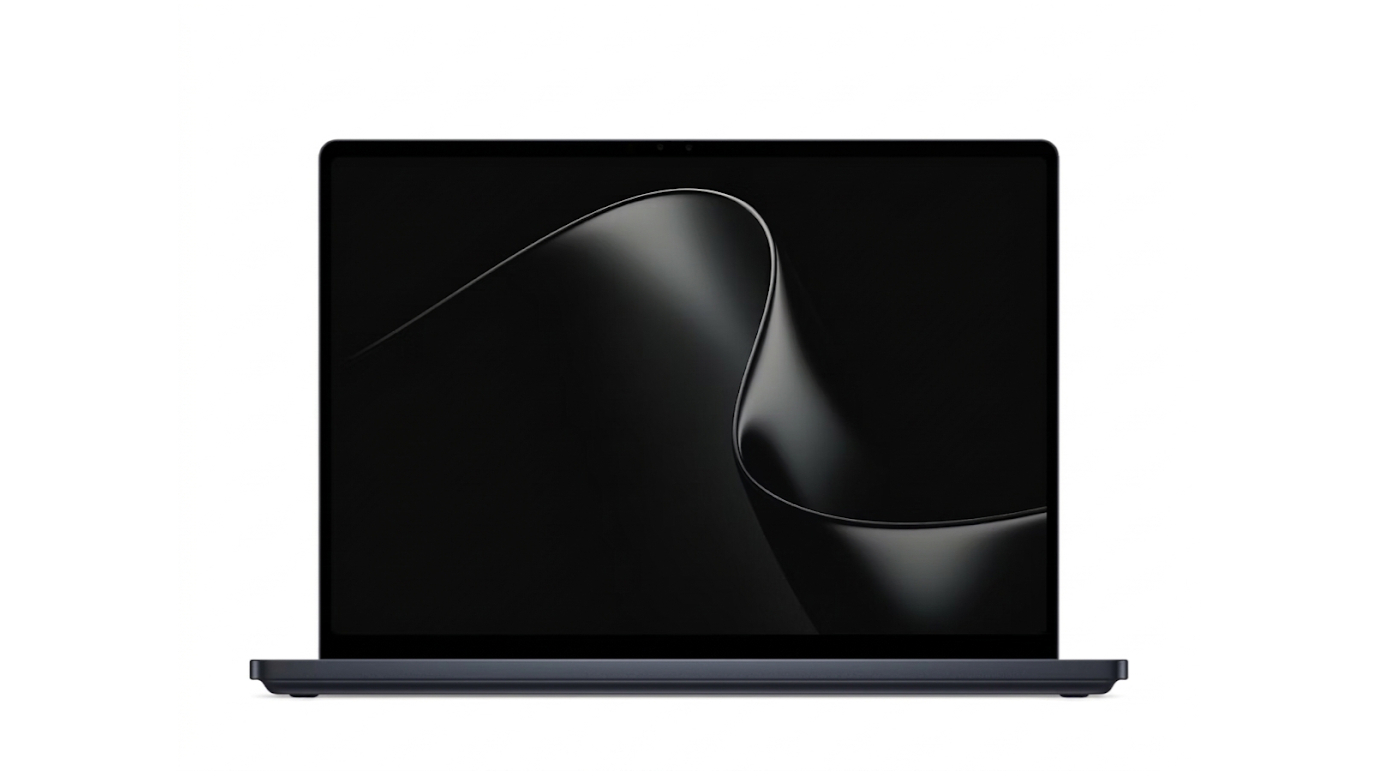
Take the base configuration of the Microsoft Surface Ultra, which features the 18-core N1X processor, a restricted 512 GB solid-state drive, and 24 GB of unified memory. This baseline setup starts at approximately $2,600.
Industry analysts and hardware reviewers point out immediate friction points with this entry tier:
- Memory Limitations: 24 GB of shared unified memory is quickly consumed by modern operating systems and overhead, leaving narrow margins to comfortably load and execute frontier-class local AI models.
- Storage Constraints: A 512 GB SSD fills up rapidly when housing multiple heavy AI model weights alongside modern AAA game installations.
- The Competitor Contrast: For roughly $1,600 (or $1,000 less than the base Surface Ultra), consumers can purchase traditional gaming laptops equipped with discrete Nvidia GeForce RTX 5070 Ti GPUs and independent RAM pools, offering wider upgrade paths and robust traditional performance.
High-End Creator Workstations
At the opposite end of the spectrum, fully realized creator machines command astronomical pricing:
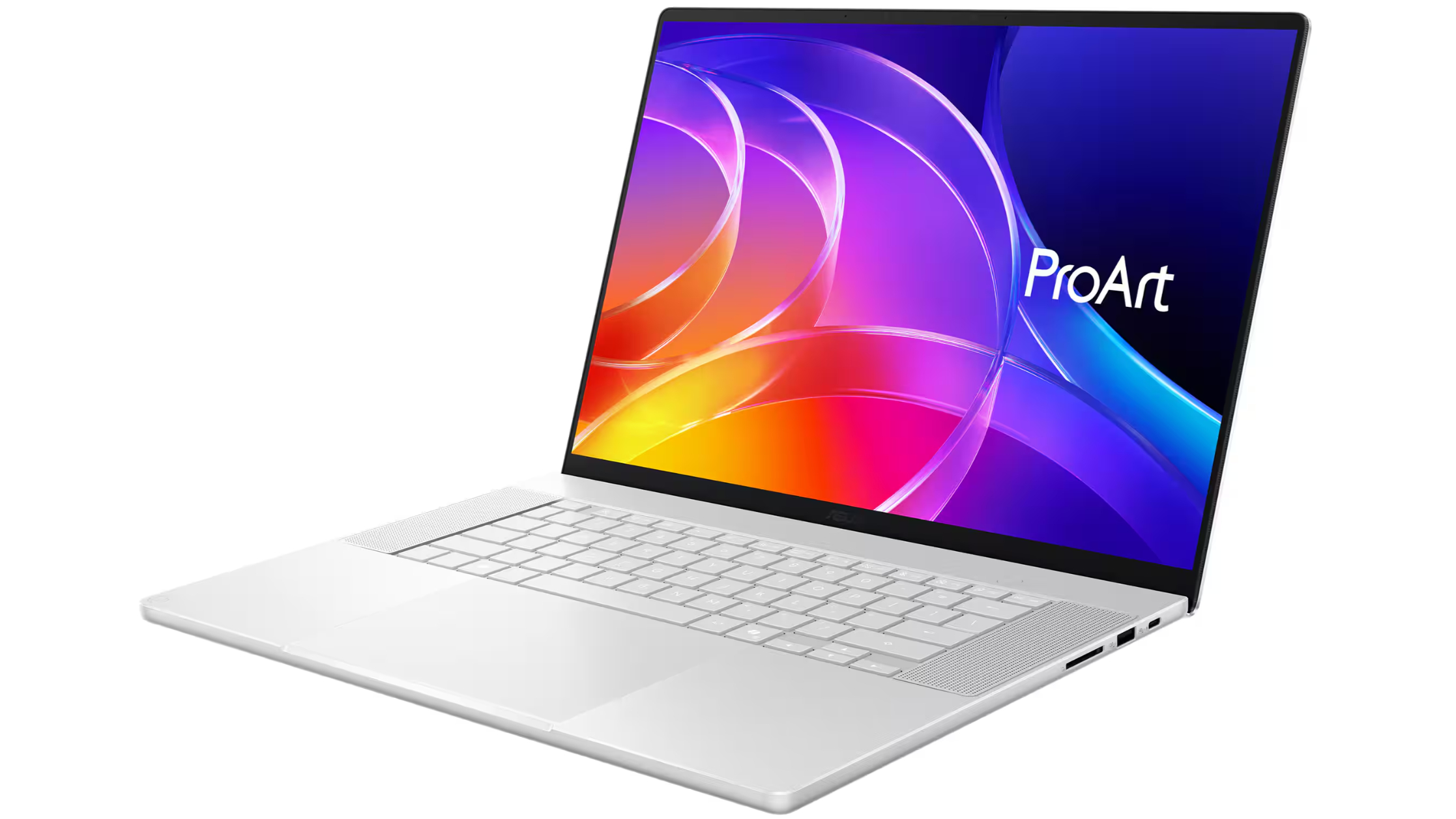
- Asus ProArt P16 (Top Tier): Packing a 20-core N1X processor, 128 GB of unified memory, and a 2 TB SSD, this luxury OLED touchscreen workstation retails for around $7,000.
- Asus ProArt P16 (Mid-High Tier): The 64 GB memory variant with a 1 TB SSD presents a slightly more grounded—though still premium—price point of $4,500.
- Microsoft Surface Ultra (64 GB Variant): Configured similarly with 64 GB of unified memory, this model lists at approximately $4,300.
To contextualize these figures, traditional ultra-premium enthusiast laptops—such as a Razer Blade 16 equipped with an RTX 5080 and 64 GB of standard RAM—sit around $4,700. High-end computing across the entire board has become an exceptionally expensive endeavor.
Official Responses and Industry Perspectives
Hardware manufacturers and ecosystem leaders are defending the aggressive pricing structures by pointing to the paradigm-shifting utility of local agentic computing.
Nvidia representatives emphasize that the N1X architecture bridges a critical gap for professionals who require desktop-class machine learning capabilities in a mobile form factor. By tightly integrating the CPU, GPU cores, and massive high-speed memory buses onto a single package, latency is drastically reduced, enabling instantaneous local responses from AI agents without relying on external internet connectivity or incurring recurring cloud subscription fees.
PC hardware reviewers and early testers have expressed measured optimism tempered by financial caution. While early hands-on sessions with native Arm application ports—such as running optimized builds of demanding titles and tools—demonstrate impressive engineering prowess, the consensus highlights a looming adoption hurdle. First-generation devices are widely expected to appeal primarily to early-adopting AI developers, data scientists, and well-funded creative professionals, rather than mainstream consumers.
Implications: A Turning Point for the PC Ecosystem
Despite the prohibitive cost barriers, the launch of the RTX Spark platform carries profound implications for the future of personal computing:
1. The Death of the "Cloud-First" Default
With Microsoft introducing its new Hybrid Intelligence toggle within Windows, the operating system can dynamically route background computational tasks. Workloads that previously flooded cloud datacenters—such as generating rapid creative assets, text summarization, and automated desktop agents—can now be offloaded locally onto the N1X’s dedicated hardware accelerators.
2. Easing the Datacenter Burden
By shifting localized AI generation from massive server farms to millions of edge devices, the tech industry hopes to alleviate mounting power and infrastructure strains on global datacenters. In a cyclical sense, widespread local processing could eventually help stabilize corporate demand patterns, potentially offering downstream relief to the very memory manufacturing supply chains that currently inflate hardware costs.
3. A Glimpse Into the Post-x86 Future
The maturation of Arm-based Windows machines backed by powerful, integrated Nvidia graphics components signals a slow erosion of traditional x86 dominance in premium mobile computing. If software developers continue to embrace native Arm compilation—spurred by hardware as capable as the RTX Spark—the industry may soon look back at these expensive, first-generation growing pains as the foundational stepping stones of the post-traditional PC era.

