

By PC Gamer Reporting
(Image credit: Slitherine)
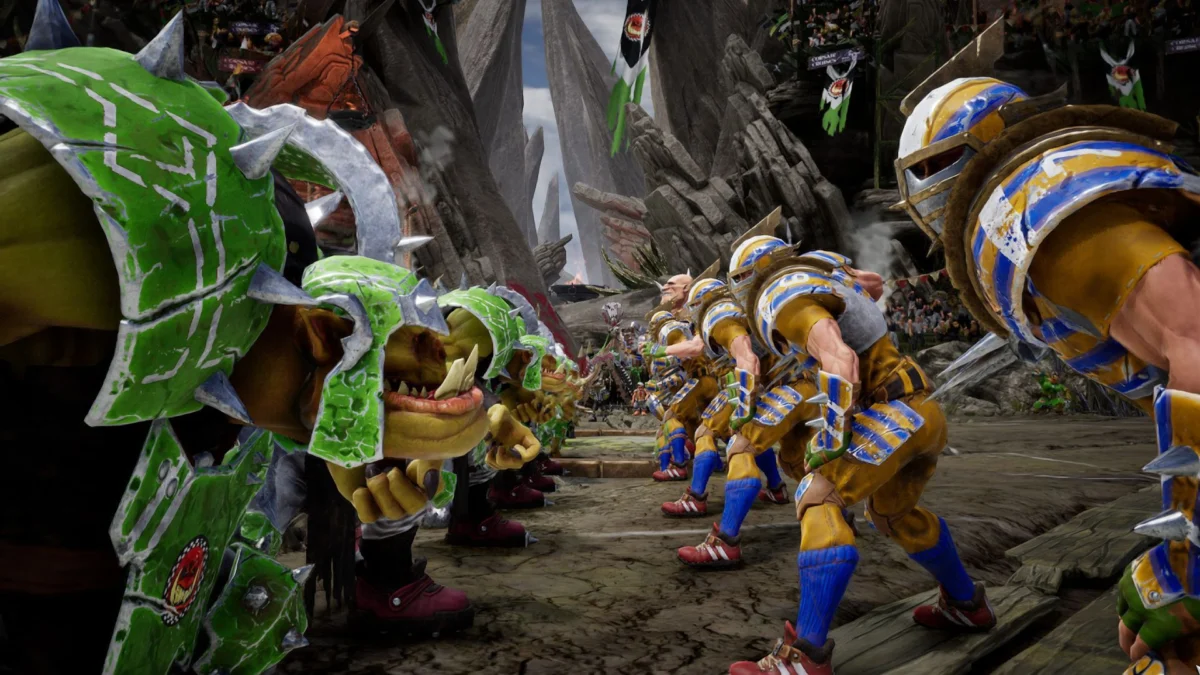
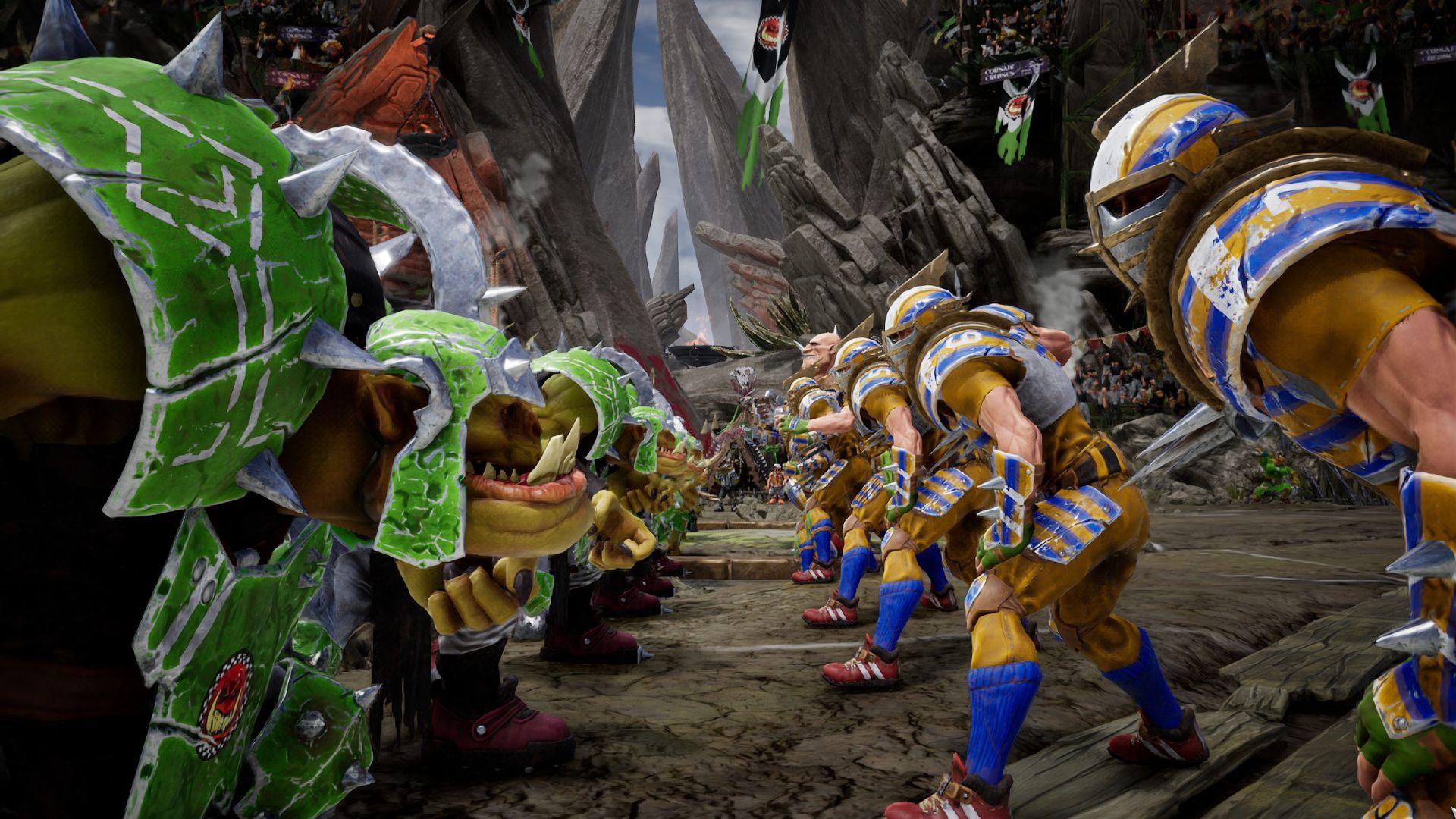
The brutal, tactical world of fantasy gridiron is undergoing a significant transition. As players turn their attention toward Warhammer Blood Bowl, publisher Slitherine has begun clarifying how existing inventories, premium currencies, and team rosters will carry over from Blood Bowl 3.
While early hands-on playtests suggest the upcoming release is more of a "Blood Bowl 3.5" refinement than a ground-up revolution, the transition raises important questions about monetization, account continuity, and the future of digital tabletop sports adaptations.
Main Facts
- Seamless Asset Transfer: Players will use the same Blood Bowl account across both games, allowing them to instantly carry over all previously purchased cosmetics, Warpstones, and teams from Blood Bowl 3 into Warhammer Blood Bowl.
- Warpstone Retention: Slitherine has confirmed that players do not need to panic-spend their remaining Warpstones out of fear of losing them, as balances will transfer over.
- Uncertain Team Monetization: While Warpstone will definitely remain the primary currency for cosmetic items in Warhammer Blood Bowl, Slitherine has offered ambiguous signals regarding how future teams will be sold, noting they are "still thinking about how to handle Teams." This leaves open the possibility of a return to the Blood Bowl 2 model of selling additional teams strictly as standalone DLC.
- Playtest Availability: The Warhammer Blood Bowl beta is currently live, with open access available to anyone who clicks the "Request Access" button on the official Steam page.
- Substantive Quality-of-Life Upgrades: Early playtesters have praised the title for introducing much-needed features, including a mid-match save-and-quit option, a weather-condition UI tooltip, and "Rumble Mode"—a new seven-a-side variant for faster, more compact matches.
Chronology of the Series and the Current Transition
To understand the weight of Slitherine’s recent announcements, it is helpful to look at how the digital adaptation of Games Workshop’s cult-classic board game has evolved over the past decade.
- 2015–2017 (Blood Bowl 2 Era): Developed by Cyanide Studio and published by Focus Home Interactive, Blood Bowl 2 established a robust baseline for digital gridiron play. During this era, expansions and roster additions were largely handled via traditional downloadable content (DLC) packs, allowing players to purchase specific faction expansions outright.
- Late 2022 / Early 2023 (Blood Bowl 3 Launch): Blood Bowl 3 arrived with high expectations but faced severe technical hurdles, server instability, and mixed reception from the hardcore community. It introduced a live-service battle pass framework and a premium currency called Warpstone, altering how cosmetic items and rosters were acquired.
- The Present (Warhammer Blood Bowl Development): Recognizing the need to streamline the franchise and win back player goodwill, Slitherine initiated development on Warhammer Blood Bowl. Positioned as a major iterative leap rather than an entirely new intellectual property, the project aims to fix longstanding community complaints while modernizing the user experience.
- Current Beta Phase: Slitherine launched public playtests via Steam, inviting the community to test quality-of-life adjustments, balance tweaks, and new match modes like Rumble Mode.
Supporting Data: What Carries Over and What Remains Up in the Air
For veteran coaches who have invested hundreds of hours—and real-world currency—into Blood Bowl 3, the primary concern has always been asset protection. Slitherine’s official clarifications provide a mixed bag of absolute security and lingering questions.
Account Continuity and Inventory Safety
Slitherine has explicitly confirmed that player profiles will be unified under a single system:
- The Account Bridge: Players will log in using their established Blood Bowl account credentials.
- Cosmetics and Roster Carryover: Any team, stadium dressing, dice skin, or cosmetic modification acquired in Blood Bowl 3 will immediately populate the player’s locker room in Warhammer Blood Bowl.
- Warpstone Balance: Virtual wallets are safe. Remaining Warpstone balances will transfer seamlessly, ensuring no player loses hard-earned or purchased funds during the migration.
The Monetization Question Mark
Despite the reassurance regarding existing assets, Slitherine’s stance on future team acquisition remains fluid.
- Cosmetics Are Locked In: Warpstones will definitively remain the in-game currency used to purchase visual upgrades, special animations, and team aesthetic flourishes.
- The Team Dilemma: When asked how new factions will be introduced down the line, a Slitherine representative stated, "We are still thinking about how to handle Teams."
This hesitation has sparked debate within the community. Under the Blood Bowl 3 live-service model, new teams were tied to seasonal battle passes and premium currency shops. Older veterans, however, frequently look back fondly on the Blood Bowl 2 era, where teams were cleanly packaged as distinct DLC purchases. Whether Slitherine will lean back toward traditional DLC packs or stick to a live-service storefront remains one of the most critical unanswered questions surrounding the game’s launch.
Official Responses and Developer Insights
In an exclusive exchange with Slitherine representatives, the studio sought to reassure the community that the transition is designed to reward, rather than alienate, loyal players.
Rather than forcing a hard reset that would wipe out years of digital collection-building, the integration framework ensures that community investments retain their value. However, the developer’s measured response regarding team distribution reflects the delicate balance publishers must strike in modern strategy gaming: keeping monetization profitable while avoiding the player fatigue associated with aggressive live-service economies.
Early hands-on impressions of the beta indicate that the studio is focusing heavily on tactical depth and user comfort. Reviewers noting that the game feels like a "Blood Bowl 3.5" have highlighted several key additions:
- Mid-Match Save & Quit: A massive quality-of-life victory for a turn-based strategy game notorious for long, uninterrupted match commitments.
- Weather UI Tooltips: A subtle yet vital interface improvement allowing coaches to easily mouse over weather indicators to check precise mechanical penalties and bonuses.
- Rumble Mode: The introduction of a streamlined, seven-a-side variant provides a faster, more accessible tactical experience for players who want the strategic violence of Blood Bowl without the full eleven-player commitment.
Implications for the Community and the Strategy Genre
The arrival of Warhammer Blood Bowl and its integration model carry several broader implications for digital tabletop adaptations:
1. Rebuilding Trust Through Continuity
By allowing players to bring their entire inventory across games, Slitherine is actively avoiding the backlash often associated with annual sports titles or frequent live-service sequels. When players feel their digital investments are protected, they are far more likely to engage with new platforms and beta tests.
2. Refining the Live-Service Model
The ambiguity surrounding team sales highlights an industry-wide struggle: how to monetize niche, rules-heavy strategy games sustainably. While battle passes work well for fast-paced shooters, turn-based sports titles rely on dedicated, long-tail communities. If Slitherine opts to return to a simplified DLC model for teams, it could signal a broader industry retreat from forced live-service economies in favor of traditional, consumer-friendly expansion pacing.
3. Raising the Standard for Tabletop Conversions
With community-driven improvements like save-and-quit functionality and Rumble Mode, Warhammer Blood Bowl demonstrates that developers are finally listening to long-standing player frustrations. If the final release successfully marries the mechanical depth of the tabletop ruleset with modern software stability, it could set a new gold standard for how digital board games transition into their next generation.

