

By Ford James
Published October 5, 2026
Boss fights have served as the ultimate test of skill, patience, and adaptability for nearly as long as video games have existed. Whether mandatory milestones required to push a narrative forward or optional encounters guarding legendary loot, defeating a major adversary remains one of the most rewarding experiences in interactive media. A well-designed boss can define an entire console generation, utilizing unique mechanics, sweeping cinematic animations, and distinct combat loops that stick in players’ memories for decades.
However, a persistent design trend continues to divide the gaming community: the multi-stage boss fight. While conceptually thrilling, the execution of these encounters—epitomized recently by games like Remedy Entertainment’s Control Resonant—has increasingly crossed the line from challenging to genuinely exhausting.
Main Facts: The Anatomy of a Multi-Stage Encounter
At its core, a multi-stage boss fight is an encounter where defeating an enemy’s initial health bar does not spell victory. Instead, the foe triggers a cinematic transformation, healing, or completely shifts combat mechanics into a harder, faster, or altogether different second (or third) phase.
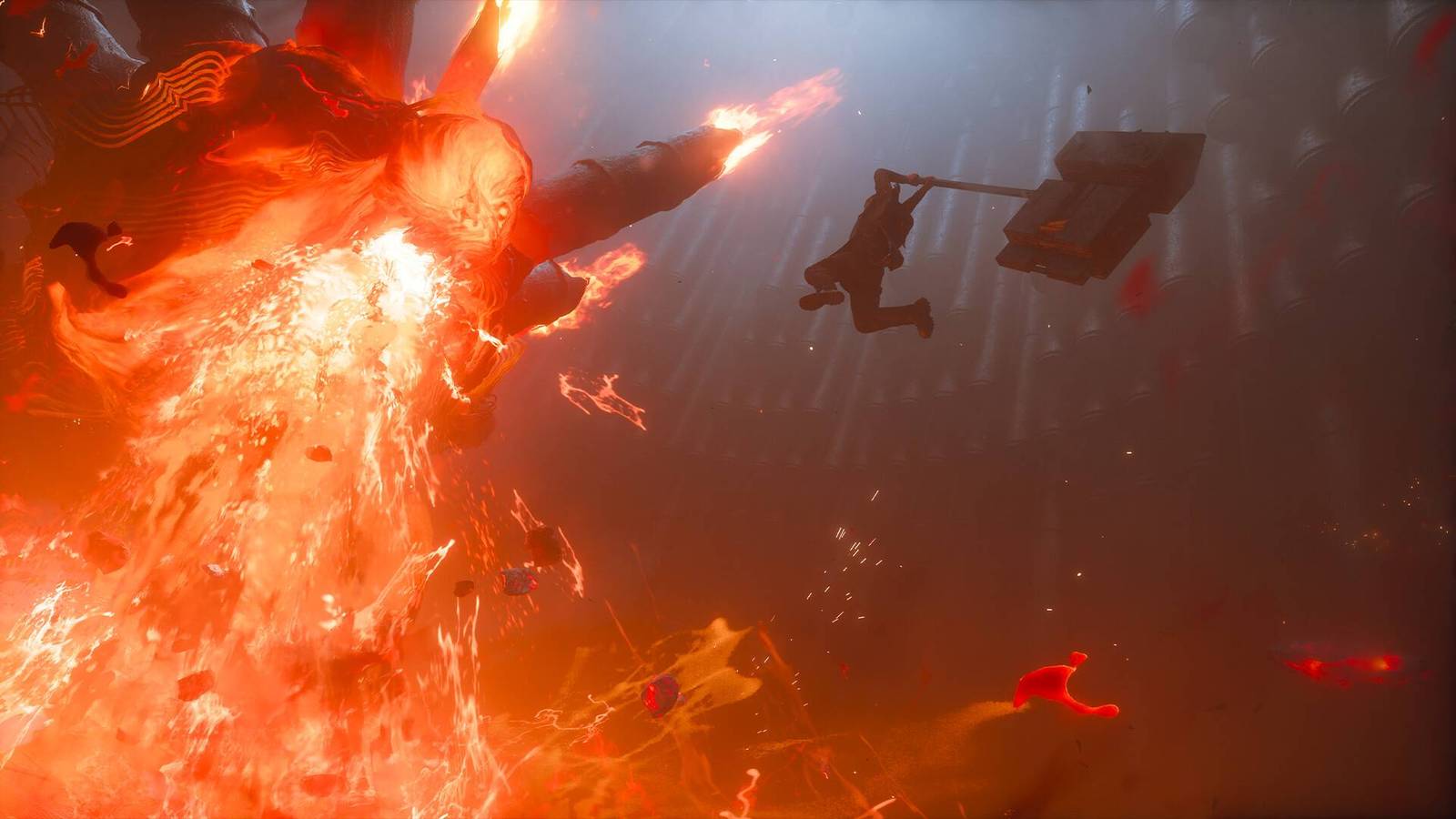
- The Element of Surprise: Traditionally designed to subvert expectations, these phases often introduce entirely new movesets, larger arenas, and fresh health bars.
- The "Gotcha" Dynamic: While games built around hardcore difficulty—such as FromSoftware’s Elden Ring, Dark Souls, and Bloodborne—have baked multi-stage expectations into their core identities, mainstream action titles are increasingly adopting the trope without the proper structural framing.
- The Penalty of Repetition: When players successfully deplete a boss’s health pool only to watch it regenerate during a mid-fight cutscene, it often creates an emotional disconnect, transforming a hard-earned victory into an abrupt hurdle.
Chronology: The Evolution of the Boss Fight Tropes
To understand why modern multi-stage boss fights evoke such polarized reactions, it helps to examine how the concept evolved across gaming history:
- The 8-Bit and 16-Bit Era (Simple Iteration): Early platformers and action games featured rudimentary multi-stage fights, typically involving basic color swaps or simple speed increases once a boss took a certain amount of damage. These shifts were usually telegraphic and quick.
- The 3D Action Renaissance (Cinematic Scaling): Titles in the late 1990s and 2000s began utilizing in-game cutscenes to bridge phase transitions. Bosses grew larger or changed environments, but the encounters were generally balanced around finite, continuous resource management.
- The Souls-Borne Standard: FromSoftware popularized the psychological conditioning of expecting a "Phase 2" for nearly every major boss. Because players entered these fights knowing that death and multi-phase surprises were guaranteed, the frustration was mitigated by preparation and genre expectation.
- The Modern Creep (2025–2026): Contemporary action games—including recent releases like Control Resonant—have increasingly adopted Souls-like multi-phase attrition without adapting the underlying checkpoints, leading to friction in games not strictly designed around trial-and-error repetition.
Supporting Data: Player Sentiment and Design Friction
While exact metrics on player drop-off rates during specific boss encounters remain proprietary, community sentiment across forums like Reddit, ResetEra, and dedicated gaming subreddits highlights a clear fatigue surrounding hidden phases.
Industry data and qualitative player feedback consistently point to three major pain points in modern encounter design:
- Learning Curves vs. Time Investment: In a traditional encounter, a player learns a boss’s moveset progressively. In a poorly designed multi-stage fight, getting to Phase 2 requires mastering Phase 1 every single time you die. If Phase 1 takes three minutes of conservative play just to reach the real challenge, players spend an enormous amount of time repeating content they have already conquered.
- The Psychology of the Health Bar: Human psychology relies heavily on progress markers. When a health bar reaches zero, the brain registers completion. Depleting that bar, only for the game to refill it, triggers an involuntary sense of being cheated.
- Alternative Solutions: Data from critically acclaimed encounters—such as The Legend of Zelda: Tears of the Kingdom—shows that multi-stage fights succeed when subsequent phases lean into spectacle and narrative payoff rather than extreme, punishing spikes in mechanical difficulty. Ganondorf’s transformation in Tears of the Kingdom extends the health bar past the screen in a dramatic, intimidating fashion, but the actual mechanics of the final phase remain accessible, preserving the cinematic triumph without excessive trial-and-error punishment.
Official Responses and Developer Philosophy
Game directors and combat designers have long defended multi-stage encounters as a vital tool for dramatic storytelling. From a narrative perspective, a villain refusing to stay down after a brutal beating emphasizes their threat level, corrupt nature, or sheer tenacity.

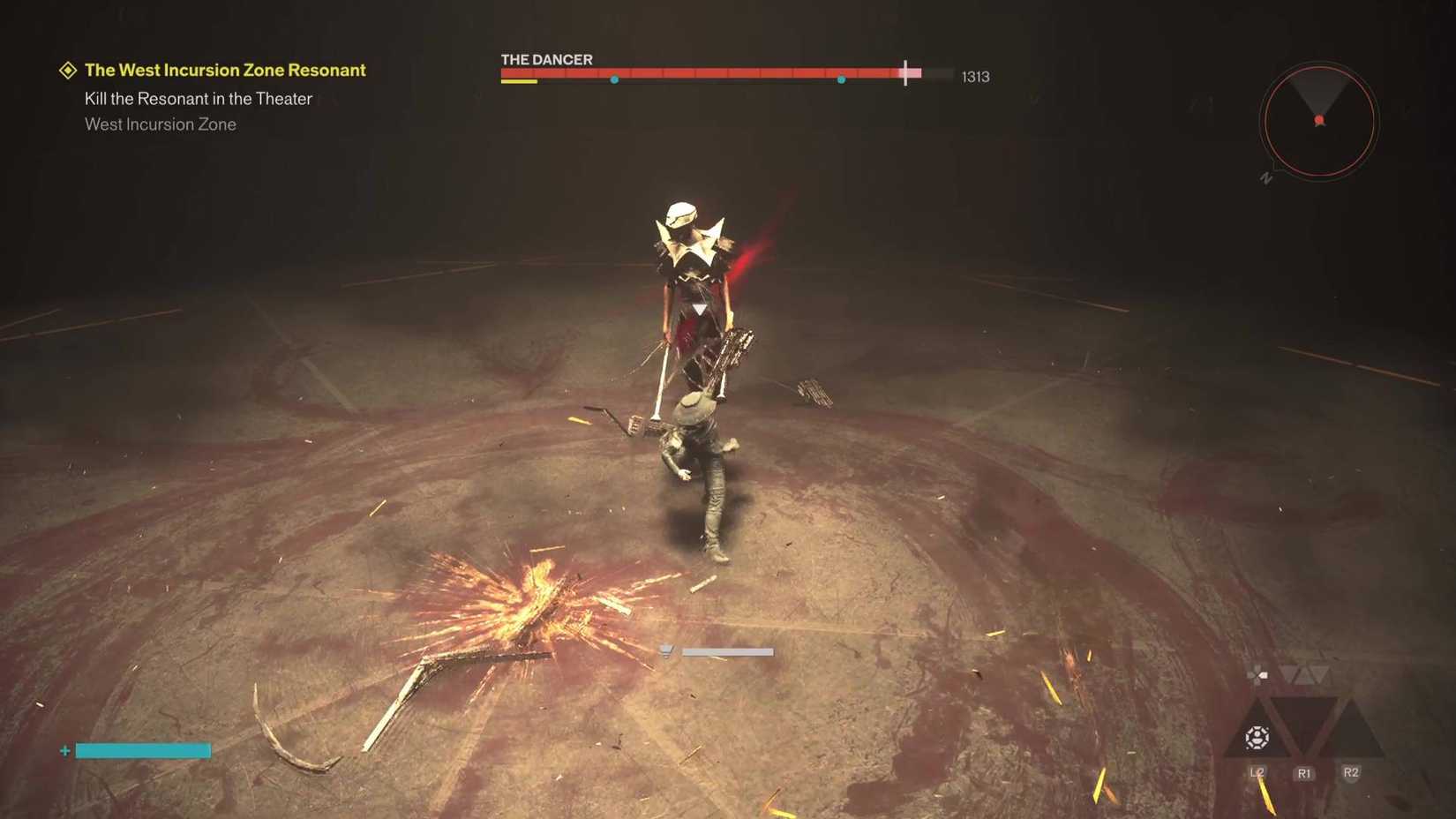
Remedy Entertainment and other narrative-driven studios have frequently noted that bosses are story beats first and combat puzzles second. In titles like Control Resonant, encounters like "The Dancer" are constructed to force players out of their comfort zones, testing their mastery of the game’s entire toolkit rather than just their reflexes.
However, developer intent frequently clashes with player experience. When asked about player burnout during punishing boss gauntlets, several veteran combat designers have acknowledged that balancing checkpoint pacing is one of the hardest tightropes in modern development. Striking a balance between a cinematic climax and respecting the player’s time remains an ongoing challenge for studios striving to innovate in the action-adventure space.
Implications for Future Game Design
The friction caused by modern multi-stage boss design points to a broader conversation about respect for the player’s time in contemporary gaming. As game libraries expand and players juggle dozens of massive titles, repetitive failure loops can actively drive consumers away from finishing games.
Developers looking to refine the multi-stage formula moving forward have several clear paths for improvement:
- Mid-Fight Checkpoints: Implementing checkpoints between distinct phases ensures that once a player masters Phase 1, they are never forced to replay it simply because they stumbled on Phase 2.
- Transparent Scaling: If a boss is going to have multiple health bars, telegraphing this upfront—or designing the transition to happen when the initial health bar reaches 50% rather than 0%—can eliminate the psychological sting of a fake-out victory.
- Contextual Difficulty: Reserving grueling, multi-layered mechanical shifts for games explicitly built around that style of gameplay (like soulslikes) while keeping mainstream action games focused on fluid, readable progression.
Ultimately, multi-stage boss fights are not inherently flawed. In theory, they provide some of the most cinematic and adrenaline-fueled moments in all of gaming. But unless developers begin rethinking how they handle health pools, transitions, and checkpoints, these encounters risk shifting from triumphant climaxes to dreaded chores.

