

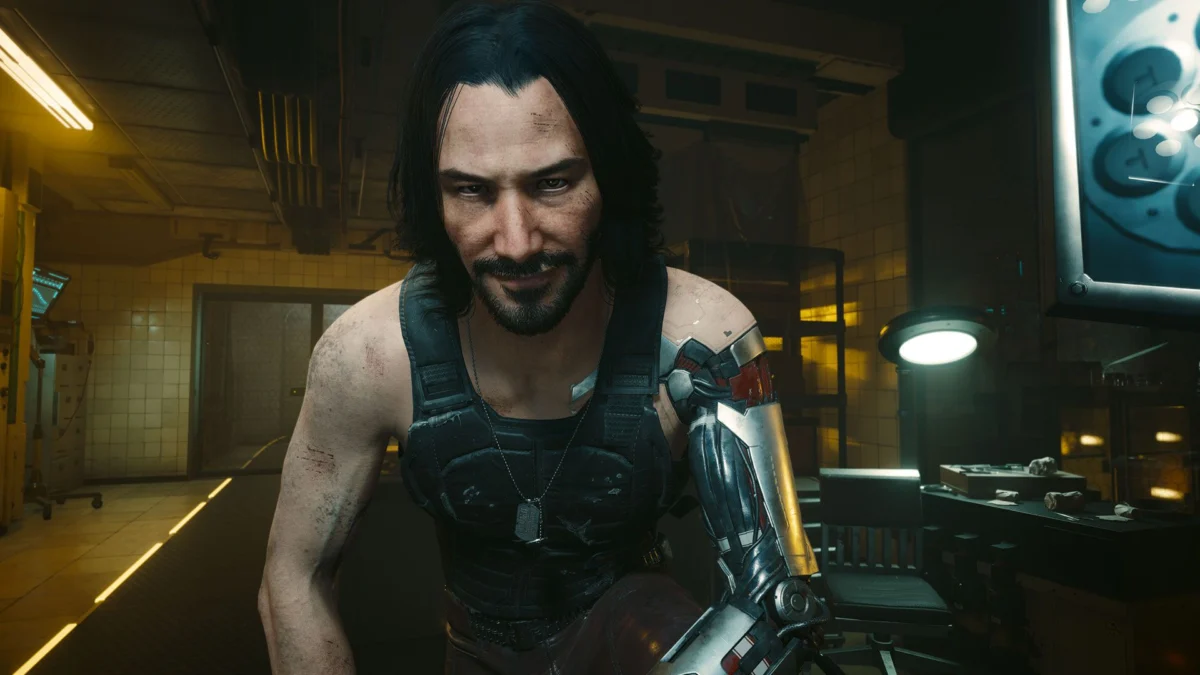
The history of interactive entertainment is littered with ambitious projects that stumbled at the starting line. Yet, few stories are as stark, transformative, and cautionary as that of Cyberpunk 2077. As we sit in 2026, over half a decade removed from its infamous December 2020 debut, the game stands as a pillar of the modern RPG genre. However, its path to greatness was not paved with seamless development; it was forged through a crucible of public outcry, technical collapse, and a multi-year effort by CD Projekt Red (CDPR) to rebuild trust with its global audience.
The Anatomy of a Technical Catastrophe
To understand the magnitude of Cyberpunk 2077’s current success, one must first confront the reality of its launch. When the title arrived in late 2020, the anticipation was arguably the highest in the history of the medium. Marketing had promised an immersive, next-generation open-world experience that would redefine the boundaries of player agency.
Instead, players were greeted with a title that was, in many regions and on specific platforms, functionally broken. The game’s performance on base PlayStation 4 and Xbox One consoles was so egregious that it triggered an unprecedented consumer backlash. Visual assets failed to load, quest-critical scripts collapsed, and the game suffered from persistent, game-breaking crashes. The situation deteriorated to the point where Sony Interactive Entertainment took the rare step of removing the title from the PlayStation Store, while CD Projekt Red was forced to issue a public apology and offer unconditional refunds.
For a studio that had earned near-universal acclaim for The Witcher 3: Wild Hunt, the fallout was a profound blow to its corporate reputation. The "Cyberpunk" brand, once synonymous with high-concept sci-fi excellence, briefly became a cautionary tale for the industry regarding the dangers of crunch culture, premature releases, and over-promising to shareholders.
A Chronology of Recovery: From Damage Control to Redemption
The road to salvation was not a singular event, but a sustained, multi-year campaign of remediation. CDPR’s recovery strategy can be categorized into four distinct phases:
1. The Immediate Triage (2021)
Following the launch, the studio pivoted entirely to stability. Throughout 2021, the development team released a series of massive hotfixes and patches. These updates were not about adding new features; they were about rendering the game playable. The focus was on memory management, frame-rate stabilization, and fixing quest-breaking bugs that prevented the completion of the main narrative.
2. The Next-Gen Pivot (2022)
The release of Patch 1.5 in early 2022 was the true turning point. This update brought the game to its intended "next-gen" form on PlayStation 5 and Xbox Series X/S. By overhauling the game’s AI, police systems, and crowd density, CDPR finally delivered the experience they had envisioned years prior. This period also saw the successful release of the Cyberpunk: Edgerunners anime on Netflix, which served as a massive cultural catalyst, bringing a surge of new and returning players to Night City.
3. The 2.0 Overhaul (2023)
As Phantom Liberty approached, CDPR released the 2.0 update—a complete systemic redesign of the game’s core mechanics. Skills, perks, and cyberware were overhauled to provide deeper build variety, and the combat loop was tightened significantly. This update proved that CDPR was not just fixing the old game, but evolving it into a modern, refined RPG.
4. The Phantom Liberty Expansion (2023–Present)
The release of the Phantom Liberty expansion acted as the final seal of approval. With a gripping, spy-thriller narrative and a new district to explore, the expansion demonstrated that CDPR had regained its storytelling prowess. It was the "icing on the cake" that allowed the community to finally view the title as the masterpiece it was originally intended to be.
Supporting Data: By the Numbers
The success of this turnaround is reflected in the metrics. By 2026, Phantom Liberty alone has surpassed 15 million copies sold—a staggering figure for a paid expansion. These sales, combined with the continuous growth of the base game, have turned Cyberpunk 2077 into a long-tail commercial success that few single-player games ever achieve.
The player sentiment, as tracked by platforms like Steam, underwent a complete reversal. After a launch-day "Mostly Negative" rating, the game’s review aggregate has steadily climbed into "Very Positive" territory. This shift is not just about the technical state of the game; it is a recognition of the sheer amount of post-launch support provided to the community for free, outside of the Phantom Liberty expansion.
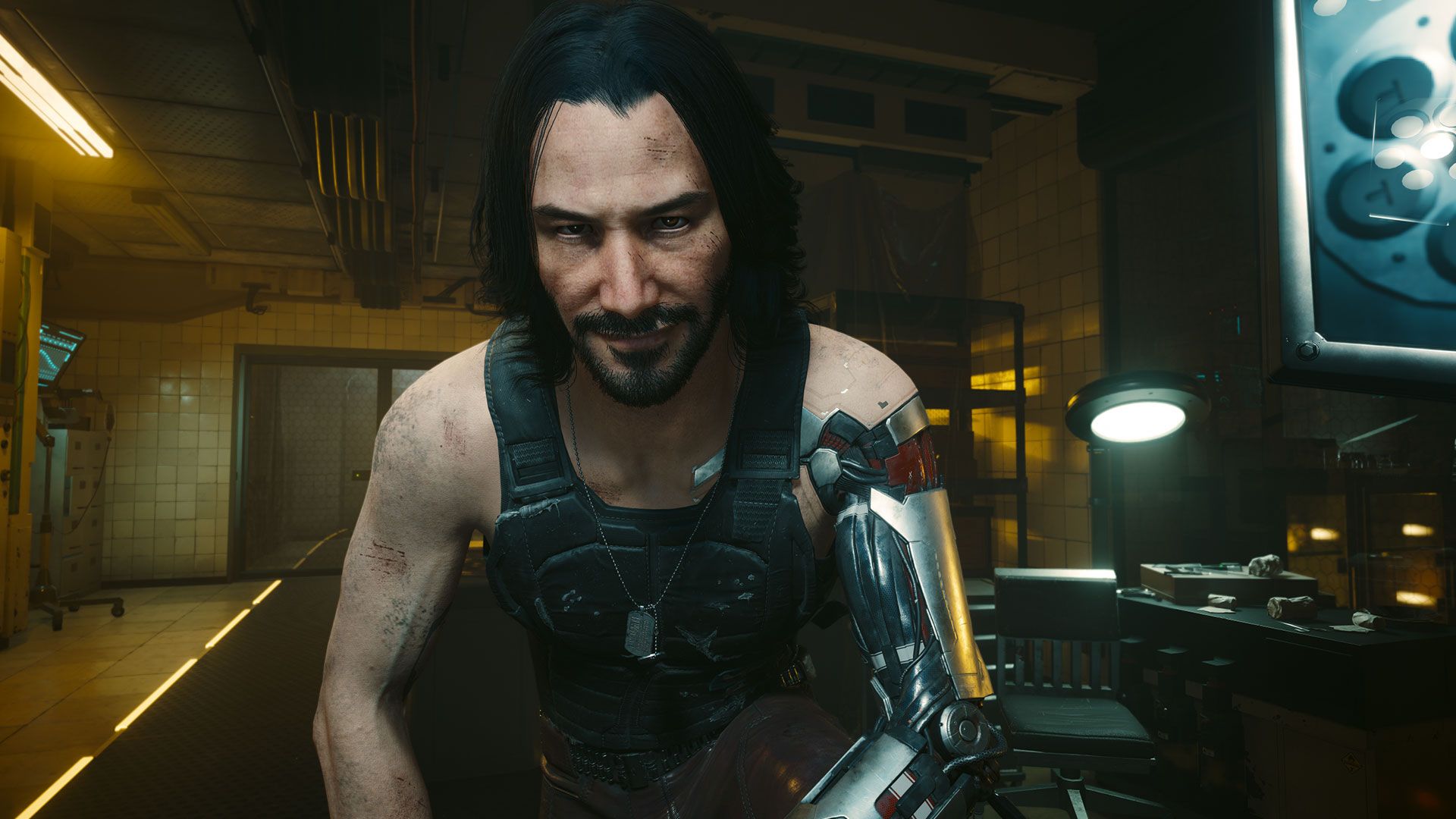
Official Perspectives: The Burden of the Past
Despite the success, the leadership at CD Projekt Red remains acutely aware of the scars left by the 2020 launch. Pawel Sasko, a lead designer whose voice has become synonymous with the game’s transparency, recently took to social media to reflect on the journey.
"I do not think Phantom Liberty erases the launch of Cyberpunk 2077, and I would never want to tell our story that way," Sasko wrote. His reflection highlights a critical philosophy within the studio: accountability. By acknowledging the pain points of the initial release, the developers demonstrate a maturity that is often absent in corporate communication.
Sasko further elaborated on the internal lessons learned: "What stays with me most after three years is what making this expansion taught me about directing games, trusting people, making choices meaningful, giving characters space to breathe, and accepting the scars that come with making something this difficult."
This sentiment captures the duality of the Cyberpunk experience: it is a triumph of persistence, yet it remains a reminder of the fragility of the gaming industry’s trust.
The Long-Term Implications for the Industry
The legacy of Cyberpunk 2077 extends beyond its own codebase. It has fundamentally changed how the industry approaches game development and launch cycles.
The Death of "Release Now, Fix Later"
The backlash against Cyberpunk 2077 set a new standard for consumer expectations. In the years since, major publishers have faced significantly harsher scrutiny for releasing buggy products. The "Cyberpunk effect" has forced studios to be more transparent about development progress and has likely contributed to the increase in high-profile delays, as companies fear the brand-damaging consequences of a poor launch.
The Power of "Second Chances"
The narrative of Cyberpunk 2077 has also provided a blueprint for how to handle a public relations crisis. By committing to the game for years—providing free upgrades, deep overhauls, and consistent developer communication—CDPR proved that a game’s life cycle does not end on the day of release. This "service-style" support for a single-player experience has become a new gold standard.
The Human Element
Finally, the saga of Cyberpunk 2077 serves as a poignant reminder of the humans behind the software. The developers who spent years "in the trenches" fixing the game were not just employees; they were creators battling the weight of a shattered reputation. The fact that they succeeded is a testament to their dedication, even as the shadow of the 2020 launch remains a permanent fixture in the history of CD Projekt Red.
Conclusion: A Legacy Defined by Growth
As we look back in 2026, Cyberpunk 2077 is no longer defined by the bugs that plagued its first week. It is defined by its characters, its world, and the sheer tenacity of its creators. While it is true that the expansion does not "erase" the launch, it does something perhaps more important: it transforms the narrative.
The story of Cyberpunk 2077 is now one of resilience. It is a lesson in how to own one’s failures, how to listen to a community, and how to eventually deliver on the promises that once seemed impossible. For the players who stuck with it, and for the developers who refused to abandon it, the game stands as a testament to the idea that in the world of game development, it is rarely too late to change the ending. Night City was built on the back of a disaster, but it has risen to become one of the most vibrant, complex, and beloved worlds in digital history.

