

Legendary game designer Peter Molyneux has spent decades pioneering, redefining, and occasionally over-promising within the games industry. From the genre-defining brilliance of Dungeon Keeper and Black & White to the fairytale ambitions of Fable, Molyneux’s career has always been defined by a desire to blend distinct gameplay mechanics into cohesive, highly interactive sandbox experiences.
However, when his latest title, Masters of Albion, launched into early access back in April, it was met with a lukewarm reception. Critics and players alike praised its nostalgic DNA—recognizing the unmistakable fingerprints of classic god games—while simultaneously lamenting its shallow mechanics, repetitive loops, and punishing performance issues. Many wrote it off as merely another conceptual "sketch" from a visionary past his prime.
Today, developer 22cans is attempting to rewrite that narrative with the release of the massive ‘New Beginnings’ update. Overhauling nearly every core system from the ground up, this patch promises to address the community’s harshest criticisms. Does this major overhaul finally capture the elusive god game magic of old, or is it too little, too late for Molyneux’s self-proclaimed final title?
Main Facts: What is the ‘New Beginnings’ Update?
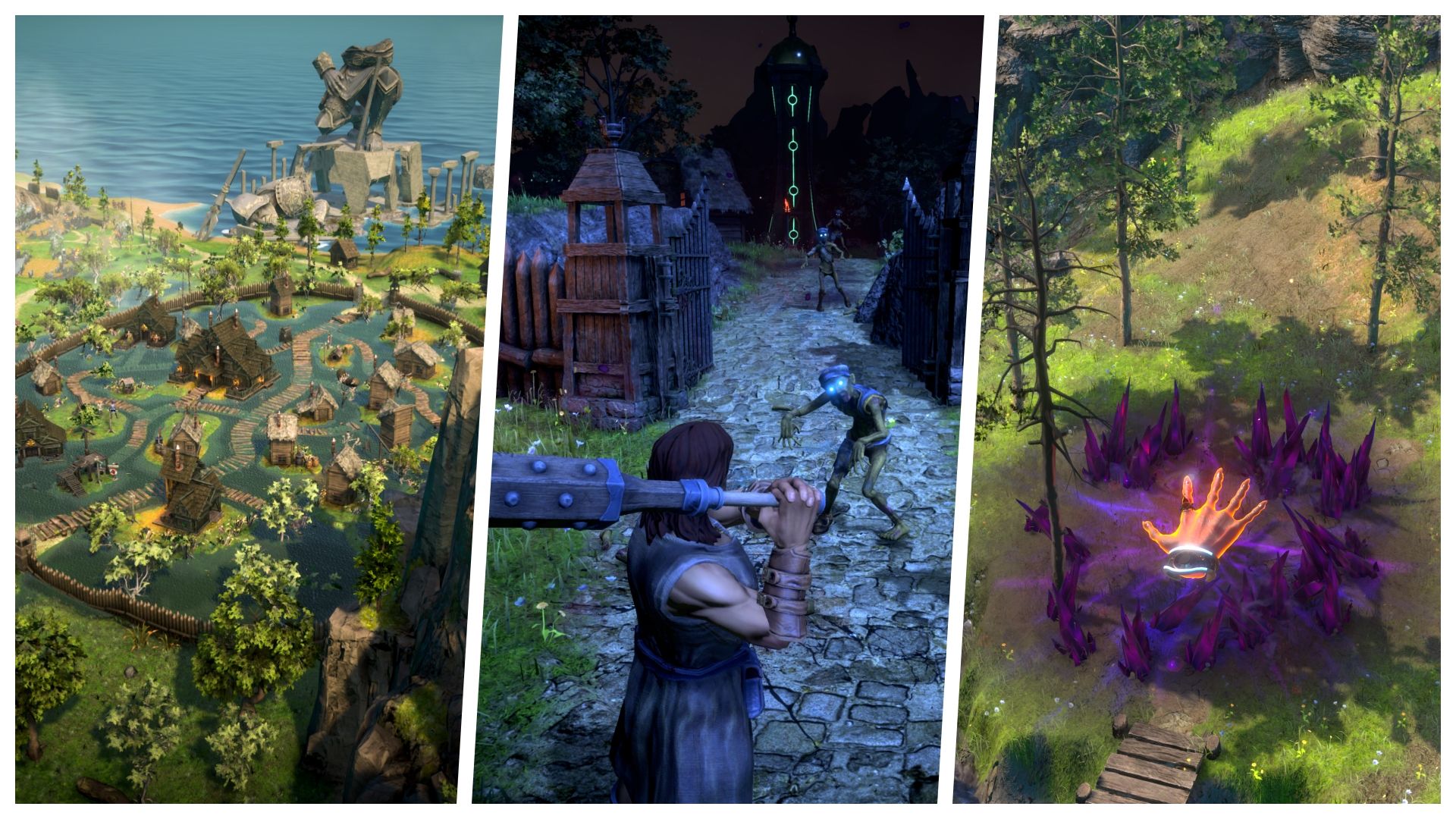
The ‘New Beginnings’ update is not a minor hotfix or a standard content drop; it represents a comprehensive architectural and mechanical overhaul of Masters of Albion during its early access phase.
At its core, the update introduces profound changes to engine performance, nighttime survival mechanics, technological progression, and user interaction. Most importantly, it bridges the gap between player feedback and development execution, transforming a sparse, skeletal sandbox into a genuinely engaging strategy-management title.
Key pillars of the update include:
- Engine Optimization: A massive leap in performance, effectively doubling framerates across recommended system configurations.
- Nighttime Overhaul: The introduction of roughly 200 unlockable "buffs" tied to strategic, efficient nocturnal defense.
- The Card-Based Arcadium: A complete redesign of the tech tree into a visual, card-based progression system.
- Narrative-Driven Product Orders: Replacing tedious, repetitive manufacturing loops with story-driven requests and high-stakes tipping mechanics.
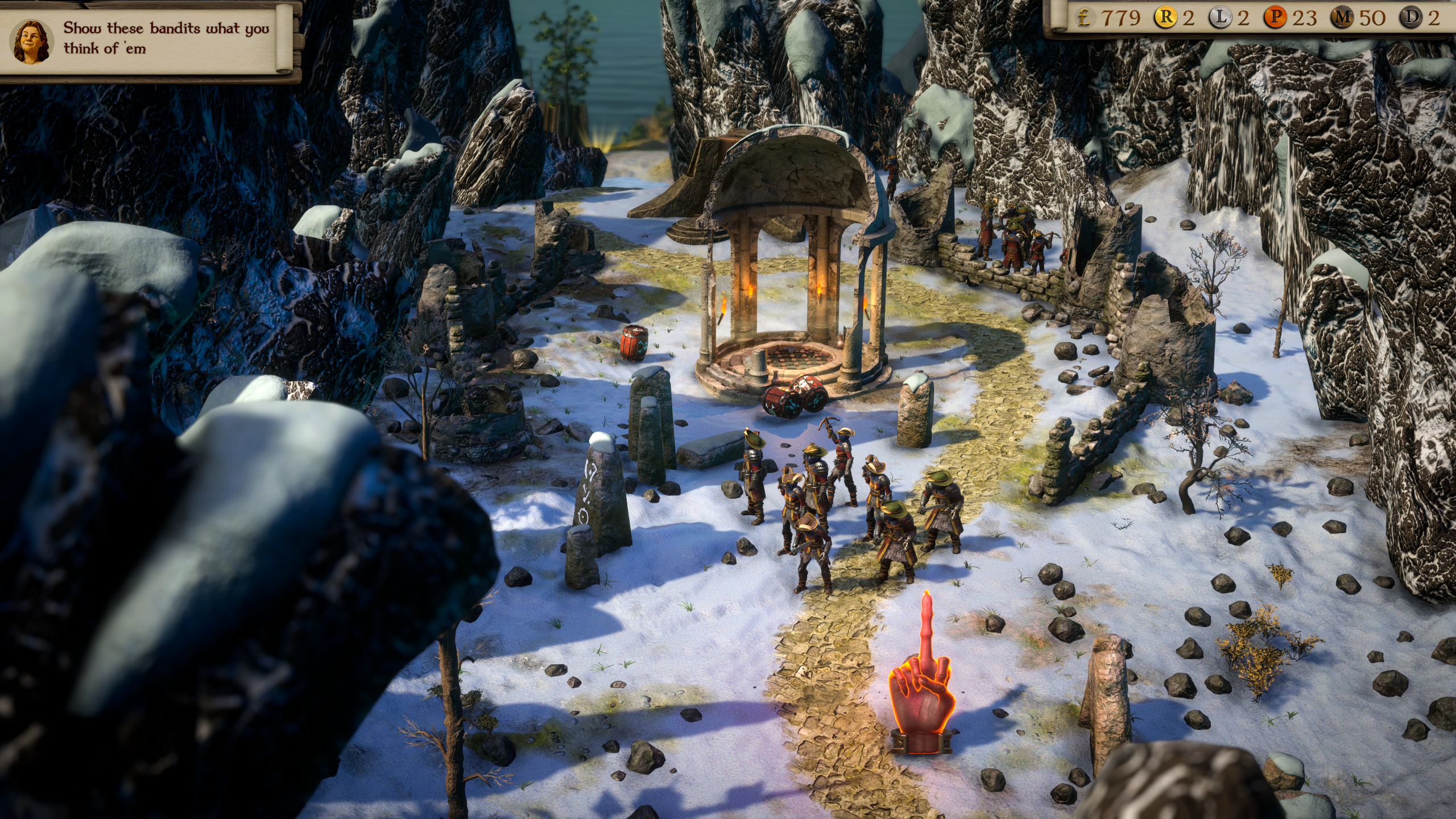
- Expanded God Hand Interactivity: Highly detailed physical interactions with world objects, villagers, and environmental elements.
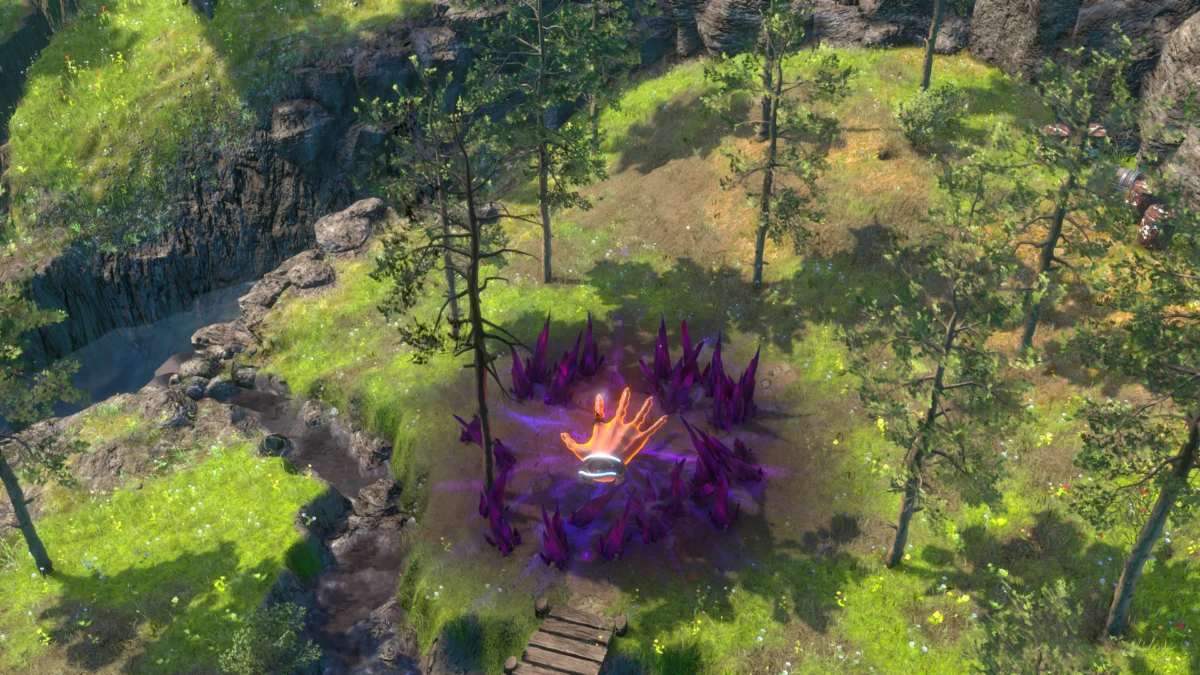
- Landscape-Warping Corruption: The spread of the Orkenstone’s purple corruption, adding urgent spatial pressure to nighttime gameplay.
Chronology: From Rough Early Access Launch to Rebirth
To understand the weight of the ‘New Beginnings’ update, it is necessary to look back at the trajectory of Masters of Albion over the past several months.
April: The Early Access Debut
When Masters of Albion first dropped onto PC via early access, anticipation was high. Gamers were eager to step back into the shoes of a benevolent (or tyrannical) deity, manipulating resources, building settlements, and directly steering the lives of quirky AI villagers.
Yet, reality quickly set in. Players encountered a title that felt remarkably lightweight. The opening hours were rudimentary, and once the initial novelty of managing settlement construction and basic RTS combat wore thin, the gameplay loop exposed its hollow core. Manufacturing identical products on the design table became a monotonous chore, and surviving the night felt less like a tactical triumph and more like an endurance test. Furthermore, technical optimization was severely lacking, with powerful rigs struggling to maintain a stable 30 frames per second.
May – August: The Community Feedback Loop
Recognizing the widening gulf between player expectations and the current state of the game, Molyneux and the team at 22cans took a step back. Labeling the initial launch an "initial sketch," the studio actively engaged with press and community forums. They identified the primary pain points: lack of emotional connection to manufacturing orders, a convoluted tech tree (the Arcadium), and a severe lack of depth in nighttime survival.
Today: The ‘New Beginnings’ Launch
The release of the ‘New Beginnings’ update marks the official turning point for the project. By entirely re-authoring the start of the game, redesigning the user interface and meta-systems, and drastically improving engine efficiency, 22cans has transformed Masters of Albion into a product that feels ready for mainstream early access recommendation.
Supporting Data and Technical Enhancements
The technical and mechanical transformations found within the ‘New Beginnings’ update are extensive. Here is a closer look at the hard data and systems driving the update:
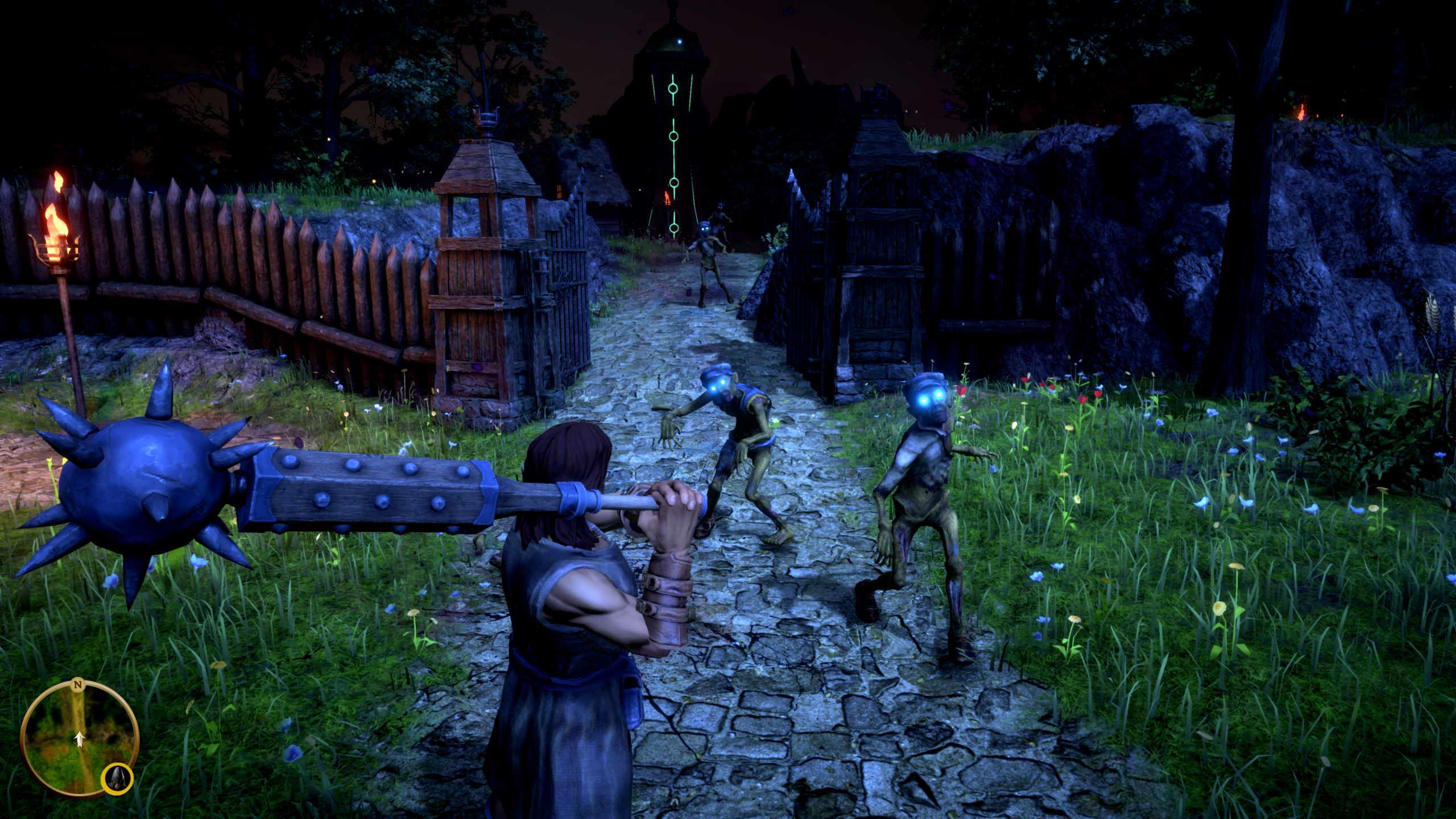
Frame Rates Double Across the Board
Performance optimization was arguably the most pressing technical hurdle for 22cans. Reflecting on the initial launch state, Molyneux noted the dramatic turnaround achieved by the engineering team:
"You know, my hope was to get to 30 frames a second for everybody for the recommended system specs. But we now sit at between 60 and 80 frames on average. That’s a huge jump. If the framerate drops below 30, it feels awful. If it’s over 60, it just feels super slick and smooth."
Nighttime Mechanics and the Orkenstone
Previously, nighttime was a passive check of whether your walls could withstand incoming monster waves. If you survived, you advanced; if you didn’t, you stalled. 22cans has completely re-engineered this phase to foster genuine tactical urgency.
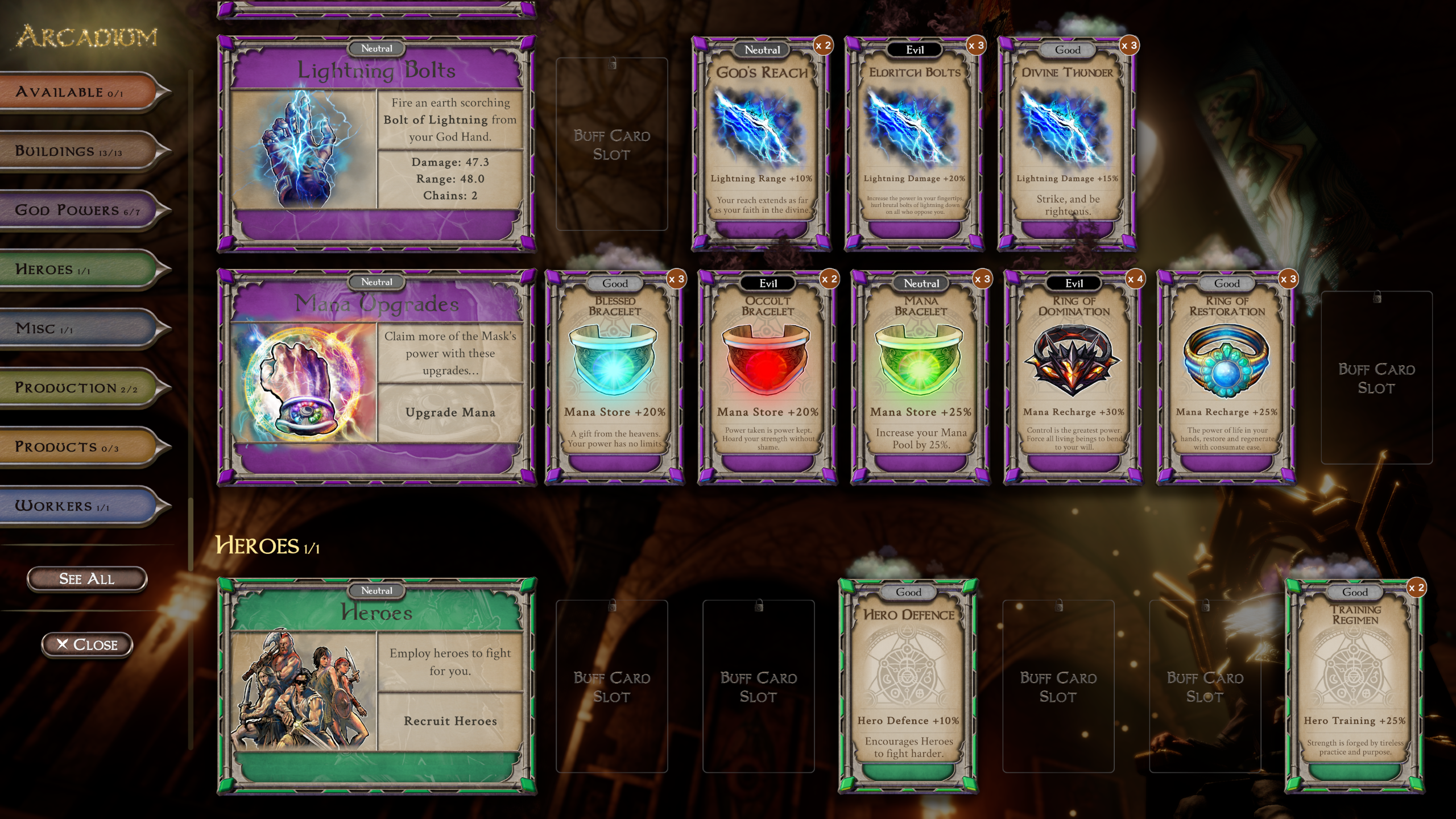
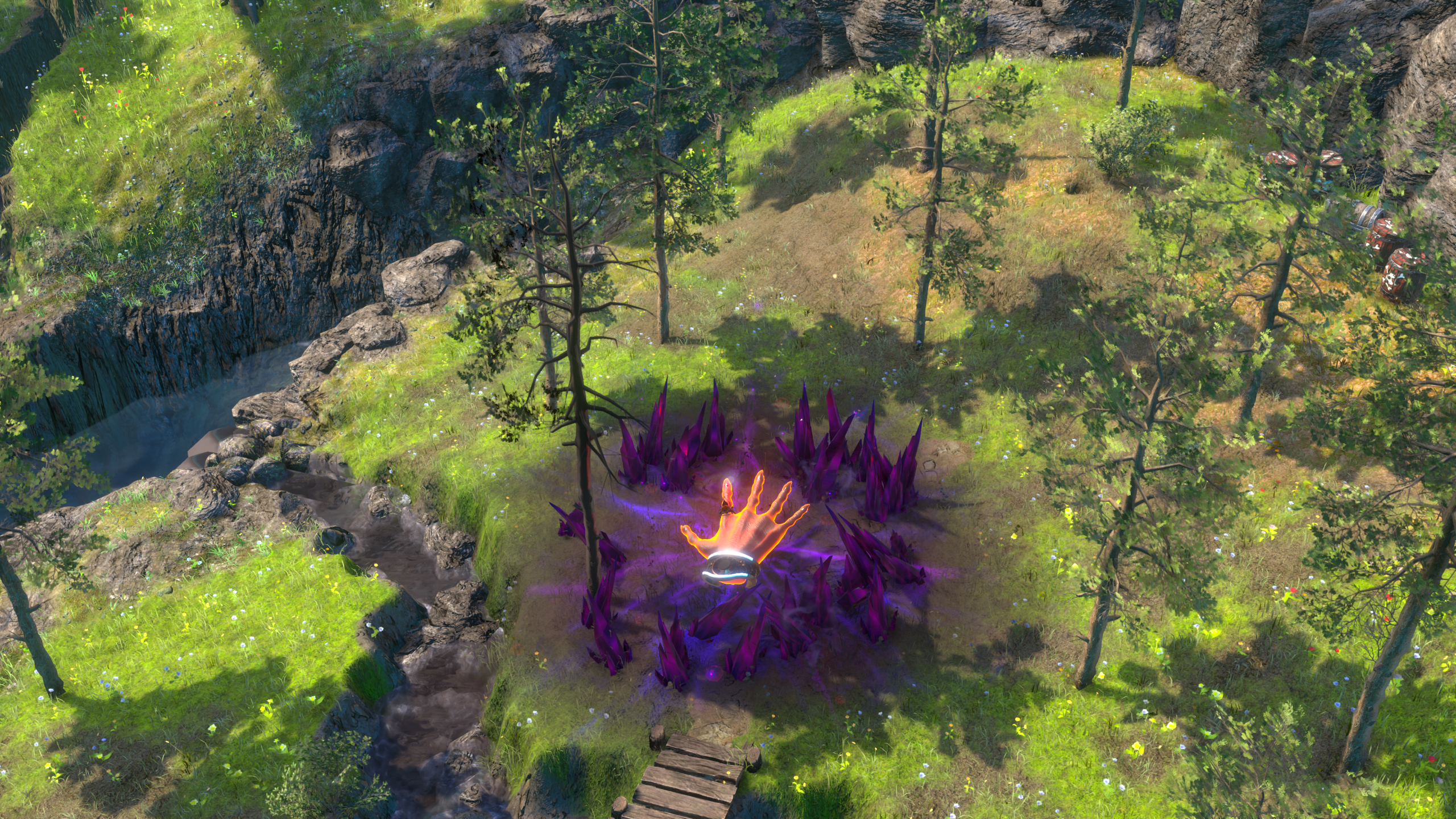
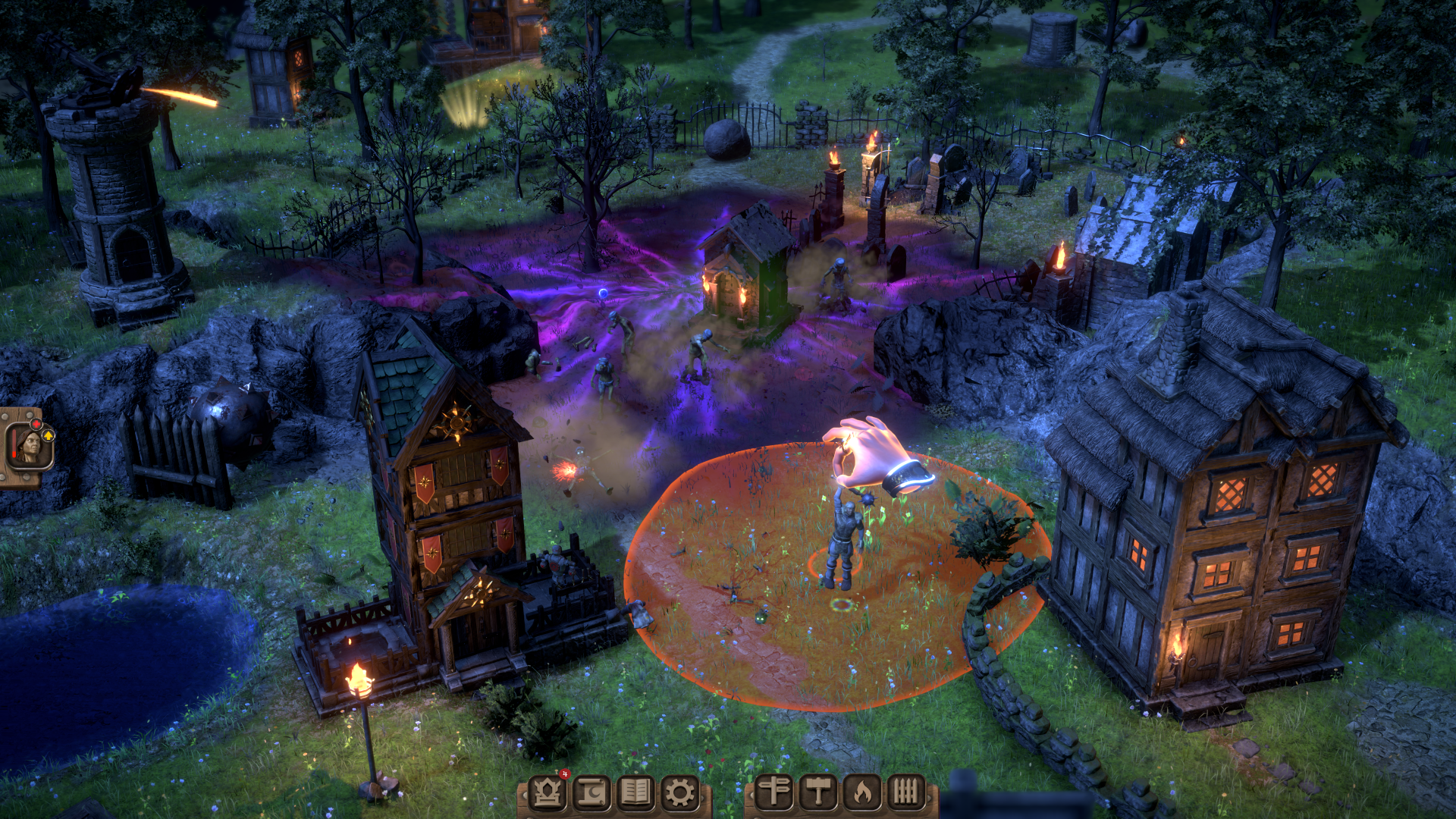
Every night, the power of the central Orkenstone grows, unleashing a creeping purple corruption across the landscape. This corruption withers trees, ruins crops, and ignores physical walls, forcing players to actively manage and push back the blight using specific environmental decorations.
To combat this, the update introduces a reward system:
- 200+ Unlockable Buffs: Players earn scores based on how efficiently and strategically they survive nighttime attacks.
- Strategic Progression: These scores are spent on over 200 distinct buffs that directly scale the player’s divine power, directly tying nocturnal defense to daytime progression.
The Card-Based Arcadium and Narrative Orders
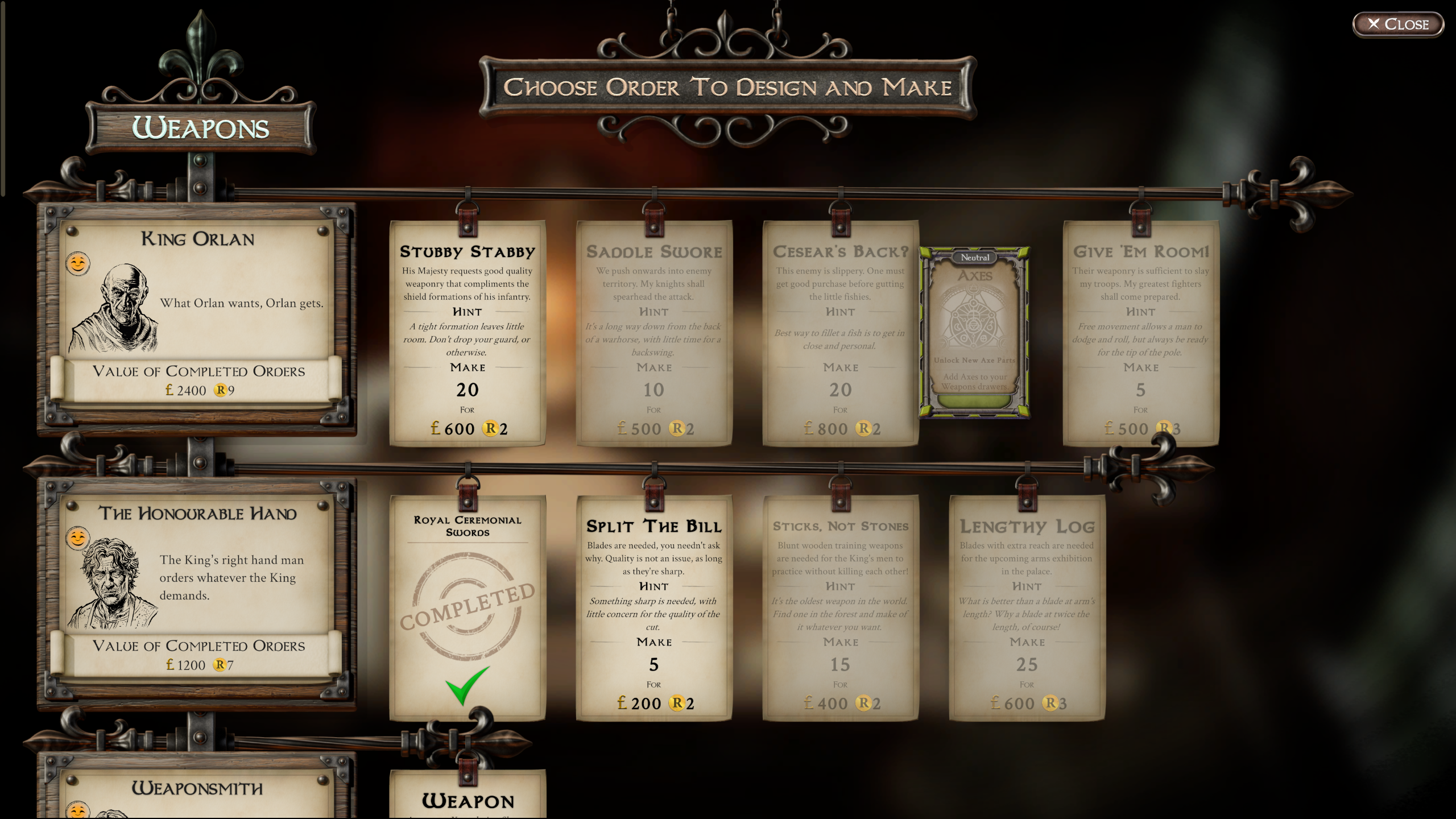
The old "spider’s web" tech tree—the original Arcadium—has been completely scrapped in favor of a visual, card-based system. Players unlock abilities like divine lightning bolts using in-game currency, with these cards dynamically boosted by nighttime accomplishments.
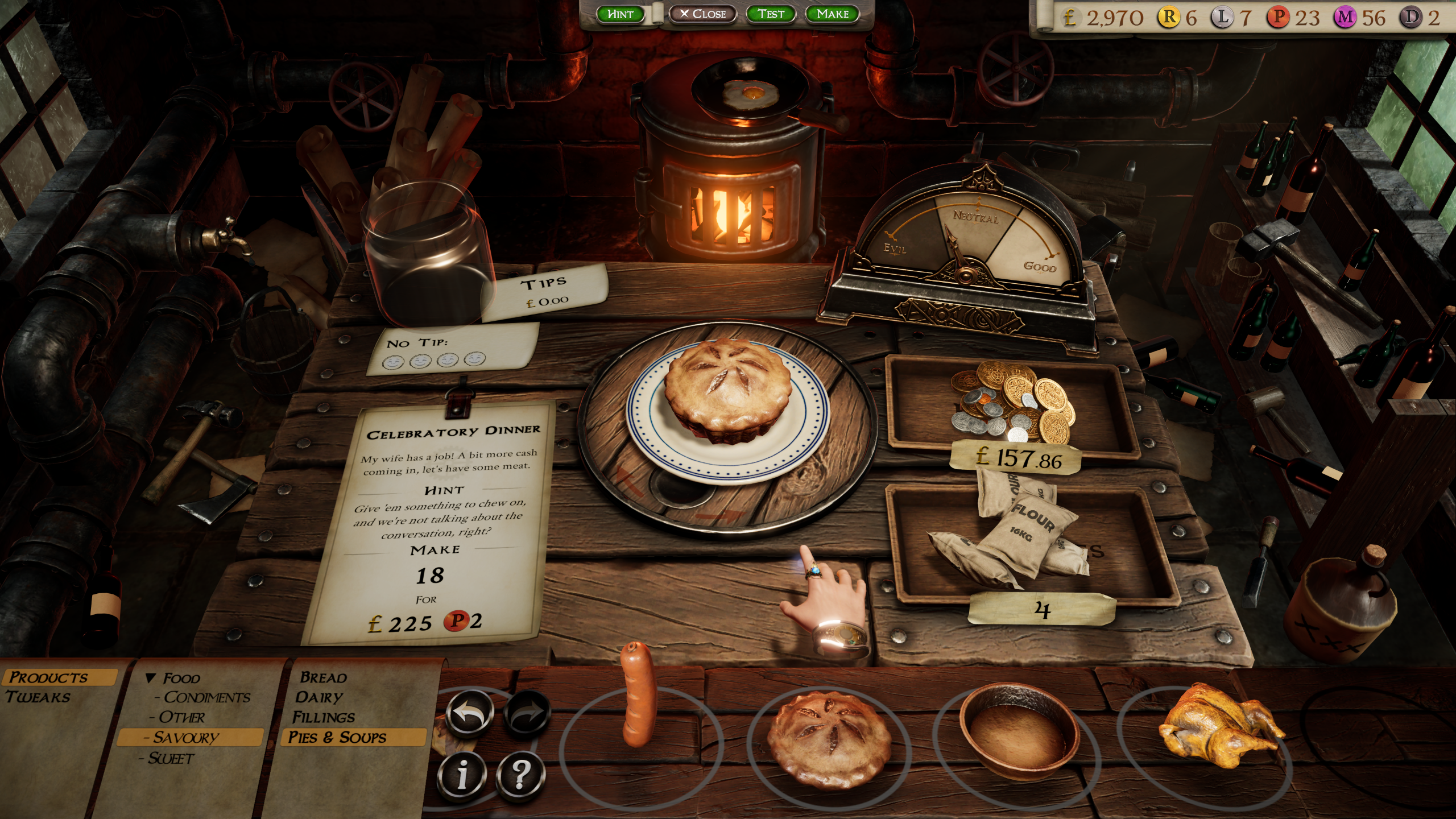
Similarly, product orders on the design table have evolved from monotonous crafting chores into narrative-driven events. By introducing storylines and puzzle-like hints from order givers, players can now earn "tips" for deciphering what NPCs truly want, injecting a layer of roleplaying engagement into resource management.
Deepening the God Hand
Responding directly to community desires for physical immersion, the god hand’s tactile interactions have been heavily upgraded. Players can now physically disrupt wheat fields and trees as they sweep across the landscape. Quirky new environmental objects—such as a functional dunking stall (where villagers can be dropped, or maliciously drowned) and park benches that foster romantic interactions between seated characters—bring back the mischievous, systemic sandbox joy characteristic of Molyneux’s best work.
Official Responses: Peter Molyneux on the Evolution of the Game
Throughout the rollout of the ‘New Beginnings’ update, Peter Molyneux has been remarkably candid about the missteps of the initial launch and the philosophy guiding the current overhaul.
Addressing the emotional state of players during nighttime encounters, Molyneux explained:
"The fundamental problem was people’s emotions when they face nighttime were, ‘I’ve just got to get through this.’ And that’s not what we wanted. So the answer was to introduce these things called buffs… The better that you do, the higher score you get, and you spend that score on those nighttime buffs."
On redesigning the production and design table loops, Molyneux acknowledged the valid complaints lobbed by both the press and the community:
"It’s very boring and tedious just making the same thing over and over again. And the design table wasn’t feeling visceral… We realized that there isn’t an emotional connection to the orders. So we added a whole narrative to each one of the orders. It’s more of an emotional engagement."
Finally, hinting at the future, Molyneux teased the addition of mysterious, colossal structures dominating the skyline. Accompanied by cryptic press release prompts asking whether these structures represent "a link to the past or a foreshadowing of the future," Molyneux simply stated: "If you look at a certain location in the world, there is a clue to it. It’s a hidden thing."
Implications: A Fitting Swansong for a Master of the Genre?
The arrival of the ‘New Beginnings’ update carries massive implications for the future of Masters of Albion and its creator’s legacy.
Rebuilding Trust in Early Access
Releasing a game in early access is always a gamble. When the product feels too skeletal, early adopters often feel alienated, leading to negative reviews and plummeting player counts from which many indie titles never recover. By aggressively listening to community feedback, doubling engine performance, and fundamentally overhauling core progression loops, 22cans has demonstrated a rare willingness to iterate publicly and effectively. Masters of Albion has transformed from a tough recommendation into a title that god game enthusiasts can safely invest in.
The Return of Multi-Genre Synergy
Molyneux’s greatest triumphs have historically relied on genre-blending—fusing city builders, real-time strategy, and god simulations into a unified whole. As industry analysis shows, the primary danger of hybrid genres is that if the individual mechanics (such as RTS combat or city management) cannot stand on their own, players will simply migrate to dedicated single-genre alternatives. The ‘New Beginnings’ update successfully injects depth and strategic weight into these mechanics, bridging day-and-night cycles and marrying resource management with tactical defense.
A Glimpse of Giants on the Horizon?
Perhaps the most tantalizing takeaway from this update is the cryptographic presence of colossal structures and the lingering memory of Black & White’s giant avatars. If 22cans continues to refine Masters of Albion at this pace, and if future updates introduce massive physical avatars to the world, the game could well evolve past its rocky beginnings to become the definitive modern god game.
For an industry icon who helped invent the genre, delivering a masterpiece as a final title would be the ultimate vindication—proving that even after decades of ambitious sketches, Peter Molyneux still knows how to conjure true digital magic.

