

By: Technology & Culture Desk
Published: October 2026
Main Facts: A Groundbreaking Convergence of Sports, Psychology, and VR
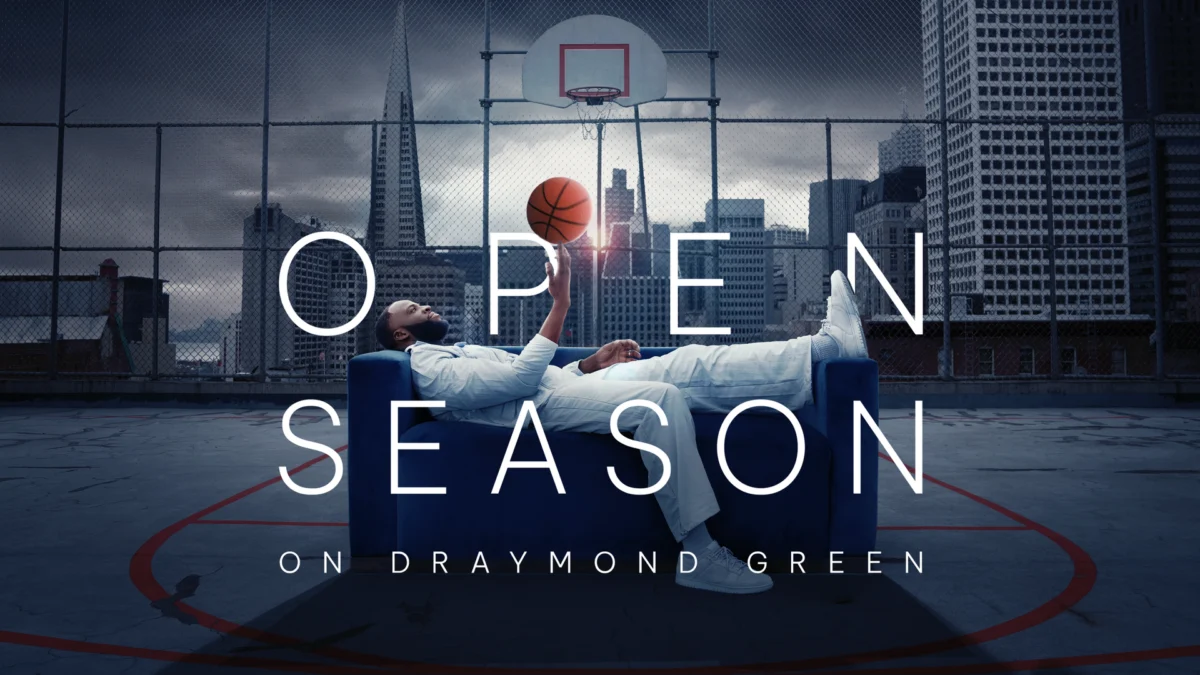
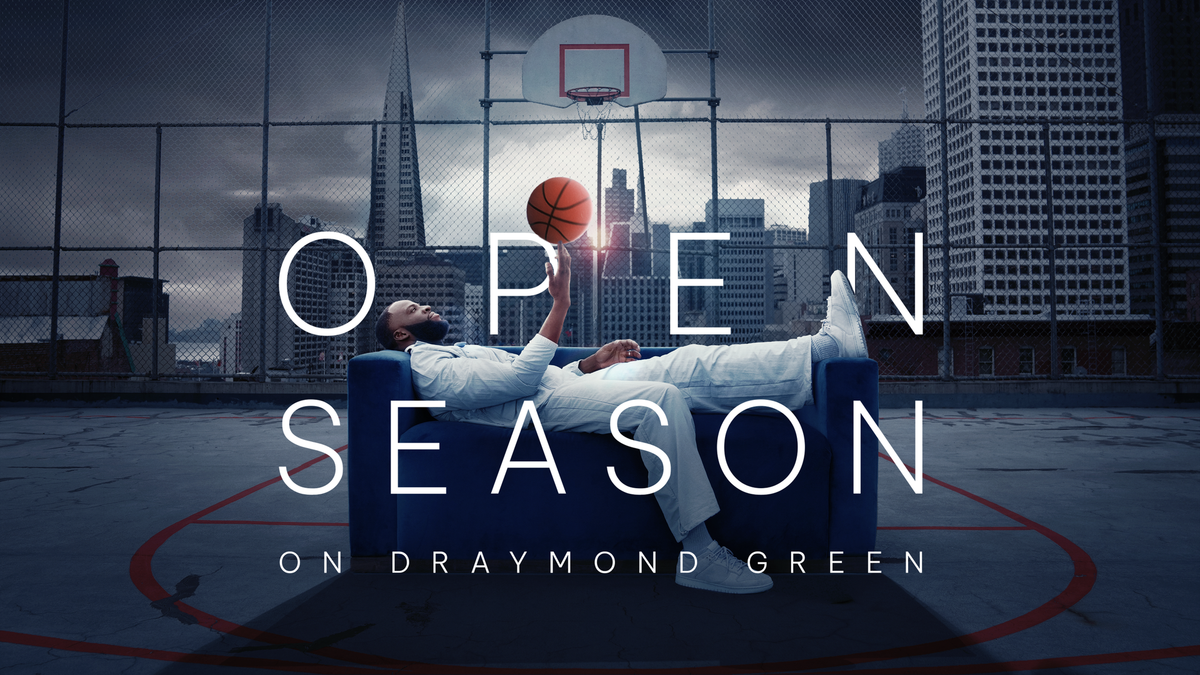
Meta has officially raised the bar for immersive entertainment with the premiere of its new docuseries, Open Season on Draymond Green. Debuting on the Meta Quest TV app, the six-part series places users inside the therapy room alongside the four-time NBA champion and Golden State Warriors star as he undergoes counseling with renowned sports psychologist Dr. Carrie Hastings.
Unlike traditional 2D sports documentaries that rely on archival footage, talking-head interviews, and game highlights, Open Season utilizes cutting-edge stereoscopic 3D 180-degree video captured on Blackmagic URSA Cine cameras. The format deliberately strips away the barrier of the screen. Viewers do not merely watch Green; they sit adjacent to him in Dr. Hastings’ office, sharing the physical space down to the water glasses and the customary box of tissues.
The series tackles heavy, human themes: Green’s infamous on-court ejections, his struggles to manage a fiery competitive streak, team injuries, parenting responsibilities, personal relationships, and the inevitable, looming twilight of his playing career. By granting explicit consent to record real therapy sessions—acknowledged openly in the very first episode—Green offers a level of vulnerability rarely seen from elite professional athletes.
The project marks the flagship release for "Meta Presents," a new slate of immersive media designed to showcase the hardware capabilities of the Meta Quest 3 and pave the way for Meta’s heavily anticipated upcoming VR glasses line, scheduled to ship in Spring 2027.
Chronology: From Concept to Immersive Reality
The journey toward Open Season on Draymond Green represents years of technological refinement and strategic content planning by Meta’s digital media division.
- Pre-Production and Development (Late 2025): Meta greenlights the project as a proof-of-concept for high-fidelity, narrative-driven 3D 180-degree content. Producers secure the participation of Draymond Green and Dr. Carrie Hastings—who maintains a private practice while serving as the team psychologist for the Los Angeles Rams.
- Production (2025–2026 NBA Season): Filming takes place across the backdrop of the 2025–2026 NBA season. Production crews utilize advanced Blackmagic URSA Cine cameras to capture high-resolution stereoscopic footage inside Dr. Hastings’ office, as well as intimate sit-down interviews featuring Green, his mother, a Warriors teammate, and his former Michigan State basketball coach.
- Meta Connect 2026 Announcement: Meta formally announces the docuseries alongside a broader strategic push into immersive entertainment—including 3D movies, live sports, documentaries, and concerts—designed to build momentum ahead of their new hardware rollout in Spring 2027.
- September 29, 2026: Open Season on Draymond Green officially premieres on the Meta Quest TV app, immediately drawing praise from early adopters and tech reviewers for setting a new visual benchmark for standalone VR headsets.
Supporting Data: Technical Specifications and Viewer Metrics
The technical triumph of Open Season lies in its execution of high-end stereoscopic capture. Below is a breakdown of the production elements and hardware requirements driving the series:
| Category | Specification / Detail |
|---|---|
| Platform | Meta Quest TV app (optimized for Meta Quest 3) |
| Format | Stereoscopic 3D, 180-degree immersive video |
| Camera Hardware | Blackmagic URSA Cine cameras |
| Key Subjects | Draymond Green (NBA Champion), Dr. Carrie Hastings (Sports Psychologist) |
| Episode Count | 6 episodes, binge-watched across multiple viewing sessions |
| Supporting Figures | Green’s mother, a Golden State Warriors teammate, Michigan State basketball coach |
| Hardware Horizon | Precedes Meta’s upcoming VR glasses release (Spring 2027) |
Reviewers testing the series on the Meta Quest 3 noted a marked absence of the eye strain often associated with early iterations of stereoscopic 3D content. The clarity achieved by the Blackmagic URSA systems allowed the Quest 3’s lenses and displays to shine in a way few applications have managed in the three years since the headset’s initial market debut. While competitors like Apple’s Vision Pro have established high benchmarks for immersive fidelity, critics noted that Open Season delivers a quality level close enough to spark direct, favorable comparisons.
Official Responses and Industry Reception
The release of Open Season has prompted widespread discussion across both the sports entertainment and virtual reality industries regarding the boundaries of privacy, athlete mental health, and media consumption.
Meta executives have positioned the series not just as a piece of branded entertainment, but as a blueprint for the future of emotional storytelling in virtual reality. Speaking at Meta Connect 2026, representatives emphasized that while immersive sports content has historically focused on adrenaline-pumping action—such as courtside seats or front-row concert views—the medium possesses untapped potential for quiet, deeply intimate narratives.
Dr. Carrie Hastings and Draymond Green have both defended the unconventional transparency of the project. By openly addressing the fact that cameras are rolling in a therapeutic environment, the production team sidestepped ethical critiques regarding the exploitation of confidential settings. Instead, the collaboration has been framed as an educational and destigmatizing look at athlete mental health. For Green, allowing the public to witness his introspective work serves as a conscious effort to reframe his public narrative beyond the sensationalized ejections and technical fouls that have frequently dominated sports headlines.
Early audience reception has skewed overwhelmingly positive. Viewers report transitioning quickly from clinical observers analyzing the camera angles and picture clarity to deeply invested participants engrossed in Green’s psychological breakthroughs—such as monitoring whether he successfully implements coping strategies discussed in therapy during subsequent high-stakes NBA games.
Implications: The Future of Immersive Media and Mental Health Narratives
The launch of Open Season on Draymond Green carries profound implications for the trajectory of virtual reality, sports media, and the destigmatization of mental healthcare.
1. Shifting the Paradigm of Immersive Storytelling
For years, the VR industry has struggled with the "gimmick" label, often relegated to roller coaster simulations, brief music videos, or high-octane sports clips that induce motion sickness over prolonged viewing periods. Open Season proves that stillness can be just as compelling as motion. By anchoring the viewer in a stationary, highly realistic environment (a therapist’s office), the medium achieves an unprecedented level of emotional resonance. If a quiet conversation on a couch can captivate an audience more effectively than a standard 2D television broadcast, the doors open wide for narrative-driven VR journalism, docudramas, and theatrical performances.
2. Normalizing Athlete Vulnerability
Professional athletes are routinely subjected to intense public scrutiny where emotional outbursts are penalized, and vulnerability is frequently misconstrued as weakness. By inviting the public into the therapeutic process, Green and Dr. Hastings offer a masterclass in emotional accountability. This series normalizes the concept of sports psychology—not as a remedial punishment for misbehavior, but as an essential tool for high-performance management, personal growth, and life-transition planning.
3. Paving the Way for Meta’s 2027 Hardware Ecosystem
Commercially, Open Season serves as a critical software anchor for Meta’s hardware roadmap. With new Meta VR glasses slated for a Spring 2027 release, the company needed to demonstrate that its ecosystem can support premium, long-form, high-definition content that justifies consumer investment. By bridging the gap between mainstream sports culture and cutting-edge VR technology, Meta has provided a compelling reason for casual users to strap in, log on, and experience the next evolution of digital media.
As immersive technologies continue to mature, Open Season on Draymond Green may well be remembered as the watershed moment when virtual reality grew up—trading flashy digital fireworks for the quiet, transformative power of human empathy.

