

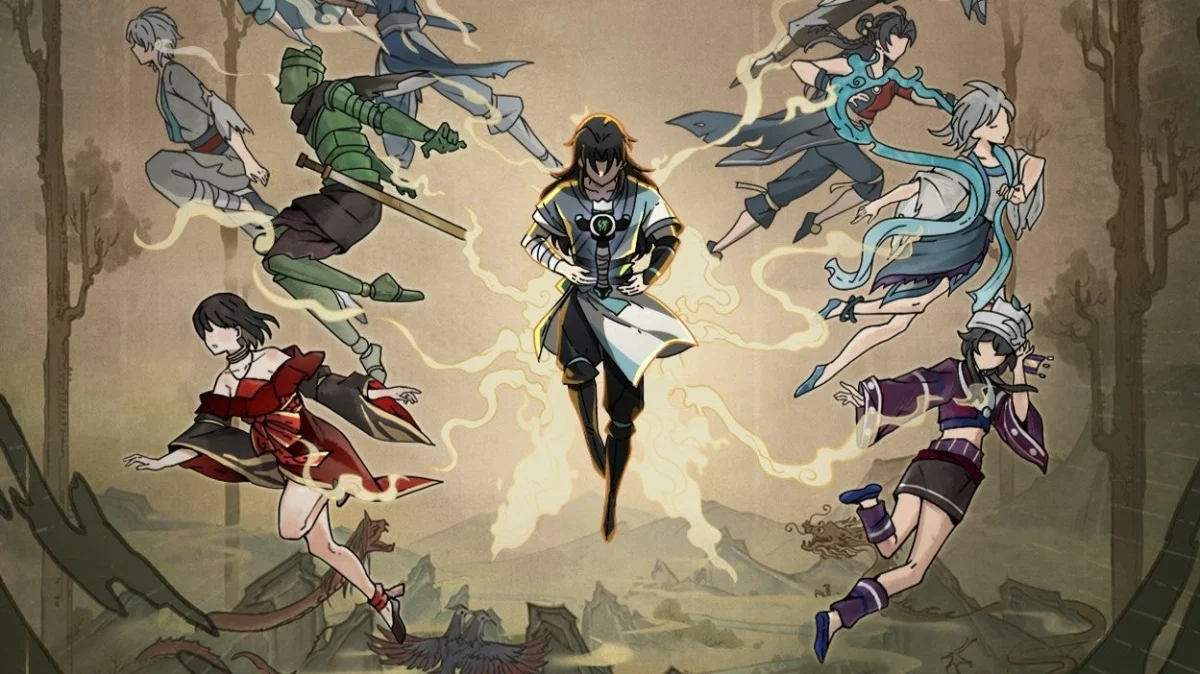
After nearly eight years of intensive development in Steam’s Early Access program, The Scroll of Taiwu—a sprawling, complex wuxia RPG—has finally launched in full. With its official 1.0 release, the title has introduced long-awaited full English language support, opening the door for a global audience to experience the dense, culturally rich world that has captivated millions of Chinese players.
For ConchShip Games, this milestone is more than just a completion of a project; it is a reflection on a journey that mirrored the rapid maturation of the Chinese gaming industry. From its early days as an indie curiosity to becoming a benchmark for the potential of Chinese-developed premium titles, The Scroll of Taiwu stands as a testament to the power of community-led development and cultural authenticity.
A Chronology of Success: From Early Access to Global Stage
The trajectory of The Scroll of Taiwu is inseparable from the meteoric rise of the Chinese market on Steam. When the game first entered Early Access on September 20, 2018, it arrived at a pivotal moment. The Steam platform had recently hit a critical mass of 30 million Chinese users, fueled by the popularity of titles like Dota 2 and the increasing accessibility of regional pricing and local payment methods.
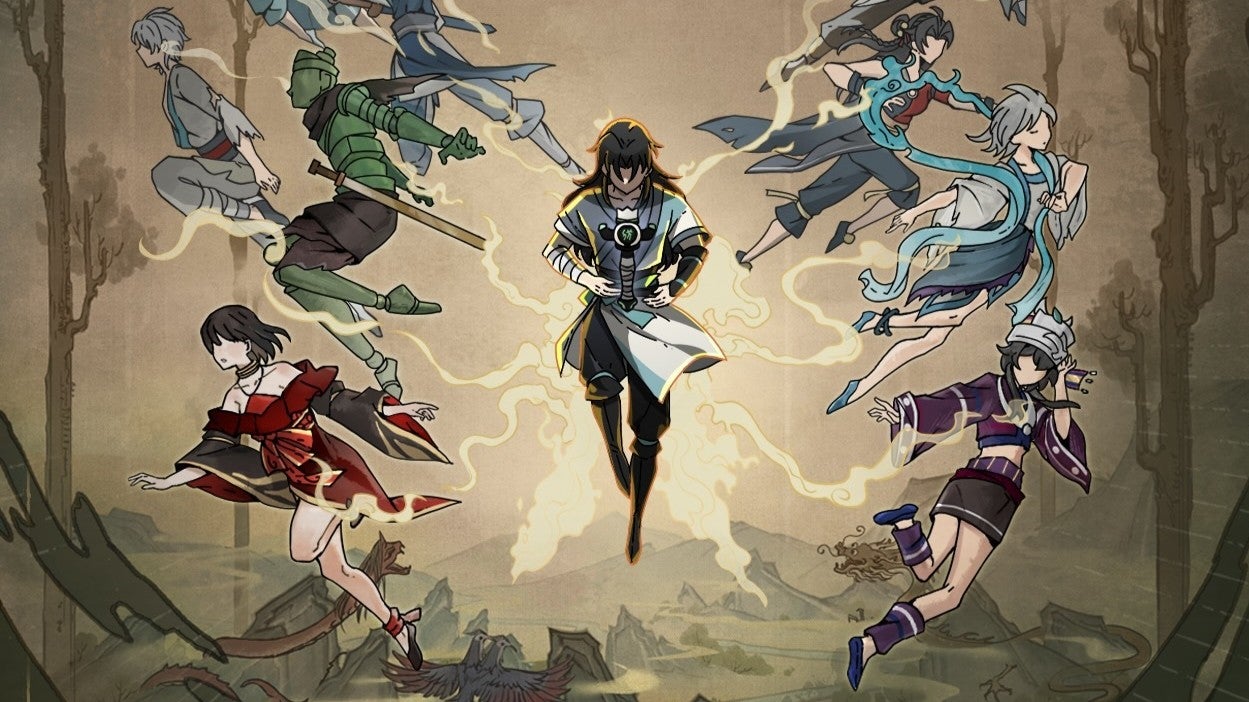
The Scroll of Taiwu hit the ground running. Within just two months of its 2018 debut, the game surpassed one million copies sold, eventually ballooning to over 3.4 million players. At the time, Western observers were stunned to see a title with no English language support climbing to the number two spot on the global Steam bestseller charts. It was a clear signal that the Chinese domestic market was no longer just a consumer of imported goods, but a formidable producer of high-quality, culturally specific content.
Throughout the intervening years, the development team at ConchShip Games, led by founder Zheng Jie (known as "Qiezi"), treated the game as a living organism. They utilized the feedback loop inherent in Early Access to iterate on the game’s complex mechanics—a blend of RPG, strategy, and management simulation rooted in the wuxia genre and ancient Chinese mythology.
Supporting Data: The Strength of the Chinese PC Market
The success of The Scroll of Taiwu is not an isolated anomaly but a bellwether for the shift in Chinese gaming preferences. For years, the market was dominated by free-to-play (F2P) mobile titles and massive live-service games. However, data suggests a growing appetite for premium, single-player experiences.
.jpg)
Qiezi notes that even within the last year, the studio saw thousands of new wishlists added, driven by a domestic player base actively seeking deeper, more substantive content. This trend is further supported by the performance of international titles; for instance, Kingdom Come: Deliverance 2—a distinctly European historical RPG—saw over 20% of its initial revenue generated from the Chinese market. This proves that Chinese players are not merely looking for mirror-images of their own culture, but are eager to explore diverse, high-quality narratives regardless of their origin.
The Cultural Imperative: Insights from the Developers
For Western developers looking to break into this complex market, the team at ConchShip Games offers a stark warning: avoid "cultural tourism."
Liuyi Xu, known as "Mutong," the studio’s lead artist, argues that many Western companies fail because their integration of Chinese elements feels superficial. "Lots of successful Western games like to add Chinese elements to a game, but those elements are not ‘Chinese enough,’" Mutong explains. "The players, they can see through that."

According to the developers, the key to success lies in prioritizing cultural immersion and authentic storytelling. "Chinese players are more into learning a different culture," Qiezi observes. "They are open to a lot of stuff." The implication is clear: when a developer treats a culture with depth and respect, the audience rewards them with long-term loyalty.
Furthermore, engaging with the Chinese community requires a departure from Western norms. While Discord is the standard for Western indie development, the Chinese ecosystem is decentralized. ConchShip Games built their community across a mosaic of platforms, including the online forum Baidu Tieba, the video platform Bilibili, and specialized gaming apps like Little Black Box, alongside standard communication tools like WeChat and QQ.
Implications for the Future: AI and the Indie Revolution
As The Scroll of Taiwu finally reaches its 1.0 state, the team is looking toward a future where the barrier to entry for game development is lower than ever. "Technology is not the gatekeeper anymore," says Qiezi. "You don’t really need to know coding now, but content creation and creativity are key."
.jpg)
However, this democratization comes with a debate regarding the role of generative AI. While the Chinese mobile market has embraced AI, ConchShip Games remains staunchly traditional. Qiezi emphasizes that The Scroll of Taiwu was built entirely by human hands, and he views AI with a healthy dose of skepticism.
"For a game, it needs to be unique and to be something that people didn’t think of before," Qiezi explains. "Those kinds of artworks could not be produced by AI."
This sentiment is echoed by Leye Yu ("Yager"), the studio’s publishing advisor. He views game development as a sacred process of turning a creator’s dream into a player’s experience. "How dare we use something like [AI] on someone’s dream?" he asks.

The developers believe that using AI for asset generation can be perceived by players as a "shortcut," which risks shattering the hard-earned trust between the studio and its community. In a market where trust is the primary currency, the human touch remains the most valuable asset.
Conclusion: A New Standard for Indie Development
The journey of The Scroll of Taiwu is a blueprint for the modern indie developer. By committing to a niche, high-concept project and nurturing a community over nearly a decade, ConchShip Games has not only secured a place in the pantheon of successful Chinese titles but has also set a standard for how global developers might approach the world’s largest gaming market.
As the game finally opens its doors to English-speaking players, the legacy of The Scroll of Taiwu will likely grow. It stands as a reminder that regardless of language or geography, the universal language of high-quality, honest, and deeply personal game design will always find an audience. For Qiezi and his team, the dream that began in 2018 is finally complete, yet the impact of their work on the global stage is only just beginning.

