

Introduction: The High-Stakes Gamble of Modern Multiplayer Design
The multiplayer online battle arena (MOBA) genre has long been one of the most fiercely contested and rigid landscapes in the video game industry. Dominated for over a decade by monolithic titles like League of Legends and Dota 2, the genre is notorious for its steep learning curves, punishing meta-games, and a notoriously insular player base. For a new developer, entering this arena is often viewed as a fool’s errand—an uphill battle against entrenched communities who rarely venture outside their established comfort zones.
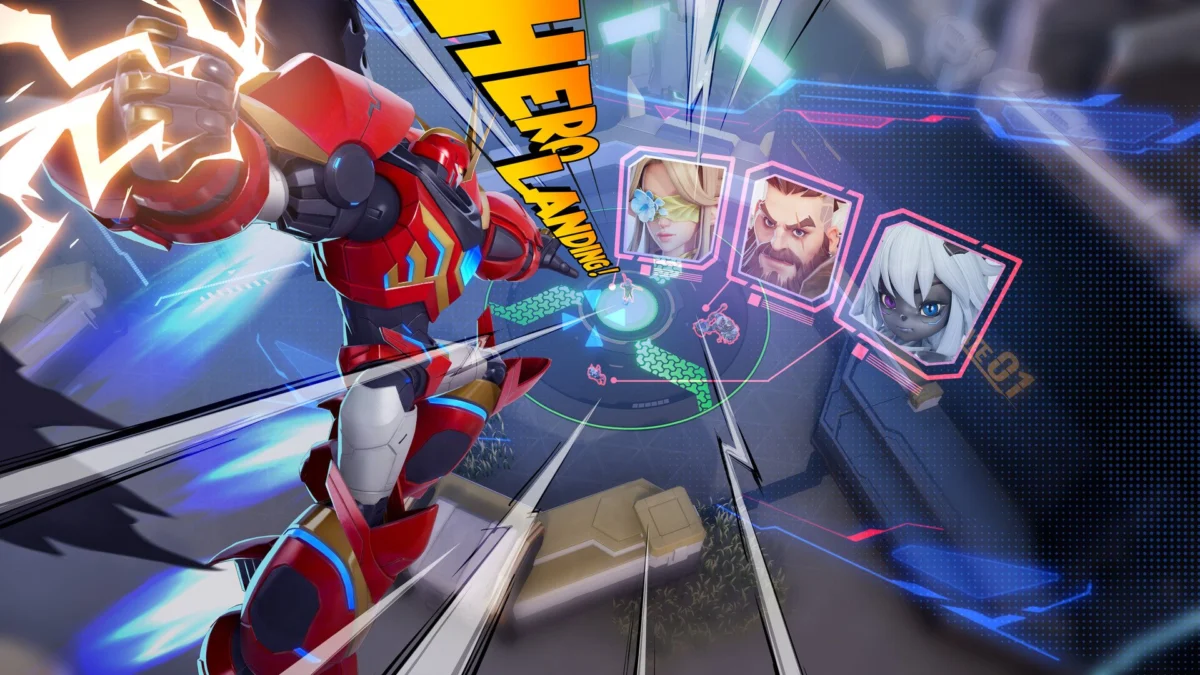
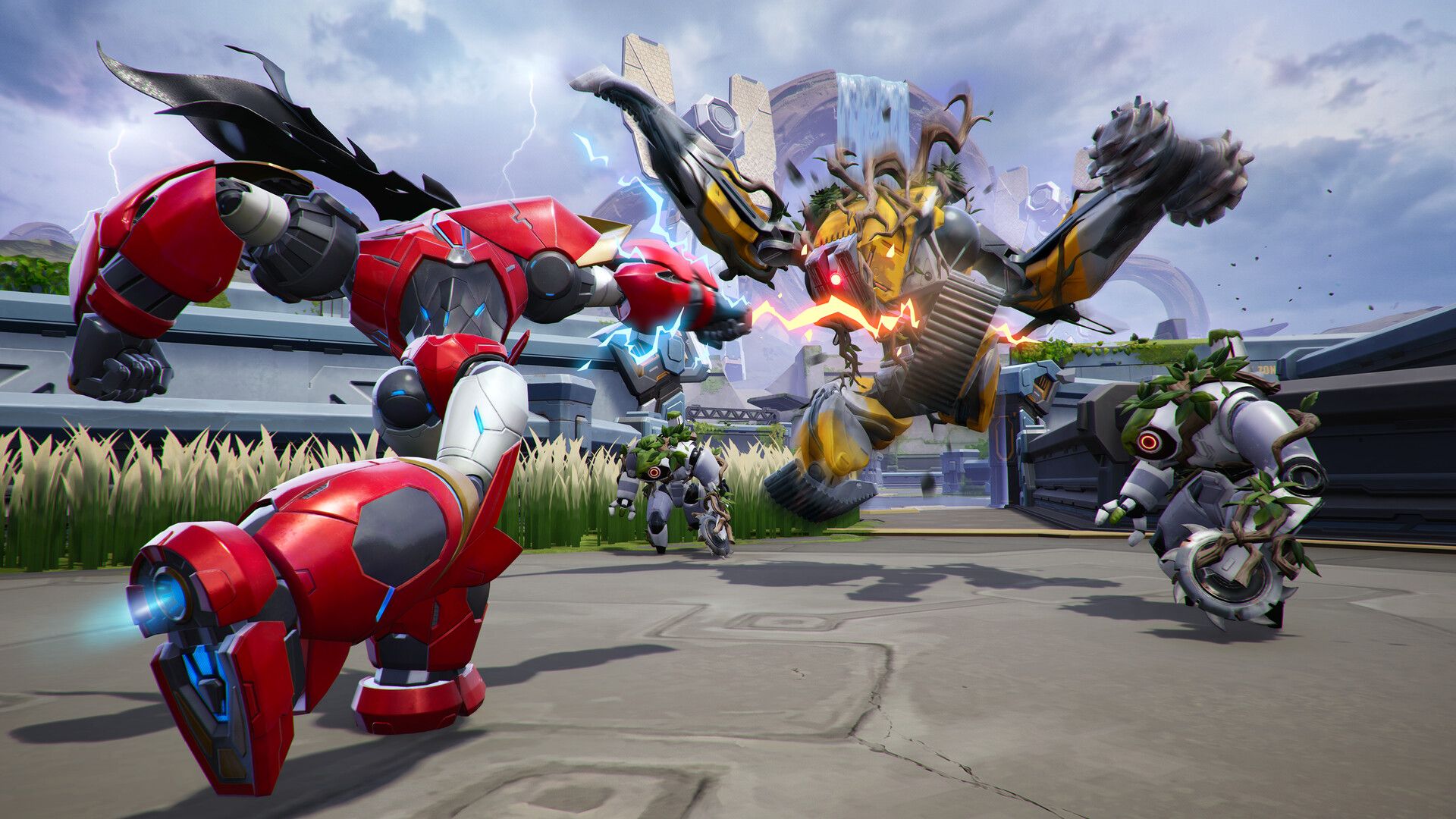
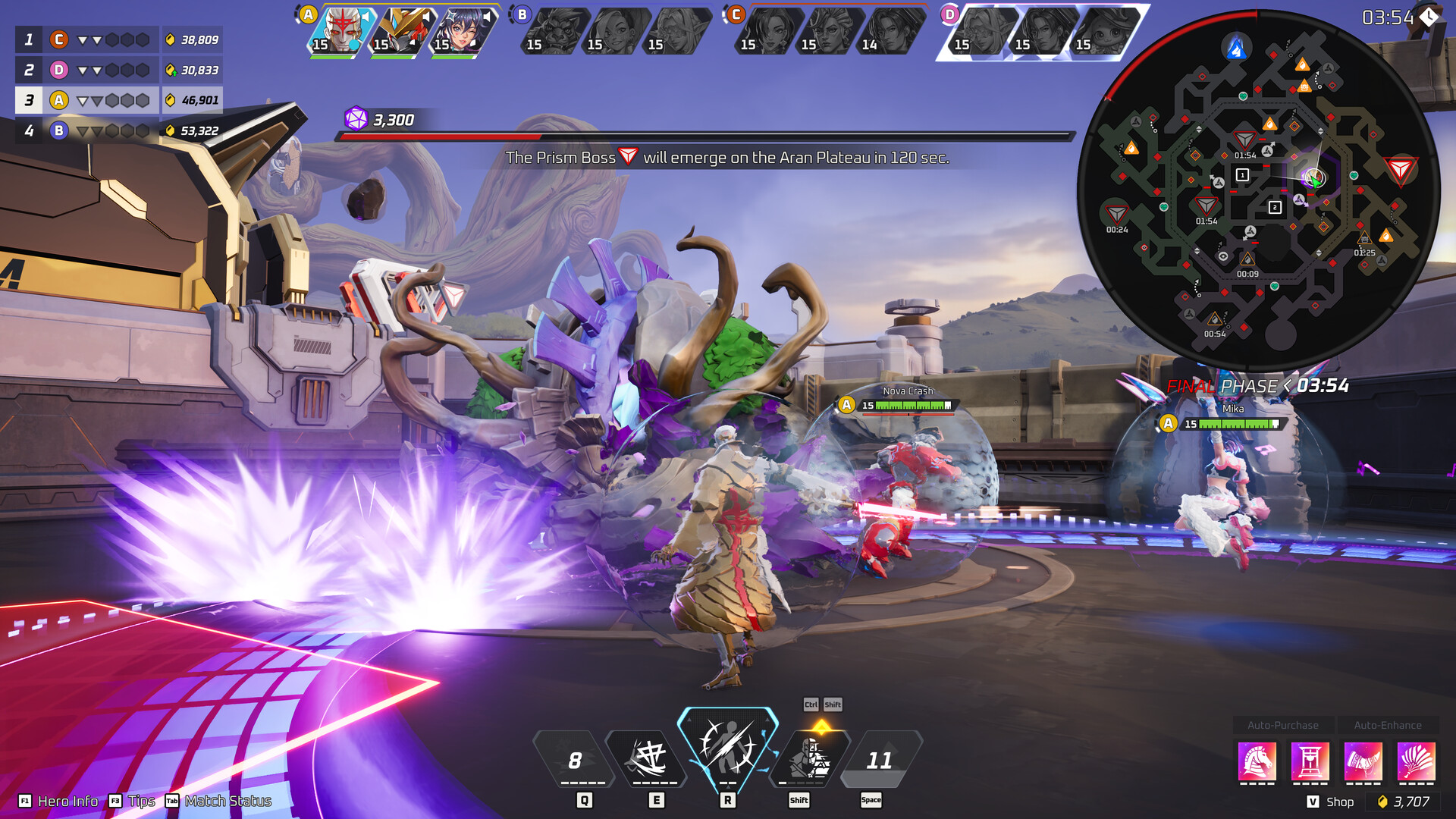
Yet, Korean developer Nirvanana is boldly refusing to play by these traditional rules. Backed by publisher Krafton Inc., the studio is developing Project Zeta, a title that seeks to shatter the boundaries of conventional multiplayer gaming. Rather than offering a standard lane-pushing experience, Nirvanana has engineered a high-octane hybrid genre. By fusing the multi-team survival mechanics of a battle royale with the fast-paced, ability-driven combat of a hero shooter and the foundational strategy of a MOBA, Project Zeta aims to rewrite the rules of competitive online play.
Following a hands-on preview session and an in-depth interview with Executive Producer Namseok Kim at Gamescom, a clearer picture has emerged of how this chaotic new contender is shaping up—and why its creators believe it represents the future of competitive gaming.
Main Facts: What is Project Zeta?
At its core, Project Zeta is designed to upend the traditional 5v5 formula popularized by classic MOBAs. Instead of two teams locked in a symmetrical war over lanes and towers, Project Zeta drops multiple four-player squads onto a sprawling, dynamic map. Teams must simultaneously pursue shifting objectives, scavenge for resources, and survive relentless skirmishes against rival factions.
Key structural pillars of Project Zeta include:
- The Multi-Team Dynamic: Matches feature several four-player squads operating on the same map, creating unpredictable, multi-directional conflicts that break away from the traditional frontlines of standard MOBAs.
- Genre-Blending Mechanics: The game synthesizes the tactical hero abilities of a MOBA, the frantic moment-to-moment action of a hero shooter, and the survival-driven tension of a battle royale.
- Emphasis on Moment-to-Moment Joy: Unlike traditional MOBAs, where a single match can drag on for 45 minutes with a slow economy build-up, Project Zeta is laser-focused on immediate player satisfaction, rewarding aggressive playstyles and constant engagement.
- Global Accessibility: Nirvanana has committed to an open, highly iterative development cycle, utilizing public playtests on Steam to directly shape the game’s mechanics, balance, and map design based on community feedback.
Chronology: From Concept to Gamescom 2026
The journey of Project Zeta from an ambitious design document to a playable reality has been marked by rigorous iteration, public testing, and radical pivots.
The Early Concept Phase
When Nirvanana first conceptualized Project Zeta, the studio recognized that simply cloning existing formulas would spell doom for the project. The team began experimenting with the idea of scaling up player counts and introducing chaotic, multi-faction combat. However, early prototypes suffered from severe pacing issues and a lack of spatial clarity. Players frequently felt lost, unable to parse the overwhelming visual noise of multiple teams clashing simultaneously.
Public Playtests and Community Backlash
To course-correct, Nirvanana opened the gates to public playtests, inviting players to stress-test early builds. According to Executive Producer Namseok Kim, these sessions were crucial, albeit brutal.
"We keep meeting players, hearing their feedback, and taking plenty of heat," Kim admits openly.
The development team listened closely as players criticized character balance, map layouts, and navigational intuition. Rather than doubling down on their original vision, Nirvanana made the bold decision to completely overhaul every single character in the roster. Furthermore, they went back to the drawing board regarding the map design.
The Turning Point and Gamescom 2026
The turning point for the development team arrived during recent internal and external test sessions when the revised mechanics finally coalesced. Players stopped getting lost; instead, they began orchestrating massive, coordinated strikes and pulling off unprecedented kill streaks.
By the time Project Zeta was showcased at Gamescom 2026, the game had evolved into a polished, high-velocity spectacle. The iterative feedback loop had successfully bridged the gap between developer ambition and player desire, culminating in a build that finally felt cohesive, responsive, and thrillingly chaotic.
Supporting Data: The Thrill of the "Deca-Kill"
To understand why Nirvanana is confident in Project Zeta, one must look at the psychological reward loops the game targets. In a standard MOBA, the highest traditional multi-kill achievement is the elusive "pentakill"—securing five consecutive kills against the enemy team. It is a rare, celebrated moment that requires immense coordination and skill.
In Project Zeta, however, the scale of multi-team skirmishes pushes those boundaries exponentially. During testing, Nirvanana observed gameplay phenomena that fundamentally shifted their perspective on what was possible in the genre.
"A large number of players were gathered together, [and] kills would just erupt—11 kills, 12 kills at a time," Kim recalls.
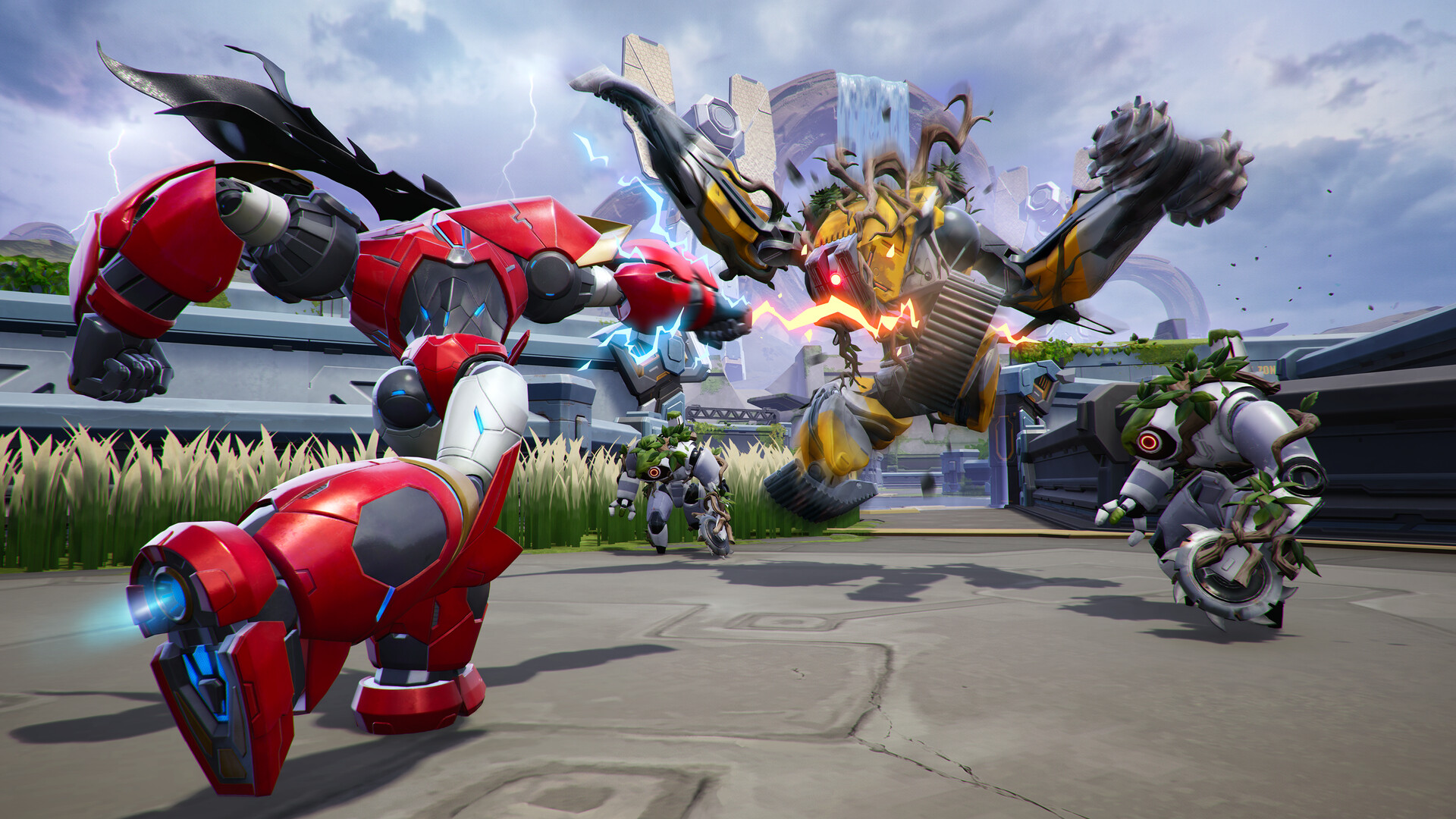
Witnessing players execute massive, running battles that culminated in staggering achievements—such as a "deca-kill" (ten kills in rapid succession)—provided an intense rush of adrenaline for both the players and the developers.
Kim notes that this was the exact moment when Project Zeta found its identity: "That’s when every puzzle piece clicked into place at once—combat, controls, heroes, systems, UI, UX, all of it… especially when players pulled off a deca-kill. The joy of development, I suppose; I felt it very intensely."
This data-backed focus on high-frequency, high-reward engagements ensures that even when players suffer defeat—such as being blindsided by a third-party squad right after a massive victory—the immediate gratification of the preceding chaos outweighs the frustration of losing, encouraging players to instantly queue back up.
Official Responses: Insights from Executive Producer Namseok Kim
Navigating the uncharted waters of a hybrid genre requires visionary leadership and thick skin. In our interview at Gamescom 2026, Namseok Kim opened up about the philosophy driving Nirvanana and the realities of developing a game hand-in-hand with its community.
When asked about the daunting competition in the multiplayer market, Kim acknowledged the hurdles: "The MOBA genre is not exactly one that’s wanting for competition… Your average League of Legends or DOTA player isn’t usually one to venture too far out of their comfort zones."
Rather than trying to poach loyalists from established titles by offering a better version of the same product, Nirvanana chose to carve out an entirely new niche. By lowering the psychological barrier to entry associated with traditional lane management and emphasizing pure, unadulterated combat fluidity, Project Zeta targets both genre veterans looking for a fresh pace and casual players seeking immediate thrills.
Kim also emphasized the studio’s commitment to community-driven development. The decision to completely rework the map’s terrain, narrative context, and visual cues was a direct result of listening to user complaints regarding spatial awareness. "Because players said they wanted to know intuitively where they are at any given moment, we changed the concept and narrative of each area of the map," Kim explained. This willingness to adapt has fostered a strong sense of mutual respect between the studio and its early testers.
Implications: What Project Zeta Means for the Future of Competitive Gaming
As the multiplayer market becomes increasingly oversaturated with safe sequels and derivative live-service titles, Project Zeta represents a much-needed breath of fresh air. Its success—or failure—will carry significant implications for the industry at large.
1. The Viability of Genre Hybridization
For years, developers have attempted to merge disparate genres to capture lightning in a bottle, often resulting in bloated, unfocused experiences. If Project Zeta succeeds in harmonizing the tactical depth of MOBAs with the kinetic energy of hero shooters and the survival stakes of battle royales, it could establish a new blueprint for future competitive multiplayer development.
2. Redefining Player Retention Through Moment-to-Moment Joy
Traditional competitive games often tie player retention heavily to win/loss ratios and ranked ladders, which can foster toxicity and burnout. By prioritizing immediate combat satisfaction and spectacular multi-kill moments over rigid win-conditions, Nirvanana is championing a philosophy where the experience of playing is more rewarding than the final scoreboard. If this model proves sustainable, it could shift how developers approach player engagement in live-service environments.
3. The Power of Iterative Transparency
By inviting the public into the development process early and absorbing heavy criticism to enact sweeping overhauls, Nirvanana has demonstrated the value of genuine studio-community collaboration. In an era where botched launches often sink studios overnight, transparent pre-release testing may become the gold standard for mitigating risk.
Conclusion and Call to Action
Project Zeta certainly has the odds stacked against it. Challenging entrenched giants in the multiplayer space is a monumental undertaking that has swallowed many well-funded projects before it. Yet, driven by an uncompromising vision, radical adaptability, and the electric thrill of multi-team chaos, Nirvanana just might have the winning formula.
For those eager to witness the evolution of this genre-defying experiment—or perhaps test their mettle and chase the elusive glory of a deca-kill—the journey is open to everyone. Global playtests are now officially open for sign-ups on Steam, offering players a direct hand in shaping the final chapters of Project Zeta‘s development. Whether it becomes the vanguard of a new multiplayer era or a fascinating cautionary tale, Project Zeta is undeniably one of the most exciting projects to watch in the modern gaming landscape.

