

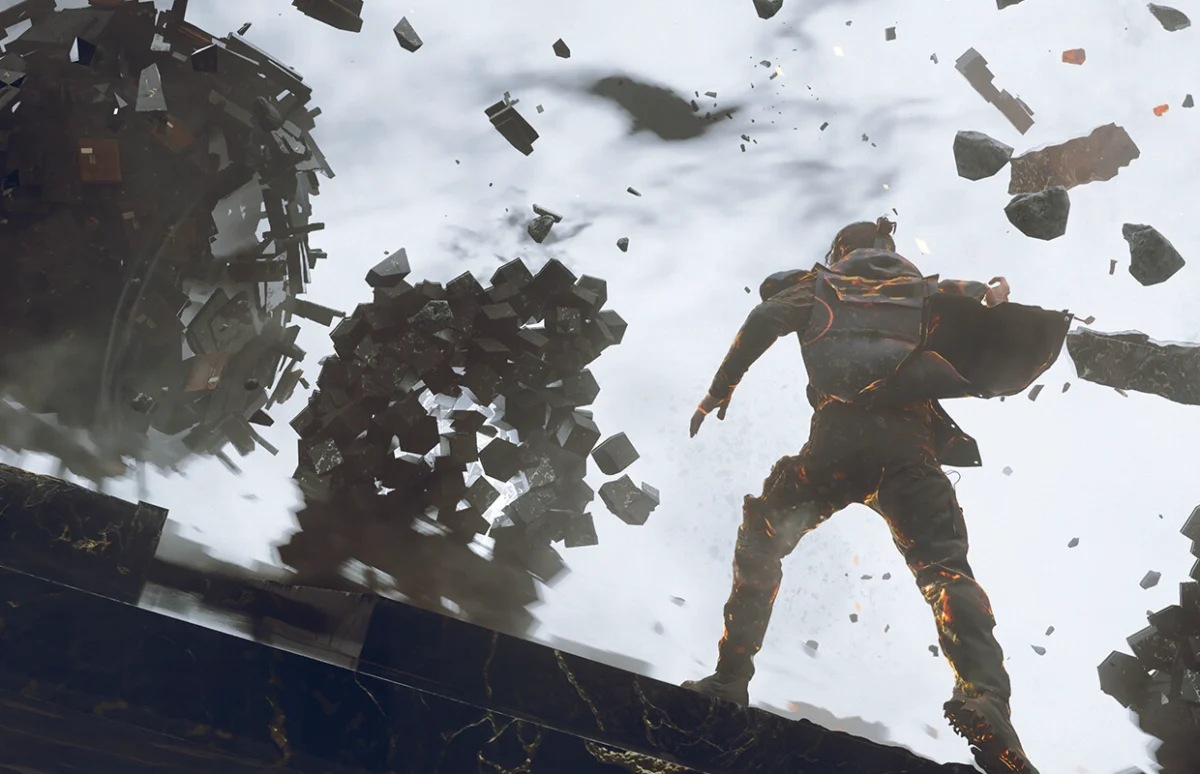
Every once in a while, a video game introduces a design concept or a sprawling set piece so conceptually challenging that it forces you to pause and ask yourself, “How did they actually make this?”
Control Resonant, Remedy Entertainment’s highly anticipated follow-up to their critically acclaimed 2019 supernatural thriller Control, accomplishes this feat no less than four separate times. The studio’s latest release is a mind-bending, genre-redefining take on the open-world formula. Packed with vibrant, kaleidoscopic level design, intricate lore, and a healthy dose of Remedy’s trademark surrealism, Resonant pushes the boundaries of what players have come to expect from the Finnish developer.
Though it suffers from a lackluster and punishing opening few hours, the game rapidly transforms into one of the most compelling and ambitious titles of the year, stacking layers of depth, verticality, and psychological weight as you progress. It is a stunning visual and auditory masterpiece. More importantly, however, Resonant is not simply Remedy deciding to chase industry trends by making an open-world game. Rather, it is a creative exercise in asking a much bolder question: What would it look like if a traditional open world was grafted directly onto the core Remedy formula? The result is something wholly, uniquely distinct.
Chronology and Premise: The Hiss Break Containment
Control Resonant takes place seven years after the harrowing events of the original game. This time, the narrative shifts focus away from Jesse Faden, placing players squarely in the shoes of her brother, Dylan Faden. As long-time fans will remember, Dylan is the powerful parautilitarian whose fractured psyche inadvertently helped the supernatural entity known as The Hiss invade the Federal Bureau of Control’s subterranean headquarters, The Oldest House.
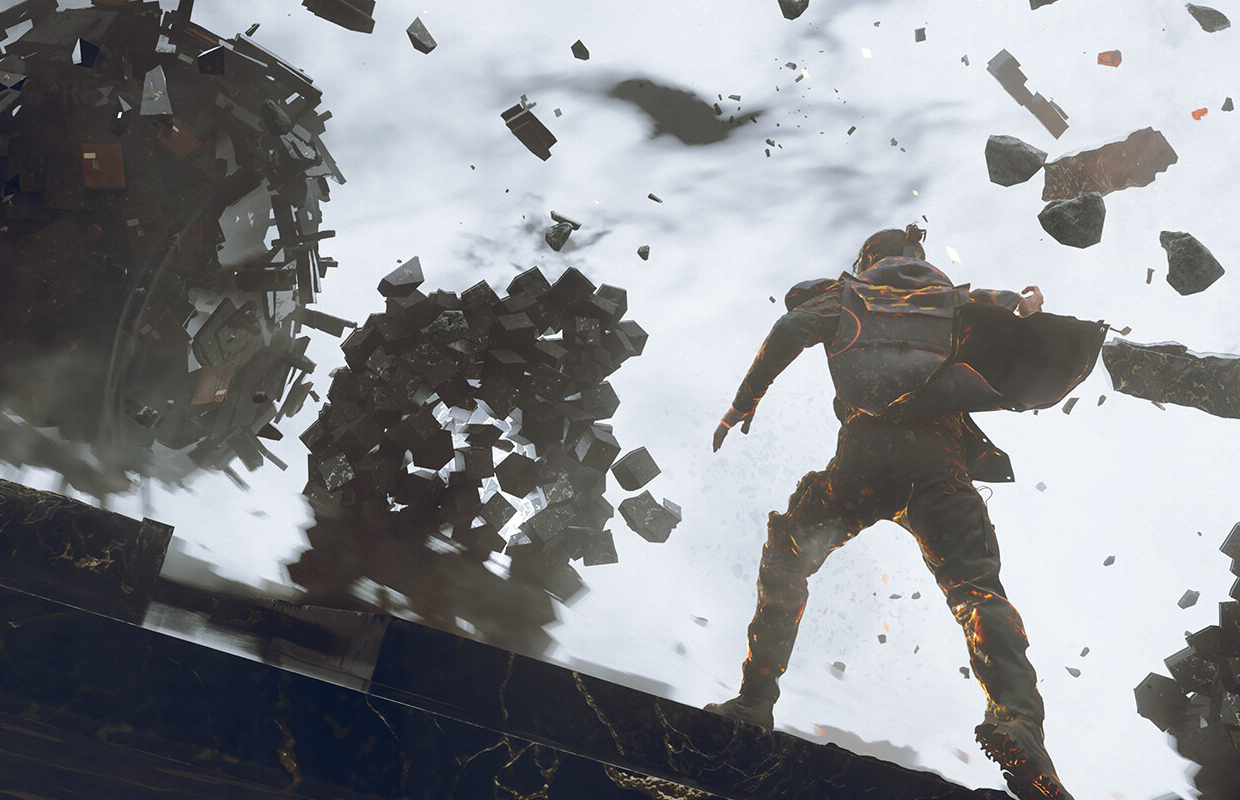
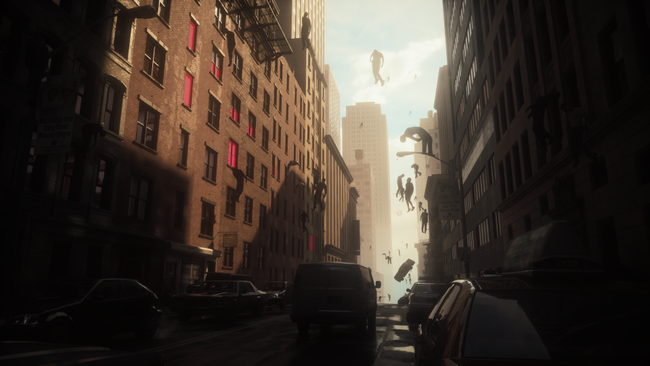
The story kicks off when Dylan suddenly awakens from a coma, armed with a mysterious new shape-shifting weapon referred to as the Aberrant. He discovers a terrifying reality: The Hiss have managed to break containment, spilling out of The Oldest House and violently overrunning the streets of Manhattan. To make matters worse, a brand-new supernatural phenomenon dubbed "Patterning" has twisted the city grid into an Inception-esque, geometrically impossible kaleidoscope. It falls entirely to Dylan to navigate this warped, deadly version of New York City and put a stop to the cascading paranormal disaster.
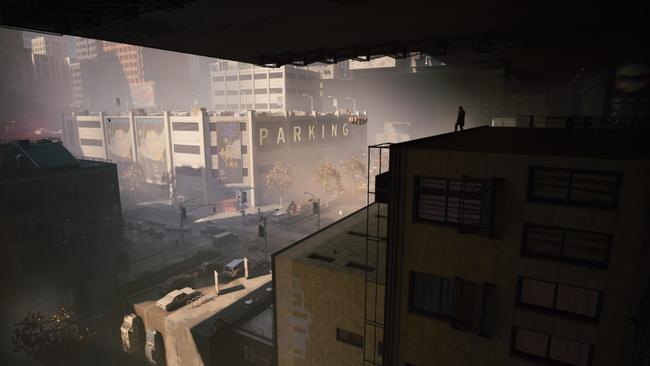
Open-world games are certainly no strangers to New York City as a setting, but Resonant presents a version of the city that never sleeps that is gorgeous in an almost morbid fashion. Mountains of pulsing blue mold devour and melt cars and skyscrapers into monolithic heaps, while shifting, kaleidoscopic mounds of human-like bodies float ominously through the sky like a grim, avant-garde art exhibit. Remedy relishes the opportunity to morph the painfully familiar into the deeply unknown.
Narrative Depth: Penance, Guilt, and Family
Dylan is a markedly softer-spoken protagonist than his sister Jesse, but the game delves into his internal world and psychological state with striking nuance. His relationship with Jesse serves as the gravitational core of the overarching narrative, offering satisfying, long-awaited answers to some of the biggest burning questions left over from the first game. While the actual presentation can occasionally feel stiff—character models and facial animations can appear rigid, even during cinematic cutscenes—the sheer quality of the writing and storytelling carries the experience.
Underpinning Dylan’s entire journey is a deeply compelling psychological undercurrent: penance. Dylan harbors a monumental, crushing weight of guilt and personal responsibility for his role in bringing The Hiss into our world. Resonant uses this emotional anchor to thoroughly explore themes of regret, forgiveness, and the fundamental question of whether individuals are truly deserving of redemption for actions committed under the influence of forces beyond their control.
This thematic exploration deeply enriches the narrative. By the time the credits roll, the game delivers a clear, emotionally resonant message that lingers long after you put the controller down. Furthermore, scattered across the environment are dozens—if not hundreds—of classic Remedy-style lore notes, detailing tantalizing hints about a mysterious spy organization that appears to rival the FBC, subtly laying the groundwork for the franchise’s future.
Supporting Data: World Design and Traversal Mechanics
What makes Resonant truly fascinating is how it simultaneously feels vastly different from anything Remedy has attempted before, while completely nailing the studio’s signature vibe and style.
The Open-World Structure
Rather than a single, overwhelmingly massive map, Resonant divides New York City into a series of distinct, large-scale explorable zones. While these zones interconnect, each operates as its own self-contained playground. There is a traditional "main story" questline to follow, but the vast majority of the narrative and world-building is uncovered organically through exploration. Players are largely given the freedom to experience the world in any order they choose.
Roaming the twisted streets yields major narrative quests alongside delightfully weird side activities. You might encounter a dimension-hopping dog continually losing her favorite toy, or hunt down powerful elite bosses known as "Resonants" that grant Dylan entirely new combat capabilities. In one standout side quest, Dylan is forced to freestyle a karaoke rap to save a crowd of exhausted civilians from a possessed karaoke machine compelling them to dance endlessly. These quirky, idiosyncratic touches are woven seamlessly throughout the experience.

Traversal and Gravity Manipulation
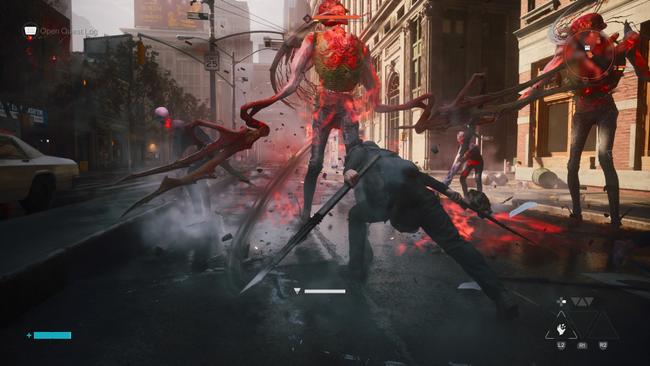
An essential component of interacting with this world is the traversal system—easily one of the best game-feel implementations since Insomniac’s Spider-Man. Dylan boasts a fluid moveset featuring a double jump followed by a sustained float that keeps him airborne for several seconds. This can be combined with up to two mid-air dashes in any sequence, allowing players to bound, glide, and dance across the rooftops of Manhattan with absolute grace.
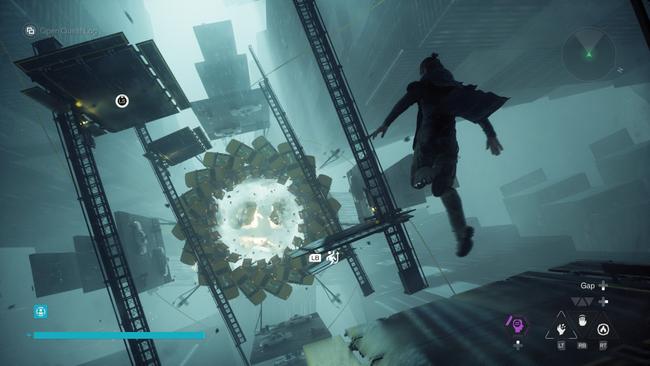
Later progression unlocks additional mobility tools, such as a targeted grapple point system. However, the crown jewel of traversal is the gravity shift ability, which allows Dylan to completely alter his personal gravitational pull to walk, run, and fight seamlessly along walls and ceilings.
Remedy integrates this mechanic into every facet of level design. Combat encounters gain massive cinematic flair when you leap off a crumbling street, shift gravity to stick to an overhead overpass, and look down at the chaos below. Late-game zones feature literal dual-layered layouts with top and bottom portions, forcing you to constantly flip your perspective to solve environmental puzzles and outmaneuver threats.
Zone Progression Systems
Progression in Resonant cleverly ties level-ups to the zones themselves rather than just Dylan’s personal statistics. Every action performed within a zone—defeating enemies, discovering hidden caches, completing quests—grants zone-specific experience points.
As a zone’s level increases, players unlock tangible perks: local merchants upgrade their inventories, map markers reveal hidden treasure locations, and enemy health drops increase. Crucially, every zone level-up rewards Dylan with a talent point for a massive skill tree, while various side quests yield build-defining relics. This Metroidvania-inspired progression structure makes every piece of exploration feel intensely rewarding and purposeful.
Official Responses and Combat Mechanics
Control Resonant also marks Remedy’s first true foray into the action-RPG genre, which brings us to the game’s most polarizing element: its combat balancing and steep learning curve.
A Rough Opening Act
In early developer interviews, Remedy emphasized their desire to push combat into a more dynamic, combo-heavy space. However, the execution during the opening hours leaves much to be desired. Until players unlock a broader suite of abilities and upgrades, the early game feels shockingly restrictive and punishingly difficult.
The combat features a severe difficulty spike right out of the gate, which can easily discourage newcomers. Part of this friction stems from how poorly the game initially communicates the importance of a holistic build—requiring players to invest heavily in weapon variations, exploit status effects, and master health-recovery mechanics through aggressive play.
Character Action Meets The Supernatural
Functionally, Resonant plays like an eccentric cross between Kingdom Hearts 2 and DmC: Devil May Cry. It is a combo-focused system where Dylan manages a primary weapon, a secondary weapon, a combat finisher, and a resource pool governed by a "Power" gauge.
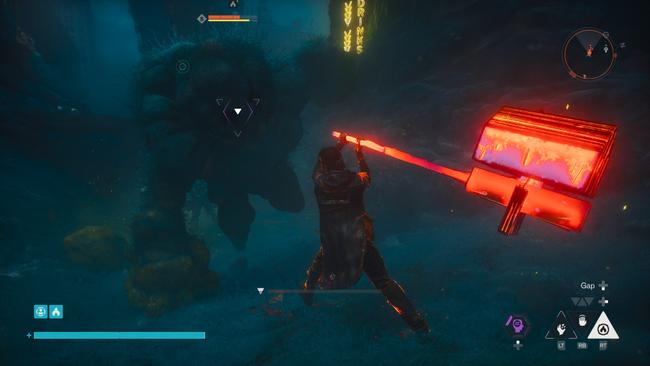
Primary weapons swap between three distinct archetypes:
- Dual Blades (Light, rapid attacks)
- Cleaver (Medium, balanced strikes)
- Scythe (Heavy, sweeping area-of-effect damage)
Abilities range from telekinetic pushes to summoning autonomous void turrets or imbuing weapons with elemental fire. Players must track complex combat loops involving status afflictions like Falter (used to stagger foes) and Dominance (a temporary damage-buff state triggered immediately upon executing an enemy).
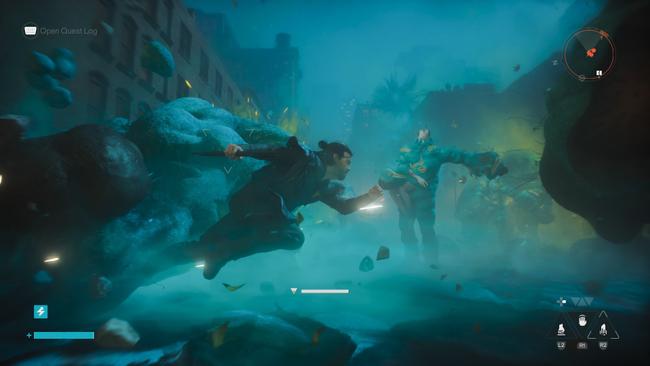
Once these mechanics finally click—roughly several hours into the campaign—the combat system transforms into an absolute thrill. Summoning a turret, sticking to a wall via gravity manipulation, and harvesting groups of enemies with a giant scythe while debris cascades upward creates moments of breathtaking cinematic spectacle. Bombastic boss battles further test your mastery of these systems, though a couple of encounters unfortunately devolve into tedious waves of standard enemies.
Implications: A High-Water Mark for Remedy
Despite a jarringly steep early-game learning curve and occasional pacing issues involving lengthy, five-minute combat lock-ins, Control Resonant stands as a monumental achievement for Remedy Entertainment.
By taking their trademark paranormal weirdness and successfully translating it into a dynamic open-world action-RPG, the studio has proven they are willing to take massive creative risks. The bumps along the way—principally the restrictive opening hours—are more than forgiven by the astronomical highs the game reaches in its second half. Control Resonant is a triumphant evolution of a beloved universe, setting a towering standard for narrative-driven open-world design for years to come.
Verdict: 9 / 10
- Platforms Tested: PlayStation 5 (Also available on Xbox Series X|S and PC)
- Disclaimer: A review copy of Control Resonant was provided to the publication by the publisher.

