

The narrative surrounding generative AI in the video game industry has been consistent and pervasive: it is the "silver bullet" for production efficiency. From the executive suites at PlayStation, where leaders praise the technology for its ability to strip away "repetitive tasks," to Epic Games CEO Tim Sweeney’s assertion that AI could have prevented the developmental struggles of Destiny 2, the industry consensus—at least among the giants—is that AI is the foundational future of game development.
The pitch is seductive, particularly for independent developers operating on razor-thin margins. If AAA studios can use AI to trim bloated budgets and accelerate release timelines, surely small teams—often characterized by limited funding and high risk—should be the first to embrace a tool that promises to help them "do more with less."
However, a deep dive into the perspectives of over 30 independent developers reveals a starkly different reality. Far from the optimism projected by corporate stakeholders, the indie community is largely signaling a rejection of generative AI, viewing it as a threat to creative integrity, a legal liability, and a fundamental misunderstanding of what game development actually entails.
The Core Philosophy: Creation as a Human Act
For most independent developers, the act of making a game is not merely a means to an end; it is the primary objective. The process—the "invisible ingredients" of trial, error, and iteration—is what defines the final product.
"Making things is the whole point, so why would you not?" asks Bradley Boothe of Freshly Baked Games, the studio behind Queen’s Domain. His sentiment is echoed by his colleague, Eric Berger, who views the pursuit of "polished-to-perfection" machine-generated assets as a hollow endeavor. "I’d rather see human ingenuity and expression," Berger notes. "It stops you from building important skills and understanding things. It’s a machine telling you what to do. You’re not going to learn anything."
This philosophy extends to how indie developers view the "soul" of their work. Sam Webster and Toby Dixon, creators of Morsels, compare the indie development process to artisanal "bake sale" goods. They argue that the deliberate, hands-on crafting of a game—the "lovingly forming" of mechanics and aesthetics—is an essential element that AI is fundamentally incapable of replicating.
Strange Scaffold, a studio known for its strong creative identity, has implemented a strict anti-AI policy. "We believe so fervently in the power of human developers," says producer Manda Farough. "I got into video games to write and to help people. Using gen AI to remove the most important human elements… creates lesser games. They’re not art anymore."
Chronology of a Growing Divide
The industry’s push toward AI began in earnest as generative models became accessible to the public, quickly moving from experimental novelties to integrated tools in major software suites.
- Early Adoption Phase: Initial interest was driven by the promise of rapid prototyping and asset generation, with some developers using AI to speed up the creation of background textures or simple code snippets.
- The Regulatory and Ethical Awakening: As the technology matured, concerns regarding copyright infringement, data scraping, and environmental impact moved to the forefront of the conversation.
- The "AI Slop" Backlash: In recent months, the influx of low-effort, AI-generated titles on platforms like Steam—often dubbed "AI slop" by the community—has created a negative stigma.
- The Current Stand-off: The industry is now bifurcated. While some developers continue to explore ethical use cases for AI, a growing cohort of indie creators has committed to a "Human-Made" pledge, intentionally highlighting the absence of AI in their workflows to distinguish themselves in a crowded marketplace.
Supporting Data and Industry Sentiment
While corporate entities argue for efficiency, the data suggests that the "efficiency" promised by AI often comes at the cost of quality and long-term viability. Recent analyses of the Steam storefront have indicated that while the volume of monthly releases is surging due to AI-assisted tools, a vast majority of these titles fail to generate meaningful revenue or player engagement.
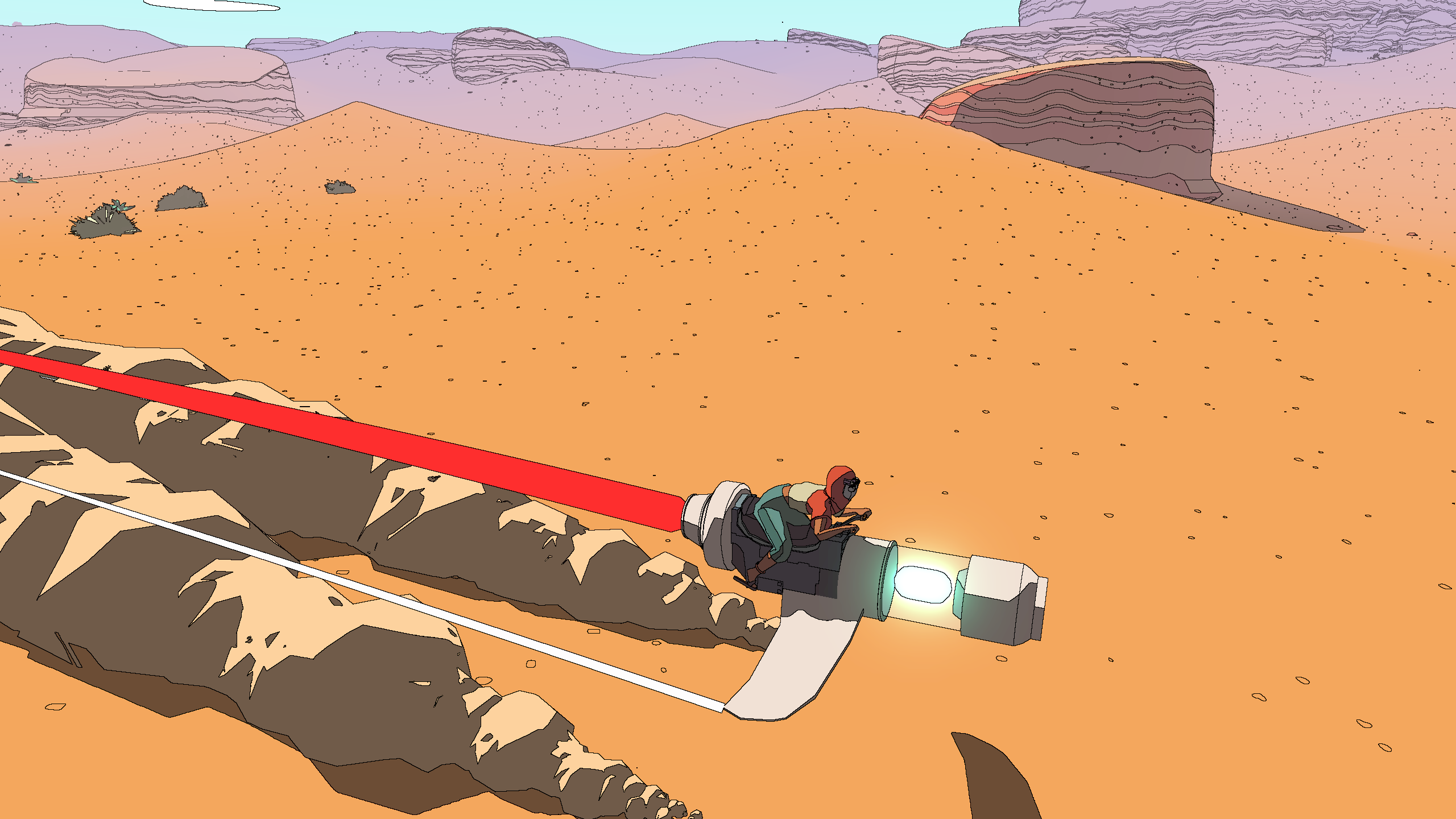
Gregorios Kythreotis, lead developer of Sable, points to the economic and structural danger of automating "mundane" tasks. "The process of doing those tasks allows me to think about my ideas and the game more broadly," Kythreotis explains. "If we automate junior roles out of existence, the industry will suffer greatly."
This concern is shared by Brandon Sheffield, creative director at Necrosoft Games. He notes that the Western trend of "firing staff to have fewer devs do more" via AI is viewed with skepticism even by international peers. "I’ve seen Chinese companies express amazement at how Western studios are firing folks… why fire all your good people?" Sheffield questions. The long-term risk, he argues, is "creative bankruptcy."
Official Responses and the Corporate-Developer Disconnect
The disconnect between executive strategy and developer reality is palpable. When leaders like Tim Sweeney suggest that AI enables games to "thrive," they are often speaking from the perspective of live-service scalability. Conversely, developers like Michael Overton Brown, the creator of Grindset TV, argue that this view is fundamentally flawed.
"I’m a solo developer. I wouldn’t be doing all this stuff if I didn’t like the whole process," Brown says. For him, the disconnect lies in the definition of a game. If a game is a product to be optimized, AI is a logical tool. If a game is an expression of human experience, AI is an intruder.
This sentiment is echoed by developers who have experimented with the tech only to walk away. The team at Artisan Games, creators of Lost Hellden, found that AI tools actually slowed down their creative thinking. "The artists in particular felt like they lost a lot of creativity," says studio head Mario Rizzo. "They were fed generic things that they felt took away from the idea of very creative monsters."
The Implications for the Future of Gaming
The implications of this industry-wide divide are profound. We are moving toward a tiered market:
- The Automated Tier: A high-volume, low-cost segment where AI generates content to meet the demands of rapid-consumption cycles. This segment risks "flooding the market," as noted by developer Joakim Sandberg, effectively burying unique, human-made projects.
- The Artisanal Tier: A resilient, indie-driven segment that markets itself specifically on the "Human-Made" label. These creators are betting that players will eventually grow weary of the uncanny valley of AI content and will seek out the intentionality and "soul" that only human creators can provide.
The legal and ethical hazards of AI also cannot be ignored. With ongoing litigation regarding the training data used for generative models, indie studios are rightfully wary of the legal risks involved in integrating these tools into their intellectual property. For a small team, a single copyright lawsuit could be catastrophic, whereas larger corporations may be better equipped to absorb or navigate these legal challenges.

Conclusion: The Resilience of the Human Creator
Ultimately, the rejection of AI by a significant portion of the indie community is an act of preservation. It is a declaration that the "difficulties" of development—the writing of code, the drawing of lines, the composition of music—are the very things that make a game worth playing.
As Chris Sumsky, developer of Echo Weaver, puts it, while AI may feel "inevitable," it cannot replace the creative side of the industry. The human urge to express, to build, and to connect through shared art remains the heartbeat of game development. While shareholders may push for the "efficiency" of AI, the creators on the ground continue to find that the most valuable part of the journey is the one they take themselves.
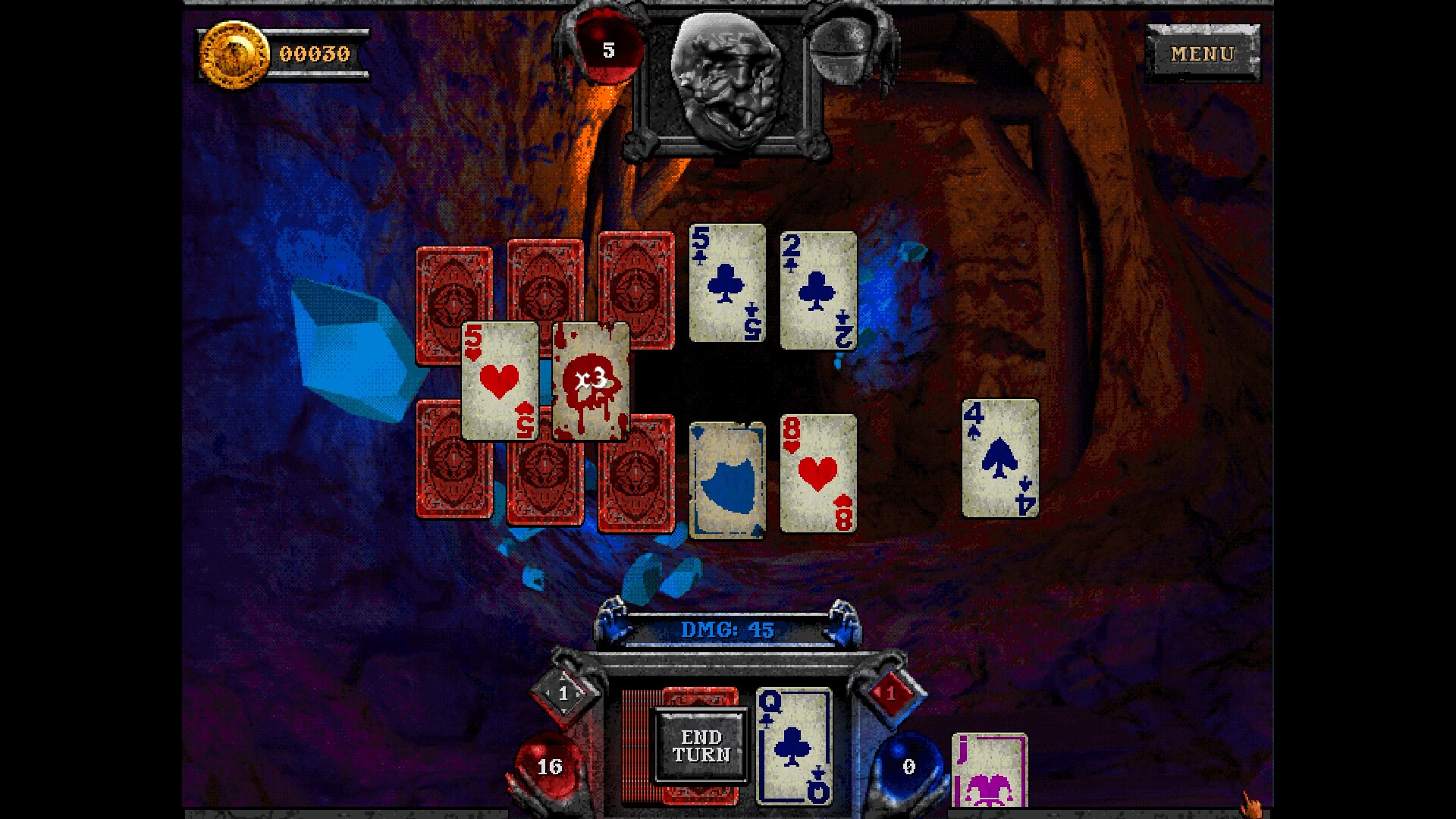
As the industry continues to grapple with this technological shift, the success of "loudly manmade" games may serve as the ultimate litmus test for whether players truly want a curated, machine-assisted future or the messy, beautiful, and deeply personal output of human hands.

