

In the volatile landscape of the modern video game industry, few voices carry as much weight as Shawn Layden. As the former Chairman of Sony Interactive Entertainment (SIE) Worldwide Studios, Layden presided over the golden era of PlayStation exclusives, steering the brand through a period of immense critical and commercial success. However, in a recent, candid critique, Layden has leveled sharp criticism at his former employer, suggesting that Sony’s apparent retreat from the PC market is a strategic misstep that ignores the fundamental evolution of modern entertainment.
Layden’s comments come at a time of profound transition for the gaming sector. After years of maintaining a "fortress" mentality—where console exclusivity was the primary pillar of success—Sony had, until recently, embraced the PC platform as a lucrative secondary market. Now, signs of a cooling relationship between Sony and the PC community have sparked widespread debate, with industry analysts and players alike questioning whether the gaming giant is losing its grasp on how the modern audience consumes content.
A Chronology of the PC Shift
To understand the weight of Layden’s criticism, one must look at the recent history of Sony’s relationship with the PC. For much of the PlayStation 4 era, Sony was defined by its rigid commitment to console exclusivity. Titles like God of War, Horizon Zero Dawn, and The Last of Us were effectively "walled garden" trophies, designed to drive hardware sales.
The pivot began in earnest around 2020. Recognizing that the lifecycle of a AAA game could be significantly extended—and its profitability boosted—by entering the PC space, Sony began porting its flagship titles to Steam and the Epic Games Store. The results were immediate and staggering. Shuhei Yoshida, another former SIE executive, famously remarked that the strategy was "almost like printing money," as titles that had already saturated the console market found a massive, eager audience on PC.
However, the tide began to turn in early 2024. Observers noted a shift in tone during investor briefings and a noticeable absence of PC-related announcements in recent corporate reports. More telling was the silent removal of PC-specific language from certain strategic documents, replaced instead by a focus on "internal efficiencies" and, curiously, artificial intelligence. The message, while never officially codified in a press release, was clear: Sony is bunkering down, prioritizing the PlayStation 5 ecosystem over the multi-platform approach that had yielded such impressive growth.
The Layden Perspective: Beyond the Bottom Line
Shawn Layden’s core argument in his recent interview with PSI is that the industry has fundamentally misunderstood the purpose of multi-platform distribution. Many within the executive suites of major publishers view PC ports strictly through the lens of "lost console sales." The fear is that if a player can buy Ghost of Yotei on PC, they won’t feel the need to purchase a $500 PlayStation 5.
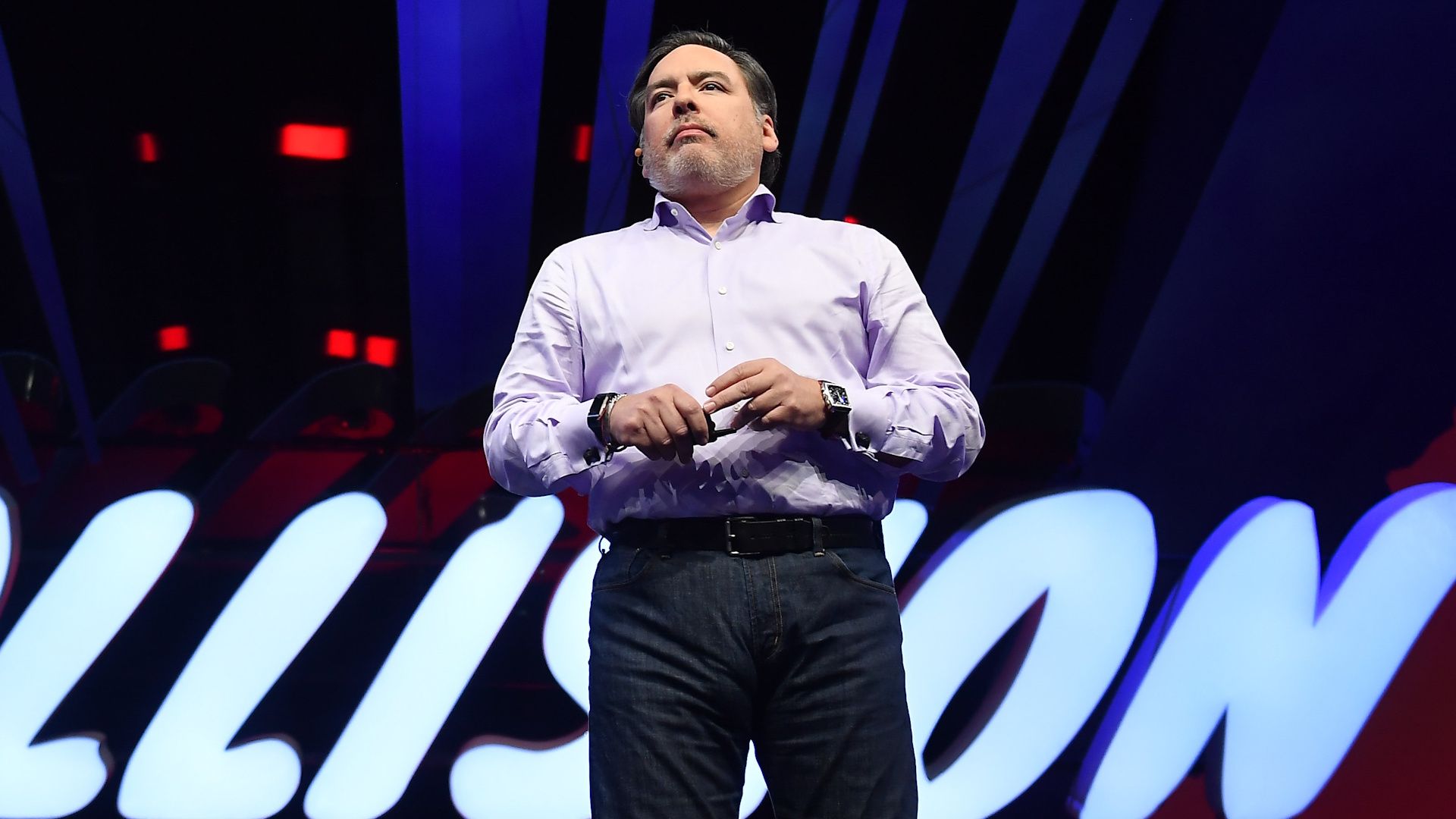
Layden rejects this zero-sum logic. "Not necessarily because they’re going to buy a PlayStation," Layden said, dismissing the idea that a PC port inherently cannibalizes hardware sales. "I wasn’t that crazy. I didn’t think that was going to happen."
Instead, Layden frames the PC strategy as a necessity for brand longevity. In an era where gaming IP is being adapted into television series (like The Last of Us on HBO) and feature films (like Uncharted), visibility is the most valuable currency. By confining a narrative to the PlayStation ecosystem, Sony limits the cultural footprint of its intellectual property.
"You need to have as many eyeballs that are aware of this character, of this story," Layden argued. "Just concentrating on the PlayStation population and only telling them these stories, and then trying to bring it off of that platform into different media, that’s going to be a hell of a jump."
Data: The PC Market’s Explosive Growth
While Sony seems to be retreating, the data suggests that the PC market has never been more vital. According to the 2025 Global Games Market Report, the global gaming industry has crossed the $200 billion threshold, with PC gaming acting as the primary engine for growth. While console revenue has remained stagnant or seen marginal declines year-over-year, PC revenues saw a 12% increase.
The sheer scale of the PC audience is difficult to ignore. Take-Two Interactive, the parent company of Rockstar Games, provides a fascinating case study. While CEO Strauss Zelnick has stated that PC users are not the "core" audience for the highly anticipated Grand Theft Auto 6—leading to the game’s delayed PC release—he simultaneously acknowledged that PC sales can account for nearly 50% of a massive title’s total revenue.
This paradox illustrates the divide between legacy console-first mindsets and the reality of the market. If nearly half of a game’s lifetime sales can come from the PC platform, the decision to withhold or delay these versions appears less like a strategic masterstroke and more like a failure to capture market share.
Implications for the "Console Wars"
The ripple effects of Sony’s shift are being felt throughout the broader "console war" landscape. Microsoft, for its part, has faced its own share of criticism for its recent handling of the Xbox brand. While Microsoft has also toyed with the idea of returning to stricter exclusivity to bolster its hardware, they have been more vocal about maintaining PC availability.
Matt Booty, Microsoft’s chief content officer, recently reaffirmed that Xbox exclusives would "still show up on all the normal places where we sell the PC version." This suggests a divergence in strategy: Microsoft is attempting to lean into its ecosystem (Game Pass and Windows) as a holistic service, while Sony is attempting to retrench behind the console hardware.
For the average consumer, the implications are twofold. First, the short-term impact of Sony’s pullback is likely to be minor; we aren’t losing access to current blockbusters, but we may see a significant increase in the wait time for future titles. Second, it highlights a growing disconnect between hardware manufacturers and the reality of cross-platform gaming.
Conclusion: A Misunderstanding of Modern Entertainment
The critique leveled by Shawn Layden is not merely about whether or not we get a port of a specific game. It is about the "basic misunderstanding" of how the interactive entertainment world moves. The era of the "siloed" gamer is coming to an end. Today’s players expect their games to be available across devices, and they expect their chosen platform—be it a high-end gaming PC or a living room console—to be treated with respect.
By pulling back from the PC, Sony risks isolating itself from the fastest-growing segment of the industry. Whether this is a calculated move to protect the perceived "prestige" of the PlayStation brand or a symptom of a broader, more systemic lack of vision, one thing is clear: the industry is moving toward a more open future. If Sony chooses to swim against this current, they may find that the "printing money" days of the recent past were not the beginning of a trend, but a fleeting opportunity they are now choosing to walk away from.
As Layden aptly noted, if a player is willing to wait 18 months for a PC port, they were never going to buy the console anyway. By refusing to meet these players where they are, Sony isn’t protecting its hardware—it’s simply ignoring its own customers.

