

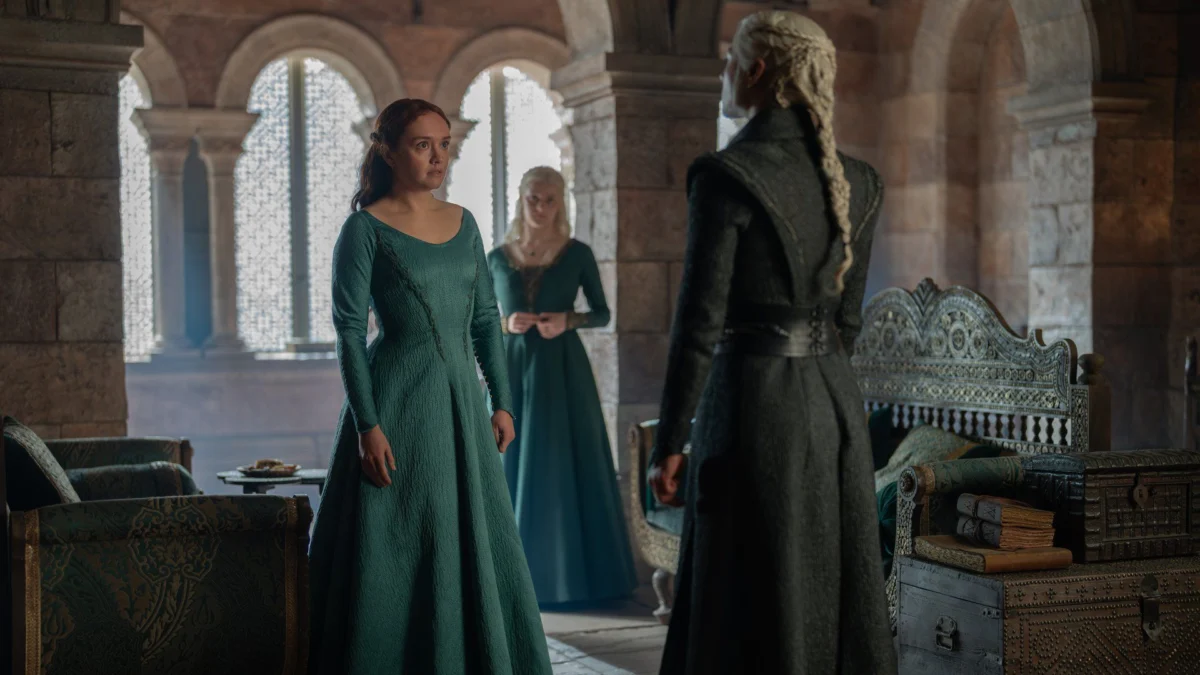
The war of succession in House of the Dragon has officially moved from the battlefield to the claustrophobic halls of the Red Keep. As the third season of HBO’s flagship fantasy drama unfolds, the precarious alliance—or, more accurately, the uneasy cessation of hostilities—between Queen Alicent Hightower and Rhaenyra Targaryen has dissolved into a volatile stalemate defined by grief, resentment, and the irreversible weight of political legacy.
Following the harrowing events of the Battle of the Gullet and the subsequent failure of a clandestine escape attempt, the power dynamics within King’s Landing have shifted irrevocably. Alicent Hightower, once the architect of a new regime, now finds herself a prisoner of her former childhood best friend. For audiences and critics alike, this season marks a turning point where the personal bonds of the past have been entirely consumed by the fire of the Dance of the Dragons.
The Fallout of a Failed Pact: A Chronology of Collapse
The narrative tension of the current season is rooted in the broken promises that ended Season 2. The initial deal between Alicent and Rhaenyra, which sought to secure the safety of the Hightower lineage while handing the keys to the capital over to the Black faction, was doomed from its inception.
The Escape That Never Was
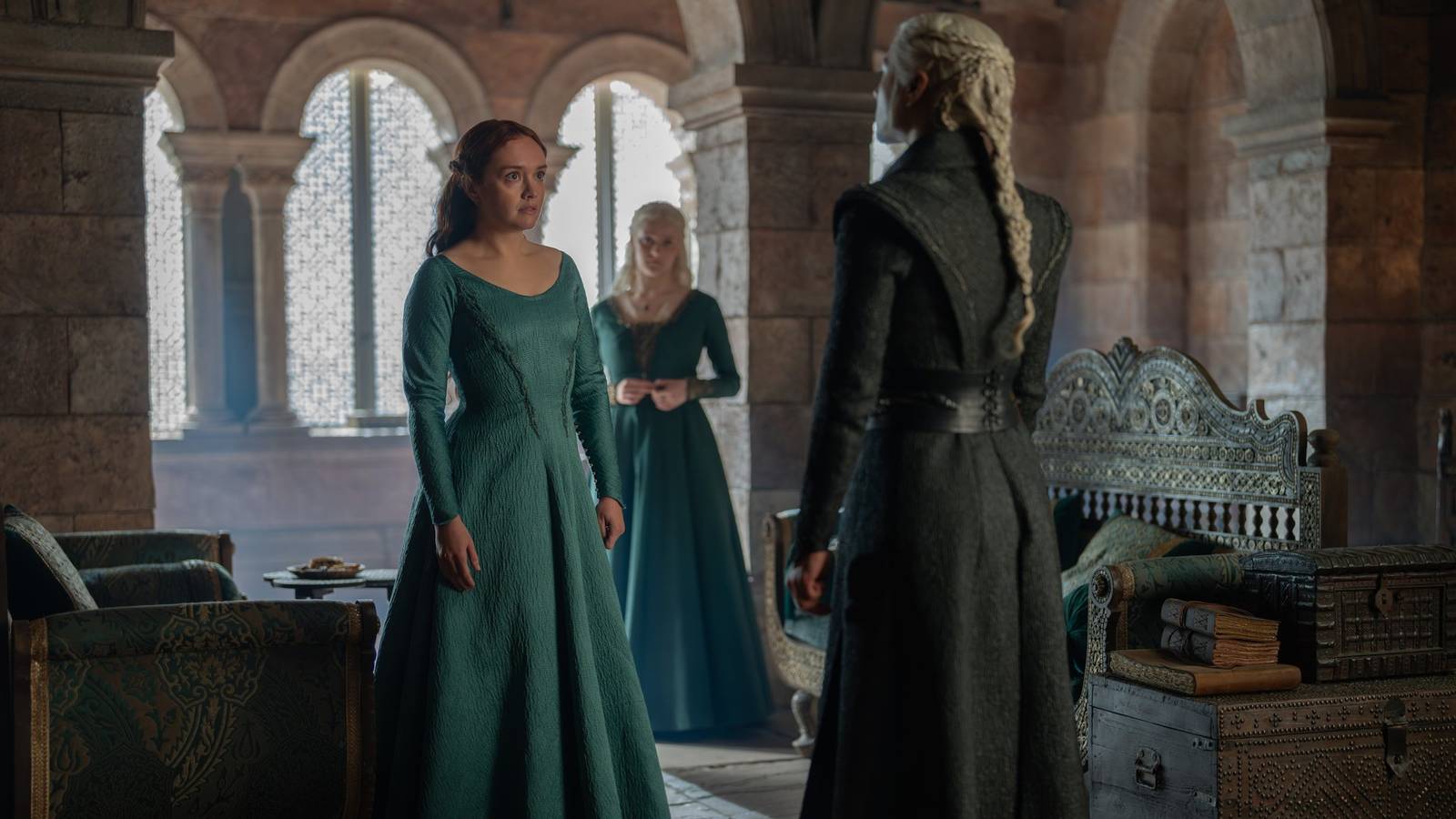
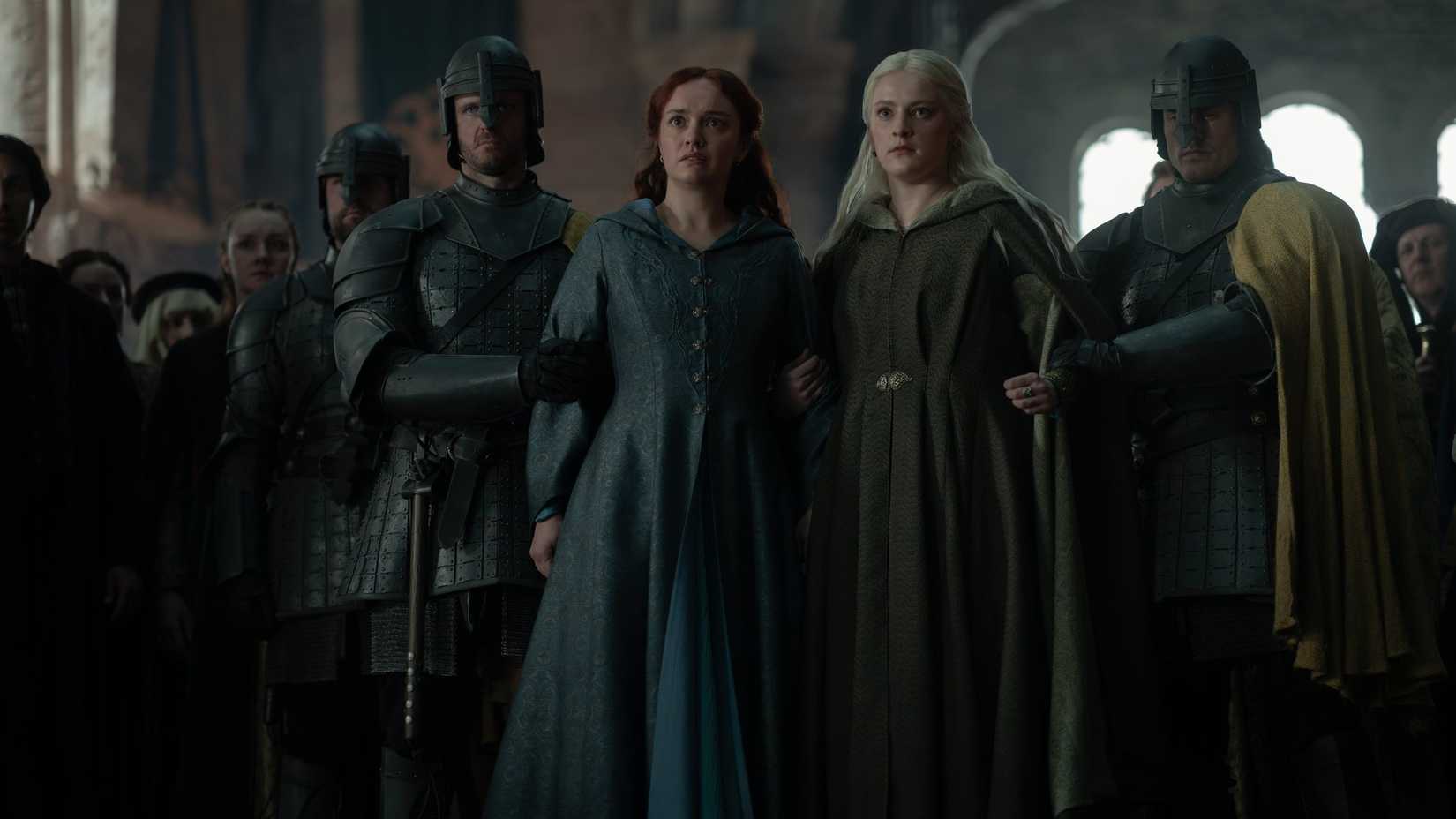
The collapse of the pact began when King Aegon II, the figurehead of the Green claim, mysteriously vanished from the city. In the wake of his flight, Alicent and her daughter, Helaena, were apprehended during their own attempt to flee the capital. This failed departure serves as the catalyst for the current arc, forcing the two women into an uncomfortable proximity within the Red Keep—a space that, for both, is saturated with the memories of their shared youth and the ghosts of their present choices.
The Execution of Otto Hightower
If the escape attempt was the spark, the execution of Otto Hightower was the gasoline. Rhaenyra’s decision to execute the former Hand of the King—a man who spent decades maneuvering to strip her of her birthright—has pushed Alicent toward a point of no return. The visual trauma of discovering her father’s decapitated remains has shifted Alicent’s internal state from one of weary resignation to what actress Olivia Cooke describes as "white-hot anger."
The Burden of Leadership: Mirroring Roles
As Rhaenyra assumes control of King’s Landing, she is discovering that the seat of power is less a throne and more a prison. The series draws a compelling parallel between her current struggles and those of Alicent during the final years of King Viserys I’s reign.
The Reality of Rule
The glamour of the Iron Throne is quickly stripped away by the mundane, brutal realities of ruling a starving city. Rhaenyra is currently grappling with the visceral problems of the smallfolk: rampant food shortages, a city-wide rat infestation, and the crumbling infrastructure of the capital. These domestic crises serve as a foil to the high-stakes naval warfare occurring elsewhere, grounding the fantasy narrative in the brutal economics of medieval governance.
The Shadow of Martyrdom
For Rhaenyra, these duties are performed under the crushing weight of grief. The loss of her son, Jace, during the Battle of the Gullet remains the emotional epicenter of her arc. As Emma D’Arcy noted in recent interviews, Rhaenyra’s political maneuvers are no longer just for her own sake; they are an act of posthumous devotion to her child. "This is a political family whose personal relationships are so fundamentally enmeshed with this political ambition," D’Arcy explains. "If Rhaenyra’s name enters the history books, her son gains a kind of immortality."

The Psychology of Betrayal: Official Perspectives
The performances of Olivia Cooke and Emma D’Arcy continue to anchor the series, providing a human lens through which the audience processes the cold machinery of war. The evolution of the relationship between Alicent and Rhaenyra remains the show’s most compelling engine.
Cooke on the "Seesaw of Power"
Olivia Cooke, reflecting on the dynamic between the two leads, suggests that their fates are inextricably linked. "They’re sort of at opposite ends of a seesaw or scales," Cooke states. "Both of them can’t have power at the same time. But I think when Rhaenyra sneezes, Alicent catches a cold. No matter where they are, they can’t help but feel the ripple effects of each other’s actions."
This interconnectedness is what makes the betrayal so poignant. Alicent is left to wonder if the promises made to her were ever genuine or if she has merely been a pawn in a larger, more ruthless game of chess. Her inability to verify whether Otto was a prisoner of Rhaenyra’s for the duration of the conflict fuels her suspicion, leading to the chilling realization that there is no longer a path back to their shared history.
Implications for the Realm: The Point of No Return
As the third season progresses, the implications of the current power dynamic extend far beyond the personal tragedy of two former friends. The political landscape of Westeros is hardening into a binary conflict that leaves little room for nuance or diplomacy.
The End of Diplomacy
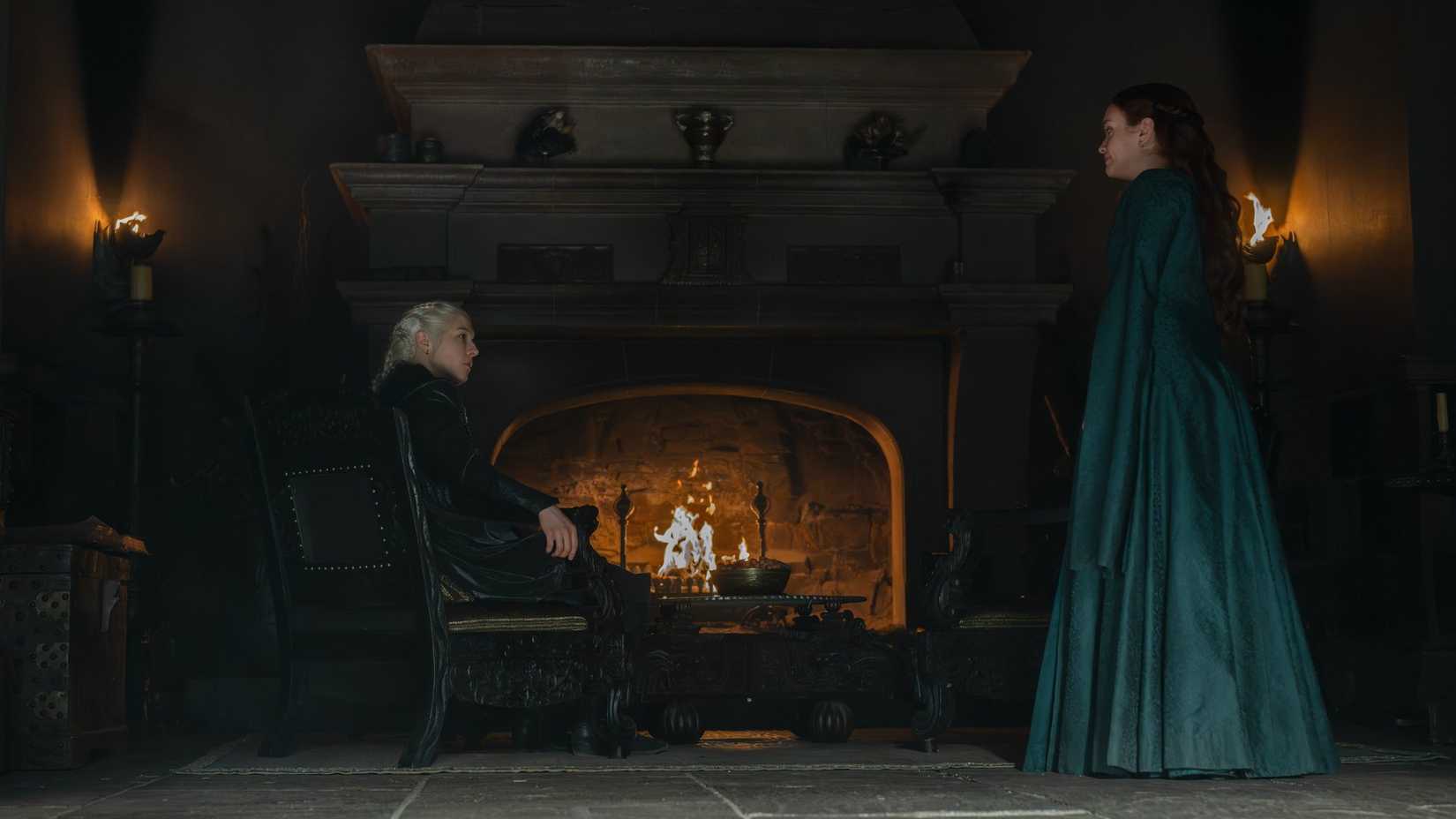
The core theme of this season is the death of simplicity. As Cooke succinctly put it, "They can never go back to who they were. They can never have a simple relationship again. It’s marred by betrayal and death and too much time having passed." This loss of innocence serves as a microcosm for the realm at large. When the leaders of the two factions can no longer communicate or trust one another, the conflict inevitably devolves into total war.
The Cost of Immortality
The cycle of violence is now self-sustaining. Every political act—such as the public execution of a Hand—demands a response, which in turn necessitates a counter-response. For the audience, the show is successfully raising the stakes: the question is no longer who will win, but what will be left of the winner once the dust settles. By focusing on the emotional toll—the "white-hot anger" and the "shadow of a son’s death"—the writers are ensuring that the inevitable devastation of the Dance of the Dragons carries a weight that feels earned and profoundly tragic.
Conclusion: The Long Road Ahead
As the mid-season episodes approach, the narrative arc of House of the Dragon is moving toward a collision of interests that will likely redefine the balance of power in Westeros. Rhaenyra’s struggle to prove herself a worthy successor while haunted by her son’s death, coupled with Alicent’s transformation from a resigned mother to a vengeful survivor, creates a high-tension environment that few other fantasy dramas manage to replicate.
The show continues to excel at portraying the "politics of the personal." By keeping the focus on the internal lives of its protagonists, House of the Dragon reminds viewers that the most dangerous dragon in the room is often the one fueled by grief, betrayal, and the desperate, burning need for legacy. Whether or not any reconciliation is possible remains the central, haunting question of the season—but if the current trajectory is any indication, the answer is likely to be written in blood.
House of the Dragon season 3 continues to air Sunday nights at 9 p.m. ET on HBO and Max.

