

Main Facts
The modern video game industry is undergoing a profound and unprecedented structural crisis, defined by sweeping studio closures, thousands of layoffs, corporate consolidation, and the systematic stifling of creative risk. While veterans and executives fiercely debate whether the current downtown eclipses the historic video game crash of 1983, a consensus has emerged: the traditional economic engines driving interactive entertainment are fundamentally broken.
Originally featured in Edge magazine and detailed via the Knowledge newsletter, a collective of industry luminaries—including former Arkane Studios creative director Harvey Smith, Kitfox Games co-founder Tanya X. Short, Ultima Online veteran Raph Koster, and narrative designer Sam Barlow—have pulled back the curtain on an ecosystem strained to its absolute limits. According to these industry leaders, the crisis goes far deeper than poor game sales or shifting consumer habits. Instead, it is the downstream consequence of unchecked corporate consolidation, private equity predation, and an overarching financial system that treats art and human expression as expendable variables on a balance sheet.
The consequences of this systemic rot are visible across the board. Multi-billion-dollar corporate buyouts, such as Microsoft’s sprawling acquisitions and massive private equity leveraged buyouts, have routinely triggered immediate studio shutterings—claiming celebrated shops like Arkane Austin and Tango Gameworks—while shelving promising intellectual properties. Meanwhile, publicly traded publishers face insurmountable pressure from Wall Street to deliver predictable, exponential quarterly growth, a demand that is structurally incompatible with the inherently chaotic and iterative nature of creative development. As a result, companies are increasingly steering funds away from talent and innovation, pivoting instead toward speculative fads like generative AI to juice short-term share prices at the direct expense of workers’ livelihoods.
Chronology: The Anatomy of a Modern Crisis
To understand how the video game industry arrived at this precarious crossroads, it is necessary to examine the cascading events of recent years that turned a prosperous medium into a battleground for survival:
- 2021–2022 (The Post-Pandemic Correction): Following an unprecedented boom in gaming consumption during global lockdowns, publishers over-hired and vastly overestimated long-term growth trajectories. As pandemic restrictions lifted, revenues normalized, catching corporate boards flat-footed.
- Late 2021 (The Public Market Reality Check): Publishers like Devolver Digital went public, believing the stock market could reliably support indie and mid-tier publishing models. Within a few short years, the brutal demand for infinite, sequential growth made this arrangement untenable, setting the stage for Devolver’s eventual push to delist from the market.
- 2023–2024 (The Year of Mass Layoffs): The industry witnessed a relentless wave of workforce reductions. Tens of thousands of developers, QA testers, writers, and artists lost their jobs despite many major companies posting record annual revenues.
- May 2024 (The Shockwave of Studio Closures): Microsoft executed a devastating consolidation phase, abruptly closing four major internal studios, including Arkane Austin (creators of Prey) and Tango Gameworks (creators of Hi-Fi Rush), sending shockwaves through the development community.
- Late 2024 (The Recognition of Systemic Failure): Industry figures began stepping forward to reject the narrative that the crisis was merely a "correction." At events like The Game Awards 2024, figures like Amir Satvat were recognized for establishing independent databases simply to help displaced workers find employment, highlighting the glaring absence of institutional safety nets.
- Present Day (The Reckoning): Major studios continue to face intense scrutiny over massive corporate debt, leveraged buyouts, and speculative investments in AI, while independent developers actively search for alternative funding structures—such as co-ops and private financing—to escape the trap of traditional publisher models.
Supporting Data and Industry Perspectives
The structural fractures within the industry are best understood through the experiences and raw assessments of the veterans weathering the storm.
Harvey Smith, looking back at the closure of Arkane Austin in the wake of Redfall’s difficult launch, articulated the cold calculus of modern corporate boardrooms. Rather than nurturing a studio through iterative cycles—the kind of long-term investment that historically birthed masterworks like Dishonored—modern conglomerates view human talent as replaceable.
"You wouldn’t want to do that, if there’s an opportunity cost where instead you could put that money into AI, and even if it’s a bubble, your share price goes up massively," Smith noted, highlighting how speculative technologies are cannibalizing budgets once reserved for human creativity.
This sentiment is echoed by Tanya X. Short of Kitfox Games, who pointedly questioned the fundamental compatibility between artistic endeavors and modern capitalism.
"I don’t think our current financial models are set up for art or entertainment," Short said. "I just don’t think art is what capitalism is designed to nurture. But humans are."
Raph Koster, veteran MMO developer and founder of Playable Words, approached the crisis through a macroeconomic lens. According to Koster, the video game industry is merely reflecting the broader tendencies of deregulated global economies. Without legislative guardrails, markets naturally progress toward hyper-concentration, cartels, and monopolies—a lifecycle that inevitably chokes out independent innovation and exploits labor.
Sam Barlow offered perhaps the most sobering summation of the situation, asserting that the systemic failures inside the gaming space cannot be solved in a vacuum:
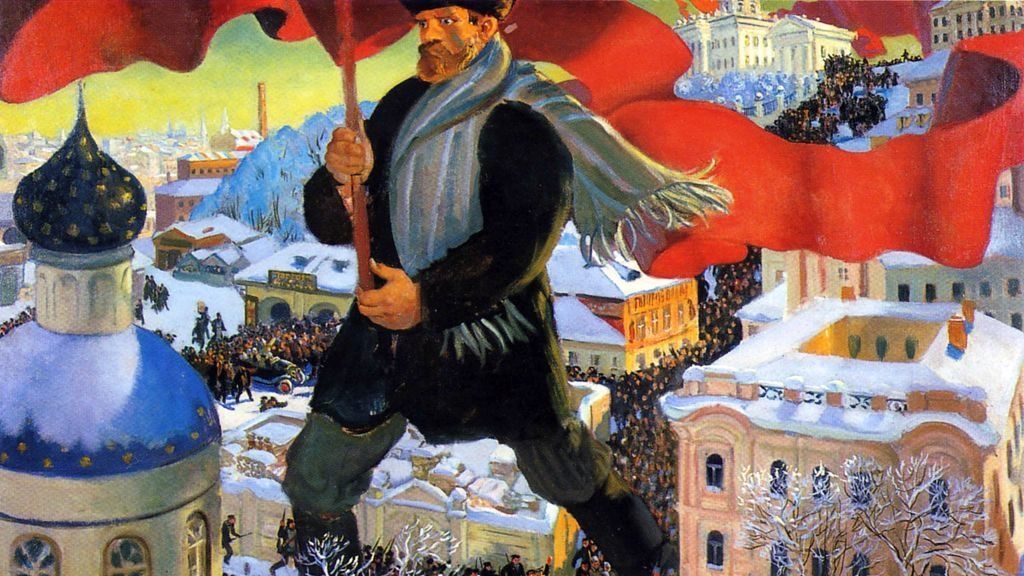
"Ultimately, to fix what’s broken in the videogame industry, we might have to fix reality."
Official Responses and Stakeholder Reactions
The corporate class and indie developers have responded to the crisis in radically divergent ways, illuminating a profound ideological split within the gaming ecosystem.
Corporate executives and private equity firms have largely doubled down on aggressive consolidation strategies, attempting to engineer efficiency through massive layoffs, studio downsizing, and outsourcing. By leaning into debt-financed buyouts and treating intellectual properties as interchangeable assets, major holding companies hope to squeeze predictable margins out of an inherently unpredictable art form.
Conversely, independent creators and mid-sized publishers are enacting proactive resistance strategies. Devolver Digital’s historic push to exit the public stock market stands as a primary institutional response against Wall Street interference. By choosing the headaches of private independence over the toxic metrics of public accountability, Devolver signaled to the market that creative freedom requires physical distance from predatory investor expectations.
Furthermore, community-driven initiatives have stepped up to fill the void left by failing corporate HR departments. Figures like Amir Satvat have mobilized grassroots professional networks, creating comprehensive tracking systems and support networks for thousands of laid-off developers. These efforts demonstrate a powerful solidarity within the creative trenches, proving that while corporate structures may falter, the collective community remains fiercely protective of its people.
Implications: The Future of Interactive Entertainment
What do these systemic fractures mean for the future of video games? The implications span every tier of the ecosystem, pointing toward an uncertain, highly polarized future.
1. The Death of the Mid-Budget "AAA" Gamble
As publishers become increasingly risk-averse, the middle tier of game development—games with robust production values that are not quite blockbuster monoliths—faces near-extinction. Projects must either scale up to hyper-expensive, safe blockbuster templates designed to appeal to global demographics, or scale down to lean, agile indie productions capable of surviving on modest sales.
2. The Rise of Alternative Funding and Co-Op Models
To escape the whims of private equity and public stock market pressures, developers are increasingly looking toward alternative organizational structures. Worker-owned cooperatives, crowdfunded projects, and boutique private investment firms that understand the cyclical nature of creative output are gaining traction as viable havens for talent fleeing major publishers.
3. A Resilient Creative Spirit
Despite the grim realities of layoffs, canceled projects, and corporate greed, industry veterans maintain a cautious optimism. Harvey Smith believes that despite the necessary "deposition of some kings," brilliant and creative people will continue to find ways to build compelling experiences. The distribution models and corporate structures may radically transform, but the fundamental human desire to play, share, and create interactive art will outlive the current economic downturn.
Ultimately, the video game industry’s current crisis is a mirror reflecting wider societal questions about labor, wealth concentration, and the commodification of culture. Whether the industry can successfully reform its financial foundations—or whether it must endure a deeper collapse before true healing can begin—remains the defining question of modern entertainment.

