

TOKYO — In the modern landscape of action role-playing games, few balancing acts are as perilous as calibrating a title’s difficulty curve. Make a game too punishing, and you risk alienating the casual audience necessary to sustain a blockbuster franchise. Make it too forgiving, and the hardcore veterans who have spent over a decade mastering every dodge-frame and combo route will cry foul, dismissing the experience as lacking depth.
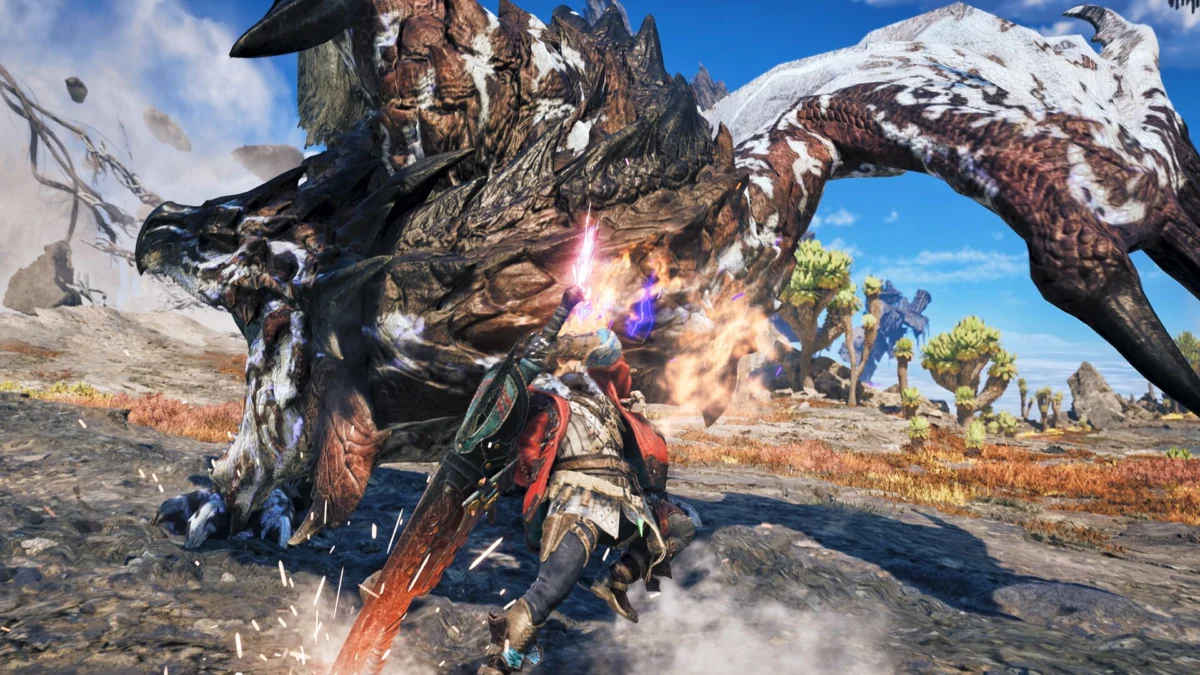
Nowhere has this tightrope walk been more apparent than in Capcom’s ecosystem-spanning blockbuster, Monster Hunter Wilds. Following its launch, the title became a focal point of intense community debate. While initial optimization and performance issues on PC dominated early headlines, a parallel conversation steadily took center stage: the game’s approach to challenge.
Initially, a vocal segment of the player base criticized Monster Hunter Wilds for feeling too easy—a "sleepwalk" compared to the white-knuckle endurance tests of past entries. When subsequent updates attempted to rectify this by cranking up threat levels, the response was mixed; many players argued that Capcom’s fixes relied on inelegant, arbitrary damage spikes rather than meaningful tactical engagement.
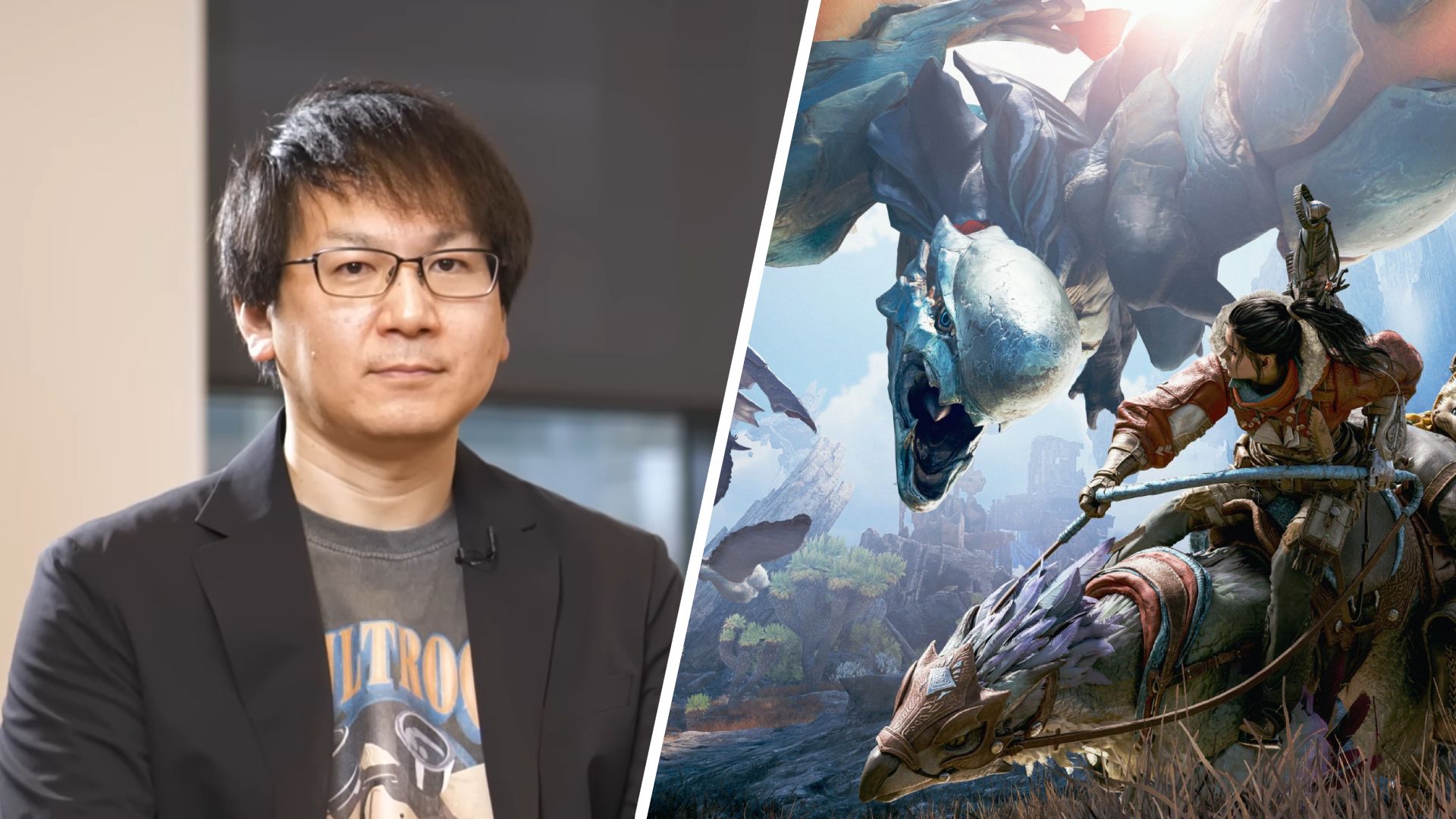
Addressing these criticisms head-on, Monster Hunter Wilds: Ascendance director Takuro Hiraoka sat down for an exclusive interview at the Tokyo Game Show to discuss the philosophy behind the game’s design, the lessons learned from the base release, and how the upcoming expansion aims to bridge the gap between accessibility and hardcore mastery.
Main Facts: The Core Dilemma of Modern Monster Hunter
The fundamental tension surrounding Monster Hunter Wilds boils down to audience evolution. Since the breakout global success of Monster Hunter: World in 2018, Capcom has deliberately courted a broader, more mainstream demographic. However, expanding the player base inherently means accommodating players of varying skill levels and time commitments.
- The Accessibility Goal: Capcom’s primary directive for the base game of Monster Hunter Wilds was to ensure that players felt empowered to reach the credits. According to Hiraoka, data from Monster Hunter: World indicated that a significant portion of users dropped off before completing the main narrative because the difficulty spiked too sharply, too early.
- The Skilled Veteran Gap: Capcom underestimated how rapidly and thoroughly the community would master the new mechanics. Years of refined skills from playing World, Iceborne, Rise, and Sunbreak meant that the modern Monster Hunter player base arrived at Wilds with vastly elevated reflexes and game sense.
- The ‘Ascendance’ Solution: Rather than overhauling the base game’s approachable narrative progression, Capcom is channeling its efforts into the upcoming Ascendance expansion. The DLC is designed to maintain a welcoming campaign while reserving truly punishing, deeply strategic encounters for a dedicated endgame loop.
Chronology: From Launch Critiques to Expansion Promises
To understand where Monster Hunter Wilds is heading, it is vital to trace how the game’s relationship with its community has evolved since day one.
Early 2025: Launch and the "Too Easy" Consensus
Upon its release, Monster Hunter Wilds was lauded for its seamless open-world transitions, stunning visual fidelity, and dynamic ecosystem interactions. However, veteran hunters quickly mobilized online to voice their concerns. Armed with modernized mobility options and streamlined weapon movesets, players breezed through early and mid-tier monster rosters with unprecedented speed. Forums and social media platforms filled with threads arguing that the traditional sense of mortal peril had been diluted.
Mid-2025: Hotfixes and Clunky Adjustments
In response to community feedback, Capcom rolled out targeted updates designed to increase the threat level of key hunts. Unfortunately, these early balancing attempts drew fresh criticism. Rather than introducing new attack patterns, altered behavioral AI, or complex environmental hazards, some of these updates felt reliant on blunt-force design choices—primarily inflating monster health pools and damage outputs. For a community that values precision combat and tactical mastery, simply making monsters hit harder without changing how they fought felt like an artificial solution.
Late 2025 (Tokyo Game Show): The Director Speaks
Speaking through a translator at the Tokyo Game Show, director Takuro Hiraoka offered rare, transparent insight into development metrics and philosophy. He acknowledged that balancing difficulty is "one of the most challenging things to get right in a game." Hiraoka emphasized that Capcom’s foremost fear is creating a wall that forces a player to abandon the game permanently.
"In my mind, that’s where the difficulty curve should be for Wilds, and I think we achieved that—but the player base was so good and so skilled," Hiraoka noted. "We had a bit of a gap in expectations. Maybe players got better than we expected in the intervening years."
Looking Ahead to 2027: The Horizon of Ascendance
With Monster Hunter Wilds: Ascendance officially slated for a 2027 release, Capcom is positioning the expansion as the ultimate proving ground. The studio is utilizing the lessons learned from the base game’s reception to restructure how challenge is distributed across the entire software package.
Supporting Data: Understanding the Casual-Hardcore Divide
The challenges facing Capcom are backed by broader industry trends regarding game retention and completion rates.
| Metric / Factor | Monster Hunter: World (2018) | Monster Hunter Wilds (Launch) | Ascendance Expansion Strategy |
|---|---|---|---|
| Primary Audience Focus | Semi-hardcore to hardcore RPG fans | Mass-market expansion / Accessibility | Segmented: Accessible campaign + Hardcore endgame |
| Early Dropout Rate | High (due to sharp mid-game difficulty walls) | Lower (smoothed out progression curve) | Maintained accessibility for story completion |
| Player Skill Ceiling | High | Significantly Higher (due to veteran carryover) | Pushed into DLC endgame loops |
| Difficulty Adjustment Method | Traditional exponential scaling | Initial blunt damage/HP buffs | Tactical encounters and complex loops |
Hiraoka pointed directly to the commercial expansion of the brand as a key factor in shaping their design philosophy. "We’ve grown the audience greatly since Monster Hunter: World, and that was a game where a lot of players dropped off before finishing the story because it got too hard too quickly. We’re trying to tackle that issue, which I see as a problem."
Official Responses: Managing Expectations for Ascendance and New Mechanics
Beyond broad difficulty curves, Capcom also addressed specific concerns regarding weapon balance and the new mechanics showcased in recent promotional material for Ascendance.
In recent weapon breakdown videos, Capcom highlighted aggressive new maneuvers, notably featuring the newly introduced Boost Bracer attacks. These showcases led some players to worry that hunters would become overwhelmingly powerful, essentially locking monsters down in a continuous loop of hyper-aggressive offense and rendering traditional defensive play obsolete.
Hiraoka was quick to dispel these fears, clarifying that marketing sizzle reels do not reflect standard moment-to-moment gameplay realities.
"There is a cadence to it, where the player is building a gauge, keeping an eye on how many charges they have, and deciding when they want to bust out those actions. And you only have a certain amount of time in boost mode whenever you do activate it," Hiraoka explained.
"Overall, the player hasn’t become this hyperaggressive, constant demon mode type of presence. It’s a new tool in your box. How to strategize on when to use it, and the way it changes each weapon’s gameplay, is for the players to discover."
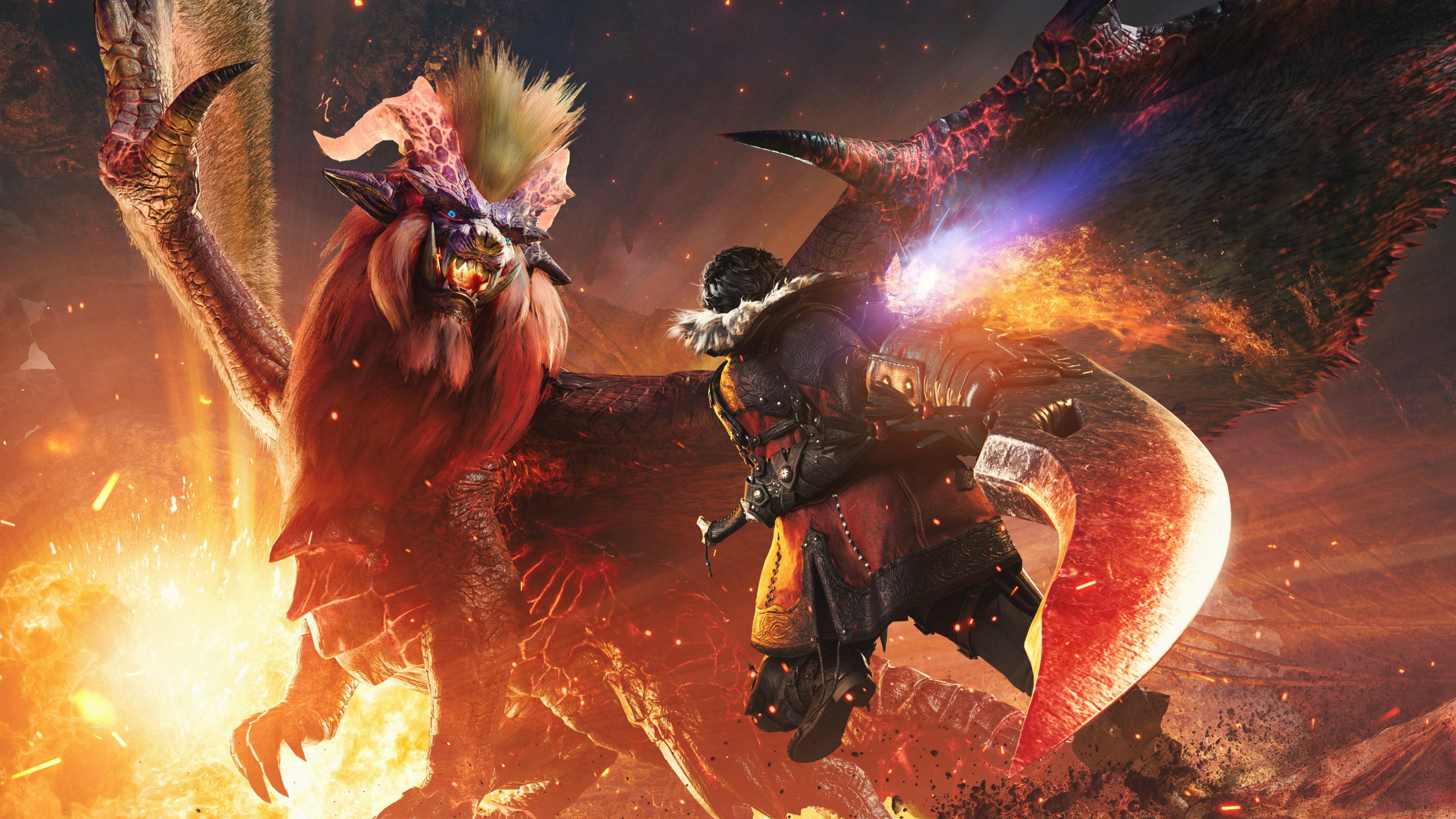
By framing the Boost Bracer as a strategic resource rather than an unceasing power fantasy, Capcom hopes to reassure purists that the tactical depth of weapon handling remains intact.
Implications: What Ascendance Means for the Future of the Franchise
The strategy being deployed for Monster Hunter Wilds: Ascendance carries massive implications for how Capcom will handle future installments in its flagship franchise.
- The Two-Tiered Design Philosophy: Capcom is effectively codifying a dual-layered approach to content. The base experience will continue to prioritize onboarding, smooth narrative progression, and broad player retention. Meanwhile, expansions like Ascendance will serve as the dedicated crucible for veterans demanding high-tier challenges.
- Evolving Beyond Numerical Buffs: Player pushback against blunt damage scaling has forced the development team to look closer at mechanical complexity, pacing, and monster AI integration for endgame content. If Ascendance successfully delivers teeth-gritting difficulty through intricate monster design rather than inflated numbers, it will set a new benchmark for expansion design.
- Player Community Trust: Transparent post-launch communication from directors like Hiraoka helps mitigate community friction. By openly acknowledging that the studio miscalculated the speed at which its player base would adapt, Capcom demonstrates a willingness to listen without being defensive.
As the gaming community looks toward the release of Monster Hunter Wilds: Ascendance in 2027—with fans already able to wishlist the expansion on Steam—all eyes will be on Capcom’s execution. If they can successfully deliver a narrative experience that welcomes newcomers while engineering an endgame loop capable of testing the mettle of the world’s most hardened hunters, Ascendance could well define the pinnacle of the modern hunting genre.

