

By Global Gaming Desk
Published: November 20 | 12:00 PM EST
Main Facts: A New Era for a Legendary Franchise
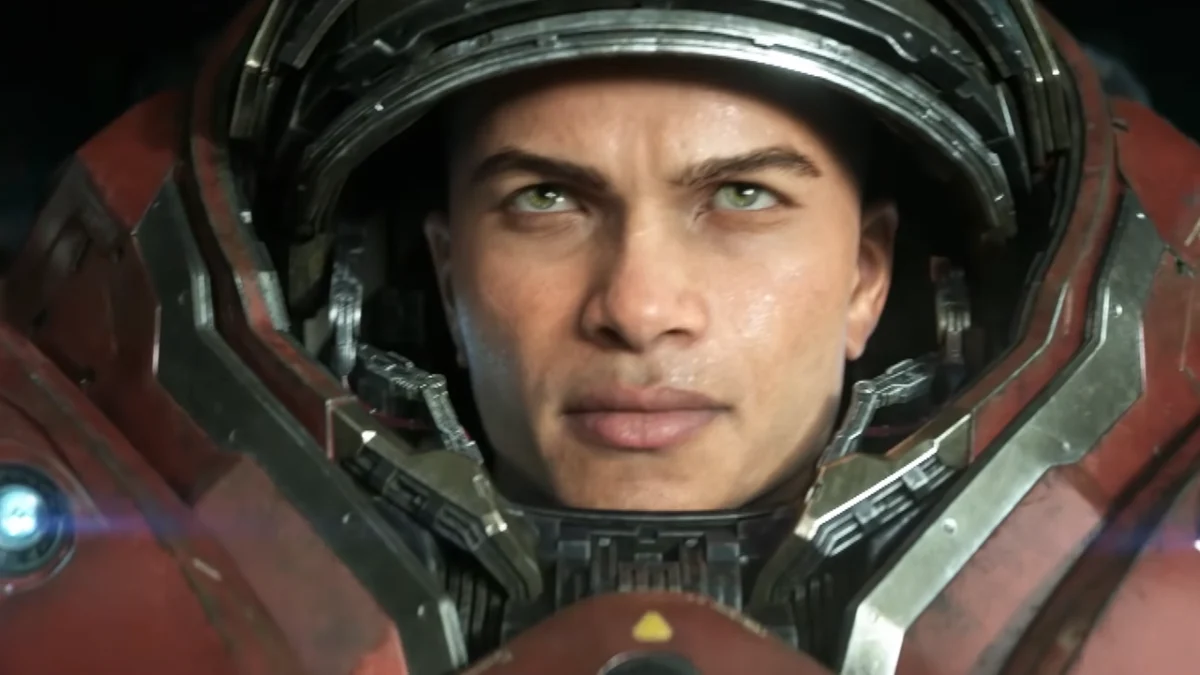
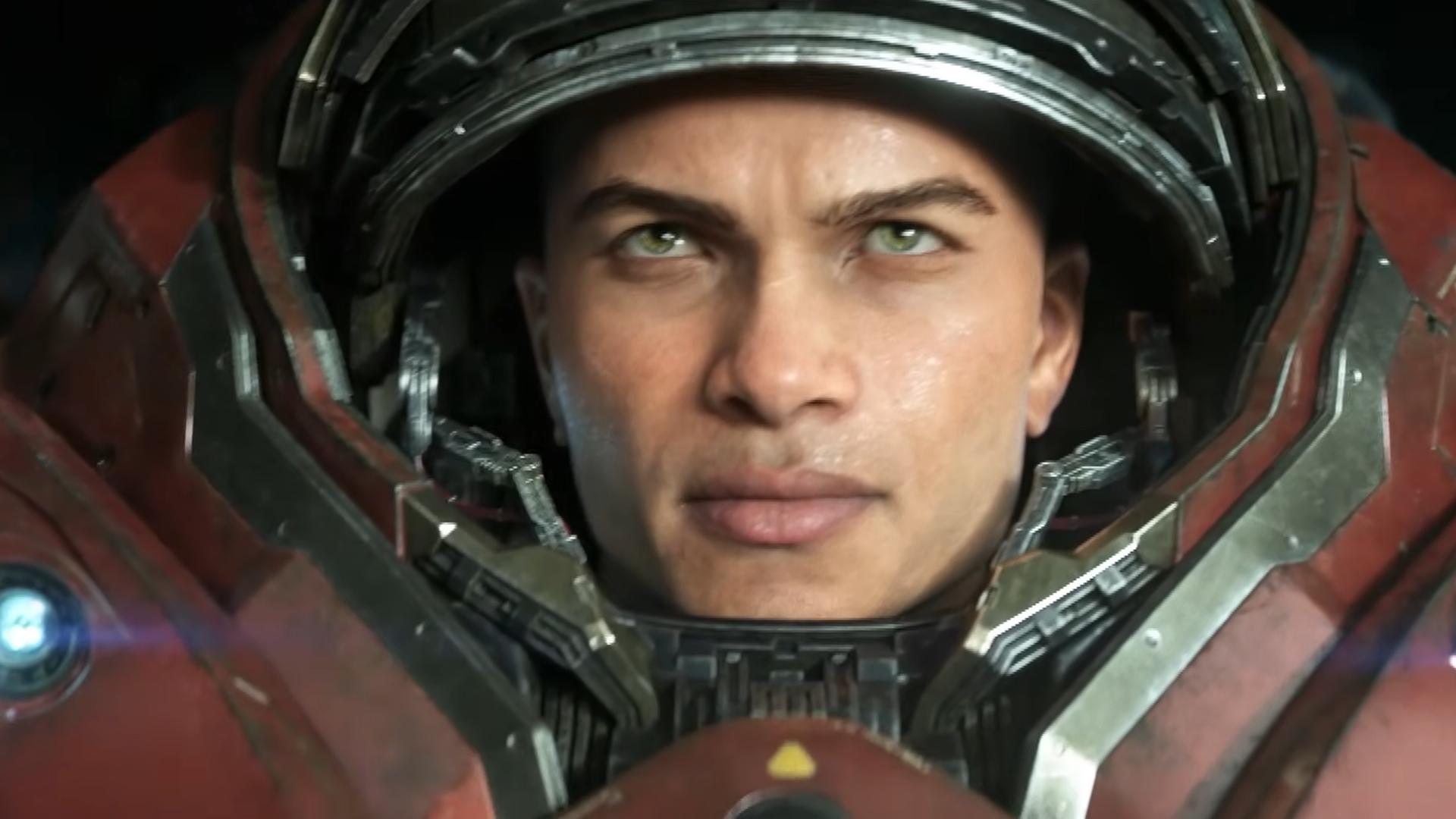
Blizzard Entertainment has officially sent shockwaves through the gaming community with the announcement of a brand-new StarCraft game. Revealed during the Opening Ceremony of BlizzCon, the upcoming title marks a monumental genre shift for the seminal science fiction franchise, moving away from its real-time strategy (RTS) roots to become a narrative-driven, open-world first-person shooter.
Slated for a tentative release window of 2030, the project is being spearheaded by General Manager and Creative Director Dan Hay, widely recognized for his extensive work on Ubisoft’s Far Cry series (specifically installments 3 through 6). Following the initial cinematic reveal—which dramatically depicted a green recruit meeting a gruesome end at the hands of the Zerg—General Manager Dan Hay sat down with Korean media outlet Inven Global to clarify the game’s core design philosophy.
Contrary to widespread speculation that the title would follow the live-service, squad-based extraction model popularized by games like Helldivers, Hay confirmed that the new StarCraft is designed as a traditional, standalone "boxed product." It features a custom-built protagonist, a beginning-to-end narrative arc, and a rich, exploratory open world. While the announcement has ignited intense debate among loyalists of the RTS genre, it simultaneously signals Blizzard’s aggressive push to modernize and reinvent one of its most enduring intellectual properties for the next decade.
Chronology: From RTS Glory to the 2030 Horizon
To understand the magnitude of this announcement, one must trace the timeline of the StarCraft franchise and its long, winding road toward a modern revival:
- 1998: Blizzard Entertainment releases the original StarCraft, alongside its expansion Brood War, establishing a cultural phenomenon that fundamentally shaped competitive gaming, particularly in South Korea.
- 2010–2015: The release of StarCraft II: Wings of Liberty, followed by expansions Heart of the Swarm and Legacy of the Void, brings the classic RTS storyline to a definitive emotional and narrative conclusion.
- 2017–2020: Blizzard gradually scales down active development on StarCraft II, focusing on content maintenance while quietly exploring new avenues for the universe. Multiple spin-off concepts—including a rumored tactical shooter codenamed "Ares"—are reportedly canceled or altered behind closed doors.
- BlizzCon (Present Day): Blizzard stuns the industry by officially announcing the new open-world StarCraft shooter, accompanied by a cinematic trailer titled "Dominion."
- Post-Announcement: Dan Hay conducts interviews with international media outlets to outline the project’s single-player focus and structural framework. Blizzard simultaneously pushes a massive wave of global recruitment, publishing dozens of open job listings dedicated to the project’s development pipeline.
- 2030 (Projected): The targeted global release window for the new open-world StarCraft shooter.
Supporting Data: Structure, Setting, and Gameplay Mechanics
During his detailed interview transcripts, Dan Hay provided crucial framework regarding how players will interact with the Koprulu Sector seventy years after the events of StarCraft II.
A Traditional, Boxed Single-Player Experience
In an era dominated by live-service frameworks, battle passes, and seasonal content drops, Hay explicitly pushed back against the modern multiplayer-first trend:
"If I were to describe the overall structure we currently envision, it’s a ‘box product,’" Hay stated. "It is a narrative-driven open world shooter where players create a character, name them, and follow that character’s story. The story has a beginning, a middle, and an end. You can roam around and explore a rich open world, but our story has a definitive ending. Think of it as purchasing a standalone boxed game, playing it, and experiencing its story. We hope players enjoy it, love it, and return to us later. At the very least, what we are building right now is not a seasonal game."
Gameplay Loop and Progression
While the cinematic trailer presented a grim, high-casualty military perspective reminiscent of squad shooters, the actual gameplay loop draws heavy inspiration from modern open-world exploration frameworks. Hay highlighted a deliberate pacing dynamic between high-stakes narrative progression and sandbox scavenging:
- Serious Missions vs. Open Exploration: Players will encounter structured narrative bottlenecks—termed "serious missions"—that carry direct narrative consequences.
- Dynamic Difficulty Mitigation: If a specific mission proves too punishing or high-level, players are encouraged to step away from the linear objective, retreat into the open world, and engage in alternative activities.
- Gear and Customization: Survival hinges on resource acquisition. Players can scavenge across hostile planetary environments to upgrade their armor, secure advanced weaponry, and prepare themselves before re-attempting difficult engagements at their own pace.
Official Responses: Navigating the Narrative Legacy
The transition from a top-down tactical RTS to a ground-level, first-person open-world perspective naturally raises questions regarding canonical integrity. Addressing the lore implications, Hay explained that setting the game 70 years after the conclusion of StarCraft II was a deliberate creative choice designed to liberate the development team from the baggage of past storylines.
"Thanks to that, we can build new stories, adventures, and characters," Hay explained. "Factions that looked a certain way in the past might have shifted their perspectives over 70 years, disagreed with each other, or fractured into splinters. These changes provide ample room to forge new narratives. It’s crucial to tell a new story while preserving StarCraft’s signature dark, gritty mood and space western atmosphere."
By putting distance between the classic trilogy’s iconic heroes—such as Jim Raynor, Sarah Kerrigan, and Arcturus Mengsk—and the new protagonist, Blizzard is attempting to lower the barrier of entry for newcomers while respecting the deep lore cherished by long-time veterans. The studio aims to maintain the signature aesthetic pillars of the franchise: industrial sci-fi grit, gritty space-western tones, bio-mechanical monstrosities, and corporate dystopias.
Implications: What This Means for Blizzard and the Industry
The announcement of a 2030 release date carries profound implications for Blizzard Entertainment, its parent company Microsoft, and the broader gaming landscape.
1. A High-Stakes Genre Pivot
For over two decades, StarCraft was synonymous with the real-time strategy genre. By pivoting into a first-person open-world shooter, Blizzard is actively running the risk of alienating purists who hoped for a traditional StarCraft III RTS. However, from a commercial standpoint, the RTS market occupies a much smaller niche compared to AAA narrative open-world shooters. Blizzard is betting that the rich lore of the Koprulu Sector holds mass-market appeal if translated into a modern, immersive perspective.
2. The Long Development Cycle
Announcing a game roughly six years in advance of its projected launch is an increasingly rare strategy in modern games publishing, where titles are frequently revealed closer to completion to avoid prolonged development hell or investor fatigue. This timeline suggests that the project may have undergone early concept restructuring or that Blizzard is committed to an exceptionally methodical production cycle. The concurrent wave of job listings published on Blizzard’s careers portal indicates that the studio is actively building out the development teams required to execute an open-world project of this scale.
3. Cultural Shift Within Blizzard
Under the creative direction of Dan Hay—whose background is deeply rooted in expansive, systemic sandbox design via Ubisoft’s Far Cry franchise—fans can expect a noticeable shift in how Blizzard handles game pacing. The marriage of Blizzard’s cinematic storytelling pedigree with open-world environmental gameplay could redefine how science fiction universes are explored at ground level.
Outlook
As the gaming industry looks toward the next decade, the revival of StarCraft as an open-world shooter stands as one of the most ambitious and polarizing gambles in Blizzard’s history. Whether the studio can successfully bridge the gap between its storied RTS past and a futuristic, player-driven sandbox adventure remains one of the industry’s most compelling storylines to watch unfold through 2030.

