

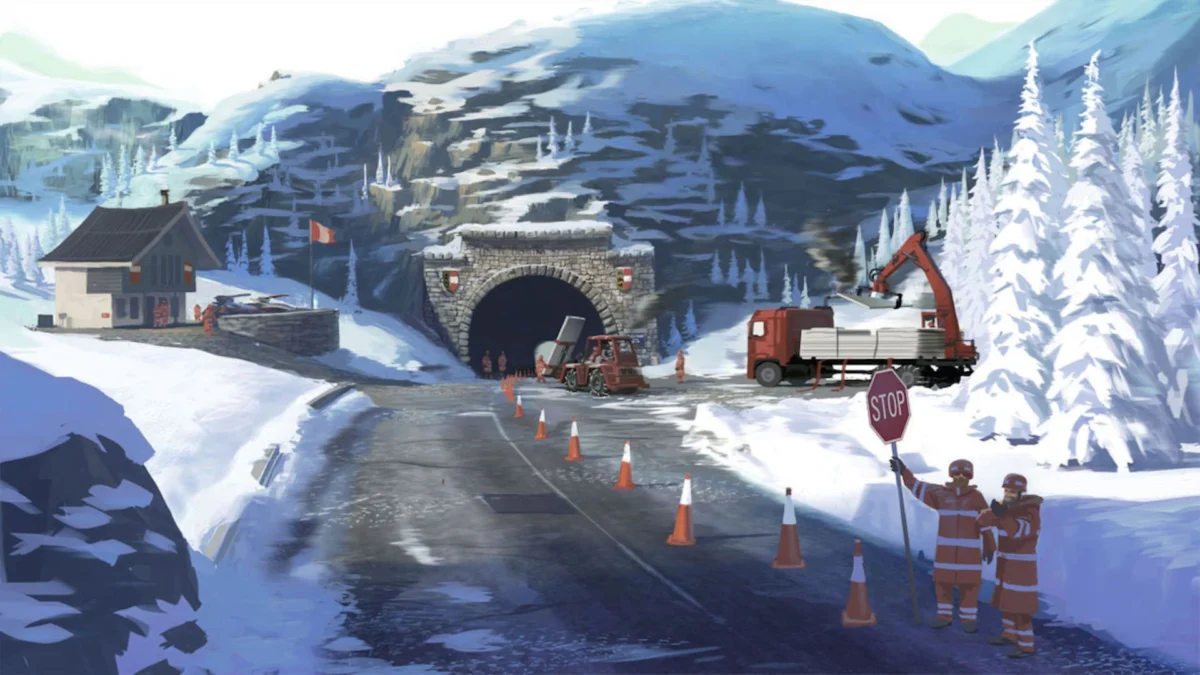
For over a decade, a singular, cryptic placeholder on Rockstar Games’ official website served as a haunting reminder of what might have been. The project was titled Agent, a high-stakes, 1970s-set Cold War espionage thriller that promised to bring the studio’s unparalleled mastery of open-world design to the cloak-and-dagger genre. Despite initial fanfare and a high-profile reveal at E3 2009, the game slowly faded into the annals of industry folklore. It was never formally canceled with a press release or a funeral; it simply ceased to exist, leaving fans to speculate on the reasons behind its quiet disappearance.
Today, with the benefit of retrospective commentary from Rockstar co-founder Dan Houser, we can finally piece together the narrative of a project that proved too complex, even for the architects of Grand Theft Auto.
The Genesis of an Ambition
In the late 2000s, Rockstar Games was riding the crest of a cultural wave. Grand Theft Auto IV had redefined the industry’s expectations for narrative depth and urban simulation, and the studio was rapidly expanding its influence. It was during this period of immense creative confidence that Rockstar announced Agent.
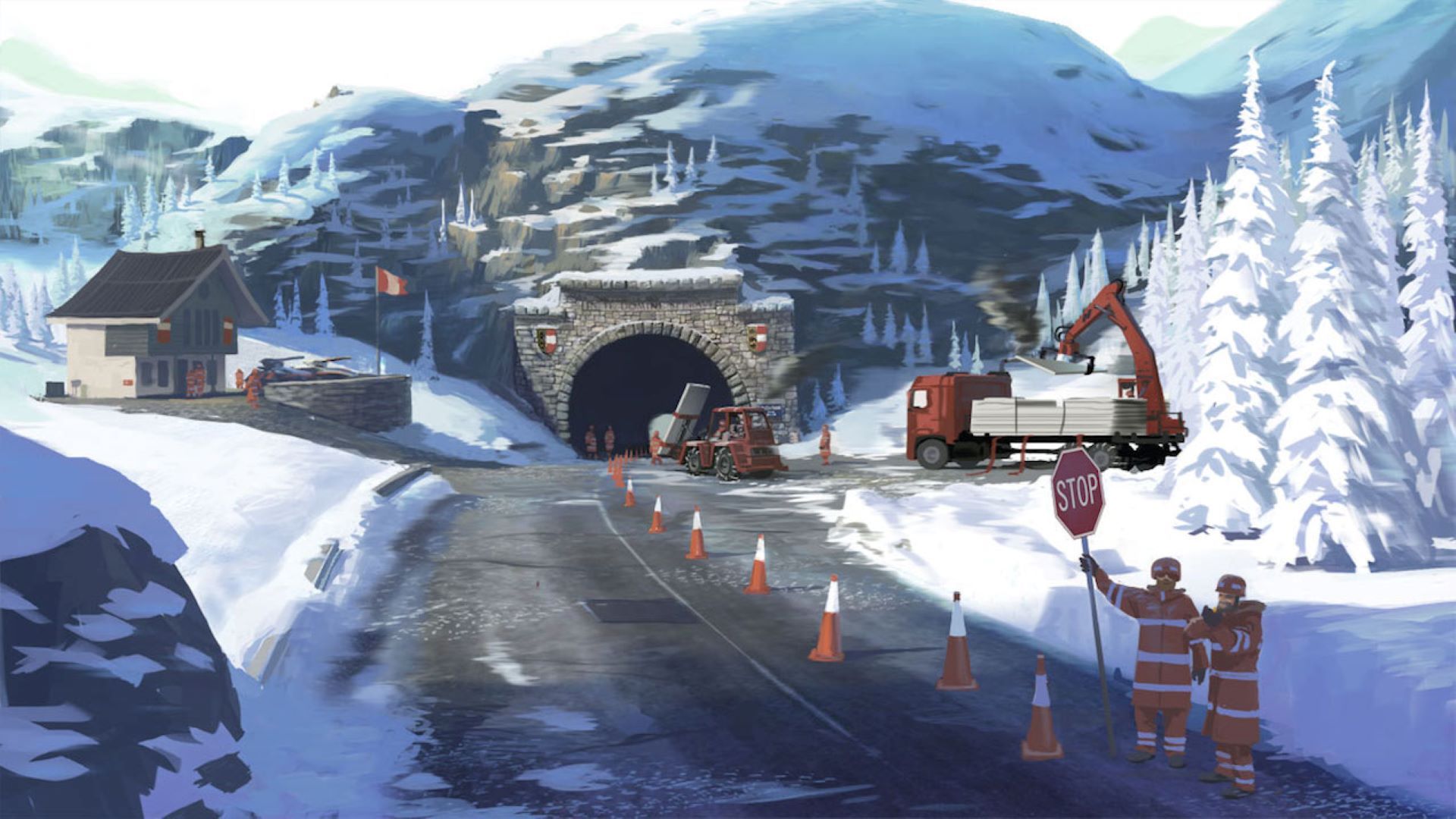
The game was pitched as a PlayStation 3 exclusive, a strategic move that aimed to leverage the hardware’s unique capabilities to render a sprawling, authentic, and gritty vision of the 1970s. The premise was intoxicating: players would step into the shoes of an operative navigating the shadowy corridors of the Cold War, balancing stealth, international intrigue, and the moral ambiguity that defined the era. The concept art—filled with trench coats, dimly lit hotel rooms, and vintage high-tech gadgets—suggested a tone closer to a John le Carré novel than a typical action romp.
A Chronology of Silence
The life cycle of Agent was defined by a slow, agonizing descent from excitement to obscurity.
- 2007: Rockstar first hints at an "all-new" project that would serve as an exclusive for Sony’s PlayStation 3.
- 2009: During Sony’s E3 press conference, Agent is officially unveiled. The industry is electric, anticipating a revolutionary take on the spy genre.
- 2010–2013: Following the initial reveal, information dries up. Rockstar occasionally mentions that the project is still in development, but internal focus shifts heavily toward the gargantuan task of creating Grand Theft Auto V.
- 2014: The studio renews the Agent trademark, providing a brief glimmer of hope for fans.
- 2016–2018: The project is slowly scrubbed from various internal lists. The Agent section of the official Rockstar website is quietly archived or removed, signaling the end of the line.
- 2021: Rockstar officially allows the Agent trademark to lapse, confirming that the project is effectively dead.
The lack of a formal "cancellation" announcement was characteristic of Rockstar’s opaque communication style. By letting the project languish in development hell until it was no longer relevant, the company avoided the public relations fallout typically associated with a failed high-budget title.
The Design Paradox: When Genre Clashes with Format
The primary reason for Agent’s failure, according to co-founder Dan Houser, was not a lack of effort or resources, but a fundamental incompatibility between the genre and the company’s core design philosophy.
Rockstar Games is synonymous with the "sandbox" experience—a style of gameplay that thrives on player agency, exploration, and the ability to wander off the beaten path. However, the espionage genre, by its very nature, relies on pacing, narrative momentum, and the specific tension of moving from one location to another.
"We tried with two or three different teams to make an open-world spy game and could not get it right," Houser revealed in a recent interview. "I think the momentum of a spy story pushes you forward in time, whereas you want games to be a bit more spread-out. And part of the fun of a spy movie is that you move from location A to very distant location B, and that’s not an experience in an open-world game that really works."
This insight highlights the "Design Paradox" that haunted the developers. In an open-world game, the world must be persistent and explorable. In a spy thriller, the player is often meant to be a transient ghost, moving through locations to extract information or neutralize targets before disappearing. When these two structures collided, the resulting gameplay loop failed to provide the satisfaction Rockstar demanded of its titles.
The Industry Context: Scaling Challenges
It is important to consider the context of the era in which Agent was being developed. During the transition from the PS3/Xbox 360 generation to the PS4/Xbox One generation, the cost and complexity of "AAA" game development began to skyrocket.
Rockstar North, the primary engine behind the company’s successes, was increasingly forced to consolidate its resources. The sheer volume of work required to create the world of Los Santos for GTA V—and later, the hyper-realistic detail of Red Dead Redemption 2—meant that there was simply no room for a "failed experiment."
For a studio known for releasing games that move the needle for the entire industry, settling for "good enough" was never an option. As Houser noted, "We concluded it was not a game we were ever going to figure out how to be able to make. Other people can try, but I personally think it’s hard."
Implications for Future Projects
The death of Agent provides a fascinating window into the "pre-mortems" that occur within elite game development studios. It demonstrates that even the most successful companies are prone to deep-seated creative failures. However, these failures often serve as the building blocks for future triumphs.

The lessons learned from the failed attempts to create a high-stakes, stealth-oriented world likely informed the development of more complex, nuanced mission structures in later titles. The way Red Dead Redemption 2 handles its slower, more methodical pacing and the detailed, reactive nature of its world can be seen as an evolution of the design problems they first encountered while trying to build a 1970s spy thriller.
Furthermore, the saga of Agent serves as a cautionary tale about the dangers of over-ambition in an era of ballooning budgets. As the industry moves toward even larger, more complex open-world experiences—such as the upcoming Grand Theft Auto VI—the ability to recognize when an idea is fundamentally flawed and having the courage to abandon it is perhaps as important as the ability to create something groundbreaking.
Conclusion: The Legacy of a Phantom
Agent remains a "what if" in the history of interactive entertainment. It represents a brief moment where Rockstar Games looked toward a different horizon, attempting to marry the cinematic intensity of the Cold War with the expansive freedom of their signature open-world engine.
While the project never reached the hands of players, its existence serves as a testament to the experimental spirit that, despite the massive commercial pressures, still permeates the world of high-end game development. Rockstar may have moved on to bigger and more technically demanding horizons, but Agent stands as a reminder that even for the titans of the industry, some stories are just too difficult to tell in the way they deserve to be told.
As we look toward the future of the medium, the legacy of Agent is not one of failure, but one of honest artistic limitation—a rare admission that even for the creators of the world’s most successful entertainment products, some visions remain just out of reach.

