

Main Facts
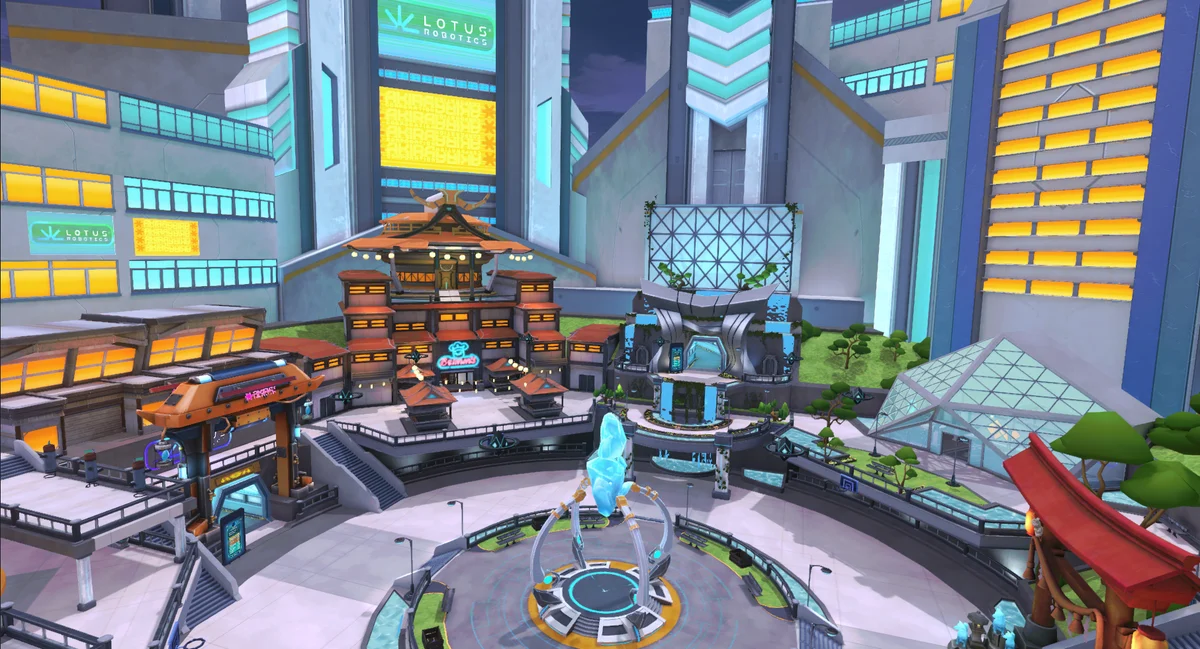
The era of virtual reality massively multiplayer online role-playing games (VRMMORPGs) is facing a poignant reality check. Developer Ramen VR has officially announced that the servers for Zenith: Nexus will permanently shut down on December 18, closing the book on one of the medium’s most ambitious and celebrated experiments.
The closure marks a definitive end for a project that once stood as the crown jewel of social VR gaming. In the wake of the shutdown announcement, new sales of the paid DLC Zenith: The Last City and the in-game currency, Zennies, have already been halted. While existing owners and new players can still download the free version of the game until November 18, the plug will be pulled entirely on December 18 at 10:00 AM PST. Unfortunately for preservationists and die-hard fans, Ramen VR has confirmed there are currently no plans to release an offline single-player patch or provide tools for community-hosted servers, meaning Zenith will vanish entirely from the digital landscape.
The decision comes roughly two years after active development on the title wound down, culminating a desperate, multi-year struggle against declining player counts, soaring server maintenance overhead, and the uniquely punishing financial realities of developing for the VR market.
Chronology: From Kickstarter Hopeful to Terminal Decline
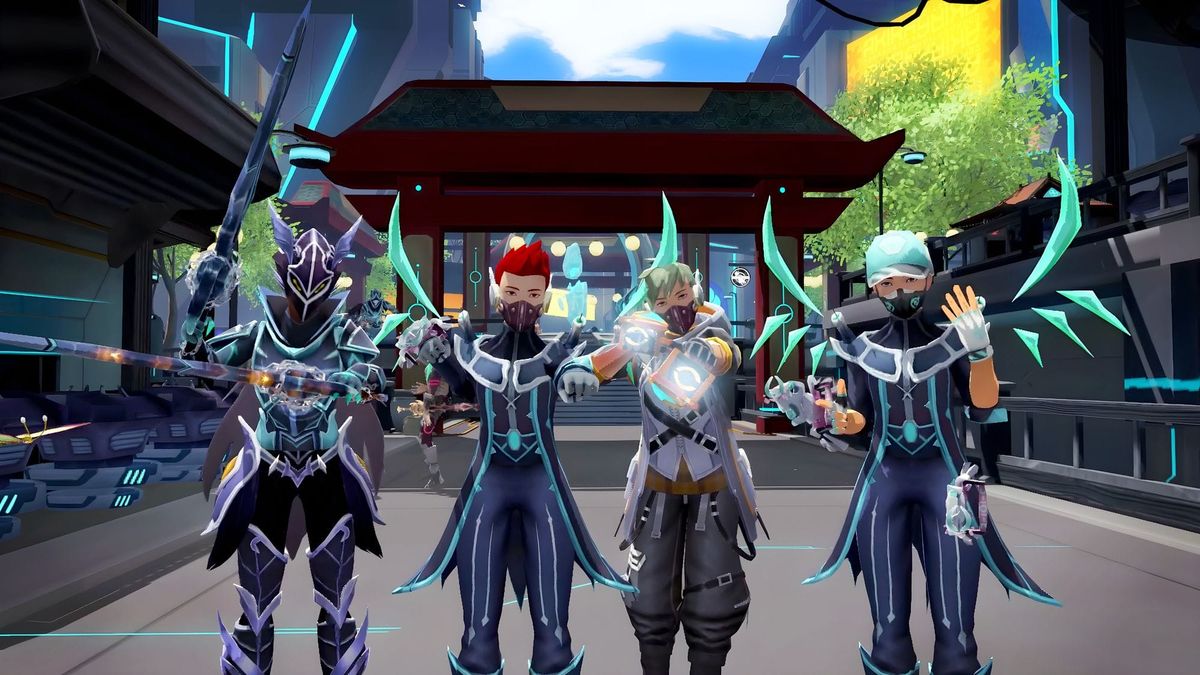
To understand the weight of Zenith’s closure, one must look back at its meteoric trajectory, which mirrored the high hopes and sudden plateaus of the broader standalone VR ecosystem.
2019–2022: The Golden Era and High-Flying Launch
Zenith first captured the imagination of the virtual reality community via a Kickstarter campaign in 2019, which shattered expectations by raising over $200,000—more than 800% of its initial goal. Buoyed by this grassroots enthusiasm, Ramen VR secured an initial $10 million in venture funding to aggressively expand its development team.
When Zenith: The Last City officially launched in Early Access in January 2022, it was heralded as a watershed moment. Reviewers and players alike praised it as a rough-hewn but undeniable milestone: the first true, expansive MMO built from the ground up for virtual reality headsets. Riding this wave of early success, Ramen VR secured an astonishing $35 million in Series B funding, intending to double the size of its studio to continuously maintain, scale, and flesh out the virtual world.

2022–2023: Post-Launch Support and Expanding Horizons
To its credit, Ramen VR attempted to address the game’s initial shortcomings through a relentless cadence of content updates.
- Summer 2022: The Celestial Throne update dropped, introducing a wealth of new quests, dungeons, armor sets, weapons, and a much-needed matchmaking system for solo adventurers.
- Late 2022: Companion pets were integrated via a dedicated tutorial patch.
- 2023: Dedicated Player-versus-Player (PvP) gameplay finally went live.
Throughout 2023, a series of named content updates—including Skyward Summit, Legends Untold, Rings of Ruin, Might and Mastery, and Ascension—kept a core faction of players engaged. However, the sheer cost of producing high-end VR content began to outpace incoming revenue.
Early 2024–2024: The Free-to-Play Pivot and Sunset
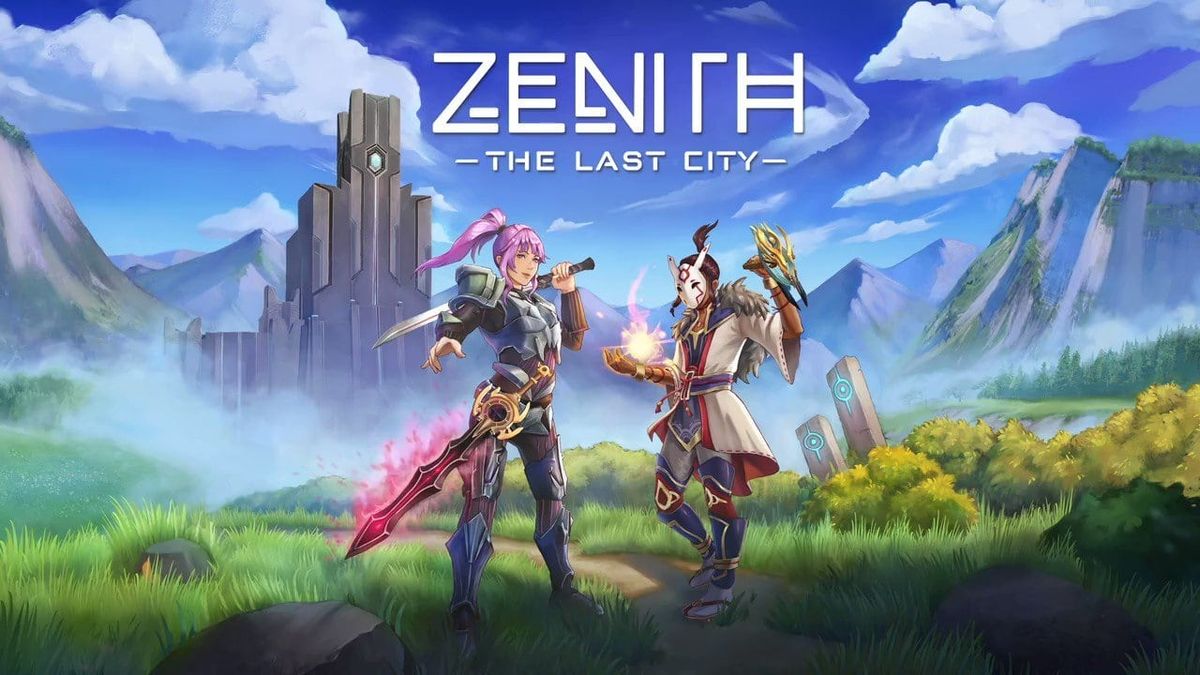
Facing a shrinking player base and operating at a continuous financial loss, Ramen VR executed a massive structural pivot in early 2024. The original MMO experience, The Last City, was re-branded as a paid DLC priced at $29.99, while the core application shifted to a free-to-play model under the new moniker Zenith: Nexus.
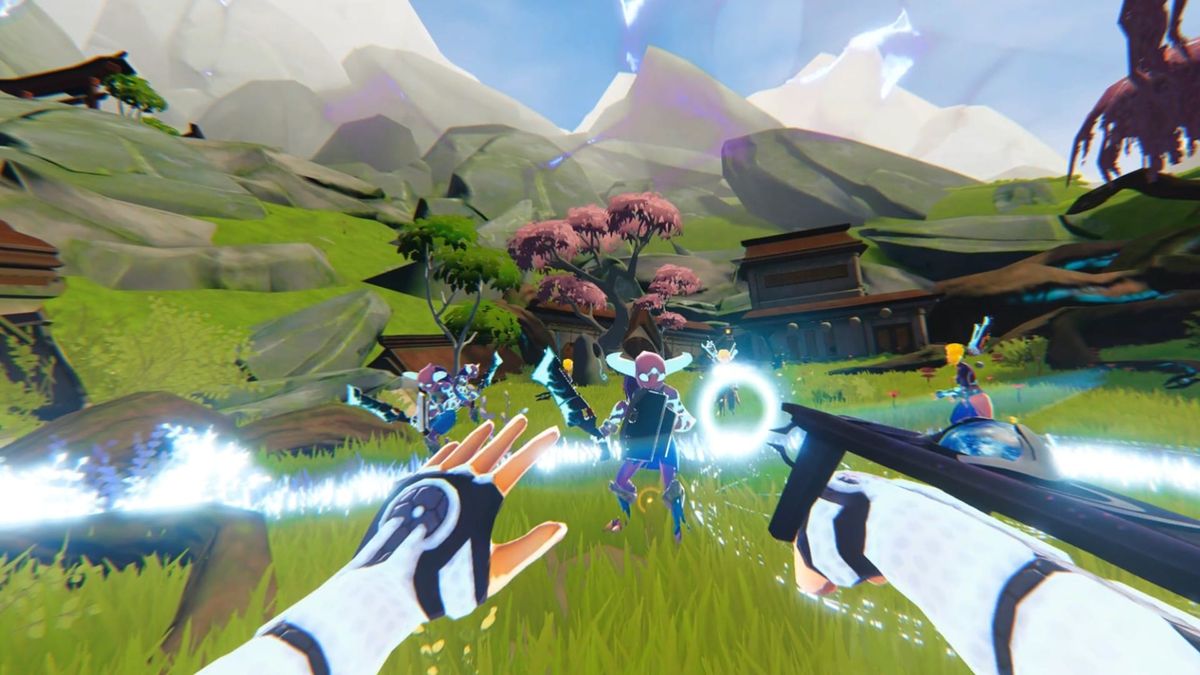
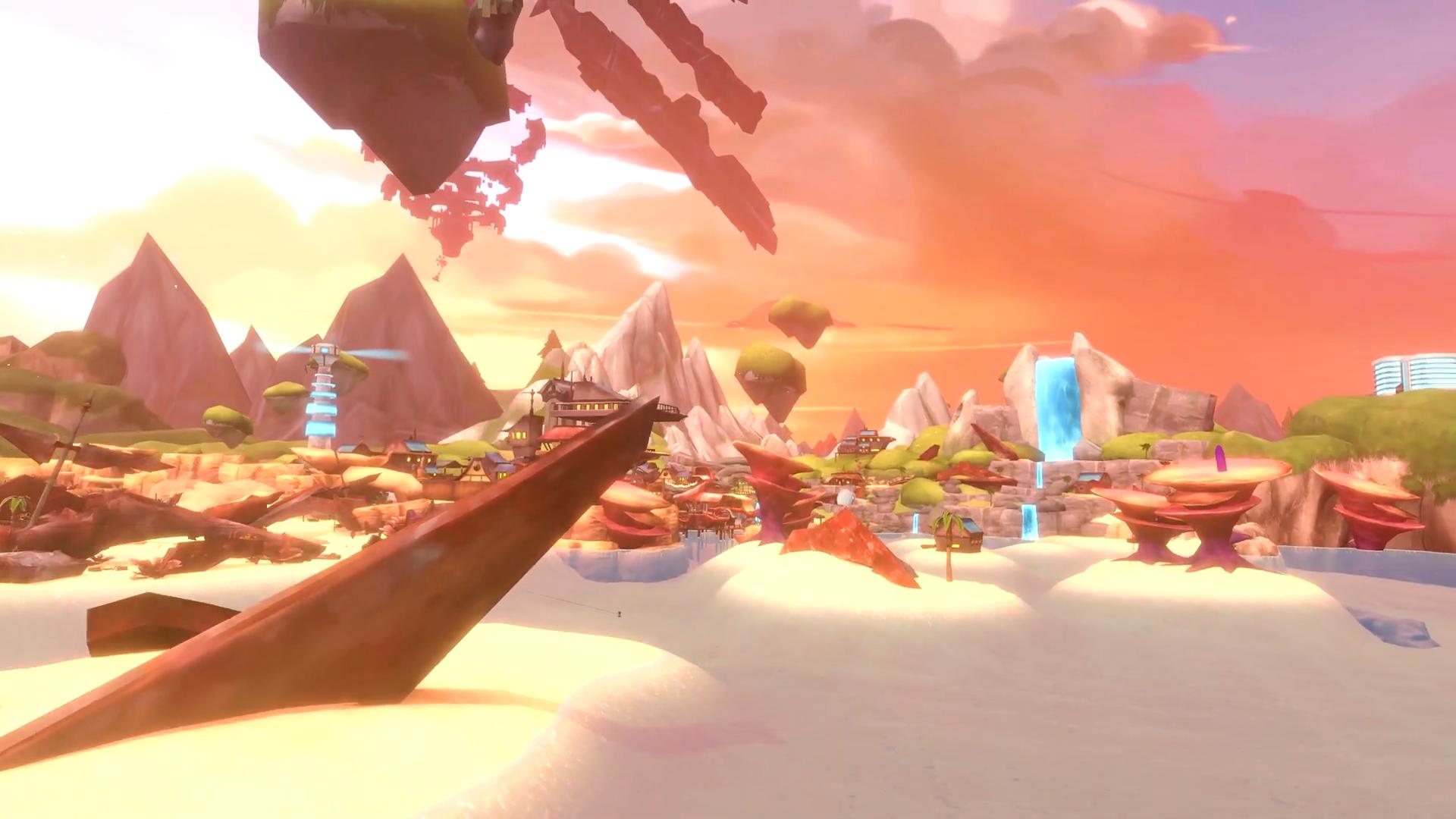
As part of this rebrand, the studio introduced Infinite Realms, a season-based, procedural co-op action-adventure mode designed to appeal to casual gamers alongside the introduction of the "Zennies" microtransaction economy. Despite four distinct seasons—ending with the Golden Isles update—the pivot failed to reverse the financial bleeding.
In the summer of 2024, Ramen VR officially announced the cessation of active development. The Last City DLC received a permanent price cut down to $9.99, and a final content update rolled out in August 2024, setting the stage for this week’s inevitable shutdown announcement.
Supporting Data: The Economic Reality of VRMMOs
The downfall of Zenith highlights the brutal mathematics governing the MMORPG genre, magnified exponentially within the niche confines of virtual reality.

Traditional MMORPGs require a staggering amount of content to sustain a community. Genre veterans are notoriously ravenous, often demanding hundreds—if not thousands—of hours of gameplay, deep crafting economies, complex raid mechanics, and continuous expansions. By comparison, Zenith’s launch campaign offered roughly 40 hours of core gameplay. While impressive for a VR indie studio, it proved entirely insufficient to retain a critical mass of players over multi-year subscription or retention cycles.
Furthermore, critical reception at launch highlighted foundational gaps:
- Content Scarcity: Players quickly burned through repetitive dungeons and quests.
- Class Limitations: A restricted pool of launch classes limited build variety.
- Missing Systems: Highly anticipated features, such as deep player-driven crafting economies, were notably absent early on.
While updates eventually patched in many of these missing ingredients, the user acquisition funnel in standalone VR (primarily dominated by Meta Quest hardware) remains narrow. Maintaining dedicated, always-online servers for an MMO requires continuous, fixed overhead costs. When player numbers inevitably dwindle following the initial hype cycle, the math simply stops working. For Ramen VR, keeping the servers afloat became economically untenable, forcing the transition to a loss-mitigation strategy that ultimately concluded with the December 18 cutoff.

Official Responses and Industry Reception
The closure of Zenith: Nexus has sent ripples of nostalgia and melancholy through the VR community, prompting widespread retrospection across digital forums and creator spaces.
Ramen VR has communicated the timeline clearly to its remaining player base:
- October 21: Sales of Zenith: The Last City DLC and Zennies officially terminated.
- November 18: The free base client of Zenith: Nexus will be removed from storefront downloads. Existing owners can continue playing until the final curtain call.
- December 18 (10:00 AM PST): Servers officially go dark.
Industry analysts and early reviewers who championed the game have noted that despite its eventual financial failure, Zenith achieved something previously thought impossible: it proved that a multi-platform, cross-play VRMMO could actually exist and function at scale. It paved the way for social interaction in virtual spaces, offering a glimpse of what the "Ready Player One" future might look like—complete with all the commercial perils that indie developers face when tackling enterprise-level online infrastructure.
Implications for the Future of VR Multiplayer Gaming
The death of Zenith carries significant ramifications for the broader landscape of virtual reality development, particularly concerning multiplayer and live-service games.
1. The Perils of Always-Online Dependencies
The absolute erasure of Zenith underscores a growing consumer anxiety regarding live-service games. Because Ramen VR has opted against building an offline or peer-to-peer alternative, years of player progress, digital identity, and community history will be wiped clean. This serves as a cautionary tale for prospective buyers of multiplayer VR software: without offline fallbacks, digital worlds are inherently ephemeral.
2. Investor Hesitancy in VR
The trajectory of Zenith—featuring over $45 million in total funding across its lifecycle—may chill venture capital enthusiasm for large-scale VR multiplayer projects. If a title backed by millions in funding, critical acclaim, and pioneer status cannot achieve sustained profitability, investors may grow increasingly wary of greenlighting high-budget virtual reality MMOs in the near future.
3. A Shift Toward Session-Based and Local Co-op
As the industry recalibrates, developers may pivot away from sprawling, capital-intensive MMORPG architectures in favor of session-based multiplayer, asynchronous social spaces, or roguelike co-op games. These genres demand significantly less server infrastructure and content volume to maintain player engagement, lowering the financial risk for independent studios.
Ultimately, Zenith: Nexus will be remembered as a noble pioneer—a game that dared to build a massive online world when the technology and market size were barely ready to support it. As its servers blink out for the last time on December 18, it leaves behind a bittersweet legacy as the ambitious blueprint upon which future, more fortunate VR worlds will inevitably be built.

