

In the modern gaming landscape, the descriptor "story-rich" has become a ubiquitous marketing tag, often slapped onto titles to suggest emotional depth and narrative complexity. However, as the genre becomes increasingly crowded with atmospheric 2D platformers, the term has begun to lose its utility, frequently masking a lack of substance behind a veil of aesthetic polish. Aspire: Ina’s Tale, developed by Wondernaut Studio, arrives in this saturated market as a visually arresting experience that ultimately struggles to justify its own existence through gameplay or narrative innovation. While it offers brief flickers of charm, it remains tethered to the very tropes it aims to transcend.
The Premise: Familiarity and Aesthetic Surface
At its core, Aspire: Ina’s Tale invites players into a surreal, dreamlike world. The protagonist, Ina, is a "waifish" figure—a design choice that has become a recurring motif in the indie scene, reminiscent of titles like Gris, Hoa, and Minute of Islands. Ina wakes within the confines of a mysterious, sentient Tower that sustains itself by harvesting the dreams of its inhabitants. Her objective is clear yet enigmatic: escape the structure and return to her role as the "Keeper of Kamiura."
The narrative positions Ina as the "Heart of the Tower," an archetypal "chosen one" figure. The lore suggests that the Tower was crafted by an architect for Ina to maintain, but the execution of this backstory feels perfunctory. The game relies heavily on the "innocent, memory-impaired protagonist" trope, a narrative crutch that has been utilized to the point of exhaustion. While developers often use this blank-slate approach to invite player empathy, here it serves only to distance the player from Ina’s plight, as the stakes feel detached and the character development remains stagnant throughout the journey.
A Chronology of the Experience: From Wonder to Weariness
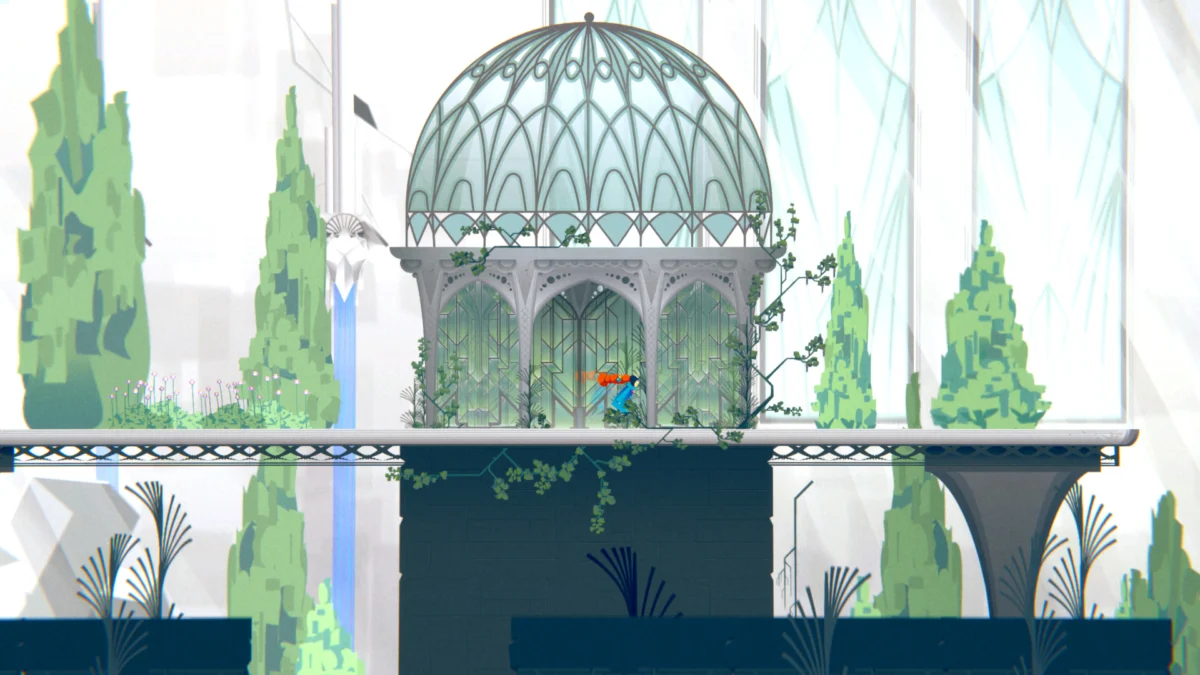
The experience of playing Aspire follows a predictable trajectory. In the opening chapters, the player is greeted by high-fidelity, hand-painted visuals. The artistic direction is undeniably the game’s strongest asset; there are moments of genuine beauty, such as when light glints off ancient armor or when Ina’s silhouette is reflected in the crystalline surfaces of the Tower.
However, as the novelty of the art style wanes, the structural flaws begin to mount. The first few hours provide a deceptive sense of balance. Puzzles appear to be designed with a logical flow, requiring the player to utilize light-emitting power sources to repel shadows and navigate the environment. As the player progresses, the game introduces area-specific mechanics—such as scaling objects or manipulating gravity—intended to inject variety into the platforming.
Yet, by the midway point, the game hits a "brick wall of frustration." The pacing, which begins with a sense of wonder, shifts into a grueling cycle of trial-and-error. The lack of combat is replaced by a reliance on precise, often punishing, platforming segments that the character’s movement physics simply cannot support. By the final act, the experience shifts from an engaging journey into a test of endurance, leaving the player with a sense of resignation rather than narrative satisfaction.

Supporting Data: The Mechanics of Frustration
The mechanical shortcomings of Aspire are exacerbated when played on hardware like the Nintendo Switch. Despite the absence of Joy-Con drift, the inputs often feel unresponsive, and the character’s movement lacks the fluidity required for a precision platformer.
Key technical pain points include:
- Stiff Physics: The rope-swinging mechanics are particularly egregious, feeling heavy and unresponsive compared to the agile movement expected in modern 2D titles.
- Trial-and-Error Loop: The reliance on "Goldilocks-style" positioning—where only a pixel-perfect placement will suffice—leads to repetitive deaths.
- Checkpoint Utility: While the developers included frequent checkpoints to mitigate the difficulty, these serve as a band-aid on a broken leg. The frequency of these respawns acknowledges that the game’s own obstacles are often unfair, yet it does little to alleviate the underlying frustration of replaying tedious segments.
Official Responses and Developer Intent
Wondernaut Studio positioned Aspire as a "cinematic platformer," hoping to evoke the same emotional resonance found in games like Inside or Limbo. The developer’s focus on the "Architect’s Tower" as a character in its own right is evident in the environmental storytelling. In various promotional materials, the studio emphasized the "mysterious and beautiful" nature of the Tower, noting their desire to create a world that felt alive and reactive to the player’s presence.
However, the disconnect between the developer’s intent—to create a deep, story-rich experience—and the final product’s reception highlights a broader industry issue. Many developers prioritize "aesthetic cohesion" over "mechanical feedback loops." While the art is crisp, the story remains too derivative to sustain interest. The philosophical questions posed by the game—such as why the Tower’s builders worship fear rather than light—are left underdeveloped, functioning as window dressing rather than meaningful thematic explorations.
The Implications: A Saturated Genre and the "Indie Trap"
The release of Aspire: Ina’s Tale serves as a case study for the current state of the indie platformer market. There is an increasing demand for "chill" or "artistic" games, and developers are responding by filling that market niche with titles that share a common visual DNA. The implication is that we are witnessing the "commodification of atmosphere."
When a game relies solely on its art style to differentiate itself, it risks being forgotten as soon as the next visually similar title appears. For a game to truly earn the "story-rich" moniker, it must offer something beyond the surface—whether that is innovative mechanical integration, a genuinely subversive narrative, or a commitment to emotional truth that doesn’t rely on tired tropes.
Aspire demonstrates that while beauty is a powerful hook, it is not a substitute for substance. The gaming community is increasingly discerning; players are no longer satisfied with merely "pretty" games. They expect a marriage of form and function. When the movement is stiff and the story feels like a collection of echoes from better titles, the player’s willingness to "push through" diminishes rapidly.
Final Assessment: Who is this for?
Aspire: Ina’s Tale is a game caught between two worlds. It wants to be an emotional, character-driven journey, yet it forces the player to engage with rigid, unforgiving platforming mechanics that are better suited for high-octane action games.
If you are an aficionado of 2D platformers who prioritizes visual fidelity above all else, there is enough here to occupy a few evenings. The art team at Wondernaut deserves recognition for their technical skill in rendering the Tower’s many faces. However, if you are looking for a story that breaks new ground or gameplay that rewards precision with joy, Aspire will likely leave you wanting. It is a game that is easy on the eyes, but difficult on the patience—a reminder that in the world of indie gaming, even the most beautiful towers can be built on shaky foundations.
In conclusion, while Aspire: Ina’s Tale is not a failure, it is a missed opportunity. It joins a long list of titles that are "nice to look at," but ultimately ephemeral, failing to leave a lasting mark on the genre or the player. As the market continues to evolve, developers will need to offer more than just a fresh coat of paint if they hope to distinguish their work from the crowd.

