

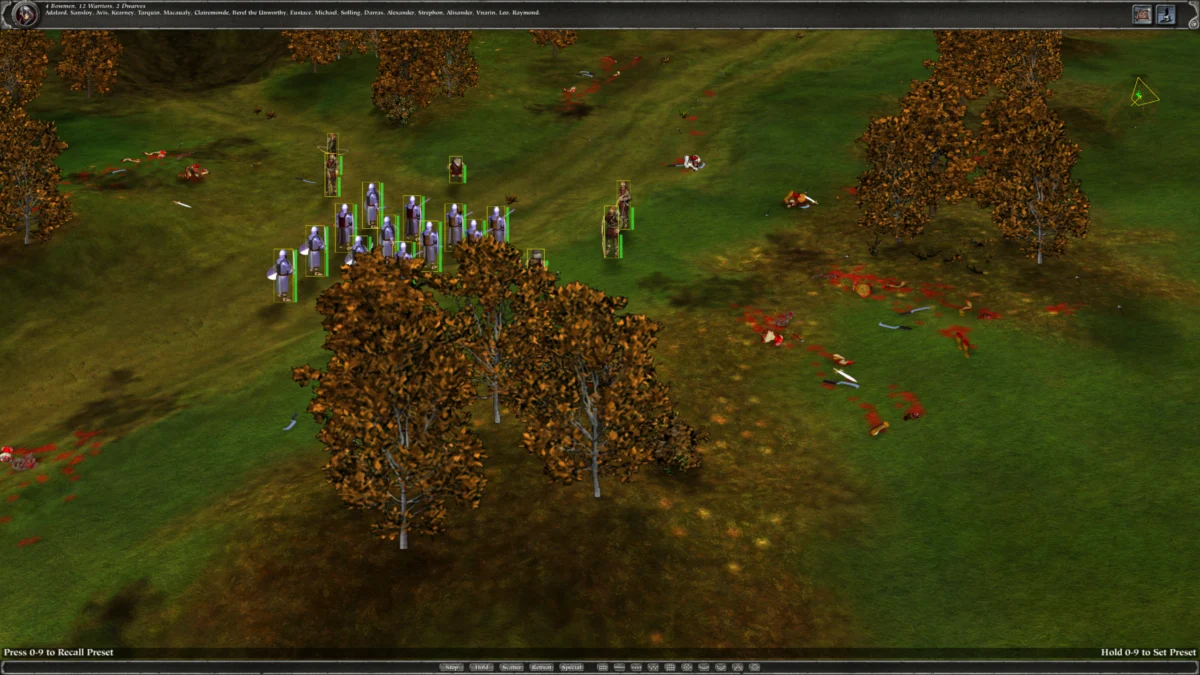
In the modern gaming landscape, Bungie is synonymous with the high-octane, sci-fi spectacle of Halo and the evolving, live-service narrative of Destiny. Yet, if you peel back the layers of the studio’s storied history, you find a jagged, beautiful, and utterly singular detour. Before the Master Chief conquered the stars, Bungie was busy redefining the real-time strategy (RTS) genre with Myth: The Fallen Lords and its sequel, Myth II: Soulblighter.
While Marathon—Bungie’s upcoming extraction shooter—is currently drawing the eyes of the industry with its slick, high-fidelity combat and intricate map design, there is a lingering, cult-classic itch that refuses to be scratched. It is the memory of grumbling, low-fantasy dwarves, the visceral crunch of tactical positioning, and the spectacular, physics-defying chaos of Molotov cocktails turning the undead into a spray of pixelated gore.
A Pivot into the Unknown: The Origins of Myth
To understand Myth, one must look back to the mid-90s. By 1996, Bungie had successfully wrapped up the Marathon Infinity trilogy. The studio was riding high on the success of their first-person shooters, and the obvious path forward was another FPS, this time utilizing a true 3D engine. However, fate—or rather, a moment of creative introspection—intervened.
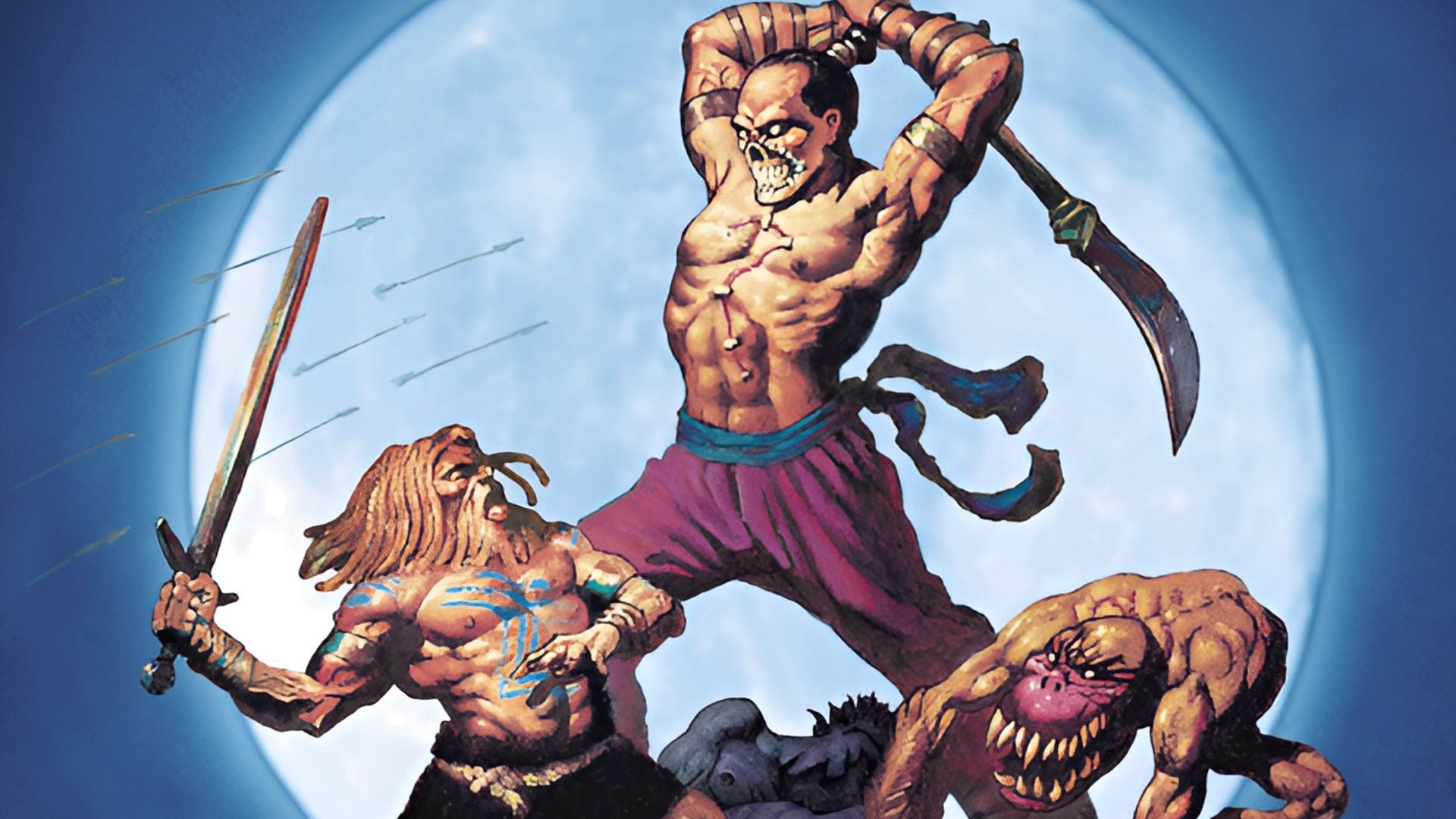
Jason Jones, the visionary behind much of Bungie’s early output, grew concerned that the project was beginning to mirror id Software’s Quake too closely. Rather than fight for market share in a crowded room, Bungie decided to pivot entirely. They set their sights on the burgeoning RTS market, which at the time was becoming saturated with Command & Conquer clones.
Bungie did not want to make just another base-building, unit-spamming simulator. They wanted to create a game of pure, brutal tactics. The resulting design philosophy for Myth was a radical departure from the genre standards of the era. By stripping away resource management and construction, Bungie forced players to focus on the terrain, unit morale, and the devastating efficacy of small, specialized squads.
The Chronology of Chaos: From ‘Fallen Lords’ to ‘Soulblighter’
The release of Myth: The Fallen Lords in 1997 was a watershed moment for strategy fans. It introduced players to a grim, low-fantasy setting where the player led a dwindling force against the overwhelming, supernatural tide of the Fallen Lords. It was a game where the map was an enemy in its own right—high ground, narrow passes, and weather conditions were not just visual flourishes; they were the difference between a heroic victory and a total wipeout.
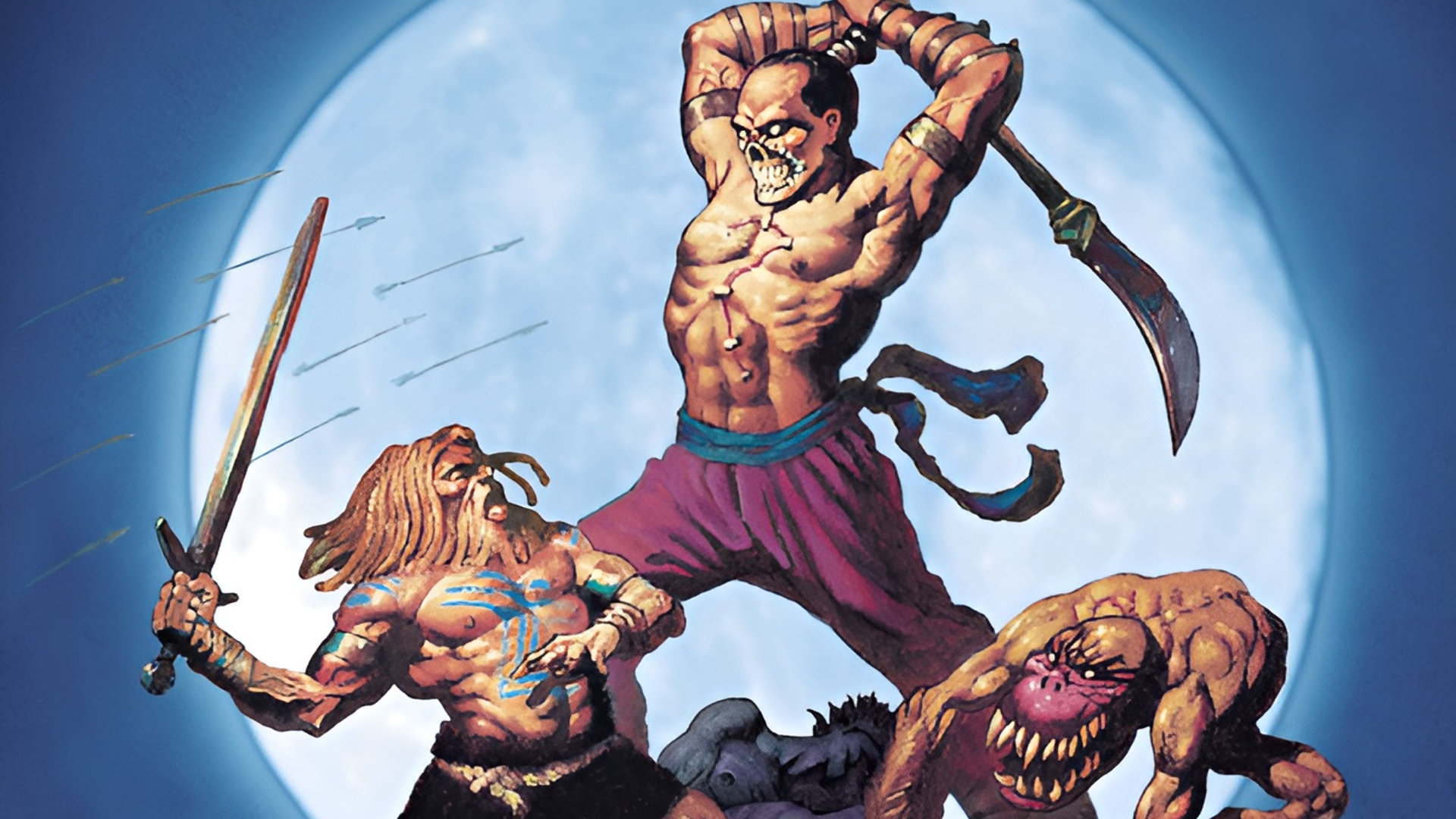
Myth II: Soulblighter, arriving in 1998, refined this formula to near-perfection. It expanded on the physics-based carnage that made the first game so addictive. The game’s engine was arguably years ahead of its time, allowing for realistic projectile arcs, collision detection, and environmental interactions that wouldn’t become industry standard for nearly a decade.
The series occupied a unique space in Bungie’s timeline, acting as a bridge between the twitch-based intensity of Marathon and the cinematic scale of Halo. Yet, as Bungie’s trajectory pulled them toward the console-defining dominance of the Halo franchise, the Myth series was left behind—a victim of corporate restructuring and changing industry appetites.
The Tactical "Special Sauce": Why the Dwarves Matter
While Myth featured an array of units—warriors, archers, journeymen, and berserkers—the dwarves have carved out a permanent place in the pantheon of gaming’s most iconic units. In most strategy games, artillery is a slow, cumbersome affair. In Myth, the dwarves are grumpy, mobile, and terrifyingly efficient.
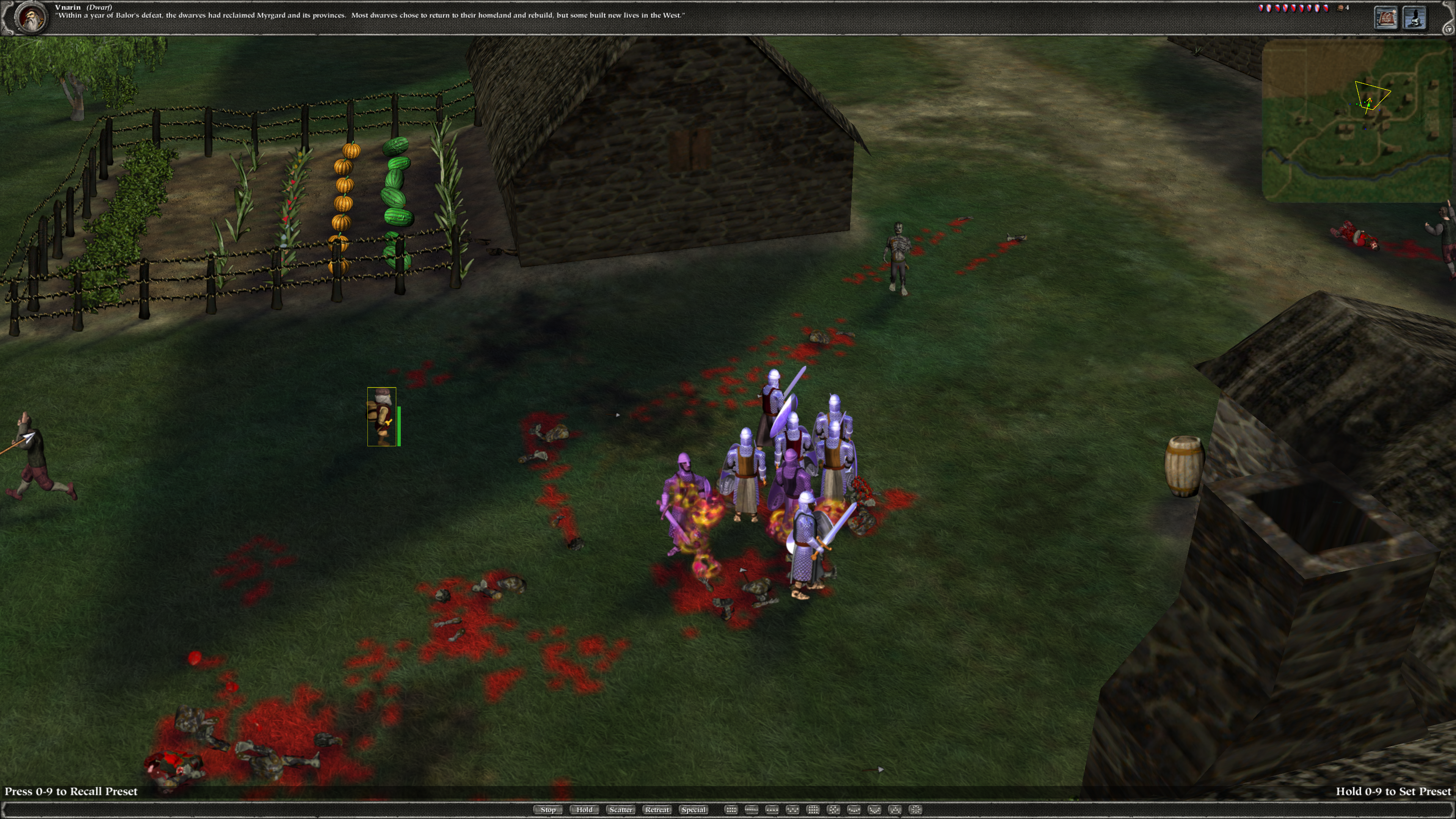
Their primary weapon—the Molotov cocktail—is a masterclass in game design. Unlike standard fire-based weapons that slowly tick away at health, these explosives are physics-based grenades. They rely on the player’s ability to judge distance and timing. A well-thrown bottle can shatter a formation of undead, sending limbs flying in a display of gibs that remains satisfying to this day.
However, they are the definition of a "glass cannon." If the player gets too greedy, a stray toss can vaporize their own infantry. Rain can douse the fuses, rendering the dwarves useless in a pinch. Their vulnerability in melee combat creates a constant tension: you must protect them at all costs, but you must also keep them close enough to be effective. It is this delicate, high-stakes balance that separates Myth from its peers.
The Legal Limbo and the Modern Struggle
Today, the Myth franchise sits in a frustrating state of legal purgatory. While the games were born from the minds of Bungie, the intellectual property rights were acquired by Take-Two Interactive. In an era where Grand Theft Auto 6 commands the vast majority of resources and attention, a niche, 25-year-old tactical strategy series is, understandably, not a high priority for the publisher.
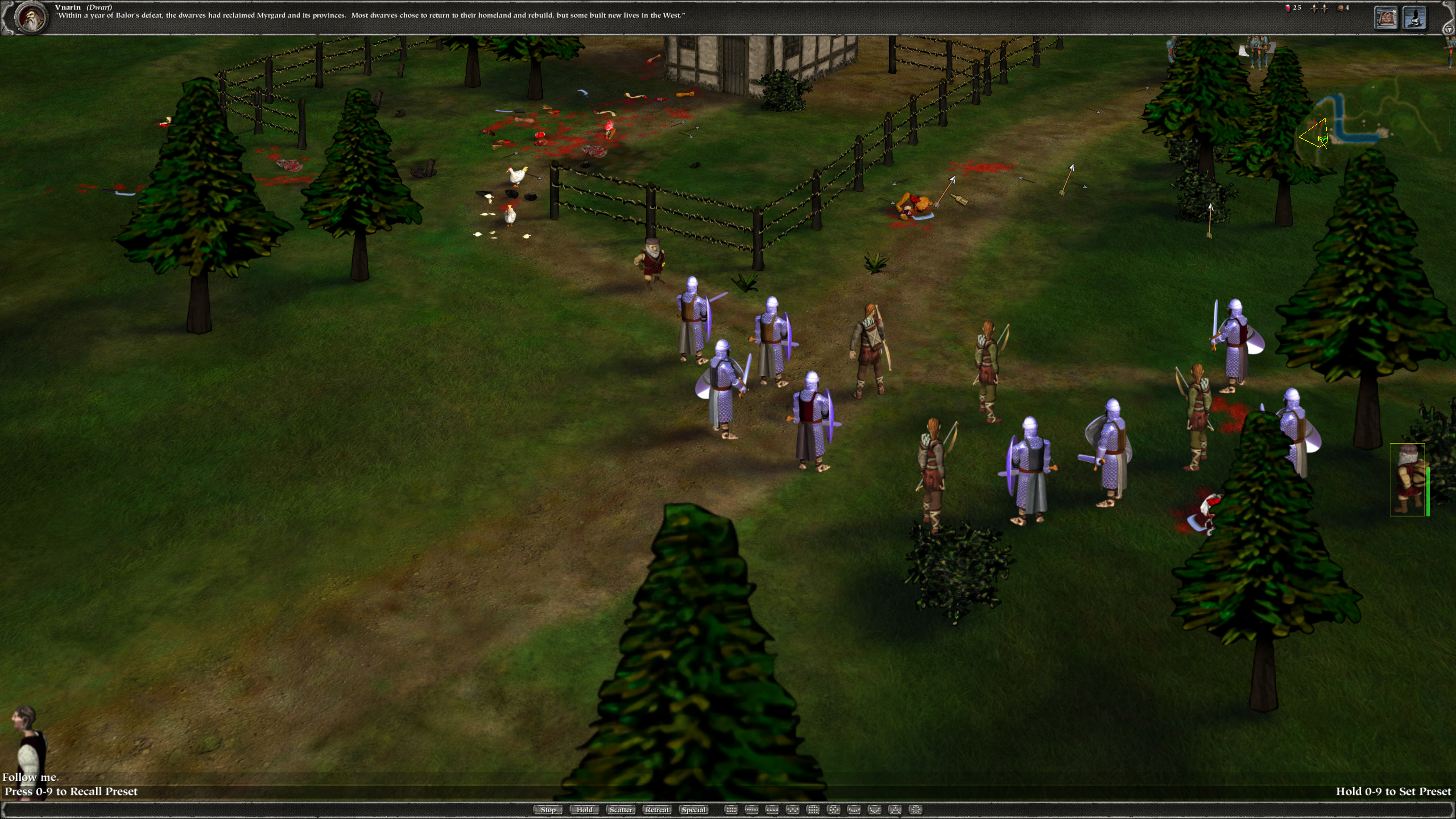
This is a tragedy for gaming history. You cannot legally purchase Myth on any major digital storefront like Steam or GOG. Attempting to run the original binaries on modern Windows 11 machines is an exercise in futility, involving compatibility patches, custom wrappers, and endless troubleshooting.
This absence creates a significant barrier to entry for new players, effectively burying a foundational chapter of Bungie’s design evolution. It also highlights a broader issue in the gaming industry: the lack of robust preservation for titles that aren’t considered "flagship" properties.
Community Heroics: The Twice Born Legacy
Fortunately, the Myth community is as resilient as the units they command. Rather than letting the games fade into obsolescence, a dedicated collective of fans, most notably those behind "Project Magma," have taken it upon themselves to keep the series alive.
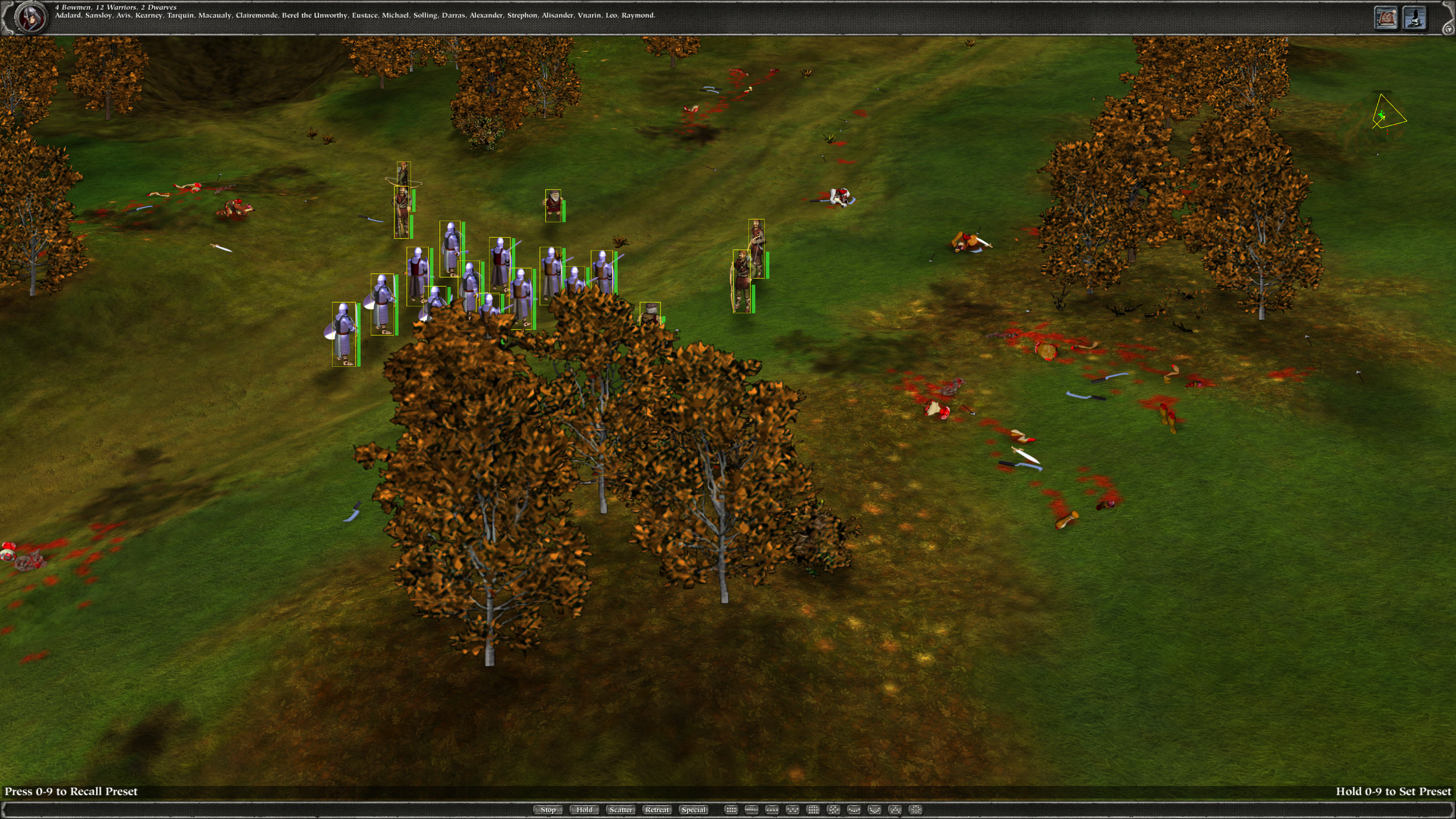
The Twice Born Edition is the definitive way to experience Myth II today. This fan-made remaster updates the engine to support modern resolutions, high-refresh-rate monitors, and stable multiplayer connectivity. Furthermore, the community has ported the original The Fallen Lords campaign into the Myth II engine, allowing players to experience the entire saga in a single, modernized environment.
These projects are more than just ports; they are acts of preservation. They ensure that the legacy of Bungie’s tactical experiment isn’t lost to the passage of time or the whims of corporate acquisition.
The Implications: Is There a Future for Myth?
Looking ahead, one has to wonder: could Myth ever return? The market for deep, tactical, squad-based strategy games has seen a resurgence in recent years, thanks to titles like XCOM and Battle Brothers. There is clearly an audience for the kind of high-consequence, physics-driven gameplay that Myth perfected.
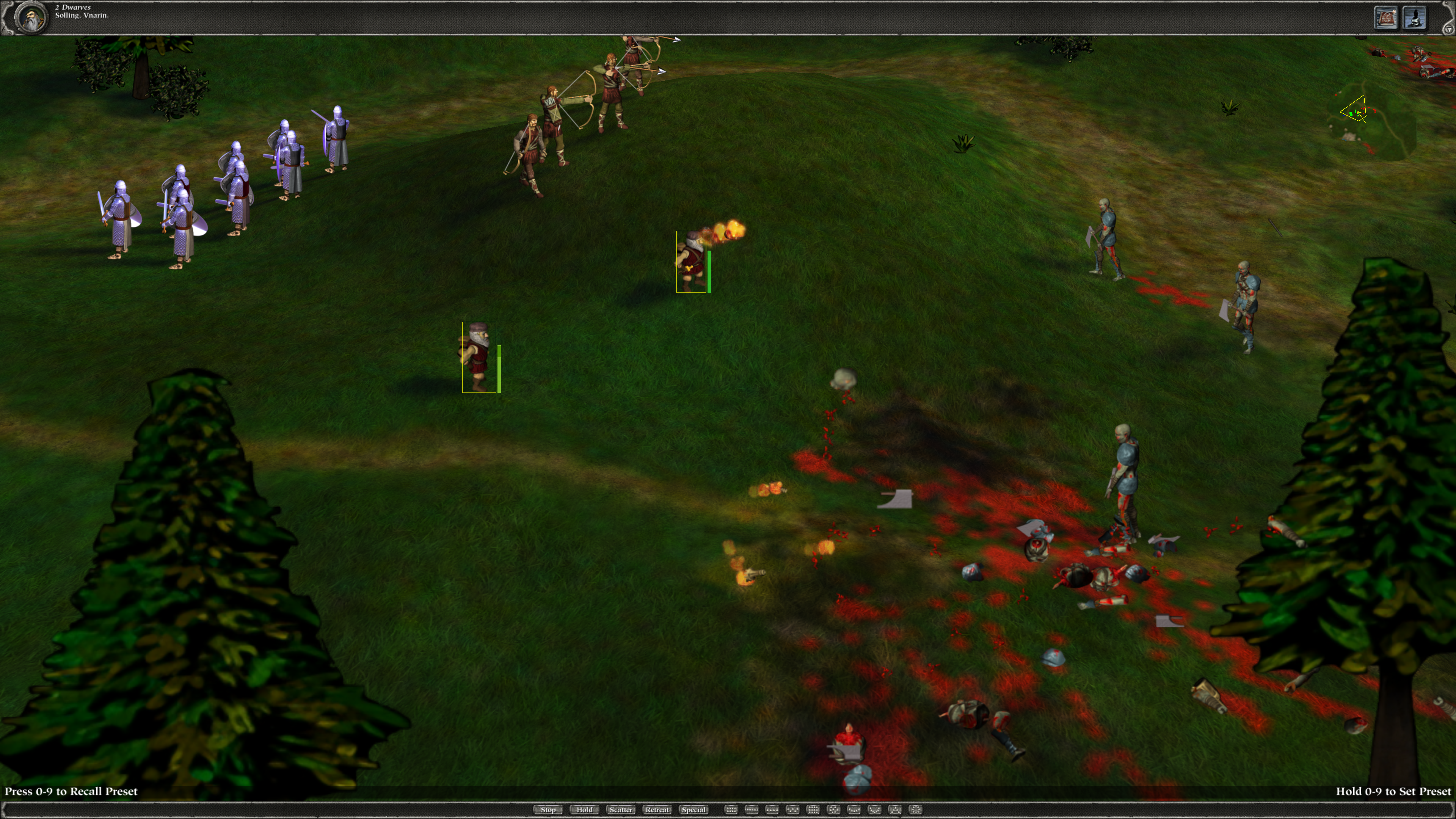
While a reboot developed by Bungie is highly unlikely given their current focus, there is a compelling argument for a studio like Firaxis—masters of the turn-based and strategy genres—to take up the mantle. A modern Myth could utilize contemporary physics engines to turn the already-impressive gore and environmental destruction into something truly next-generation.
The Myth series stands as a testament to the idea that a "weird" pivot can yield some of the most memorable gameplay experiences in a studio’s career. It challenged the conventions of its time, defied the expectations of what a strategy game should look like, and created a cult following that refuses to let its flame die out. Until Take-Two decides to revisit this forgotten treasure, the community-led remasters will continue to serve as the standard-bearers, keeping the spirit of those grumpy, Molotov-tossing dwarves alive for a new generation of commanders.

