

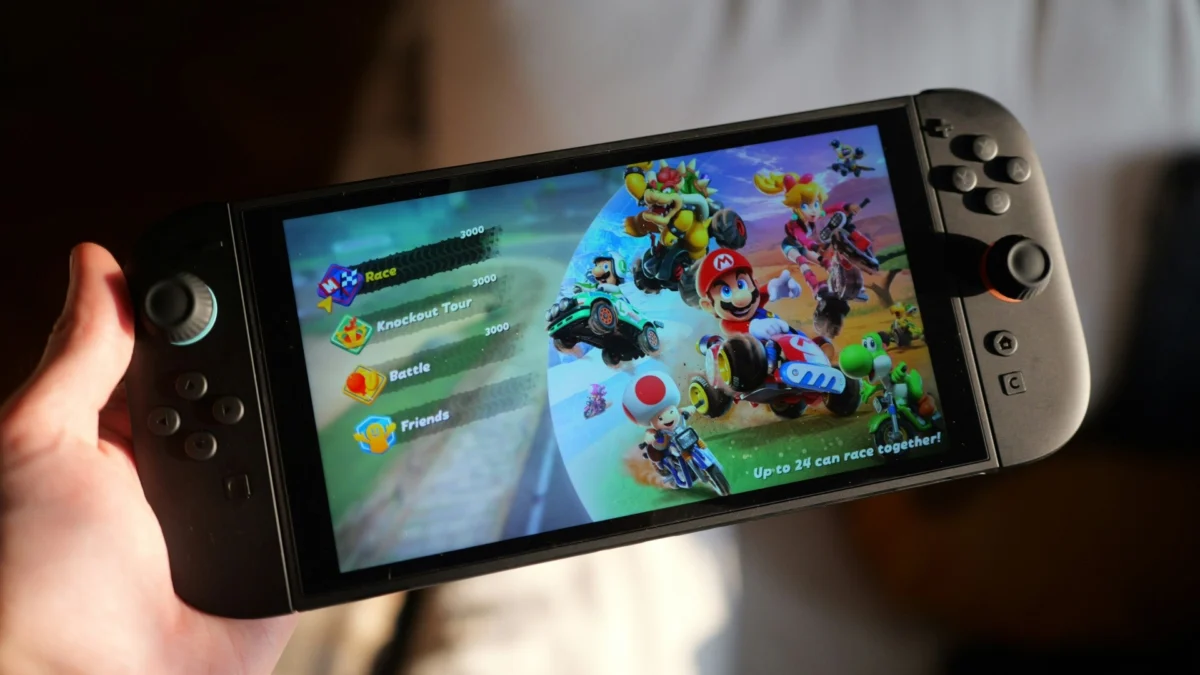
In an aggressive maneuver to protect its consumer base and maintain market stability, Nintendo has unveiled a stringent set of purchase requirements for the upcoming multi-language version of the Nintendo Switch 2 in Japan. As the gaming giant navigates a complex global landscape marked by currency volatility and rising manufacturing costs, these new restrictions represent a calculated effort to ensure that the latest hardware reaches genuine fans rather than opportunistic resellers.
By enforcing a "one console per account" limit and requiring a minimum of 50 hours of verified playtime on the original Nintendo Switch, the company is effectively erecting a barrier against automated scalping bots and bulk purchasers. This move comes at a sensitive time for Nintendo, which has recently had to justify hardware price hikes across North America and Europe.
The Core Mandate: Protecting the Ecosystem
The announcement, delivered via Nintendo’s official channels, underscores a shift in how the company manages high-demand hardware launches. Under the new policy, prospective buyers in Japan looking to purchase the multi-language version of the Switch 2 must meet two primary criteria:
- Account Lockdown: Each Nintendo Account is strictly limited to a single hardware unit.
- The "50-Hour" Proof of Loyalty: Purchasers must demonstrate a minimum of 50 hours of total playtime on their existing Nintendo Switch consoles, recorded by the end of May 2026.
This strategy is not entirely unprecedented. It draws significant inspiration from the company’s tactics during the early stages of the original Switch’s lifecycle and various regional pre-order restrictions implemented in the US, Canada, and the UK. By tethering the right to purchase a new console to historical engagement with the platform, Nintendo is positioning the Switch 2 as a reward for its most dedicated community members.
Chronology of a Market Shift
To understand why these restrictions are being implemented now, one must look at the timeline of Nintendo’s recent hardware strategy.
- Mid-2023: Nintendo begins experimenting with "loyalty-gated" sales, requiring two years of Nintendo Switch Online (NSO) membership and substantial playtime for specific limited-edition hardware.
- Early 2024: Global economic pressures, specifically the devaluation of the Japanese Yen against the US Dollar and Euro, create a disparity that scalpers exploit. By purchasing hardware in Japan at the local price and reselling it in stronger currency markets, third-party sellers begin disrupting regional supply chains.
- Last Month: Nintendo formally announces a global hike in hardware pricing. President Shuntaro Furukawa cites "sustained component and market costs" as the primary drivers.
- Present Day: Nintendo officially halts sales of the multi-language version of the Switch 2 in Japan to implement the new verification systems, signaling that the platform holder is unwilling to repeat the supply chain headaches that plagued the original Switch and Wii U eras.
Supporting Data: Why Costs Are Rising
The economic rationale behind these changes is rooted in the "triple threat" of modern consumer electronics manufacturing: logistics, raw materials, and foreign exchange (FX) volatility.
The Component Crisis
The semiconductor shortage may have eased compared to the peak of the pandemic, but the cost of advanced memory and specialized chipsets has not followed suit. Nintendo has noted that the surge in prices for high-capacity flash memory—a necessity for modern, high-fidelity gaming—has put immense pressure on their hardware margins.
The Exchange Rate Dilemma
For a company like Nintendo, which operates globally but manages its primary treasury in Yen, the current weakness of the Japanese currency is a significant obstacle. When the Yen is weak, the cost of importing materials increases, while the revenue generated from overseas markets requires complex hedging strategies to remain profitable.
The Energy and Logistics Factor
Furukawa’s recent statements also highlighted the price of oil and logistics as long-term concerns. The cost of shipping, warehousing, and global distribution has stabilized at a level significantly higher than pre-2020 averages. According to internal reports, maintaining the original pricing structure for the Switch 2 would have resulted in an unsustainable erosion of hardware profitability, potentially forcing the company to compromise on build quality—a move Nintendo has historically avoided.
Official Responses and Strategic Intent
During a recent investor briefing, Shuntaro Furukawa was transparent about the necessity of these measures. "The recent surge in memory and other component prices, combined with trends in the foreign exchange market and the price of oil, are all factors that we anticipate will continue over the medium to long term," Furukawa explained.
He further emphasized that the decision to raise prices and implement purchase restrictions was not taken lightly. "We felt that the profitability of our hardware would suffer significantly if we maintained our existing pricing, potentially impacting our business operations over this time frame."
This rhetoric suggests that Nintendo is adopting a defensive posture. By prioritizing "dedicated players," the company is essentially trying to maintain a high level of customer satisfaction (or "customer lifetime value") rather than focusing solely on unit-sell-through numbers that would otherwise be inflated by scalpers.
Implications for the Global Gaming Industry
The implications of this policy extend far beyond the Japanese domestic market.
A New Standard for Hardware Launches?
If this "50-hour" requirement proves effective in curbing scalping and ensuring that the Switch 2 remains in the hands of the active fanbase, it is highly likely that similar policies will be adopted by other console manufacturers. Sony and Microsoft, both of whom have faced their own struggles with limited-stock launches and bot-driven resellers, will be watching the Nintendo experiment closely.
The Death of the "Day One" Scalper?
For the gray market, this is a significant blow. Scalpers rely on speed and volume; they cannot realistically accumulate 50 hours of gameplay on thousands of individual Nintendo accounts to bypass the security measures. This effectively makes the "professional" scalping model for the Switch 2 in Japan obsolete.
Impact on the Casual Consumer
While the policy is a win for the dedicated enthusiast, it presents a barrier to entry for the casual consumer or the parent looking to buy their child a console for the first time. Nintendo will need to implement a "clearance" path or a separate allocation for new users, or risk alienating the segment of the market that has yet to join the Nintendo ecosystem.
Looking Ahead: The Future of Nintendo Hardware
As we look toward the formal release of the Switch 2, Nintendo’s actions suggest a company that is acutely aware of its own brand value. They are no longer just selling a piece of hardware; they are selling access to an ecosystem that they intend to protect from market manipulation.
The "50-hour" requirement serves as a litmus test. If Nintendo can successfully navigate this launch without a repeat of the widespread shortages seen in previous generations, they may have pioneered a new blueprint for the gaming industry—one where the consumer’s loyalty is not just a marketing slogan, but a verified requirement for participation in the next generation of home console gaming.
The coming months will be critical. As the May 2026 deadline for playtime accumulation approaches, the gaming community will be waiting to see if this "loyalty-gated" approach manages to stabilize the market, or if it creates a new set of challenges that Nintendo will have to address in their ongoing effort to maintain their position as a titan of the entertainment industry. For now, the message is clear: if you want to be among the first to own the future of Nintendo, you had better start playing.

