

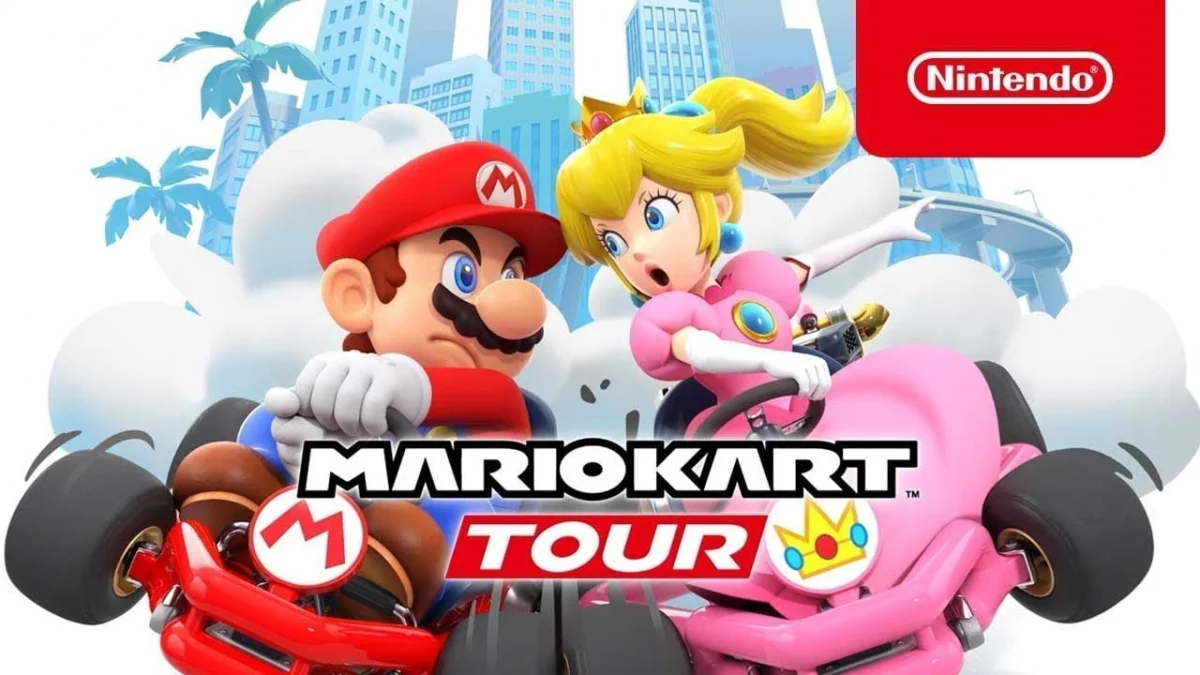
The checkered flag is finally waving for Nintendo’s ambitious foray into mobile racing. After a five-year run that saw the title evolve from a controversial experiment into a staple of the mobile gaming ecosystem, Mario Kart Tour is officially heading toward its End of Service (EOS). Nintendo has confirmed that the title, which first accelerated onto Android and iOS devices in September 2019, will cease operations permanently on September 29th at 11:00 PM Pacific Time.
While the game managed to survive longer than many of its contemporaries in Nintendo’s mobile portfolio—such as Dr. Mario World and Dragalia Lost—the decision marks a definitive shift in the company’s mobile strategy. As the servers prepare to go dark, players are left to reckon with the total loss of a title that, for better or worse, redefined how the world’s most famous plumber approached handheld gaming.
The Chronology of a Mobile Titan
To understand the trajectory of Mario Kart Tour, one must look back at the landscape of 2019. Nintendo was aggressively pushing into the smartphone market, following the success of Fire Emblem Heroes and Super Mario Run. Mario Kart Tour was designed to be the crown jewel of this initiative, promising the chaotic, high-speed fun of the console series in a bite-sized, portrait-oriented package.
Launch and Early Turbulence (2019–2020)
At its inception, Mario Kart Tour was an instant commercial juggernaut, shattering download records across both the Apple App Store and Google Play. However, the goodwill generated by its brand recognition was quickly tempered by its monetization strategy. The game launched with a heavily criticized "gacha" system—a randomized "Pipe" mechanic that required players to spend premium currency (Rubies) for a chance to unlock drivers, karts, and gliders. This RNG-heavy model drew significant scrutiny from the gaming community and regulators alike, setting the stage for years of friction between Nintendo and its player base.
The Pivot and Maturation (2021–2022)
Recognizing that the initial model was unsustainable and increasingly unpopular, Nintendo began a multi-year effort to refine the experience. The introduction of the "Gold Pass" subscription service provided a predictable revenue stream, but the real turning point occurred in 2022. In a move that surprised industry analysts, Nintendo completely overhauled the game’s economy, stripping out the gacha-based "Pipe" system in favor of a transparent "Spotlight Shop." This shift allowed players to purchase specific items directly, signaling a transition toward a more player-friendly, if less immediately lucrative, business model.
The Final Stretch (2023–2024)
By 2023, the content updates began to slow. The game, which had been a consistent source of new tracks—many of which were inspired by real-world cities—reached a state of rotation. It became clear that the development team was winding down its live-service commitments to focus on other internal priorities.
Shutdown Procedures: What Players Need to Know
With the shutdown date of September 29th looming, Nintendo has initiated a structured wind-down process to ensure the transition is as orderly as possible.
Immediate Service Adjustments
- Currency Suspension: As of the latest update, the sale of Rubies has been officially suspended. Players can no longer purchase premium currency through the in-game store.
- Gold Pass Management: Automatic renewals for the Gold Pass subscription have been deactivated. Nintendo has confirmed that all active subscribers will retain their premium benefits for the remainder of the game’s operational life at no additional cost.
- In-Game Support: For those still actively competing, the application’s help menu offers detailed FAQs regarding the handling of existing digital assets. Nintendo has explicitly stated that once the servers go offline, all data, including progress, unlocked items, and currency, will become inaccessible.
The "Offline" Controversy and Digital Preservation
Perhaps the most contentious aspect of the Mario Kart Tour shutdown is the lack of an offline mode. Unlike some mobile titles that allow users to retain a stripped-down, local version of the game after the servers are shuttered, Nintendo has been firm in its decision to terminate the software entirely.
This has sparked a heated debate regarding digital preservation. Mario Kart Tour featured a vast library of tracks—including city-themed courses like "New York Minute," "Paris Promenade," and "Tokyo Blur"—that were designed specifically for this title. While some of these tracks were ported to the Mario Kart 8 Deluxe Booster Course Pass on the Nintendo Switch, many remain exclusive to the mobile version. Once the servers close, these digital environments will effectively vanish from existence.
For the preservationist community, the loss of these assets represents a "black hole" in gaming history. Nintendo’s decision underscores the inherent fragility of live-service gaming, where content is tethered to a remote server rather than residing on the user’s hardware.
Strategic Implications: Why Now?
Why would Nintendo choose to kill one of its most recognizable mobile properties? The answer lies in the evolving priorities of the Kyoto-based giant.
The Shift Toward Mainline Hardware
Nintendo’s primary identity has always been rooted in console hardware. While the mobile market offered a lucrative opportunity to expand the reach of its IP during the Wii U-to-Switch transition period, the immense success of the Nintendo Switch has refocused the company’s attention. By winding down live-service mobile support, Nintendo is reclaiming development resources and human capital, shifting focus toward its next generation of console hardware.
A Changing Mobile Landscape
The mobile gaming market of 2024 is significantly more competitive and saturated than it was in 2019. Rising user acquisition costs, the saturation of the "gacha" market, and changing consumer habits regarding subscriptions have made sustaining a long-term mobile title more expensive than ever. For Nintendo, the overhead of maintaining Mario Kart Tour—including ongoing server maintenance, anti-cheat updates, and constant content refreshes—likely no longer justifies the return on investment.
Lessons Learned
Mario Kart Tour serves as a fascinating case study in the challenges of "translation." The game proved that complex, physics-based racing could function on a touchscreen, but it also highlighted the limitations of adapting console-quality expectations to a mobile monetization model. Nintendo’s ability to pivot away from the unpopular gacha system demonstrated a rare level of corporate flexibility, but it ultimately served as a bridge rather than a destination.
A Final Look at the Legacy
Despite the impending shutdown, it is impossible to deny the impact Mario Kart Tour had on the mobile ecosystem. It introduced millions of casual players to the Mario Kart formula, broke down barriers for global multiplayer, and proved that a mobile game could hold its own with a high-fidelity aesthetic.
As we approach the final lap on September 29th, the racing community is reflecting on the tracks that defined the experience. From the frantic, high-octane races to the aesthetic evolution of the courses, Mario Kart Tour was a bold, flawed, and undeniably memorable entry in the franchise.
For those who have invested thousands of hours into their driver rosters and kart collections, the end will be bittersweet. While the servers may be going dark, the lessons learned from this project will undoubtedly inform Nintendo’s future endeavors, whether in the mobile space or the next frontier of interactive entertainment. As one chapter closes, the industry watches closely to see how Nintendo will leverage the prestige of its mobile IP in the years to come.
For more information on the shutdown, players are encouraged to visit the official Nintendo support portal, as no further updates or offline iterations are planned for the future.

