

In the pantheon of Square Enix’s legendary RPG catalog, franchises often wear their influences like badges of honor. Dragon Quest is the quintessential high-fantasy distillation of Dungeons & Dragons tabletop sensibilities, while the Final Fantasy series has historically looked to the cinematic grandiosity of Star Wars to define its epic scope. However, these series are remembered not merely for their homages, but for the masterful way they synthesize those inspirations into entirely new, distinct identities.
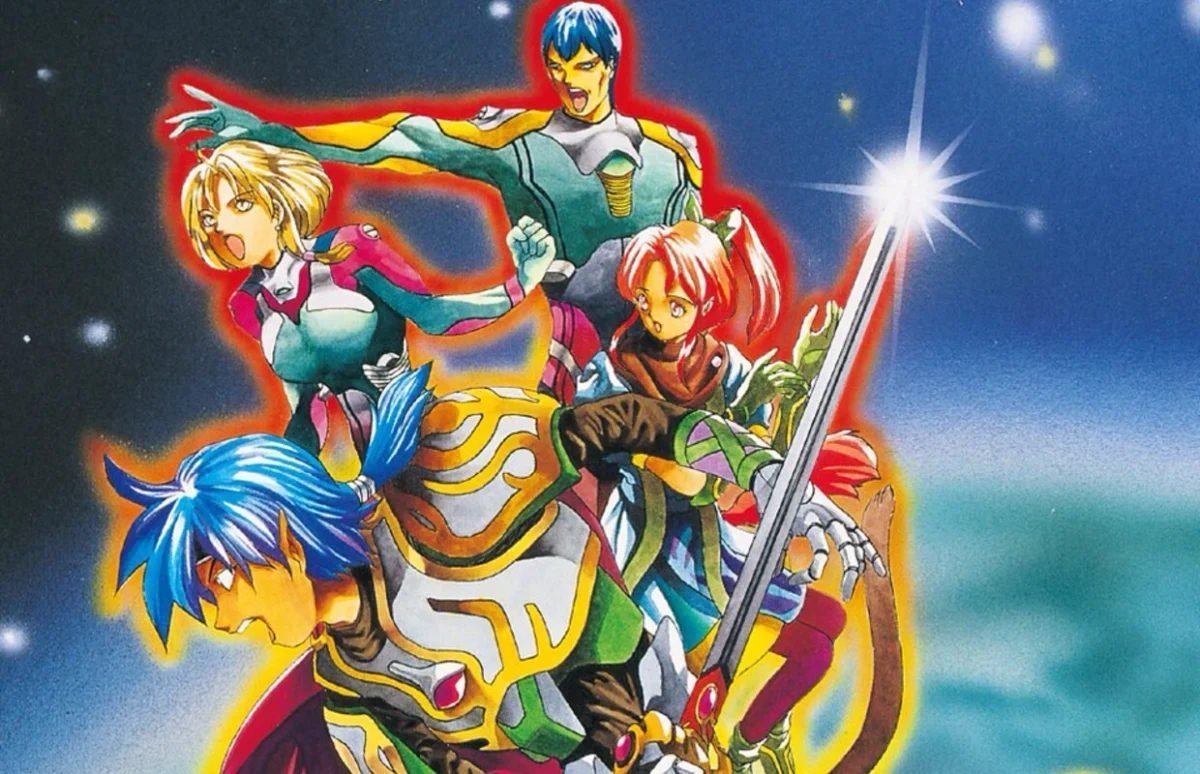
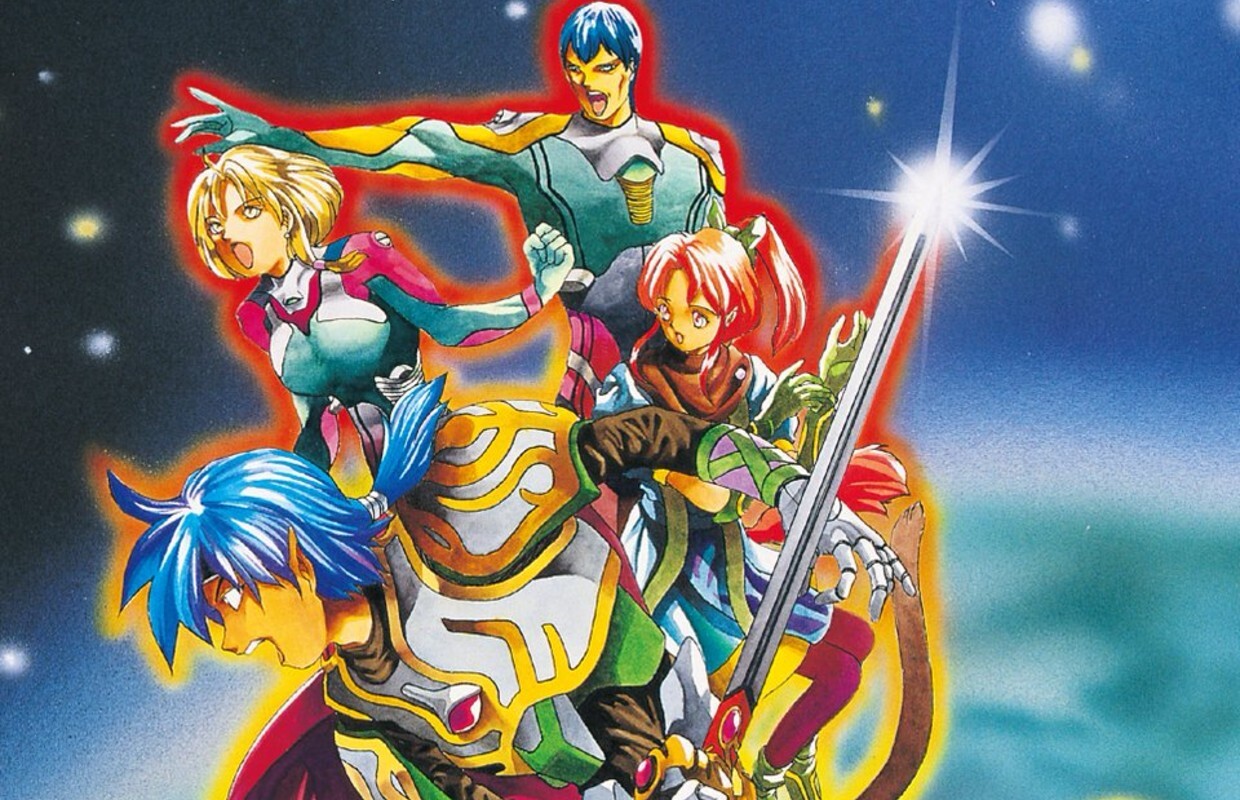
Perhaps no game has executed this creative inversion with as much audacity as the original 1996 Star Ocean. By taking the structural tenets of Star Trek—the most prolific and foundational science-fiction franchise in history—and layering them over the mechanics of a traditional Japanese role-playing game, developer tri-Ace created a blueprint for a series that would endure for nearly three decades.
The Genesis of an Intergalactic Odyssey
Star Ocean was birthed from the ambition of tri-Ace, a studio founded by former members of Wolf Team—the creators of the cult-classic Tales of Phantasia. While the DNA of their previous work is visible in the real-time combat systems, Star Ocean’s narrative ambition was starkly different from its contemporaries.
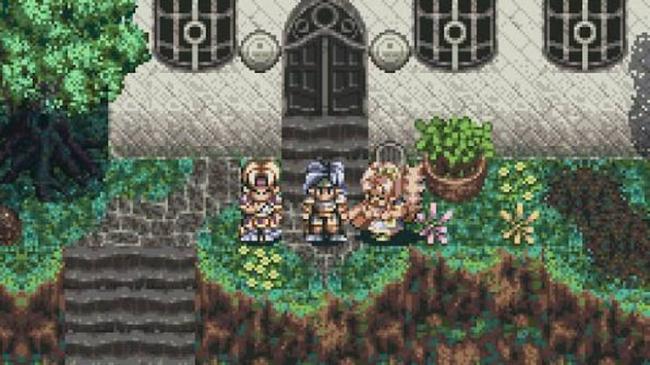
Released for the Super Famicom in 1996, the game begins in the deceptively quaint village of Kratus on the medieval planet of Roak. Players control Roddick, Millie, and Dorne—three young Fellpool (cat-like humanoids) who are dealing with a localized plague that petrifies its victims. For the first act, the game presents as a standard fantasy quest involving swords, sorcery, and dungeon-crawling.
The subversion arrives when Roddick and Millie ascend a mountain in search of medicinal herbs, only to encounter an "otherworldly" being: Earth Federation Captain Ronyx J. Kenny. This moment serves as a pivot point, transforming a terrestrial fantasy into a galactic political thriller. By placing the player in the shoes of a "primitive" planet-dweller who is suddenly exposed to the interstellar scale of the universe, tri-Ace perfectly captures the "coming-of-age" tropes inherent in the JRPG genre while framing them through the lens of a sci-fi discovery narrative.
Chronology and Evolution: From Famicom to Modern Remasters
The history of Star Ocean is one of constant iteration. Since its inception, the series has sought to refine its "sci-fi fantasy" blend:
- 1996: The original Star Ocean debuts on the Super Famicom, introducing the groundbreaking, skill-based gameplay loop.
- 1998: Star Ocean: The Second Story hits the PlayStation, introducing the dual-protagonist system and cementing the series’ reputation for deep, player-driven narrative branching.
- 2003: Star Ocean: Till the End of Time pushes the franchise into full 3D, expanding the scope of its intergalactic lore.
- 2007/2009: First Departure and The Last Hope serve as refinements, with First Departure acting as a polished remake of the original title, expanding character depth and voice acting.
- 2019: Star Ocean: First Departure R releases on modern consoles, bringing the original vision to a new generation with high-definition visuals and quality-of-life adjustments.
Across these titles, the series has consistently experimented with "time-traveling" mechanics, multi-generational narratives, and shifting perspectives, each entry building on the foundation of the 1996 original.
Supporting Data: The Mechanics of Choice
What separates Star Ocean from a standard narrative-driven RPG is its commitment to "exploratory" gameplay—not necessarily in terms of map traversal, but in how the player constructs their own experience.
The Skill and Crafting System
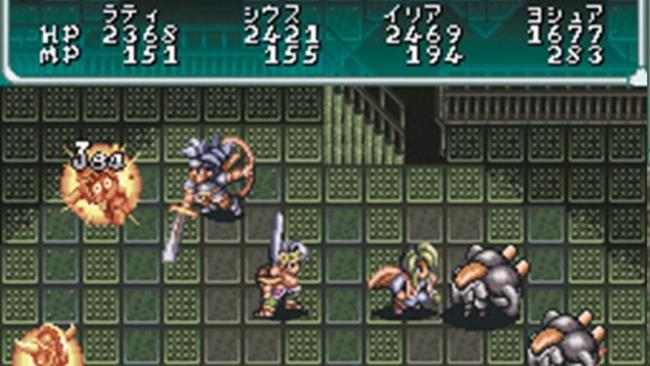
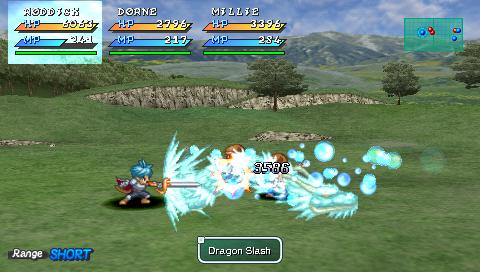
The Special Points (SP) system is the engine of the series’ complexity. Players can invest points into diverse skills ranging from Cooking and Artistry to Scouting and Determination. These skills are not mere flavor; they are the backbone of a robust item-crafting system that allows for the creation of weapons, accessories, and consumables far more powerful than anything available in standard shops. This level of agency ensures that no two playthroughs are identical, as player investment in specific skills dictates the viability of their party.
Private Actions and Relational Dynamics
Perhaps the most "Trek-like" aspect of the series is its obsession with character relationships. The "Private Action" (PA) system allows players to trigger character-driven scenes while visiting towns. These vignettes do not always advance the main plot; rather, they deepen the player’s understanding of the crew. With over 80 potential ending variations—each contingent on the specific affinity built between party members—the game emphasizes that the most significant "discoveries" in a spacefaring adventure are the people you choose to journey with.
The Philosophical Core: The Underdeveloped Planet Preservation Pact
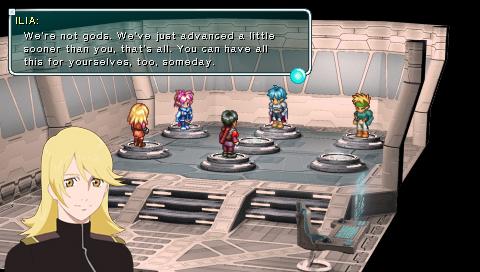
Unlike many RPGs that use sci-fi elements as mere window dressing, Star Ocean grapples with the ethical weight of its own premise. Central to the narrative is the Earth Federation’s "Underdeveloped Planet Preservation Pact"—a clear nod to Star Trek’s Prime Directive.
The game forces the player to consider: Is it moral for a technologically superior civilization to intervene in the natural progression of a less-developed society, even to save them from extinction? This moral quandary is not relegated to background lore; it is the catalyst for the game’s primary conflict and informs the emotional stakes of the finale. By forcing the characters to navigate the tension between their personal desires and the rigid regulations of the Federation, Star Ocean elevates itself from a standard adventure to a thoughtful meditation on interference, progress, and empathy.
Implications for the Modern RPG Landscape
The success of Star Ocean provided a roadmap for how developers could reconcile disparate genres. By grounding the "wonders" of space travel in the "intimacy" of character-focused writing, tri-Ace demonstrated that the JRPG format was flexible enough to accommodate complex sci-fi themes.
Modern developers, from those working on Mass Effect to the team behind Xenoblade Chronicles, owe a debt to the structural bravery of Star Ocean. The series proved that players would respond to a game that trusted them to manage complex systems and moral dilemmas without holding their hands.
Furthermore, the longevity of the franchise suggests that there is a permanent hunger for stories that blend the infinite scale of the cosmos with the microscopic focus on human (or Fellpool) connection. While other franchises might lean into the power fantasy of saving the world, Star Ocean consistently reminds us that the value of the journey lies in the "crew"—the diverse, flawed, and specialized individuals who stand beside us.
Conclusion: A Lasting Legacy
As we look back at the "Golden Age" of RPGs, Star Ocean stands out as a unique bridge between two disparate worlds. It took the procedural, exploratory spirit of Star Trek and injected it with the emotional heart and character-driven focus of a Japanese role-playing game. It was never just a clone of its influences; it was a conversation with them.
Through its intricate systems of crafting, its branching narrative potential, and its willingness to tackle the ethical weight of interstellar expansion, Star Ocean carved out a distinct identity that has allowed it to thrive for over 25 years. It serves as a reminder that when developers dare to invert, subvert, and reshape the inspirations they hold dear, they don’t just create games—they create universes. In the vast, expanding sea of video games, Star Ocean remains a beacon of how to do justice to the source material while sailing toward a horizon entirely one’s own.

