

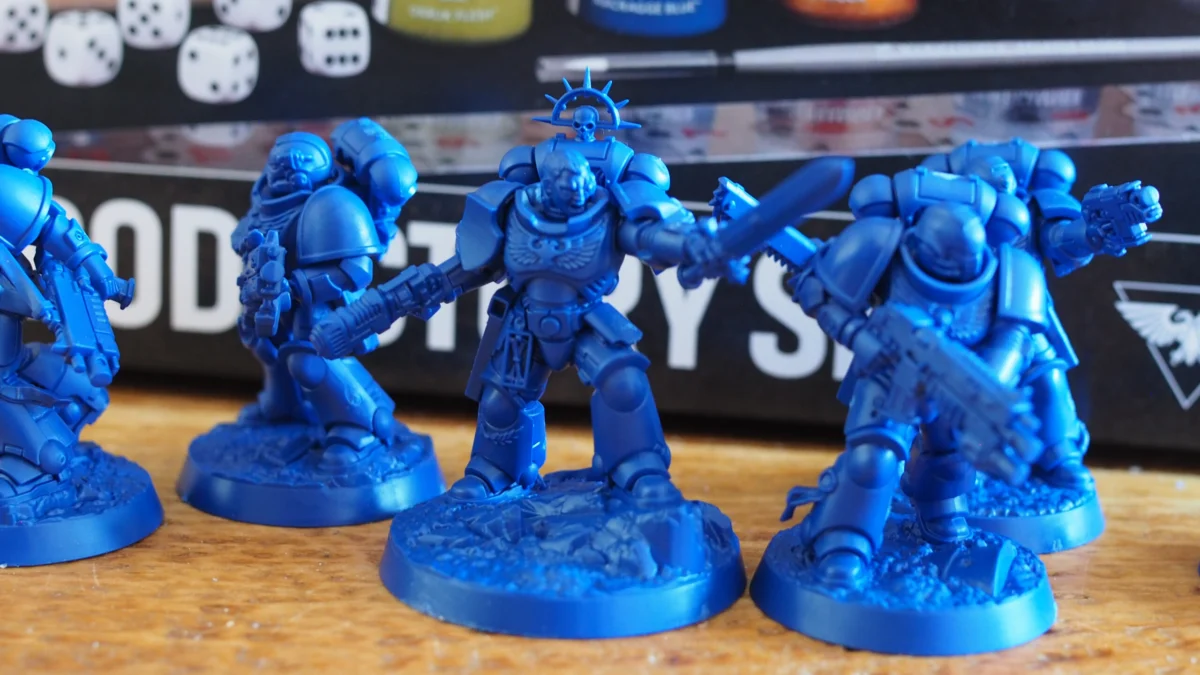
The tabletop wargaming landscape has shifted once again as Games Workshop officially ushers in the 11th Edition of its flagship title, Warhammer 40,000. For veteran players who found the tail end of the 10th Edition somewhat stagnant, this update arrives not as a total scorched-earth revolution, but as a meticulously crafted refinement. After an intensive two-week period of tournament-level play and mechanical stress-testing, the verdict is clear: the game is more flavorful and fluid than it has been in years, though it is not without the growing pains typical of a new edition.
This new iteration of the "grim darkness of the far future" maintains a delicate balance between continuity and innovation. By keeping 10th Edition Codexes valid while overhauling core mission structures and terrain interactions, Games Workshop has attempted to fix the "sameness" of the previous meta without forcing players to discard their expensive library of rulebooks.
Main Facts: The Pillars of the 11th Edition
The transition to 11th Edition is defined by three major systemic changes: the merging of terrain and objectives, the introduction of asymmetric mission dispositions, and a fundamental shift in how secondary missions are managed.
1. Terrain as the Objective
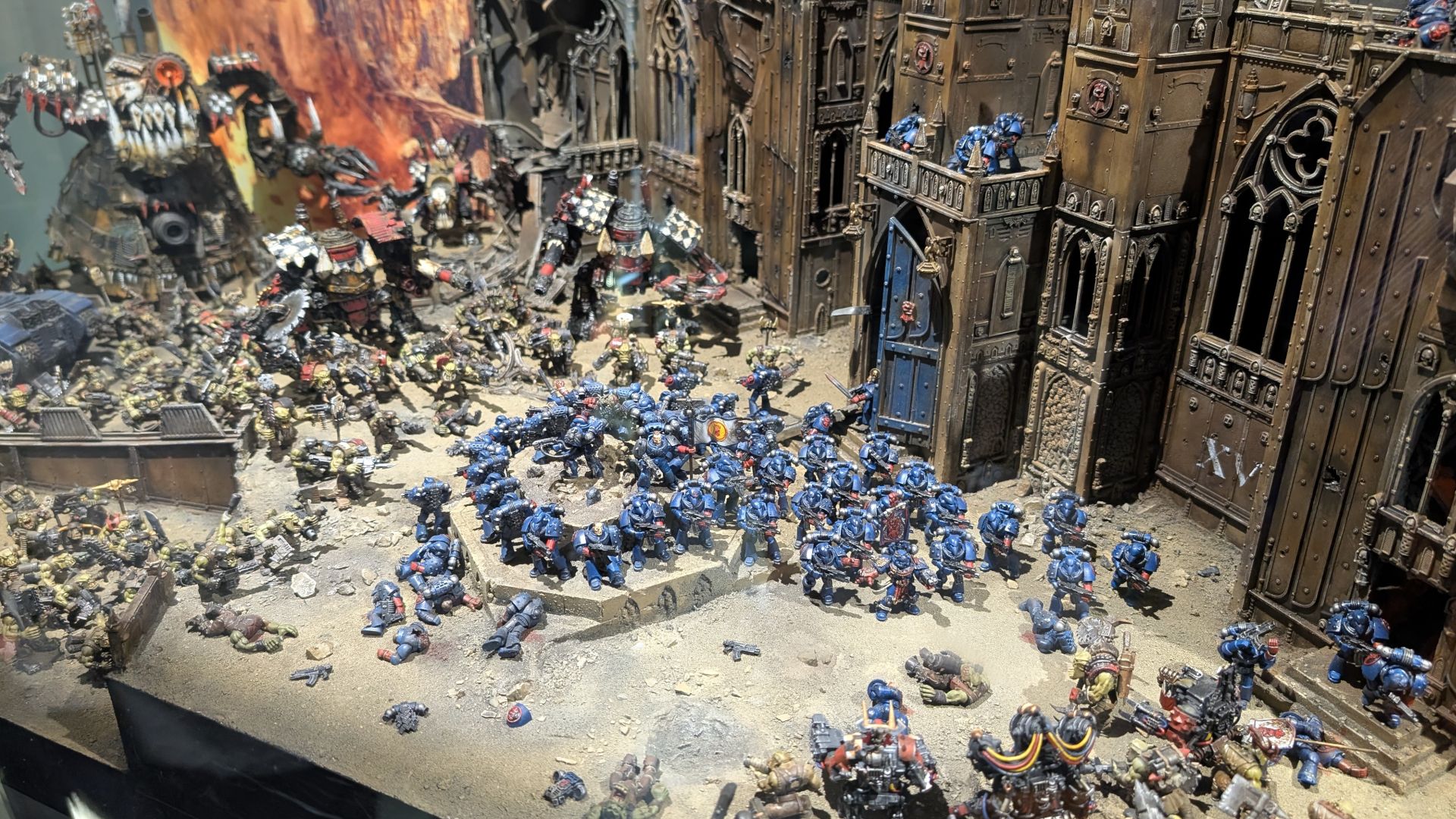
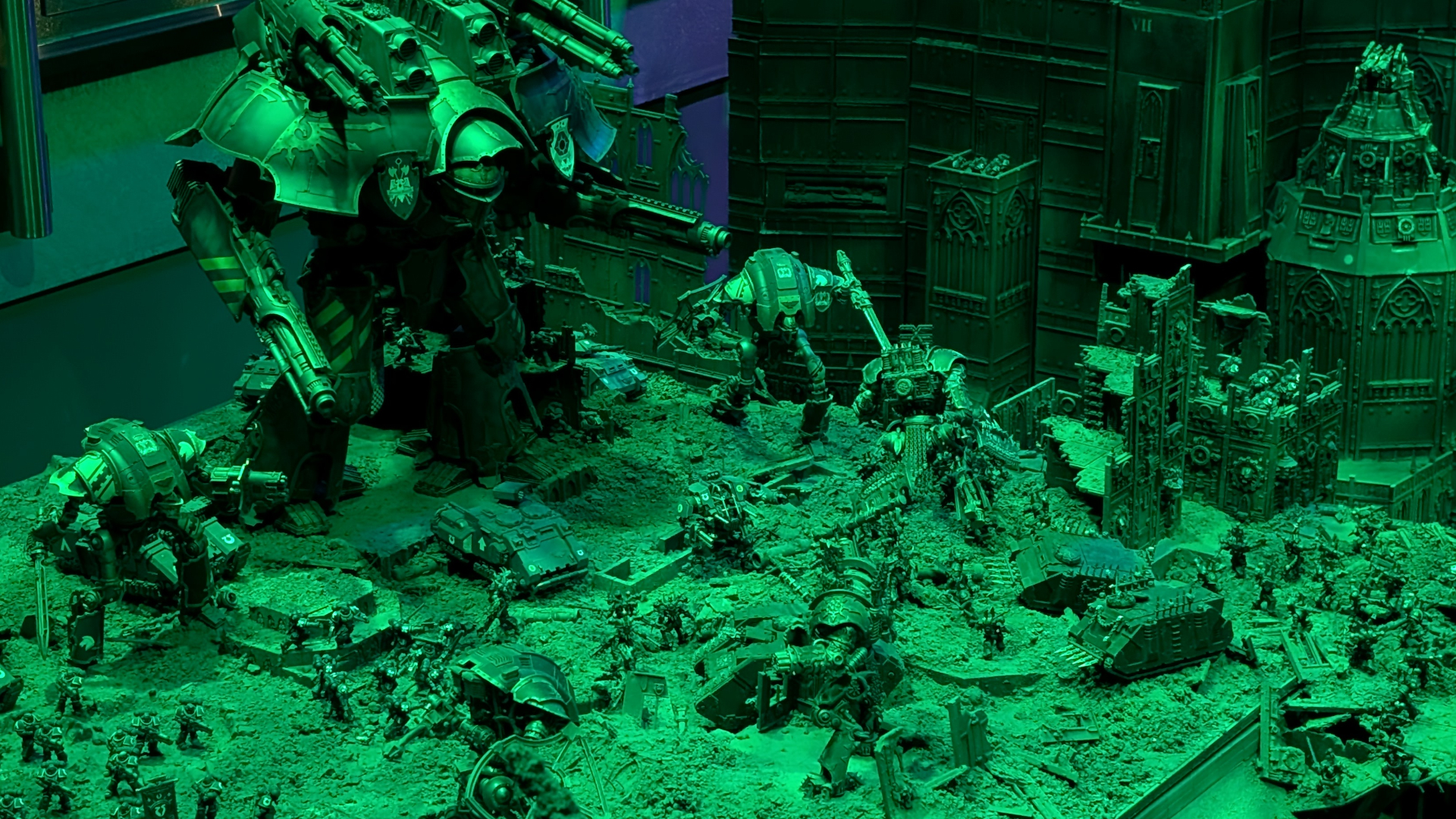
In previous editions, objectives were often abstract markers placed on the board, sometimes awkwardly positioned in "no man’s land" or behind a specific ruin. 11th Edition has fundamentally altered the aesthetic and tactical layout of the battlefield by making the terrain pieces themselves the objectives. This change forces players to interact with the physical geography of the board more meaningfully, leading to more cinematic engagements as squads fight to hold a specific bunker or ruined cathedral rather than a plastic disk on the floor.
2. Asymmetric Primary Missions and Dispositions
Perhaps the most significant change to list-building and strategy is the introduction of "Dispositions." Players no longer simply play the same mission as their opponent. Instead, the game now supports asymmetric goals. There are five primary dispositions currently in rotation:
- Take & Hold: The classic territorial control.
- Priority Assets: Focused on specific high-value targets.
- Reconnaissance: Rewarding mobility and board presence.
- Purge the Foe: A lethality-focused disposition.
- Disruption: A complex, resource-heavy denial strategy.
3. Secondary Mission Stockpiling
To mitigate the "luck of the draw" that often plagued 10th Edition’s tactical missions, players can now stockpile secondary objectives. This prevents situations where a player draws a card they cannot possibly achieve in the early game (such as "Assassinate" before any characters are exposed), allowing for a more strategic, long-term approach to scoring.
Chronology: From the End of 10th to the Dawn of 11th
The road to the 11th Edition was paved with the lessons learned during the three-year lifecycle of its predecessor. 10th Edition was praised for its "Simplified, Not Simple" philosophy, but by its final year, the competitive meta had begun to feel repetitive.
- Late 2025: Rumors began to circulate regarding a "mid-cycle" refresh that would address the static nature of terrain rules.
- The Big Summer Warhammer Preview 2026: Games Workshop officially unveiled the 11th Edition, surprising many by confirming that existing 10th Edition Codexes would remain functional.
- The Armageddon Launch Box: This set served as the mechanical bridge, introducing the first "1DP" (Edition Transition) detachments and the new mission deck.
- Launch Month (Current): The game has entered its first "live" month, with players worldwide testing the balance of the five new dispositions and the return of controversial sightline rules.
Supporting Data: The "Good," the "Bad," and the Meta Analysis
Early data from the first wave of 11th Edition tournaments suggests a game that is highly functional but currently suffering from a "lethality gap" between different mission types.
The Successes: Flavor and Fluidity
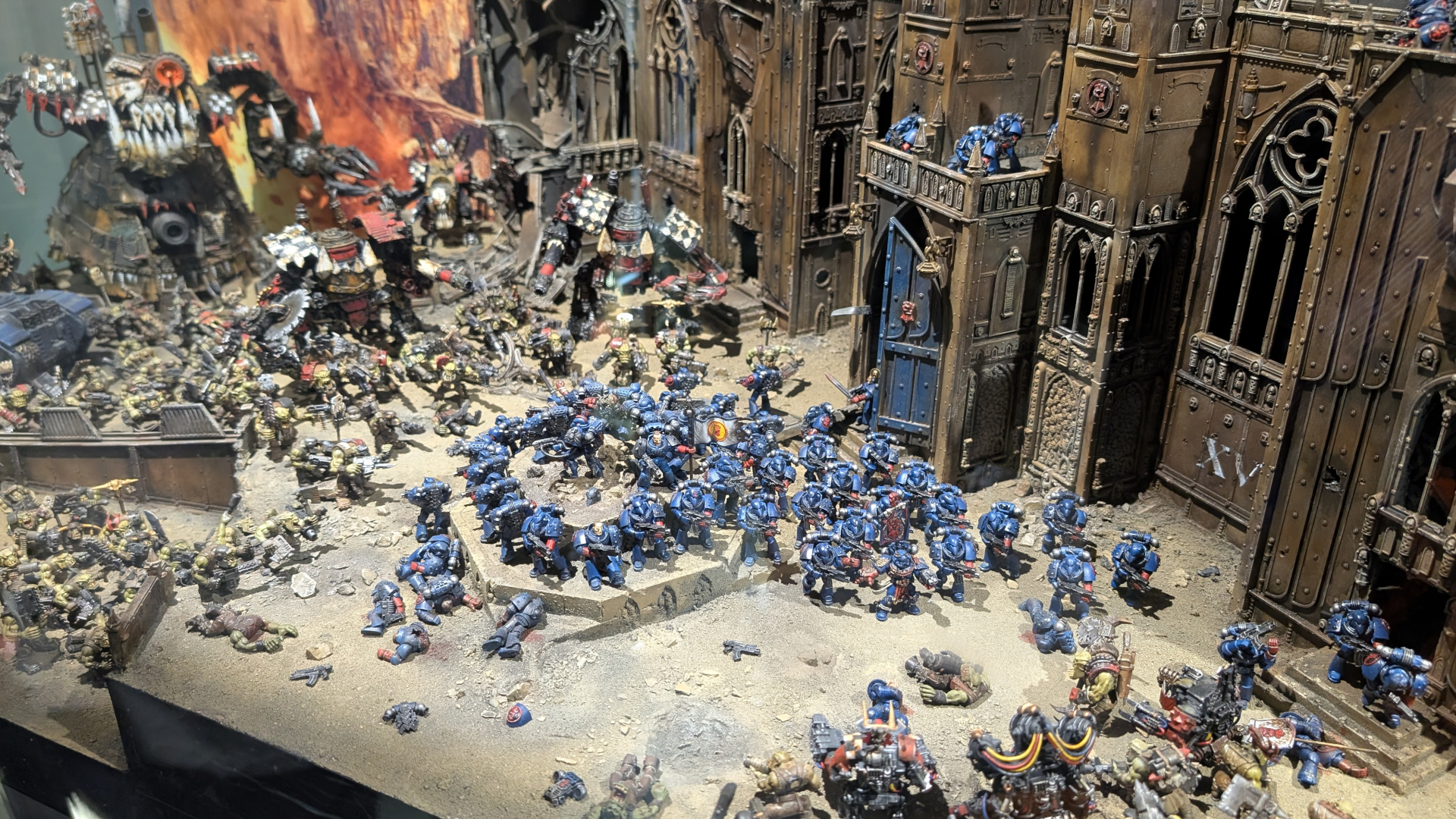
The new detachment system has been hailed as a triumph for "narrative-adjacent" competitive play. By allowing players to "glue" multiple detachments together to buff specific unit types, the game allows for much higher levels of army specialization. For example, a Necron player can now build a list specifically designed to "declare dibs" on territory, mirroring their lore as ancient rulers reclaiming their empire, while still remaining competitively viable.
Furthermore, several "Quality of Life" (QoL) tweaks have streamlined the experience:
- Battleshock: Now carries more mechanical weight, making morale-altering abilities a legitimate tactical choice rather than a minor inconvenience.
- Character Retention: Attached characters no longer lose their unique rules or "forget" their identity the moment their bodyguard unit is destroyed.
- Fly Rules: Flying units have regained the ability to move over buildings more intuitively, restoring the mobility advantage that factions like Aeldari and Drukhari rely upon.
The Imbalances: Purge the Foe vs. Disruption
While the edition is arguably the most balanced "Day One" release in Warhammer history, two dispositions are causing concern among the competitive community.
Purge the Foe is currently viewed as potentially "over-tuned." Because its primary metric is simply killing the opponent’s units, it risks turning a strategic wargame into a "tabling" competition. If one player can wipe their opponent off the board by turn three, the nuances of terrain and objective control become moot.
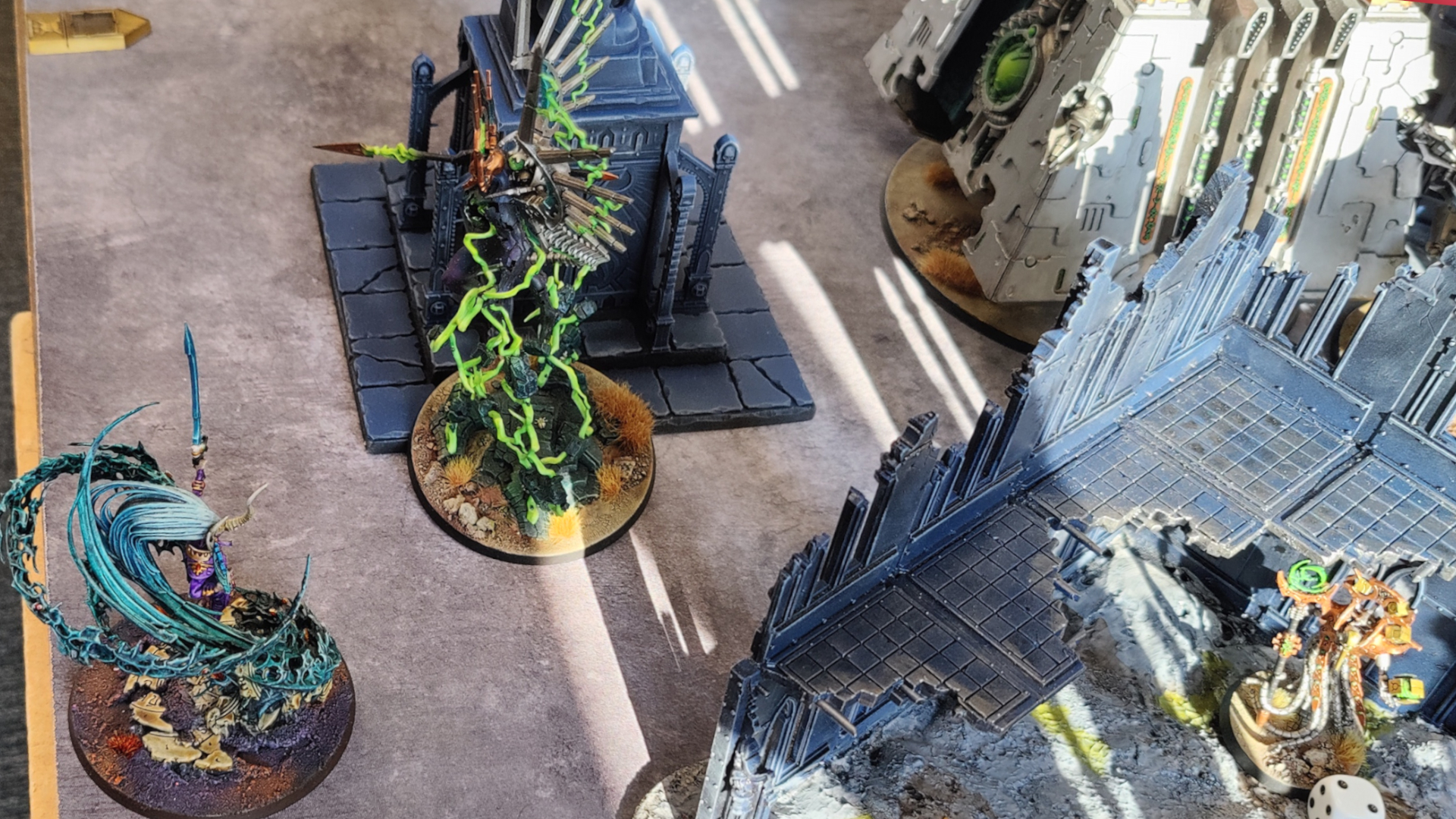
Conversely, Disruption is struggling. It requires a high volume of "trash" or "chaff" units to function effectively. Players opting for Disruption often find themselves bleeding resources and victory points just to keep pace with opponents who have simpler, more direct objectives.
The "Toeing In" Controversy
A major mechanical regression noted by veteran players is the return of "toeing into terrain." In 10th Edition, a unit (particularly large vehicles or tanks) had to be fully within a terrain piece to see through it. In 11th, simply touching the edge of a ruin allows for full visibility. When combined with the new terrain layouts, this has created "downtown" sightlines, where long-range, high-output shooting units can dominate the board from safety.
Official Responses and Future Outlook
Games Workshop has remained proactive during the launch window. During the Big Summer Warhammer Preview, lead designers emphasized that 11th Edition was designed to be "living," with more frequent balance passes than previous editions.
Upcoming Content
The roadmap for the 11th Edition is already taking shape:
- Codex Orks: Confirmed as the debut book of the edition, featuring new models for Ork bikers, a new Mek, and an updated Trukk.
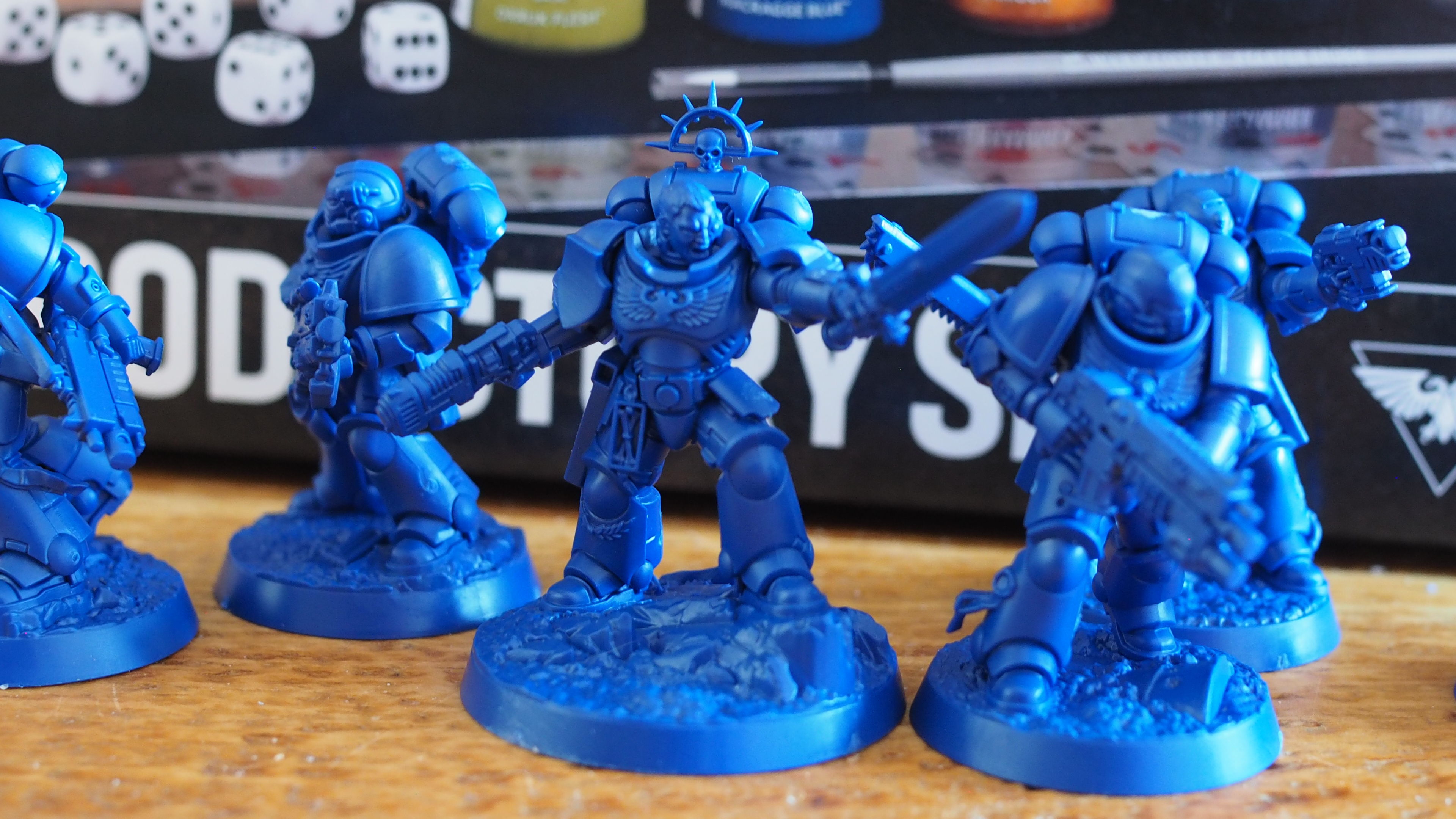
- Codex Space Marines: Expected to follow shortly after, likely refining the "1DP" detachments into permanent 11th Edition structures.
- Balance Dataslate: An official balance pass is rumored to be "imminent," specifically targeting the Librarius Conclave and Sekhetar Cohort detachments, which have shown early signs of being overpowered.
Games Workshop’s official stance is that the current 10th Edition Codexes are "placeholders" that provide a functional bridge. The "true" 11th Edition meta will only emerge once the first several dedicated 11th Edition books are released, which are being designed from the ground up to interact with the new terrain and disposition systems.
Implications: The Long-Term Health of the Hobby
The shift to 11th Edition carries several long-term implications for both the casual and competitive spheres of the hobby.
1. The Burden of Legacy
By choosing not to do a "hard reset" (like the transition from 7th to 8th Edition), Games Workshop has created a complex balancing act. They must now balance new, 11th-optimized books against "hangers-on" from the 10th Edition. This "whack-a-mole" approach to balance can lead to power creep, where each new book must be slightly stronger to compete with the versatile 1DP detachments of the previous era.
2. A More Interactive Game
Despite the issues with "Purge the Foe," the overall design of 11th Edition encourages more interaction. The stockpiling of secondaries and the terrain-based objectives mean that players cannot simply sit in their deployment zone and "score out" the game. To win in 11th, you must move, you must engage, and you must utilize the board’s physical features.
3. Accessibility vs. Complexity
While 11th Edition is a "refinement," the introduction of asymmetric missions and multi-detachment list building adds a layer of complexity that may be daunting for new players. The Warhammer 40K Introductory Set remains the recommended entry point, but the gap between "Introductory" play and "Standard" 11th Edition play is widening.
Conclusion
Warhammer 40,000 11th Edition is a confident step forward for a game that was beginning to show its age. It prioritizes flavor, tactical flexibility, and cinematic moments over the sterile, math-heavy interactions that sometimes characterized the end of the previous edition. While the "toeing in" rules and the disparity between mission dispositions require urgent attention, the foundation is solid. For the first time in years, the "grim darkness of the far future" feels fresh, unpredictable, and—most importantly—fun.

