

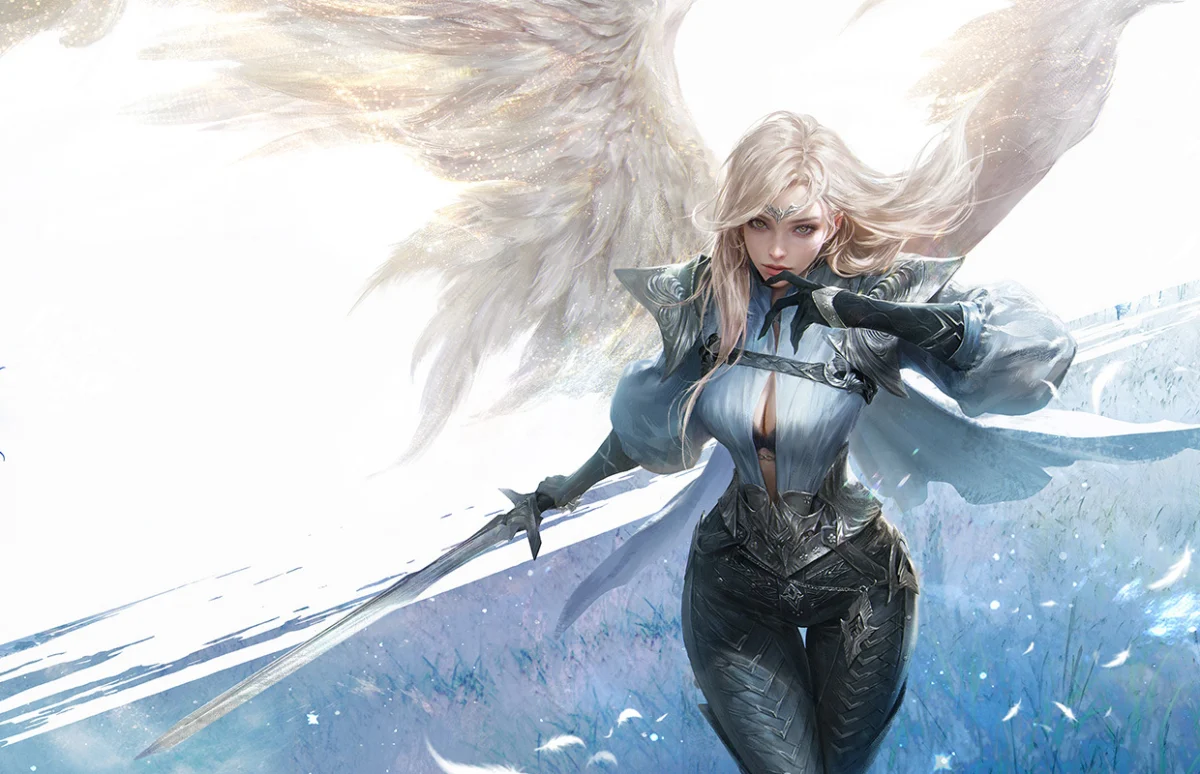
The MMORPG landscape has undergone a seismic shift since the late 2000s. Once the undisputed titans of the gaming industry, the genre has faced stiff competition from battle royales, hero shooters, and hyper-social sandbox experiences. Yet, at this year’s Summer Game Fest Play Days, NCSoft arrived with a bold proposition: a return to the high-fantasy, high-altitude grandeur that defined a generation. Aion 2, the long-awaited successor to the 2008 classic Aion: The Tower of Eternity, isn’t just a sequel; it is a technological manifesto aimed at proving that the "death of the MMO" has been greatly exaggerated.
A Legacy Reimagined: The World of Atreia
Set approximately 200 years after the tumultuous events of the original Tower of Eternity, Aion 2 invites players back to the fractured world of Atreia. Once again, the eternal struggle between the Elyos and the Asmodians takes center stage. However, the world players knew has evolved.
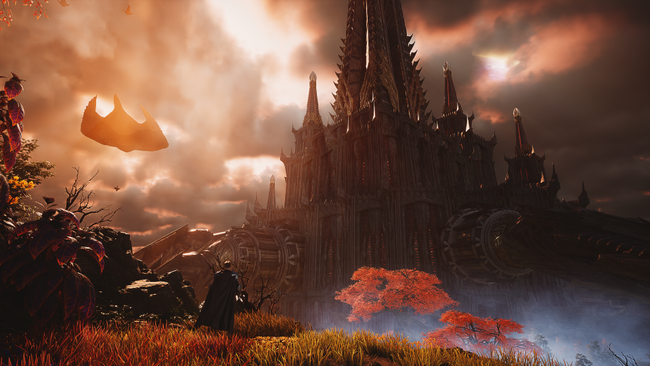
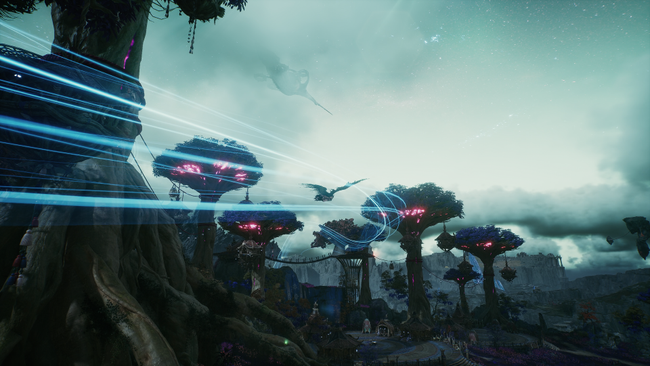
During a hands-off demo at Summer Game Fest, the visual fidelity of the title was immediately striking. The team at NCSoft has leveraged modern engine capabilities to craft a world that feels both hauntingly familiar and entirely new. Where the original game was limited by the hardware constraints of the mid-2000s, Aion 2 utilizes the full power of contemporary rendering tech to provide a seamless, expansive, and breathtakingly detailed environment.
The Art of Identity: Unrivaled Customization
If there is one pillar upon which Aion 2 stakes its claim, it is player agency. The character creation suite showcased during the demo was nothing short of exhaustive. The developers have moved beyond simple sliders, offering granular control over every aspect of a character’s physiology. From intricate facial bone structures and skin textures to the iconic, customizable wings that act as a focal point for the game’s aesthetic identity, the system is designed to facilitate the "exact fantasy" of the player.
Daniel LaFuente, NCSoft’s Director of Operations, emphasized that this level of depth is intentional. "A major focus of what we try to do is for you to feel like you’re actually in this fantasy world of Atreia," LaFuente explained. "Anything that you want to manipulate, we want to give you that tool so that, again, you can make the exact fantasy that you want within the game."
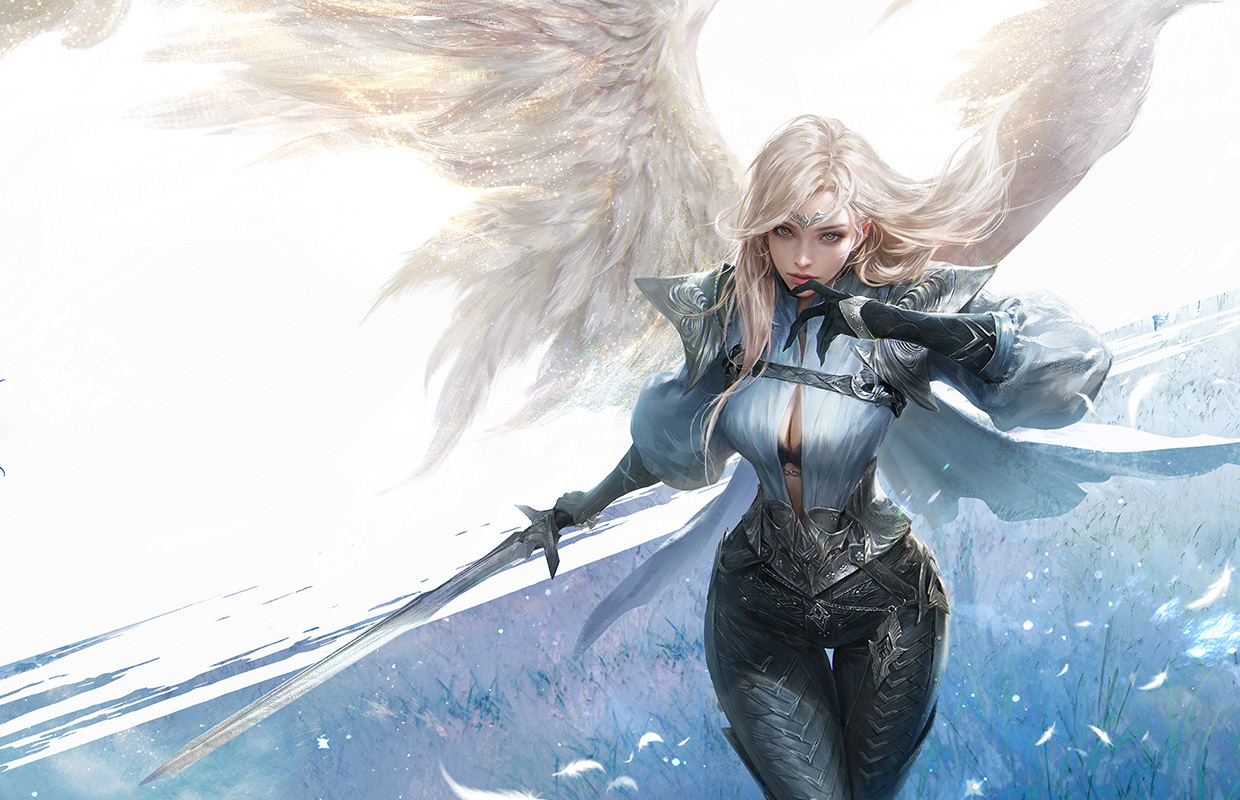
Perhaps most intriguing is the social integration of this system. Players can export and share their character presets, allowing for a community-driven "look-book" that will undoubtedly see the internet flooded with creative, bizarre, and hyper-stylized avatars. Whether players aim to create a noble warrior or a surreal, winged masterpiece, the engine ensures that the final result remains visually stunning.
Breaking the Horizon: True Freedom of Flight
The most significant technical hurdle for the original Aion was the implementation of flight. In 2008, rendering large-scale, open environments while accounting for verticality was a massive strain on server architecture. Consequently, flight was often limited by "invisible walls" or partitioned zones.
In Aion 2, the team has eliminated these boundaries. Merv Lee Kwai, the game’s execution publishing producer, noted that the map is now 36 times larger than that of the original. This is not merely a quantitative increase in acreage; it is a qualitative shift in design philosophy. "Back then, it [flying] was very limited, because they couldn’t render a lot of areas at the same time," Kwai stated. "So right now, they extended the map… so that you could really feel the flying, free flying in the open world."
The developers reinforced this by highlighting a moment in the demo where a massive, menacing airship was spotted in the far distance. When prompted about whether players could reach such a landmark, the answer was a definitive, "Anything you see, you can get to." This philosophy of "point-to-point" accessibility suggests a world that rewards exploration rather than guiding players through narrow, pre-scripted corridors.
The State of the Industry: Is the MMO Declining?
The question of the MMORPG’s longevity is a heavy one, and NCSoft is clearly aware of the narrative surrounding the genre. Having a development team comprised of both industry veterans—many of whom worked on the original Aion—and fresh talent provides a unique perspective on the genre’s trajectory.
When asked about the evolution of MMOs over the last two decades, Merv Lee Kwai offered a surprisingly candid assessment. "I think the MMO genre is declining," he admitted. However, he was quick to contextualize this. "Nevertheless, there will still be people who like this genre, and compared to the games from 20 years ago, there are a lot more people who are interested in games now."
Kwai sees the current market saturation—competition from other genres—as the primary driver of this decline, rather than a lack of interest in the core MMO experience. "I still feel there’s a good portion of the player base who will still play MMORPGs even 10 or 20 years from now. I want the player base to build their own community inside the game, and just keep on enjoying MMOs."
This isn’t a defensive stance, but rather a strategic one. NCSoft is positioning Aion 2 not as a traditional "theme park" MMO that relies on nostalgia, but as a modern, high-fidelity experience designed to lure back lapsed players while capturing a new audience that values social agency and open-world exploration.
Looking Ahead: The New Era
The implication of Aion 2 is clear: the genre is not dying; it is simply being forced to adapt. By focusing on deep, meaningful customization, a massive, unpartitioned world, and a commitment to true, unbridled flight, NCSoft is attempting to modernize the foundational elements that made the original game a cultural phenomenon.
For those who never played the original, the prospect of an expansive fantasy sandbox with high-end visuals and the promise of total exploration is an enticing proposition. For the veterans, the return to Atreia is a chance to see a long-held vision finally realized without the technical shackles of the past.
With a global launch scheduled for this September, the countdown has begun. The developers are confident that Aion 2 will serve as a catalyst for a new era in the genre. As the industry watches, the question remains: can one game, no matter how beautiful or ambitious, shift the tide of an entire genre? If the sheer scale of the world and the depth of the player-facing tools are any indication, the answer may well be written in the skies of Atreia.
Until the servers open, the community is left with trailers and the promise of a world where the horizon is not a limit, but a destination. Whether this marks the renaissance of the MMO or a beautiful final act, Aion 2 is undoubtedly one of the most significant releases on the horizon.

