

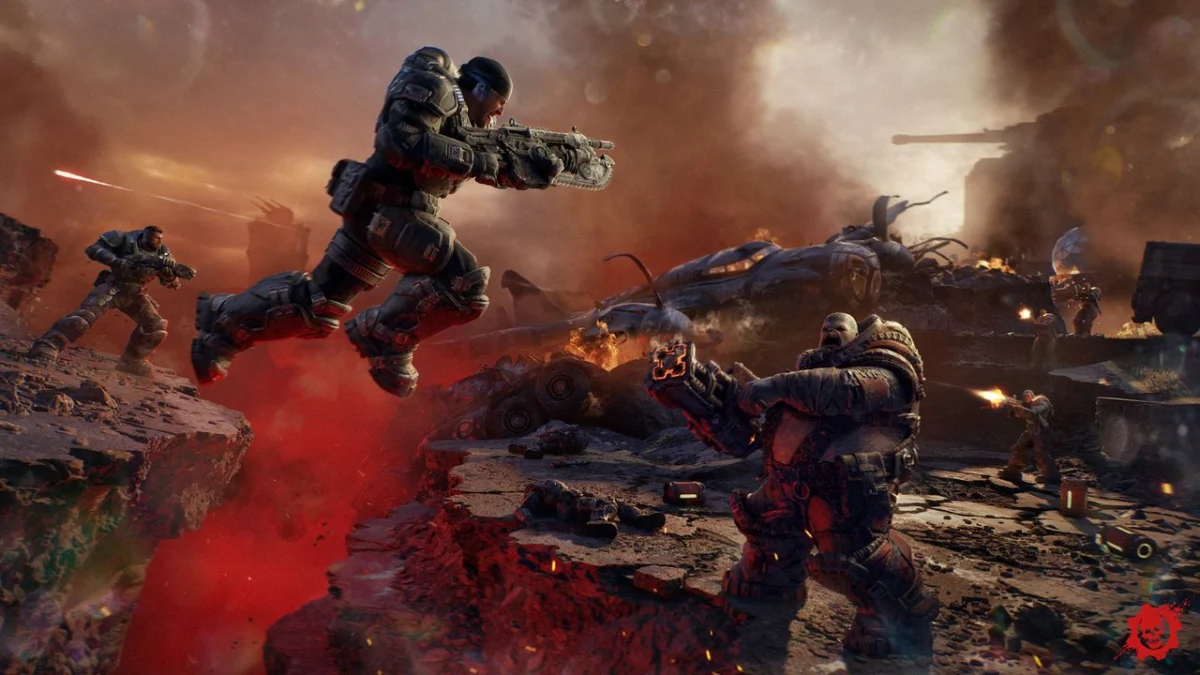
The traditional boundaries of the "console war" are dissolving, replaced by a complex, data-driven strategy that prioritizes ecosystem growth over hardware lock-in. In a series of recent disclosures and high-profile interviews, Microsoft’s gaming leadership has signaled that the era of rigid platform exclusivity is transitioning into a more "fluid" model.
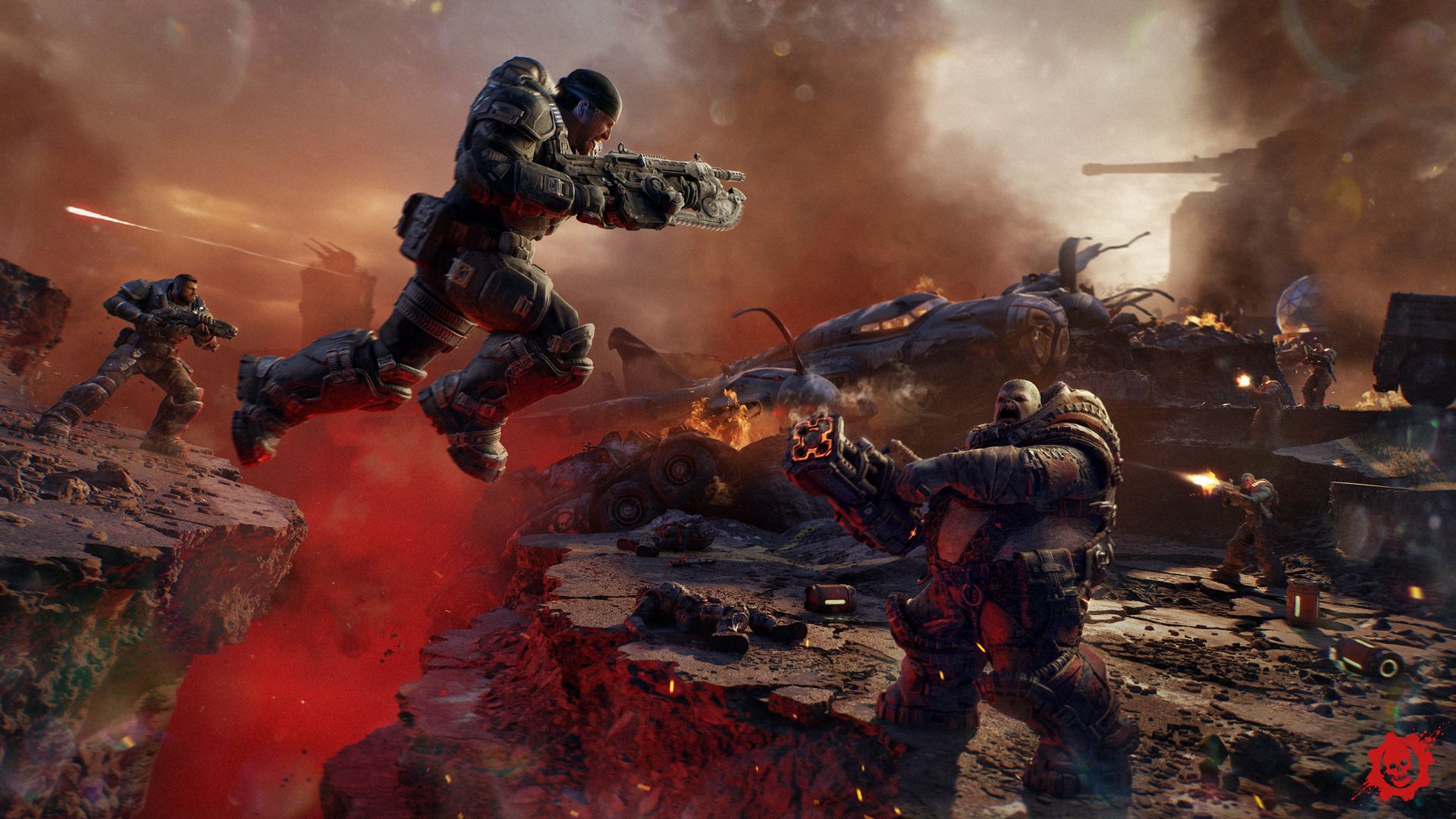
While recent announcements like Gears of War: E-Day have reaffirmed Xbox’s commitment to its own hardware, Matt Booty, Chief Content Officer at Xbox Game Studios, has made it clear that fans should not expect a return to the status quo. Even the long-held industry standard—that narrative-driven, single-player experiences remain the exclusive domain of the home console—is no longer "carved in stone."
Main Facts: The End of Predictable Exclusivity
At the heart of the current discourse is a fundamental shift in how Microsoft views its massive portfolio of intellectual property. Following the monumental acquisitions of ZeniMax Media (Bethesda) and Activision Blizzard, Xbox now commands one of the most diverse libraries in the entertainment industry. However, the question of where these games can be played has become a moving target.
During a recent interview with GamesRadar+, Matt Booty addressed the confusion surrounding Xbox’s platform strategy. While the company recently highlighted a "return to exclusivity" for certain tentpole titles, Booty cautioned against using "single-player" as a definitive metric for whether a game will remain locked to the Xbox Series X|S and PC.
Key takeaways from the current strategic outlook include:
- Selective Exclusivity: High-profile titles like Gears of War: E-Day and Clockwork Revolution are currently positioned as Xbox and PC exclusives, intended to drive hardware sales and Game Pass subscriptions.
- The Live-Service Mandate: Large-scale live-service titles, such as Minecraft and the Call of Duty franchise, are confirmed to remain multiplatform to maintain their massive player bases and recurring revenue streams.
- The Single-Player Variable: Unlike Sony’s historical strategy of keeping narrative blockbusters (like God of War or The Last of Us) strictly on PlayStation for years, Xbox is leaving the door open for its single-player titles to migrate to rival platforms if the "purpose" of the game aligns with a broader reach.
- Communication Gaps: Leadership acknowledges that the current approach is not yet "obvious" to the consumer base, leading to a commitment to clearer communication as games approach their respective launch windows.
Chronology: From "The Four Games" to a New Paradigm
The road to Xbox’s current "case-by-case" strategy has been marked by several pivotal moments over the last twelve months. To understand the current state of Xbox, one must look at the sequence of events that forced a reevaluation of the traditional console model.
The Early 2024 Pivot
In February 2024, following weeks of intense speculation and "doom-posting" within the gaming community, Microsoft Gaming CEO Phil Spencer, alongside Sarah Bond and Matt Booty, hosted a special edition of the Official Xbox Podcast. They announced that four previously exclusive titles—Hi-Fi Rush, Pentiment, Sea of Thieves, and Grounded—would be heading to Nintendo Switch and PlayStation 5. At the time, this was described as an "experiment" to gauge the viability of cross-platform releases.
The Success of the "Port" Strategy
The results of this experiment were almost immediate. Sea of Thieves surged to the top of the PlayStation Store pre-order charts, proving that there was a massive, untapped market for Xbox-published content on rival hardware. This success likely emboldened Microsoft’s leadership to look beyond the "four games" and consider a more permanent shift in philosophy.
The June 2024 Showcase
The Xbox Games Showcase in June 2024 was a turning point. It was arguably the most successful presentation in the brand’s history, featuring DOOM: The Dark Ages, Fable, and the surprise reveal of Gears of War: E-Day. However, the platform announcements were telling. While Gears was announced for Xbox and PC, DOOM: The Dark Ages was confirmed as a day-one multiplatform release, including PS5. This underscored the reality that even within the same company (Bethesda/id Software), different franchises would follow different rules.
Supporting Data: The Economics of Modern Gaming
The shift toward multiplatform releases is not merely a philosophical choice; it is driven by the harsh economic realities of AAA game development.
Rising Development Costs
The cost of producing a "blockbuster" game has ballooned to between $200 million and $500 million, often taking five to seven years to complete. When a game costs half a billion dollars to produce, limiting its potential audience to a single console install base—especially one that currently trails its primary competitor—becomes a significant financial risk. By releasing titles on PlayStation 5 (which has an install base of over 50 million units), Microsoft can recoup development costs much faster.
The Growth of Game Pass
Microsoft’s primary metric for success has shifted from hardware units sold to Game Pass subscribers. While exclusives drive subscriptions, the "service" model requires a constant influx of revenue to fund the high-quality content that keeps users subscribed. Selling games at full price on rival platforms like the PS5 provides a massive cash injection that can then be funneled back into the Game Pass ecosystem.
Portfolio Diversity
According to the provided data, the upcoming slate reflects this "purpose-driven" distribution. While sequels like Grounded 2 and Minecraft Dungeons 2 are expected to hit multiple systems to leverage their established multiplatform communities, the fate of "prestige" titles remains flexible.
Official Responses: Insights from Matt Booty and Matthew Ball
The ambiguity of Xbox’s strategy has led to a demand for clarity from the gaming press. In his conversation with GamesRadar+, Matt Booty emphasized that the internal decision-making process is more nuanced than fans might realize.
"I wouldn’t overly fixate on single-player," Booty stated when asked if narrative games would remain the last bastion of exclusivity. "I think that’s a good rule of thumb, but it certainly isn’t something that’s carved in stone."
Booty explained that the company evaluates each project based on how it "serves different purposes" within the portfolio. This suggests that some games are viewed as "platform movers"—titles designed to make the Xbox hardware or Game Pass subscription essential—while others are viewed as "revenue drivers" intended to maximize profit across all possible screens.
Matthew Ball, Chief Strategy Officer, was equally candid about the transparency issues facing the brand. He admitted that the current approach "is not obvious to all of our players." However, he reinforced that the company is "committed to making this clearer" by providing platform information closer to a game’s launch, rather than at the initial reveal. This "wait-and-see" approach allows Microsoft to remain agile, adjusting their platform strategy based on market conditions closer to the release date.
Implications: What This Means for the Future of Xbox
The implications of this "fluid exclusivity" are profound, affecting everything from consumer habits to the very concept of a console generation.
The Value Proposition of Xbox Hardware
If signature single-player games like The Elder Scrolls VI or Hideo Kojima’s OD eventually find their way to PlayStation, the reason to own an Xbox console shifts. Microsoft is betting that the "value" will no longer be found in where you can play the game, but how you pay for it. On Xbox, these games are available via Game Pass on day one for a monthly fee. On PlayStation, users would likely have to pay the full $70 retail price. This creates a "tiered" exclusivity where Xbox hardware is the most economical way to access the content, even if it isn’t the only way.
The Fate of "The Elder Scrolls VI" and "OD"
The fate of Bethesda’s The Elder Scrolls VI remains the most significant question mark in the industry. As a massive single-player RPG, it fits the profile of a game that could be exclusive, but its predecessor, Skyrim, was a multiplatform phenomenon. Under the new "purpose-driven" logic, the sheer scale of The Elder Scrolls might necessitate a multiplatform release to meet internal revenue targets. Similarly, Hideo Kojima’s OD, which leverages Microsoft’s cloud technology, remains an enigma regarding its eventual platform reach.
A New Industry Standard?
Xbox is currently the "first mover" in this space, but the industry is watching closely. Sony has already begun aggressively porting its first-party titles to PC, albeit with a significant delay. If Xbox finds success in a "day-and-date" or "short-window" multiplatform model, it could signal the end of the traditional console cycle as we know it, moving toward a future where "exclusivity" is a temporary marketing window rather than a permanent state of being.
Conclusion: The Ecosystem Over the Box
Microsoft’s current strategy, as articulated by Matt Booty and Matthew Ball, represents a gamble on the future of media consumption. By refusing to "carve in stone" the rules of exclusivity, Xbox is positioning itself as a platform-agnostic content giant.
The message to fans is clear, if somewhat unsettling for the traditionalist: The "Xbox" is no longer just a plastic box under the TV; it is a library of content that will follow the player wherever the data suggests it should go. While this may cause short-term confusion for consumers, it reflects a long-term vision of a gaming industry where the walls are finally coming down—one single-player game at a time.

