

Introduction: The Philosophy of the Mask
In the pantheon of modern video game auteurs, few figures cut as striking and eccentric a figure as Yoko Taro. Instantly recognizable by the unsettling, giant moon-faced Emil mask he perpetually wears during public appearances and media engagements, Yoko has cultivated a reputation as gaming’s premier esoteric visionary. His works—ranging from the cult-classic Drakengard series to the philosophical masterwork Nier: Automata—are rarely designed to offer tidy, comforting conclusions. Instead, they dive headfirst into dark, existential themes, prioritizing metaphysical quandaries and heavy philosophical underpinnings over traditional power fantasies and happy endings.
Yet, beneath the theatricality of the mask and the self-deprecating humor lies one of the most creatively liberated directors in the modern games industry. The story of how Nier: Automata came to be is a testament to what can happen when a brilliant mind manages to slip the leash of corporate oversight, trusting pure creative impulse over sterile market research.
Main Facts: The Breakthrough of Nier: Automata
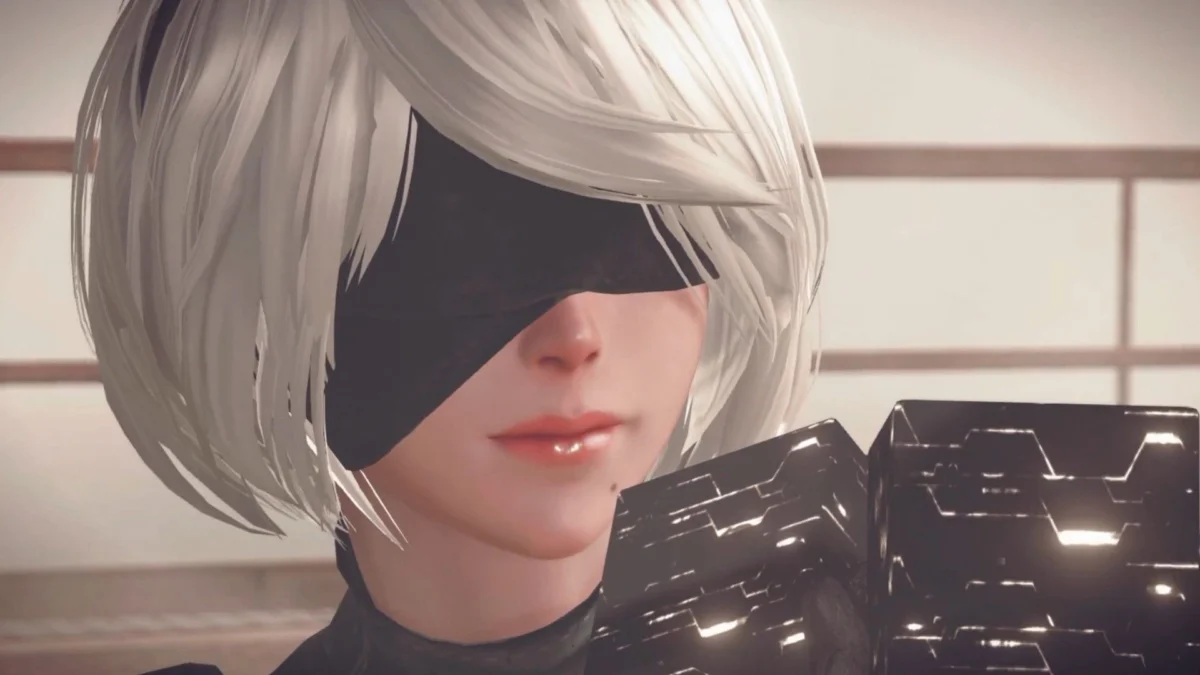
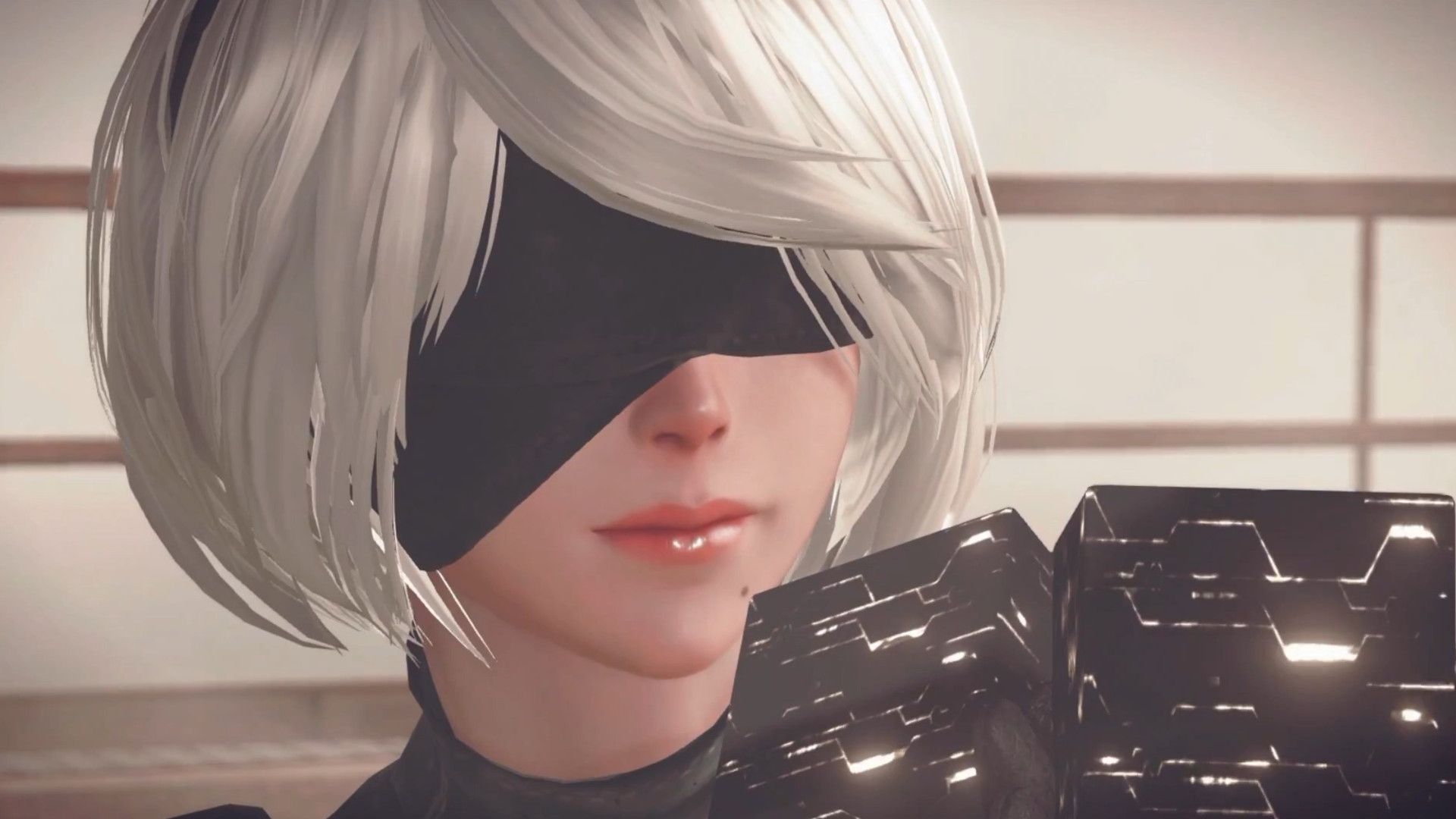
The central narrative of Yoko Taro’s career reached its commercial and critical zenith in 2017 with the release of Nier: Automata. Developed by PlatinumGames and published by Square Enix, the action-RPG was an improbable blockbuster.
- Commercial Milestone: Nier: Automata has flown past an astounding 10 million copies sold globally, transitioning from a beloved niche title into a mainstream cultural phenomenon.
- Critical Acclaim: It is widely recognized by critics and players alike as one of the defining role-playing games of the modern era, celebrated for its seamless blend of fluid, high-octane action and deeply psychological storytelling.
- The Creative Strategy: The game’s unprecedented success was driven in large part by a distinct lack of studio interference. Unlike previous projects where market demographics dictated design choices, Nier: Automata was born from Yoko’s desire to make precisely the game he wanted to play, famously stating that he actively tried to "stay hidden from Square Enix as much as possible."
Chronology: From Bureaucratic Compromise to Creative Rebellion
To understand the triumph of Nier: Automata, one must trace the winding and often turbulent history of Yoko Taro’s career and his relationship with major publishers.
The Early Days and the 2010 Nier Dilemma
Long before androids fought machine lifeforms on a ruined Earth, Yoko was already challenging industry norms. However, early projects were frequently hamstrung by publisher mandates concerning marketability.
A prime example occurred with the release of the original Nier in 2010. In a bid to appeal to different regional demographics, Square Enix deployed two separate protagonists: a gruff, middle-aged father for the Xbox 360 version, and a youthful, boyish lead for the PlayStation 3 release. In Western markets, publishers opted exclusively for the older protagonist.
Looking back on that era in a 2018 interview with The Guardian, Yoko admitted that this fragmented approach backfired: "That didn’t end in great sales, so we stopped overthinking it." The attempt to engineer market appeal had produced a diluted product that satisfied neither core gamers nor casual buyers.
The 2017 Turning Point
When the time came to conceptualize a follow-up to the cult-classic original, the directives changed entirely—or rather, the director simply stopped listening to them.
"For Nier: Automata, I wasn’t told to target anyone," Yoko explains. Freed from the burden of demographic spreadsheets and focus groups, he embraced total creative autonomy. By operating largely under the radar of Square Enix’s corporate oversight during crucial developmental phases, he preserved the uncompromising artistic vision that would ultimately define the game.
Evolution into a Global Franchise
Following the 2017 launch, the trajectory of the Nier intellectual property shifted radically. What was once considered a risky, niche gamble transformed into a cornerstone franchise for Square Enix. Concerts, stage plays, merchandise, and even a critically acclaimed anime adaptation followed, cementing the universe’s place in gaming history.
Supporting Data: The Paradox of the "Normal" Developer
Despite crafting some of the most surreal and emotionally devastating narratives in interactive media, Yoko Taro maintains a remarkably grounded—if heavily self-deprecating—perspective on his own work and identity.
- Target Audiences: "To be honest, I think I am making normal games targeted towards normal people," Yoko claims, displaying a deadpan irony that has become his trademark. "But ultimately when I release those normal games, weird people find them to be weird games and enjoy them. Which probably means there’s something wrong with me."
- Accidental Leadership: Yoko has frequently noted that his ascension to the director’s chair was not the result of sweeping childhood ambitions or a grand master plan. Instead, he jokes that he became a director simply because he "wouldn’t stop yapping" during meetings.
- Workplace Persona: True to his idiosyncratic image, Yoko has openly described himself as a "warped person" who is "insufferable at work." He has even confessed to feeling a sense of professional alienation, admitting a quiet jealousy toward developers who easily find a conventional "place to belong" within corporate structures.
Official Responses and Industry Perspectives
The gaming industry’s reaction to Yoko Taro’s unique methodology has shifted from cautious skepticism to profound admiration. Square Enix, once wary of his unconventional ideas, has leaned heavily into the franchise’s unexpected longevity. In recent statements, company representatives have strongly hinted that the Nier universe is "to be continued," offering immense hope to a passionate fan base that feared the story had concluded.
At the same time, Yoko has never shied away from using his platform to critique broader industry trends. As the gaming landscape evolves—most notably with the digital-first push by console manufacturers like PlayStation—Yoko has been vocal in his defense of physical media. Voicing deep concern over the gradual phasing out of game discs, he has expressed genuine sadness over the future preservation of interactive art, summarizing industry shifts with characteristic fatalism: "That’s just the way things are going."
Implications: The Future of Auteur-Driven Game Design
The legacy of Nier: Automata and its director holds profound implications for the AAA and AA gaming landscapes. In an era where rising development costs often force publishers to rely on risk-averse, committee-driven designs designed to appeal to the widest possible denominator, Yoko Taro’s success serves as a powerful counter-narrative.
1. The Power of Unfiltered Vision
Nier: Automata proved that gamers are hungry for authenticity. When developers are given the space to execute a singular, uncompromised artistic vision—even one involving nihilistic philosophy, shifting camera perspectives, and multiple playthrough requirements to unlock the true narrative—audiences respond with fierce loyalty.
2. The Danger of Over-Targeting
Yoko’s critique of the 2010 Nier‘s localization and protagonist-splitting strategy highlights the pitfalls of trying to manufacture appeal. When creators try too hard to please every demographic, they risk alienating everyone. Conversely, making a game for oneself—treating the medium as high art rather than a consumer product—can paradoxically yield explosive commercial results.
3. Preserving Physical and Creative Freedom
As the industry marches further into digital ecosystems and corporate consolidation, the cautionary notes struck by figures like Yoko Taro resonate deeply. The friction between corporate publishers and eccentric creators is timeless, but the magic of Nier: Automata reminds us that true innovation often happens in the shadows, away from the watchful eyes of executives who only look at spreadsheets.
Conclusion
Yoko Taro may hide his face behind a grinning, metallic moon, and he may playfully insist that he is simply an insufferable, warped individual making "normal games for weird people." But behind the masks, the jokes, and the philosophical despair lies one of the most important creative forces of the 21st-century gaming industry. By dodging corporate oversight and trusting his own idiosyncratic instincts, Yoko turned a commercial gamble into a 10-million-selling masterpiece—proving that sometimes, the best way to succeed in video games is to stop trying to please the room, and start building entirely new worlds of your own.

