

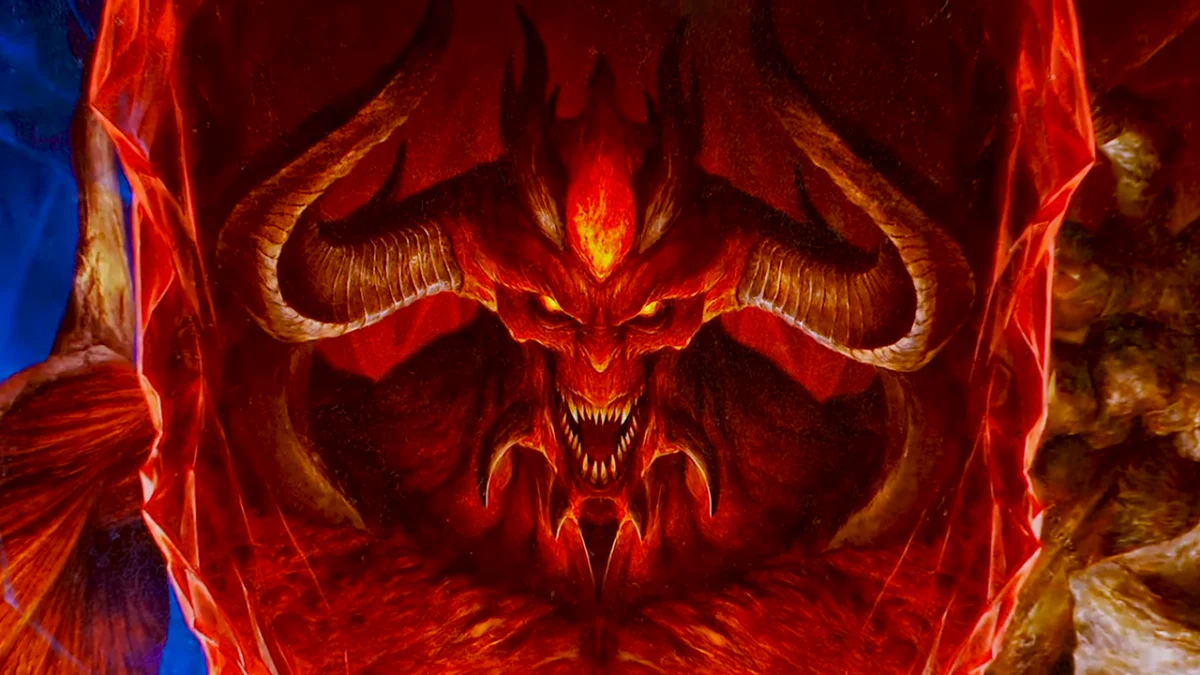
In a stunning revelation at this year’s BlizzCon, Blizzard Entertainment shattered expectations by unveiling the next mainline installment in its flagship action-RPG franchise: Diablo 5. While the gaming community had largely settled into the rhythm of Diablo 4’s live-service model, expecting a multi-year roadmap of seasonal content and iterative expansions, the announcement of a full-scale sequel set for a Spring 2029 release has sent shockwaves through the industry.
This move marks a significant departure from the development cycles that have historically defined the franchise, promising a return to the series’ roots—not just in gameplay, but in the bleak, uncompromising narrative of a world that has finally lost the war against hell.
A World After the Apocalypse: The Narrative Shift
The most striking element of the Diablo 5 announcement is its temporal placement. The game is set approximately a century after the events of Diablo 4. While previous entries in the series focused on the threat of the Burning Hells encroaching upon the mortal realm of Sanctuary, Diablo 5 posits a terrifying premise: the struggle is over, and the forces of evil have won.
Sanctuary is no longer on the precipice of doom; it is post-apocalyptic. The trailer, though brief, paints a harrowing picture of a world under total demonic occupation. We see landscapes scorched by eternal flame, cities reduced to smoldering husks, and the remnants of humanity reduced to subjugated peasants forced to proselytize for their infernal overlords. Most strikingly, the imagery depicts angels—once the pinnacle of divine power—being subjected to ritualistic crucifixion, signaling the complete collapse of the High Heavens’ influence.
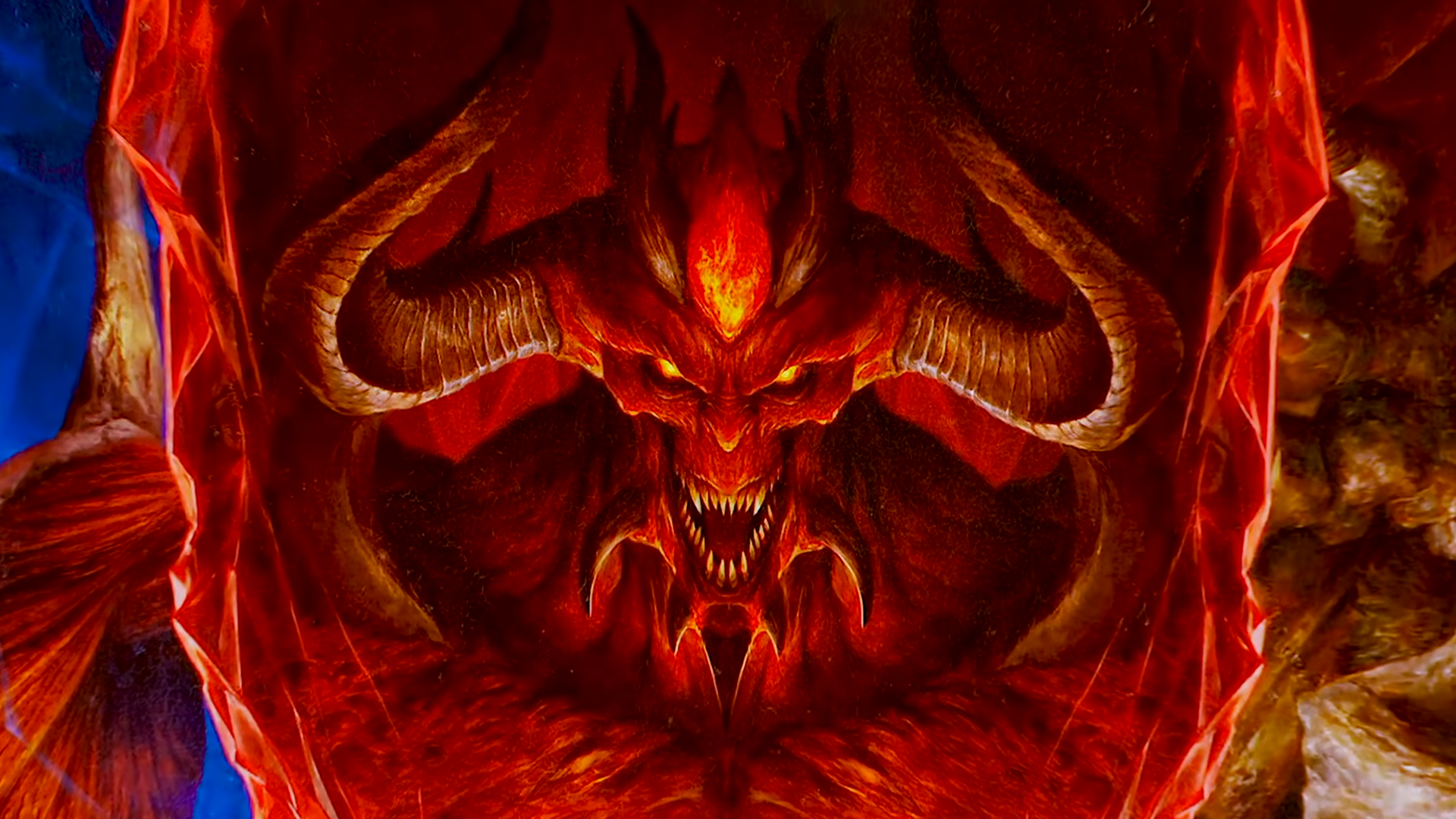
The titular Lord of Terror, Diablo himself, makes a triumphant return. Having been conspicuously absent from the main narrative of Diablo 4, his appearance in the teaser—wreathed in fire and looming over the ruins of the world—suggests that this time, he is not merely a boss to be defeated, but a victor to be reckoned with.
Chronological Context: Breaking the Development Cycle
The announcement of a 2029 release date is perhaps the most debated aspect of the reveal. When one examines the history of the Diablo franchise, the cadence of releases has been notoriously slow, often spanning over a decade between major numbered titles.
- Diablo (1996): The inception of the ARPG genre.
- Diablo 2 (2000): A four-year gap that cemented the series as a global phenomenon.
- Diablo 3 (2012): A staggering 12-year wait, marred by development hell and internal studio shifts.
- Diablo 4 (2023): An 11-year gap following the initial launch of its predecessor.
By targeting a 2029 release, Blizzard is aiming for a six-year turnaround—essentially cutting the historical development time in half. In an era where AAA development cycles are ballooning to seven, eight, or even ten years, this ambition is either a testament to newfound studio efficiency or a risky gamble on aggressive production schedules. Critics and analysts are already questioning whether such a compressed timeline will allow for the depth and polish that the Diablo brand demands.
Supporting Data: The Live Service Conundrum
For many, the surprise of Diablo 5 stems from the success and structural design of Diablo 4. Since its 2023 launch, Diablo 4 has been built as a "platform"—a live-service ecosystem designed to keep players engaged for years through seasonal updates, battle passes, and planned expansions.
The introduction of the Amazon class and the upcoming anniversary celebration—a nostalgic journey through the series’ past—were expected to be the pillars of the next few years. The absence of a new expansion announcement at BlizzCon, contrasted with the reveal of a full sequel, suggests that Blizzard may be pivoting their strategy.
Does this mean the "platform" model is failing to meet long-term revenue projections, or has Blizzard decided that the core engine and thematic scope of Diablo 4 are insufficient to support the narrative ambitions of the Diablo 5 setting? The player base remains divided. Many fans of the Diablo experience prefer the "one-and-done" narrative integrity of a full release over the endless grind of a live-service treadmill. However, for those who have invested thousands of hours and dollars into their Diablo 4 characters, the prospect of a "hard reset" in 2029 feels premature.
Official Responses and Studio Direction
While Blizzard has been tight-lipped regarding the specific mechanics of Diablo 5, the atmosphere at BlizzCon was one of bold reinvention. During the keynote, leadership emphasized that Diablo 5 is being built from the ground up to reflect a "world without hope."
Regarding Diablo 4, the company remains committed to its support, though the lack of an expansion announcement suggests that the internal resources at Blizzard have already begun a massive shift toward the 2029 project. The upcoming season, which focuses on the franchise’s legacy, is being framed by some observers as a "closing of the book" for the current era of Diablo content, clearing the stage for the dark new world that Diablo 5 will inhabit.
Implications for the Future of ARPGs
The decision to announce a sequel this far in advance carries significant weight for the industry at large.
1. The Death of the Long-Tail Live Service?
If Blizzard moves away from the "platform" model of Diablo 4 after only a few years, it could signal a broader industry trend where players are becoming fatigued by perpetual seasonal models. We may see a return to the "sequel-first" model, where developers focus on delivering a complete, high-impact narrative experience rather than an ongoing, evolving game-as-a-service.
2. The Narrative Stakes
By moving the story 100 years into the future, Blizzard has effectively wiped the slate clean. This allows the developers to introduce new systems, new classes, and a completely different visual identity without being tethered to the existing lore or the characters of the current game. It is a bold "reboot-within-the-series" that gives the writers total creative freedom.
3. Community Response and Expectations
The player response to this news has been a mixture of euphoria and skepticism. The hardcore fan base, which grew up with the dark, gothic atmosphere of the original Diablo and Diablo 2, seems largely energized by the return to a "fully apocalypted" Sanctuary. However, the casual audience—many of whom joined the franchise via the more accessible Diablo 4—may find the prospect of starting over in five years daunting.
As we look toward 2029, the gaming world will be watching Blizzard closely. The company has a massive reputation to uphold. If Diablo 5 succeeds, it will be hailed as the most ambitious pivot in the history of the genre. If it falters, it may serve as a cautionary tale about the dangers of abandoning a live-service foundation too early in favor of a sequel that the market wasn’t yet ready for.
For now, the message from the ashes of Sanctuary is clear: The Lord of Terror has returned, and the countdown to the final end of humanity has begun. Whether players are ready to face that darkness in 2029 remains the defining question of the next half-decade.

