

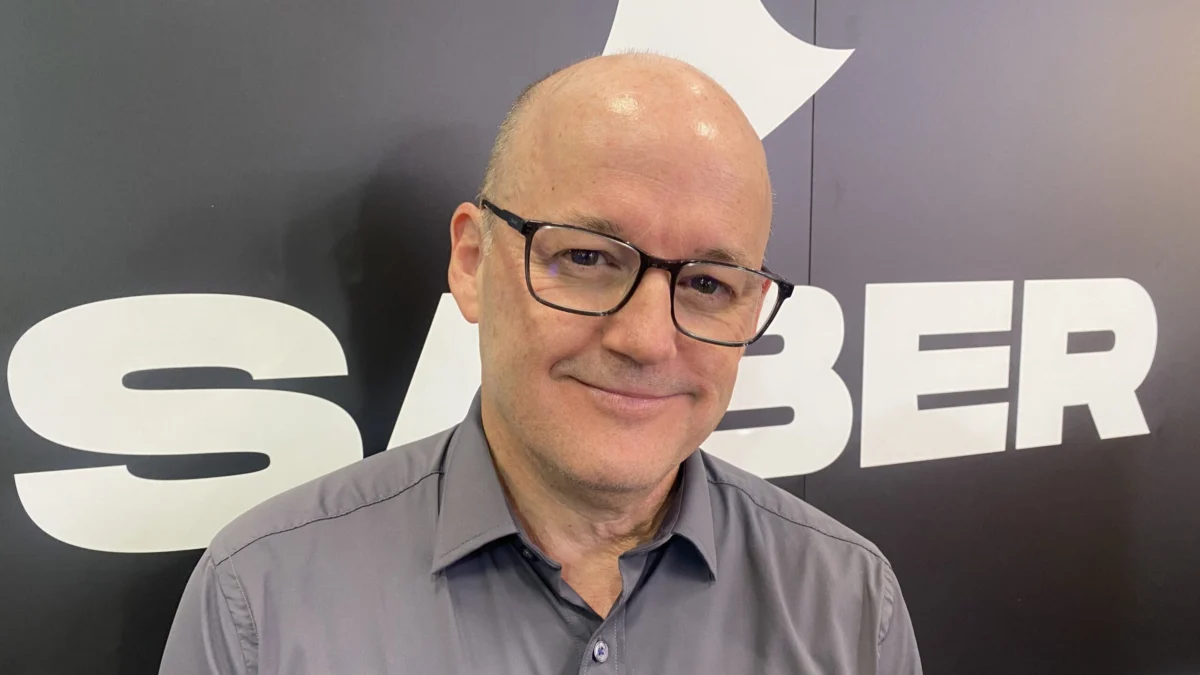
In an industry currently grappling with the "great reset"—a period defined by mass layoffs, ballooning budgets, and a frantic search for the next sustainable business model—Saber Interactive has emerged as an unlikely beacon of stability. Having recently completed a high-profile separation from the Embracer Group in a $247 million deal, the developer-publisher is proving that success in modern gaming doesn’t necessarily require a $200 million budget or a thousand-person studio in California.
Led by Chief Creative Officer Tim Willits, Saber Interactive is currently operating as a global, decentralized powerhouse. With 3,500 employees spread across 15 studios in regions ranging from Serbia and Georgia to Australia and Portugal, the company has effectively decentralized its development pipeline. As Willits famously noted, "the sun no longer sets on Saber development."
A Pragmatic Approach to Emerging Tech
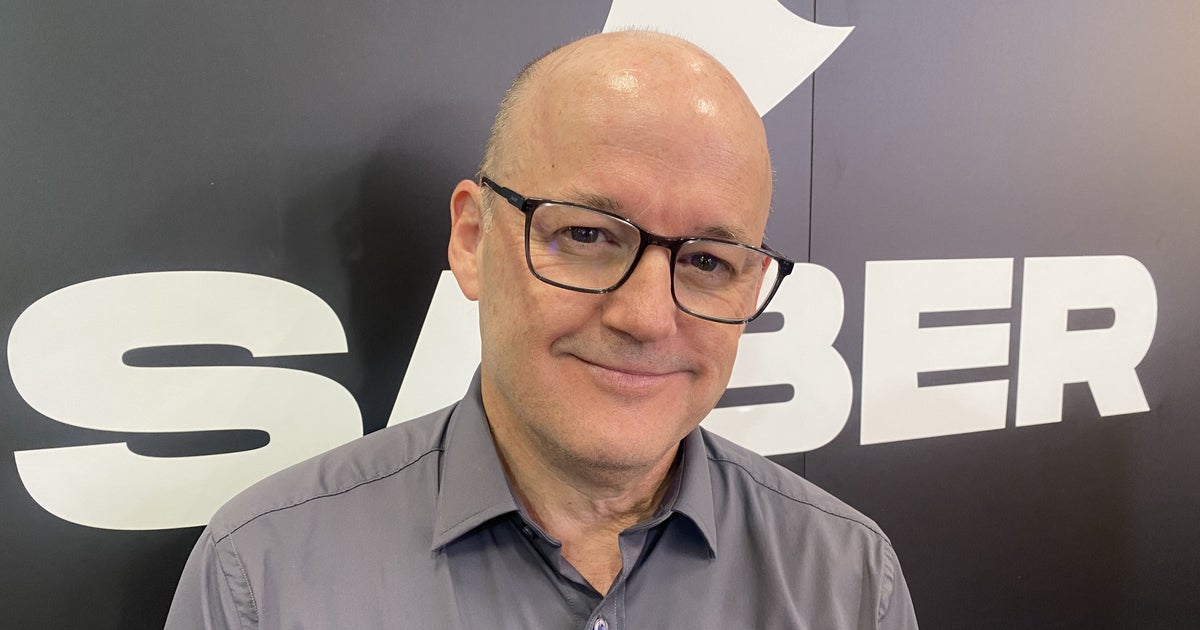
The conversation surrounding Saber in recent months was ignited by CEO Matthew Karch’s blunt, sarcastic dismissal of rumors that the studio was replacing writers with artificial intelligence. In a candid interview at Gamescom, Willits clarified the studio’s stance: AI is an experimental tool, not a replacement for human creativity.
"That’s just Matt’s sarcasm," Willits laughs, setting the record straight. "The important thing is that we’ve never replaced anybody with AI. That’s crazy."

While the studio eschews generative AI for core production tasks like coding, environment building, or texturing, they are testing the waters. In their recent title Rideshare Stimulator, Saber experimented with an AI-driven mode for passenger missions. However, Willits is quick to emphasize that the game’s narrative and side missions were exclusively human-authored.
For Willits, the technology represents a personal bridge for designers. "I always wished I could draw; I felt I would have been a better designer if I could. If I have a vision in my head, AI is a way to get it out." He anticipates that by next year’s Gamescom, the industry will have moved past the "is this good?" phase and into a period where developers find "clever and brilliant" ways to integrate AI into their workflows. Until then, Saber maintains a strict boundary between experimentation and production.

The Geography of Innovation
One of the most striking aspects of Saber’s evolution is its total migration away from North American development hubs. While the company maintains a Florida headquarters and a U.S.-based publishing team, the actual "heavy lifting" of game creation happens exclusively abroad.
This strategy aligns with the broader industry trend of shifting headcount from high-cost markets like California to regions with lower overhead but equally high talent density. Willits dismisses the notion that a studio needs to be in a major Western tech hub to produce world-class software. "We are not afraid of any territories," he explains. "Some publishers are afraid to work in territories they don’t understand, but we’re like: let’s go, let’s find some people that are talented, let’s give them what they need, and let’s make awesomeness."

By ignoring the geographic silos that plague traditional publishers, Saber has fostered a flexible, mobile workforce. Their structure allows them to move teams across projects as needs fluctuate, preventing the stagnation often seen in studios where developers are "married" to a single project for years at a time.
Financial Discipline: The "Bread and Butter" Strategy
If there is a single mantra at Saber Interactive, it is fiscal discipline. Willits is highly critical of the "siloed" approach favored by traditional publishers, who often bet their entire fiscal year on a single, massive project.

Saber’s portfolio is instead a tiered ecosystem:
- Tentpole Releases: High-profile titles like Jurassic Park: Survival, John Wick, and Turok: Origins.
- Bread and Butter: Remasters of legacy titles such as Hitman, Tomb Raider, and Halo. These provide consistent, predictable revenue streams.
- Smaller Bets: Innovative, niche titles like Docked or Bus Bound, which allow for lower-risk creative experimentation.
This "slate financing" model—borrowed from the film industry—ensures that even if one project underperforms, the company remains stable. The math, according to Willits, is undeniable. He points to SnowRunner, a title that generated hundreds of millions in revenue, which cost the company a mere $6 million to develop.

"If it takes a big studio five years to make a game, that’s 60 months of burn rate," Willits explains. "At $2 million a month, that’s $120 million in salaries alone. Then you add marketing, and you need to sell a buttload just to break even. I can just see the wasted money. I can see dollars falling out of the monitor."
By contrast, Warhammer 40,000: Space Marine 2—a massive commercial and critical success—cost roughly one-third of what a typical major North American studio would spend on a similar-scale project.

The Art of the Partnership
Saber Interactive has positioned itself as the "go-to" partner for major IP holders. Whether working with Paramount, Universal, Lionsgate, or Disney, Saber operates on a philosophy of respect for the source material.
Their process is deeply collaborative. When working on a game like Hellraiser: Revival, they prioritize fan expectations over "innovative" mechanics that might alienate the base. "If we made [Hellraiser] a roguelike, it would be terrible," Willits notes.

This respect extends to their collaboration with other developers, such as their work with IO Interactive on the Hitman remasters. Rather than just polishing textures, they look for ways to subtly improve the player experience, provided it aligns with the original vision. This reputation for reliability has opened doors that are closed to other studios; the John Wick project, for instance, came directly from their positive past experience working with Lionsgate on Evil Dead: The Game.
Implications for the Future of AAA
Willits believes the industry is at a crossroads. The trend of "betting the farm" on singular, massive projects is unsustainable. He argues that the future belongs to studios that can maintain a nimble, mid-sized footprint—what many call the "AA" model, though Willits finds the term limiting given the massive reach of games like World War Z.

"You can make a great game with a handful of people, and you need to be smart about where you make your game," he asserts.
As Saber moves forward, their model—a combination of diverse IP, global distribution, and extreme fiscal caution—serves as a blueprint for others. They are proof that a studio doesn’t need to sacrifice its culture or its creativity to survive the industry’s volatility. By building a culture where developers can jump between a massive John Wick title and a niche simulator like MudRunner, Saber has created an environment that is as resilient as it is productive.

For the rest of the gaming world, the message is clear: stop the bloat, diversify the portfolio, and, above all, respect the player’s intelligence. As Willits puts it, "We’re making video games. This is the best job in the world. If somebody has a cool idea, let’s hear it."
In a year where the industry has been defined by caution and contraction, Saber Interactive’s expansion—powered by a global, flexible, and financially disciplined engine—suggests that they aren’t just surviving the reset; they are leading the way toward a new, more sustainable reality.

