

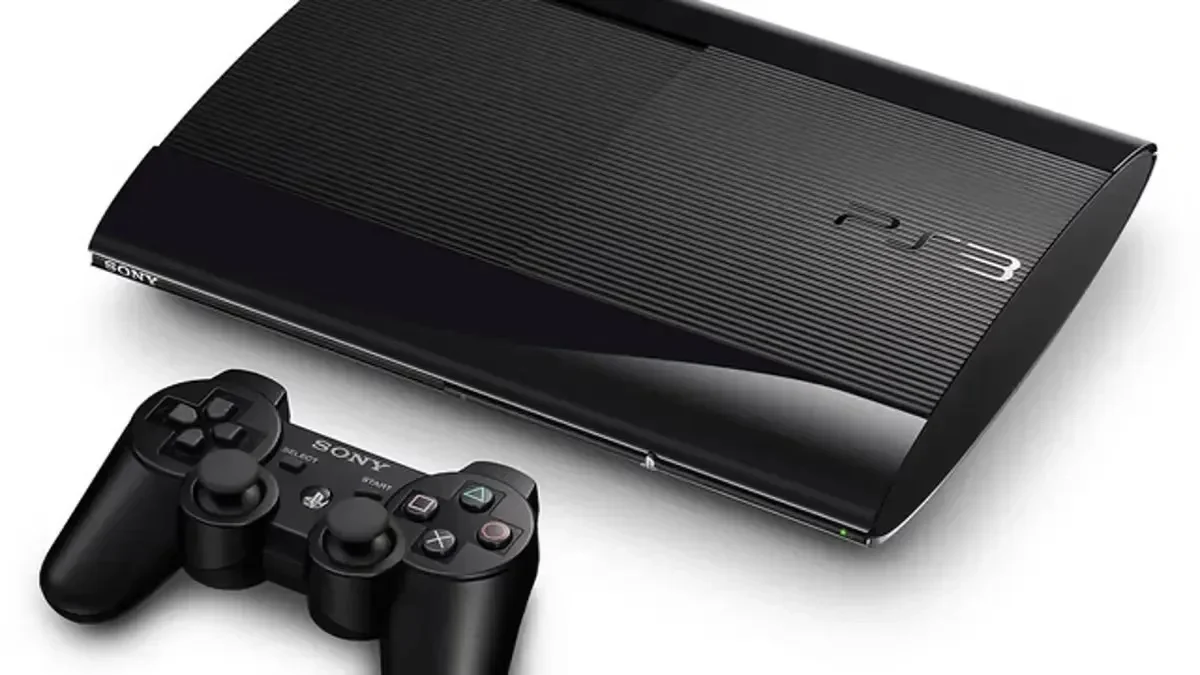
The digital landscape of gaming is shifting once again, and for fans of legacy hardware, the news is bittersweet. Sony Interactive Entertainment has confirmed that the PlayStation Store for the PlayStation 3 and PlayStation Vita will be shutting down permanently across all regions by July 2027. This closure marks the conclusion of a significant chapter in interactive entertainment, effectively sunsetting the storefronts that defined the high-definition console transition and the golden age of handheld gaming.
As the countdown begins, the gaming community has mobilized. Recognizing the urgency of the situation, players are now scrambling to secure digital libraries, focusing specifically on titles that offer cross-buy functionality with modern platforms like the PlayStation 4 and PlayStation 5.
Main Facts: The Sunset of Legacy Storefronts
The decision to close the PS3 and PS Vita storefronts is not merely a corporate caprice; it is a technical necessity driven by the evolution of digital commerce. By July 2027, users will no longer be able to purchase new digital games, download content, or make in-game purchases on these devices.
While the ability to redownload previously purchased content is expected to persist for some time after the store closure, the primary concern for the community is the permanent loss of access to games that have not yet been ported or remastered for current-gen hardware. The core of this issue lies in the "Cross-Buy" ecosystem—a program introduced during the PS3/PS4 transition that allowed users to purchase a title once and gain access to it across multiple Sony consoles.
Chronology: A Timeline of the PlayStation Legacy
To understand the weight of this closure, one must look at the historical trajectory of these platforms:
- November 2006: The PlayStation 3 launches, introducing the PlayStation Store and ushering in the era of digital distribution for home consoles.
- December 2011: The PlayStation Vita is released in Japan (February 2012 in the West), promising console-quality gaming on the go and deepening the integration of the PlayStation Network.
- 2013–2014: The introduction of the "Cross-Buy" initiative bridges the gap between PS3, PS Vita, and the newly launched PS4, allowing for unified digital libraries.
- March 2021: Sony initially announces plans to close the stores, only to reverse the decision following massive community backlash, extending the life of the storefronts for several years.
- July 2026: The finalized announcement confirms the permanent closure of the PS3 and PS Vita stores by July 2027.
This timeline reflects a transition from early digital experimentation to the robust, subscription-heavy model of today’s PlayStation Plus. The 2027 date serves as the hard cutoff point, representing over two decades of digital infrastructure reaching its logical, if painful, end.
Supporting Data: Curating the "Must-Buy" List
In anticipation of the closure, the community on platforms like Reddit has taken on the role of digital archivists. User Ok_Illustrator_2778 has gained traction for compiling an exhaustive list of titles that remain vital due to their cross-platform utility.
The Value of Cross-Buy and Backwards Compatibility
The primary strategy for players is to identify "Cross-Buy" games. If a user purchases a specific title on the PS3 or PS Vita storefront, they are often granted a license for the PS4 version. Because the PS5 features extensive backwards compatibility with the PS4 library, these purchases effectively "future-proof" the games, ensuring they remain playable long after the PS3 hardware itself might fail.
Categories of Essential Acquisitions:
- PS1/PSP Classics: Many titles originally released on the PSP or as PS1 Classics carry over to modern consoles. Purchasing these now ensures they are linked to the user’s PlayStation account permanently.
- Indie Masterpieces: A large portion of the indie library during the PS3/Vita era supported Cross-Buy. Games like Hotline Miami, Spelunky, and FEZ remain highly relevant and are often cheaper on legacy stores or frequently bundled.
- Cross-Gen RPGs: Several Japanese RPGs and niche titles offer dual-platform support. Securing these ensures that the player retains access to the "definitive" version of these games on modern hardware.
Official Responses: Sony’s Perspective
The transition is framed by Sony as a technical inevitability. In a formal statement addressing the decision, a representative for Sony Interactive Entertainment explained:
"As the PlayStation Store continues to evolve to support modern commerce systems, including updated payment processing standards, PS3 and PS Vita are no longer able to support these updates at the level required. We know this news may be disappointing to PS3 and PS Vita players who hold a special place in their hearts for this generation of gaming. PS3 and PS Vita represent an important era in our PlayStation history, so this was not an easy decision for us to make."
This statement highlights the friction between "modern commerce systems"—which include complex security protocols and encryption standards—and the aging firmware of the PS3 and Vita. The hardware, while beloved, lacks the architectural flexibility to integrate with the contemporary PlayStation Store security infrastructure, which is now optimized for the PS5’s high-speed SSDs and cloud-integrated services.
Implications: The Growing Problem of Digital Preservation
The impending closure of the PS3 and PS Vita stores brings the conversation of digital preservation to the forefront of the gaming industry. Unlike physical media, which can be traded, sold, and played indefinitely, digital content is tied to the longevity of a storefront.
The Risk of Digital Erasure
When a store closes, any title that does not have a physical release or a modern re-release risks becoming "lost" to the average consumer. While emulation enthusiasts and collectors have their own methods for preservation, the average player relies on the official storefront. The loss of these stores means that the digital-only library of the PS3/Vita era—which includes hundreds of PS Minis, unique digital-only indie titles, and rare ports—will become inaccessible to new generations of players.
The Responsibility of Publishers
There is a growing call for publishers to ensure that their legacy titles are brought forward. If a game is currently available for purchase on the PS3 store but has no equivalent on the PS4/PS5 store, the publisher has a responsibility to consider re-releasing or porting the title. The "Cross-Buy" mechanism was a great start, but it is not a comprehensive solution for the thousands of titles that do not fall under that umbrella.
Player Agency and Action
For the individual player, the next two years must be treated as a window of opportunity. The following actions are recommended for those looking to preserve their history:
- Audit your library: Check which digital games you own on PS3/Vita that have PS4 versions.
- Prioritize digital-only titles: Focus purchases on games that never received a physical release.
- Secure account credentials: Ensure your PSN account is secure, as the store closure will make account recovery and library management more difficult in the long term.
Conclusion: A Legacy Worth Remembering
The PlayStation 3 and PS Vita were more than just consoles; they were platforms that defined the transition into the modern digital age of gaming. The PS3 was a multimedia powerhouse that pushed high-definition gaming into the mainstream, while the PS Vita was an ambitious, powerful handheld that showcased the potential of portable gaming.
While the closure of their storefronts is a necessary step for Sony to streamline its security and commerce infrastructure, it is a poignant reminder of the fragility of digital media. As we look toward the July 2027 deadline, we are not just witnessing the end of a store; we are acknowledging the importance of the games, the developers, and the players who made these systems a home for years.
Whether you are a collector looking to fill the gaps in your library or a nostalgic gamer wanting to revisit your favorite childhood titles, the time to act is now. The storefront may be closing, but the memories—and the games you secure today—will continue to define the history of PlayStation for years to come.

