

Square Enix has officially pulled back the curtain on Final Fantasy Resonance, the highly anticipated project first teased during the June 2026 Nintendo Direct. Representing a bold fusion of the series’ storied past and its technical future, the game marks a significant milestone as the first mainline-caliber entry to fully embrace the acclaimed HD-2D visual aesthetic. With a confirmed release date of October 22, 2026, for PlayStation 5, Xbox Series X|S, both current and next-generation Nintendo hardware, and PC via Steam, the title is poised to bridge the gap between classic RPG sensibilities and modern high-fidelity production.
Main Facts: A Reimagined Legacy
At its core, Final Fantasy Resonance is an extensive reconstruction of the first season of the popular mobile title Final Fantasy Brave Exvius. However, Square Enix has been quick to emphasize that this is not a mere port or a low-effort remake. The studio has rebuilt the narrative, mechanics, and world-building from the ground up, delivering a scope that dwarfs the original mobile iteration.
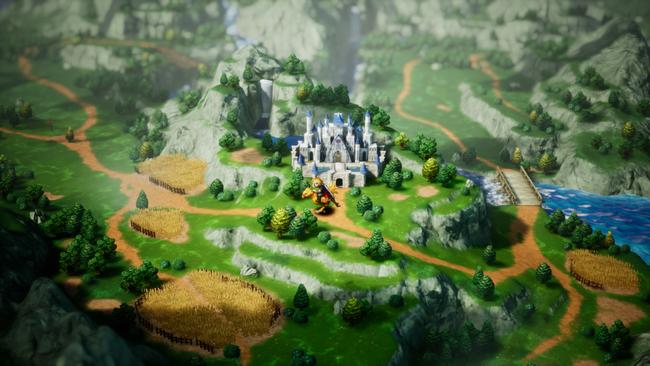
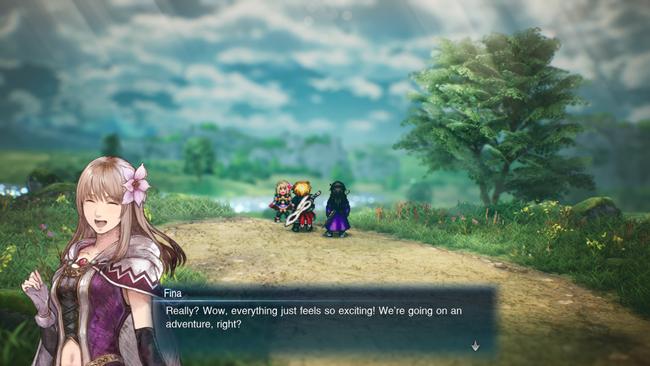
The game is built upon a unique production philosophy: "What if Final Fantasy had continued to push the limits of pixel art?" By utilizing the proprietary HD-2D engine, the developers have crafted a world where 3DCG is rendered through a pixel-art filter, creating an environment that feels both nostalgic and strikingly modern. This visual approach is complemented by a sweeping, newly recorded soundtrack composed and arranged by Elements Garden, led by the renowned Noriyasu Agematsu, which integrates classic themes from the Brave Exvius era with 33 original tracks.
Chronology and Narrative Context
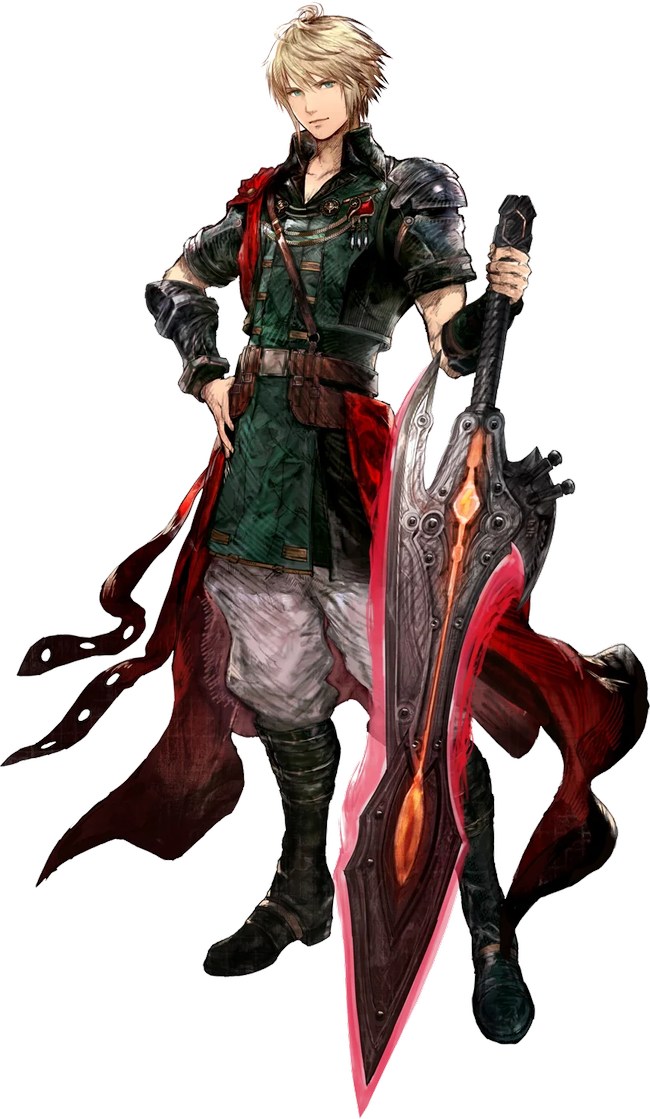
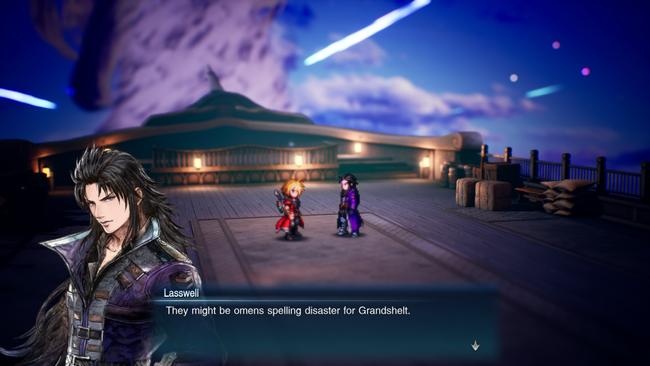
The story of Final Fantasy Resonance unfolds within the Kingdom of Knights, Grandshelt—a realm sustained by the magical power of crystals. The narrative centers on Rain, a highly skilled commander of an airship squadron, and his childhood friend and deputy, Lasswell.
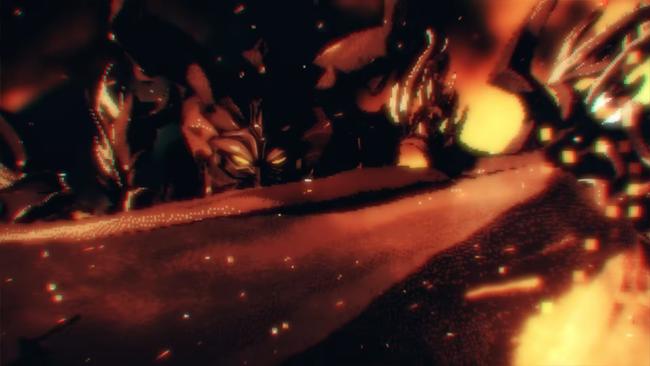
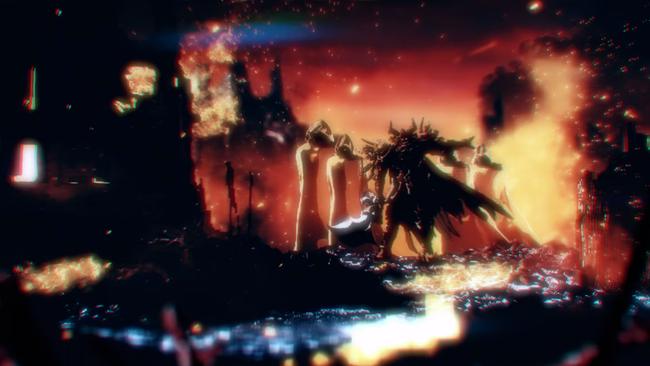
The inciting incident occurs when the duo is dispatched to investigate the Earth Shrine, where the protective magical barriers have begun to fail. Upon reaching the inner sanctum, they encounter a terrifying adversary: a mysterious figure clad in black armor known as Veritas of the Dark. The confrontation is catastrophic; the Earth Crystal is shattered, their airship is destroyed, and the duo suffers a defeat that leaves their comrades lost.
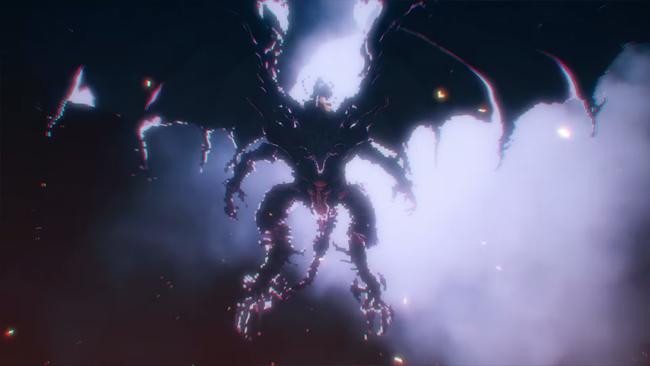
Returning to a besieged Grandshelt, Rain and Lasswell find themselves in a race against time. Joined by Fina—a mysterious, amnesiac girl discovered within the remains of the Earth Crystal—the protagonists embark on a journey across the world to protect the remaining crystals from the relentless pursuit of Veritas of the Dark. As the narrative progresses, players will uncover a "turbulent fate" that suggests the stakes are far higher than the survival of a single kingdom.
Character Profiles and Voice Talent
Square Enix has revealed a robust cast of characters, each brought to life by a dual-language voice cast (English and Japanese) to ensure global appeal.
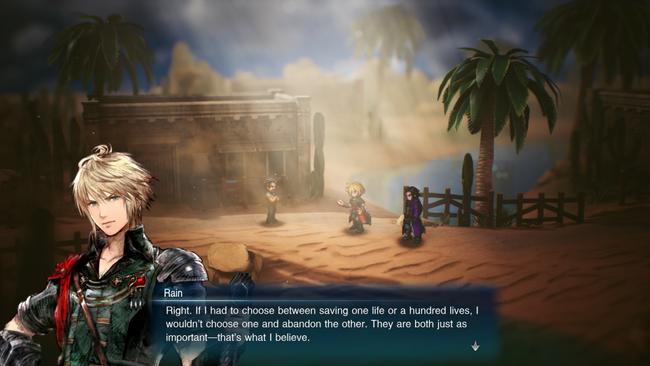
- Rain: Voiced by Clifford Chapin (EN) and Nobuhiko Okamoto (JP), Rain is the primary protagonist. Despite his status as a young commander, he is defined by his earnest nature and a complex emotional history regarding his father, Raegen, who vanished years prior.
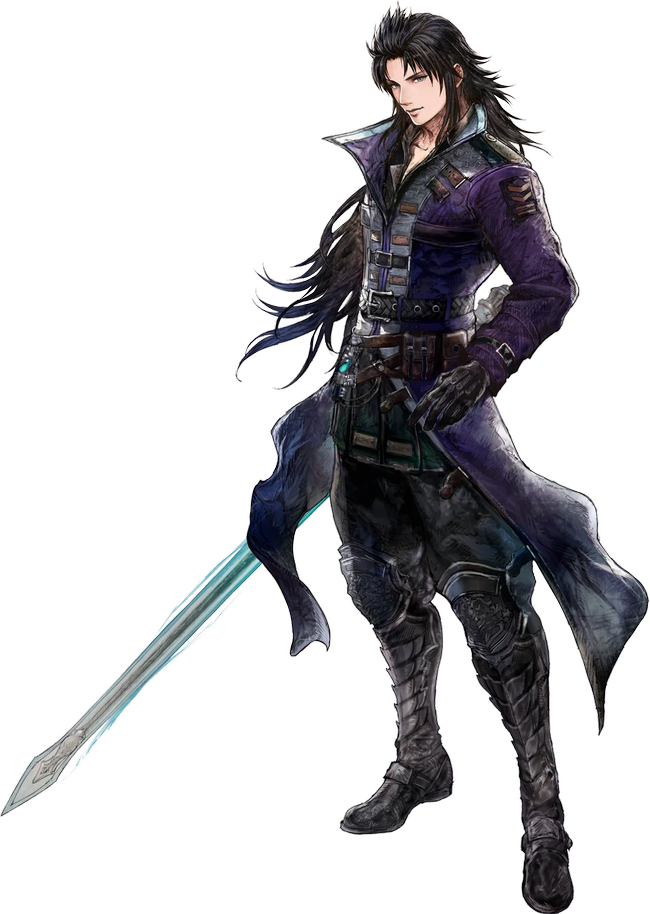
- Lasswell: Voiced by Alejandro Saab (EN) and Yusuke Kobayashi (JP), Lasswell serves as the grounded, disciplined counterpart to Rain. Orphaned early, he was raised by Rain’s family, creating a bond that defines his loyalty and tactical precision.
- Fina: Voiced by Lizzie Freeman (EN) and Akane Fujita (JP), Fina is an enigmatic figure who wields powerful white magic and archery skills. Her ability to communicate with espers remains a central mystery of the plot.
- Veritas of the Dark: Voiced by Ian Sinclair (EN) and Akio Otsuka (JP), this armored antagonist serves as the primary threat, acting with the clear intention of annihilating all Crystals across the world.
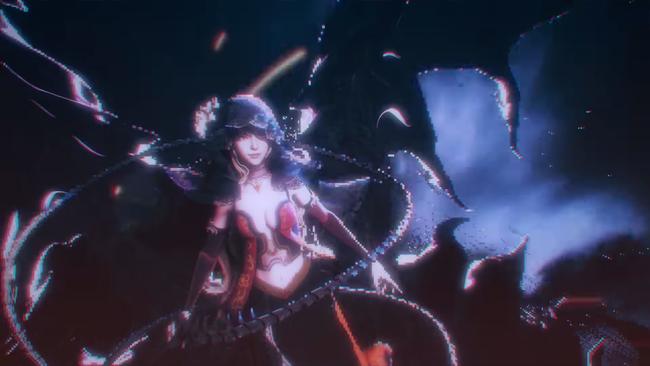
- The Mysterious Woman (Unnamed): Voiced by Corey Pettit (EN) and Inori Minase (JP), she is a powerful mage accompanied by Bahamut. Though she adopts a playful, teasing demeanor, she harbors a deep-seated, unresolved enmity toward Veritas of the Dark.
Supporting Data: Gameplay Systems
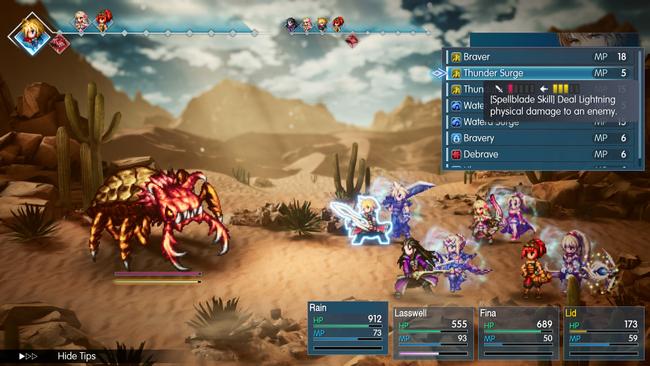
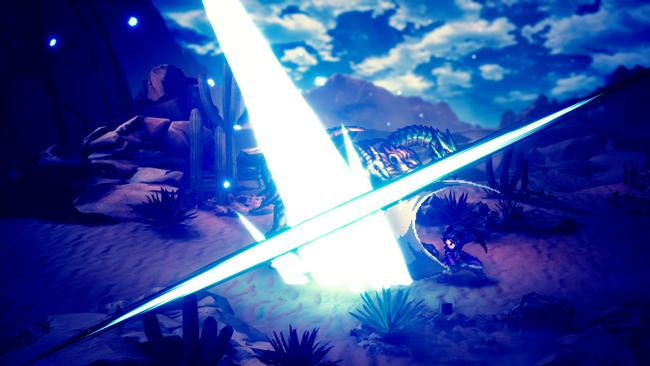
The combat system in Final Fantasy Resonance is described as a "faithful evolution" of classic turn-based mechanics. It centers on a timeline display that reveals the upcoming action order for both allies and enemies. This transparency allows for deep strategic planning, enabling players to prioritize targets or prepare defensive maneuvers for telegraphed enemy attacks.
The Stagger and Vision Systems
A core innovation is the "Stagger Gauge." By exploiting elemental weaknesses, players can deplete this gauge, rendering enemies vulnerable and preventing them from acting. Successful staggers trigger a "Bonus Phase," granting the player an extra turn. If all enemies are staggered simultaneously, a "Sweeping Stagger" is triggered, rewarding the entire party with additional actions.
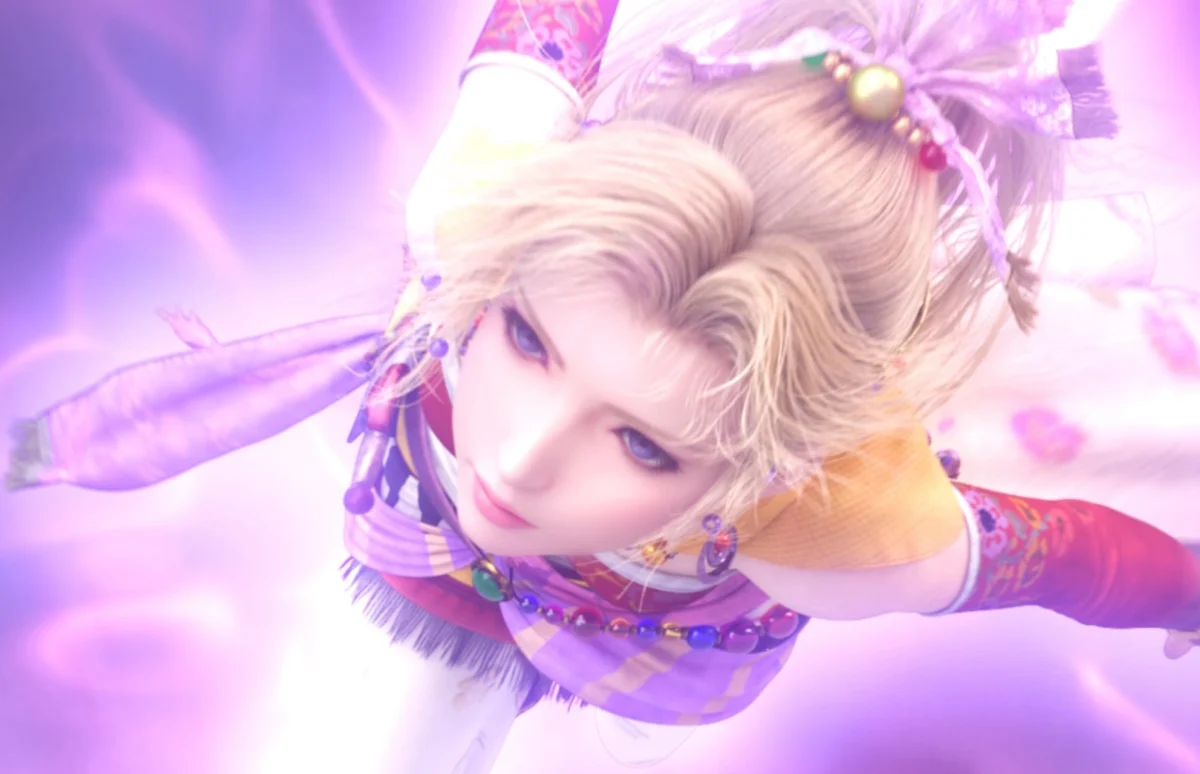
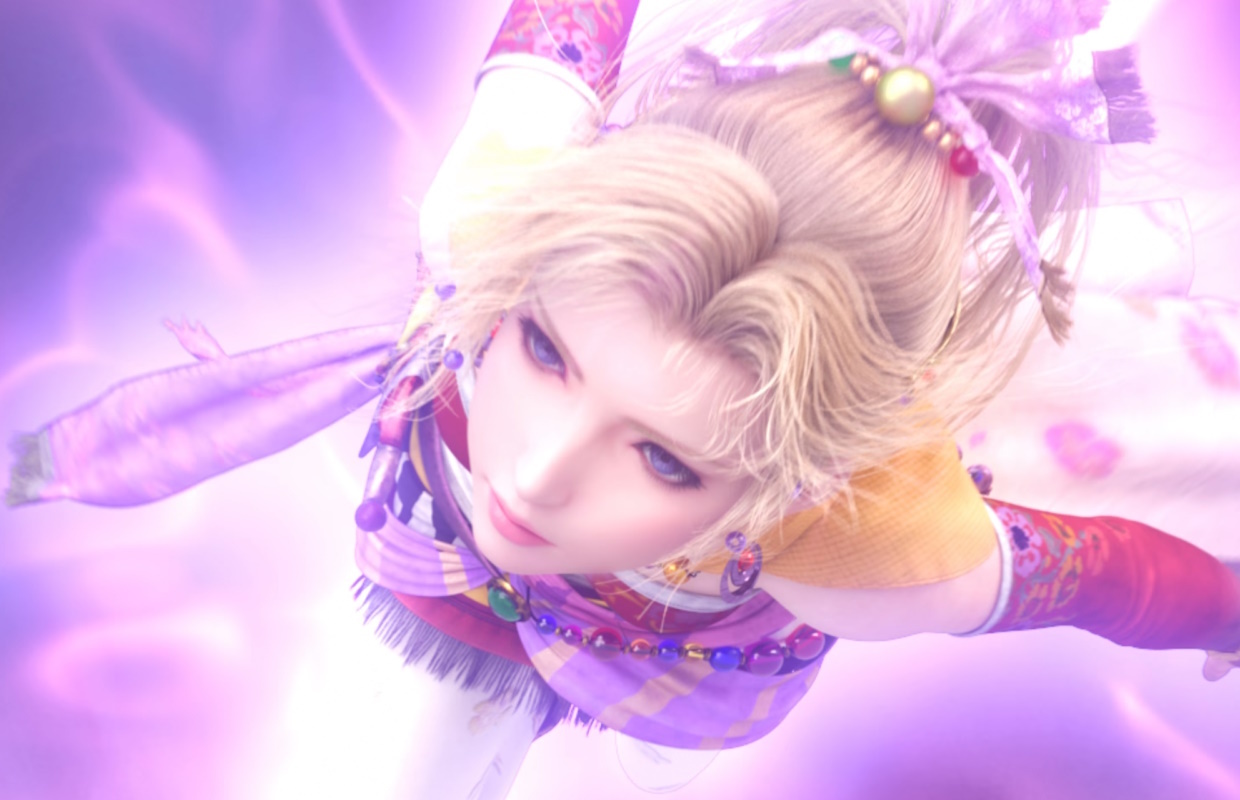
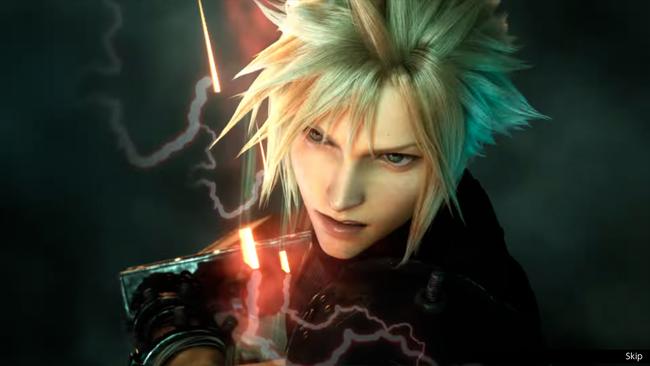
The "Vision" system serves as the primary customization engine. Visions are crystallized essences of legacy Final Fantasy heroes that players can equip to Rain and his party. These provide stat boosts and unlock specific abilities. Players can visit "Vision Crystal Sanctums" to acquire these essences, which include iconic characters like the Warrior of Light, Terra, Cloud Strife, Shantotto, and Y’shtola. Once an ability is learned from a vision, it can be equipped even if a different vision is active, provided it falls within the character’s cost limit. This offers a highly flexible system that functions as a modern, user-friendly take on the classic Final Fantasy job systems.
Exploration and Espers
The game features a fully traversable world map accessible via airship. This allows players to reach previously inaccessible dungeons and uncover secrets that were not part of the initial Brave Exvius story.
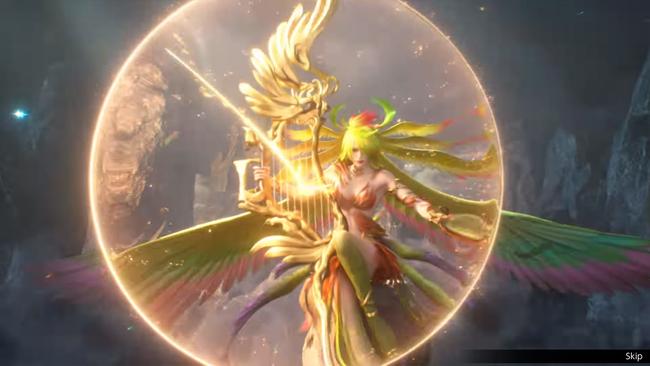
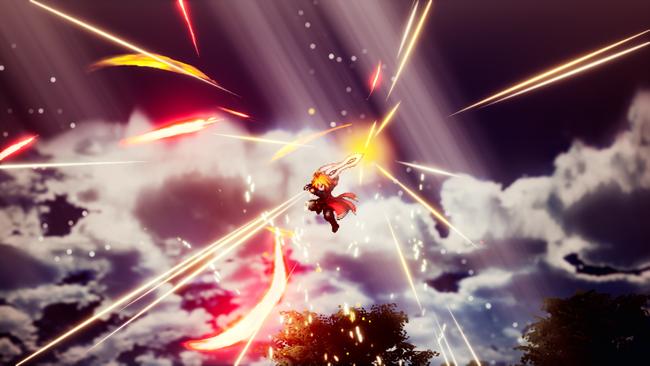
Combat is further bolstered by the Summon system. Espers—such as the wind-affinity Siren and the lightning-wielding Ramuh—can be summoned at the cost of a significant amount of MP. Once summoned, they fight alongside the party for three turns, culminating in a powerful cinematic finishing move.
Official Responses and Developer Intent
Square Enix representatives have framed Final Fantasy Resonance as a tribute to the legacy of the franchise. By adopting the HD-2D style—popularized by titles like Octopath Traveler—the team aims to preserve the "timeless charm" of pixel art while utilizing modern 3DCG production methods to achieve dynamic, realistic lighting and particle effects.
The inclusion of a "Collector’s Edition" ($209.99) exclusive to the Square Enix Store highlights the company’s commitment to long-time fans. This package includes a comprehensive 120-track soundtrack, a custom art book, an acrylic block set, and an exclusive Trading Card Game promotional card. This marketing strategy signals that the game is intended to be a definitive, premium experience rather than a casual mobile-to-console transition.
Implications for the Series
The launch of Final Fantasy Resonance carries significant implications for the future of the franchise. First, it demonstrates that Square Enix is willing to leverage its mobile history to fill gaps in its console release schedule with high-quality, mid-tier titles that do not necessarily require the gargantuan budgets of the Final Fantasy VII remake project.
Second, the success of the HD-2D visual style in this context could set a precedent for future remakes of classic Final Fantasy titles (such as Final Fantasy VI). If Resonance performs well, it may provide the blueprint for how the company handles its back catalog of 2D RPGs.

Finally, the focus on "Legacy Heroes" suggests that Square Enix is leaning into the "Multiverse" concept that has permeated recent entries in the series. By allowing players to summon characters from across the franchise’s history into the narrative of Brave Exvius, the game creates a communal space for fans of all generations, reinforcing the brand’s identity as a shared history of epic tales.
As October 22, 2026, approaches, the gaming community remains focused on how Final Fantasy Resonance will balance the mechanical complexity of its combat systems with the narrative emotional weight promised by the character-focused side quests. With its combination of a rich soundtrack, a tactical, turn-based battle engine, and a visually arresting aesthetic, Final Fantasy Resonance is positioned to be a standout title in the 2026 calendar year.

