


For nearly three decades, the purple protagonist Spyro the Dragon has occupied a hallowed place in the pantheon of platforming icons. While modern audiences have been well-served by the Spyro Reignited Trilogy—a stunning ground-up graphical overhaul developed by Toys for Bob—a significant portion of the fan base has long yearned for something different: a native, high-fidelity experience of the original 1998 PlayStation classic.
While that dream has remained elusive for years, the landscape of retro-gaming is shifting. Through a monumental feat of reverse engineering, fans are on the verge of delivering what Activision never did: a native PC port of the original Spyro the Dragon.
The Genesis of a Fan-Made Miracle
The news broke in late June 2026, when renowned Spyro speedrunner and community expert Lumilaura shared a video on social media platform X. The clip featured the unmistakable sights and sounds of the original Spyro the Dragon running natively on a Windows 11 machine.
"You’re not dreaming," Lumilaura stated, confirming that the footage was not an emulation, but a genuine PC port facilitated by a "decomp + recomp" hybrid engine. The project, spearheaded by developers Amec and tyscorp, utilizes the OpenPETE framework, a specialized toolset designed to bridge the gap between 32-bit console architecture and modern x86 PC hardware.
The project is the culmination of a broader initiative titled the "Spyro 1 Decompilation Project," managed by The Moby Collective. This collective has been meticulously dismantling the game’s original binary code over the past year. As of the most recent status update, the project has achieved a remarkable 88% completion rate regarding the game’s functions, with 58% of the total byte count successfully converted into clean, readable source code.
Chronology of a Classic’s Evolution
To understand the magnitude of this achievement, one must look at the history of Spyro on non-console hardware:
- 1998: Spyro the Dragon is released exclusively for the Sony PlayStation, becoming a landmark title for the console’s early lifecycle.
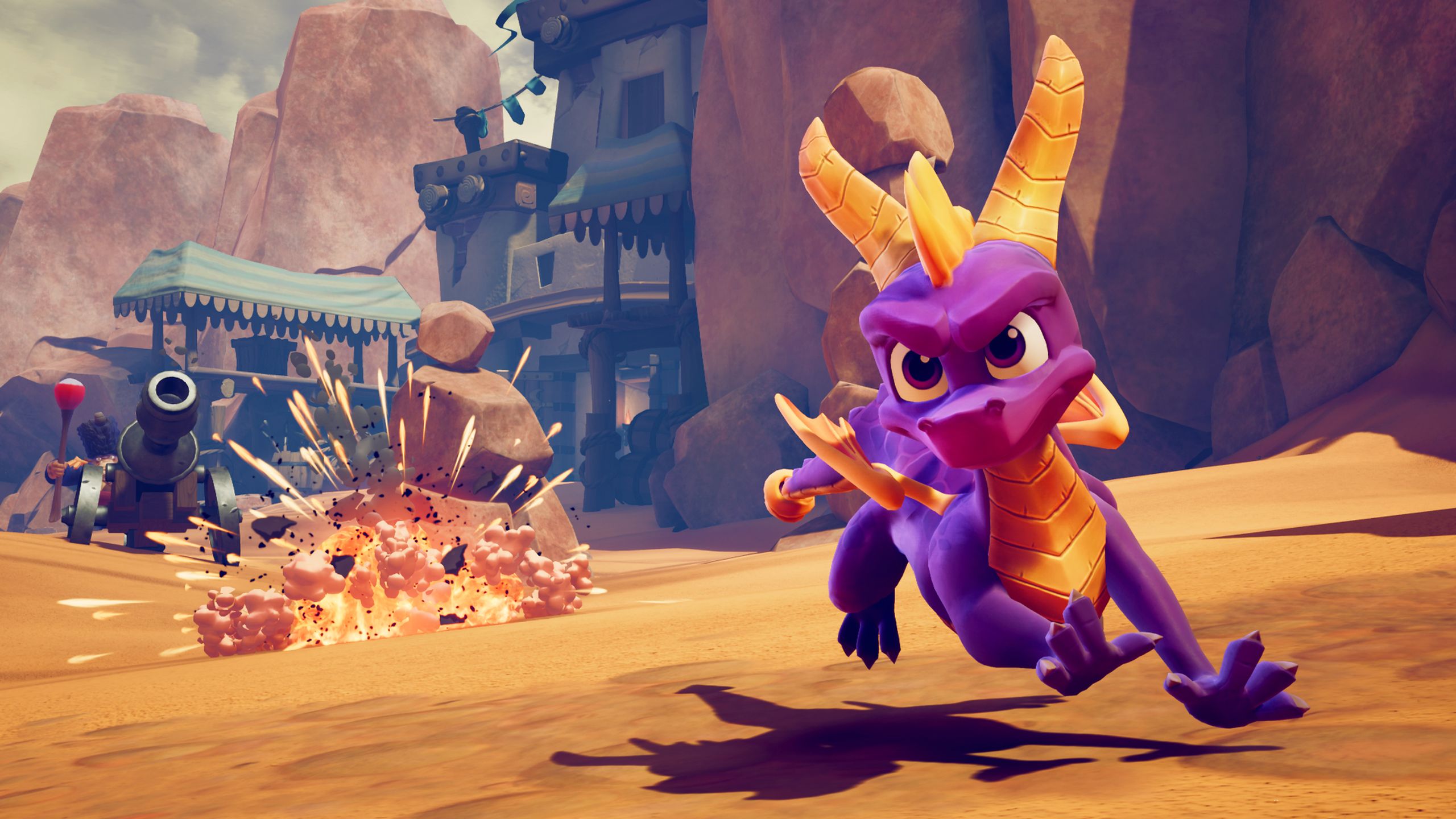
- 2018: Activision releases the Spyro Reignited Trilogy, bringing the first three games to modern consoles and PC. While critically acclaimed for its visuals, purists note that the physics and "feel" differ from the original PS1 software.
- 2025: The Moby Collective formally launches the Spyro 1 decompilation project, inviting community contributors to assist in mapping the game’s original logic.
- June 2026: Amec and tyscorp demonstrate the first working "OpenPETE" build of the game on Windows, showcasing 60FPS support and true widescreen capabilities.
- 2027 (Anticipated): Official release of Spyro: A Realm Beyond, the first brand-new entry in the series in two decades.
The timeline suggests a fascinating intersection. As the industry prepares for a major, big-budget return to the franchise, a grassroots movement is simultaneously preserving the heritage of the original experience, ensuring it remains accessible for generations to come.
Technical Innovations: Beyond Emulation
The allure of a native PC port over a traditional emulator lies in the ability to modernize the experience without compromising the underlying game code. Emulators act as a virtual translation layer, which often introduces input lag or requires immense CPU overhead. A native port, however, runs the game’s logic directly on the hardware.
Key Technical Enhancements:
- High Frame Rate Support: The original game was hard-coded to 30 frames per second (or 25 in PAL regions). The OpenPETE build allows the game to run at 60FPS and beyond, with Lumilaura reporting internal tests reaching 320FPS.
- True Widescreen: Unlike simple aspect-ratio stretching, the port enables a wider field of view, allowing players to see more of the environment as intended by the original designers, rather than cropping the image.
- Texture and Geometry Correction: The port eliminates the infamous "polygon wobble" and "perspective shift" inherent to the PS1’s primitive geometry processing. This results in a crisp, stable image that maintains the aesthetic of the 1998 original without the technical artifacts of the era.
- No AI Assistance: In an era where AI-generated assets are a point of contention in game development, the project leads have explicitly stated that the port is being built manually. This ensures that the original artistic intent remains unadulterated by machine-learning guesswork.
The Challenges of Development
Despite the excitement, the developers are managing expectations. The current build is, by all accounts, a "work in progress." In her correspondence with the community, Lumilaura noted that the current version is plagued by significant visual artifacting, including unexpected camera flashes and unstable motion paths.
"The game is functional, but it is very unfinished," she admitted in a Reddit post. Some of these camera motions have been noted to cause motion sickness, a common side effect when forcing older games to run at frame rates they were never designed to handle. Furthermore, the port is not yet public. The developers are taking the necessary time to refine the code, ensuring that when the project does drop, it offers a stable and enjoyable experience.
Implications for the Industry and Preservation
The emergence of this project highlights a growing trend in the gaming industry: "Community-Led Preservation." With major publishers often hesitant to release source code or maintain legacy titles, fans have taken on the role of digital historians.
Similar projects, such as Super Mario 64 PC ports or the Grand Theft Auto reverse-engineering efforts, have proven that these native builds can revitalize interest in legacy software. For Spyro, this is particularly poignant. While A Realm Beyond aims to push the franchise into the future, the PC port of the original Spyro ensures that the foundation—the "feel" of the glide, the crunch of the gems, and the layout of the Artisan homeworld—remains perfectly intact.
Moreover, the legal and ethical implications are always present. While Activision holds the intellectual property rights to the Spyro franchise, the decompilation community operates in a gray area of software law, usually protected by the fact that they are not distributing copyrighted assets (like music or character models) but rather the "instructions" on how to run them. The project requires the player to own their own copy of the original game to function—a standard practice that helps maintain a respectful distance from piracy.
Looking Ahead: The Future of the Dragon
Will the PC port be released before the arrival of Spyro: A Realm Beyond in 2027? Current momentum suggests it is a distinct possibility. The community is watching closely, with forums on Reddit and Discord buzzing with anticipation.
The existence of this port serves as a testament to the longevity of the PS1 era. It is a reminder that games are not merely disposable products but cultural artifacts worthy of study and maintenance. As we look forward to the next two decades of Spyro games, the ability to play the original—the one that started it all—in a modernized, native format will be the ultimate celebration of a beloved mascot.
For now, the fans wait. They wait for the camera glitches to be smoothed out, for the final functions to be decompiled, and for the day they can finally launch Spyro the Dragon from a desktop icon. In the world of retro gaming, the dragon is not just returning; he is evolving, one line of code at a time.

