

In a significant move for PC gaming enthusiasts and hardware longevity, AMD has officially fulfilled its commitment to bring its advanced FidelityFX Super Resolution (FSR) 4.1 technology to the Radeon RX 7000-series graphics cards. Following a highly publicized accidental leak of the source code last year—an event that paradoxically accelerated community interest and development—AMD has integrated these sophisticated, machine-learning-powered upscaling algorithms into its latest Adrenalin 26.2.2 driver update.
This release marks a pivotal shift in how AMD approaches visual fidelity and performance, positioning its current-generation RDNA 3 hardware to compete more aggressively with the high-quality output traditionally associated with Nvidia’s DLSS suite. As the industry moves toward AI-driven temporal reconstruction, AMD’s latest update represents a massive leap forward from the legacy FSR 3.1 framework.
The Chronology of an Unexpected Launch
The journey to FSR 4.1 has been anything but conventional. The story began in earnest late last year when a premature source code drop on GitHub inadvertently exposed the internal mechanics of AMD’s next-generation upscaling solution. While initially viewed as a security lapse, the leak served as a de facto open invitation for the modding community to analyze the potential of the new libraries.
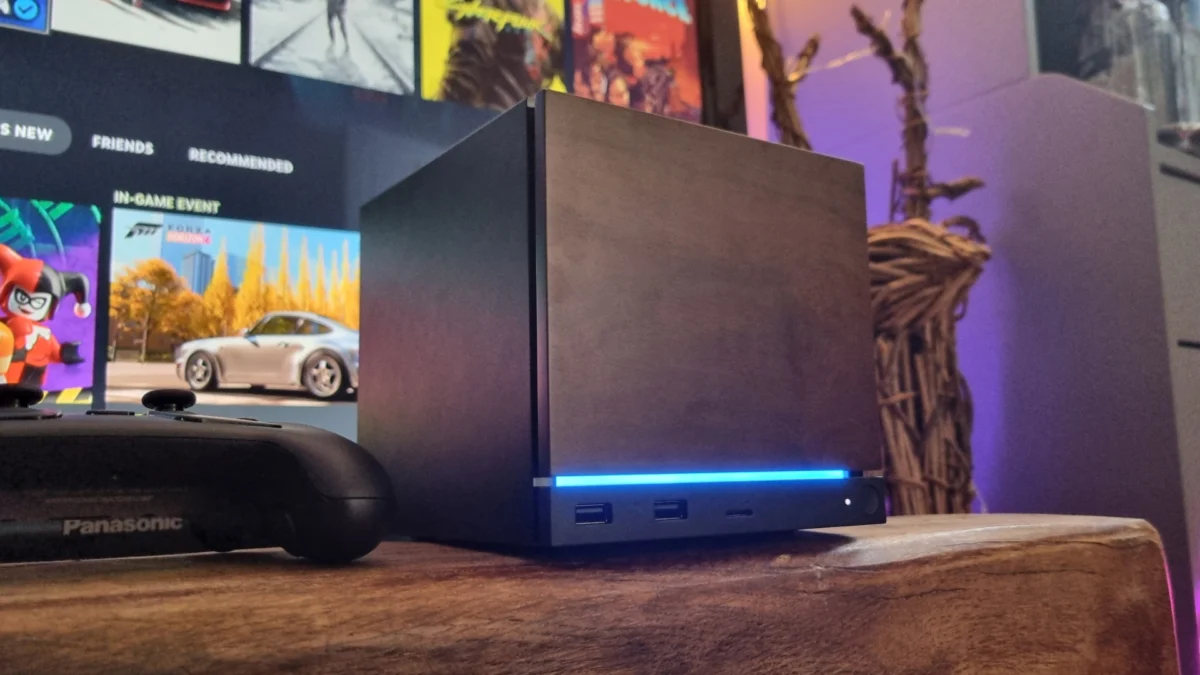
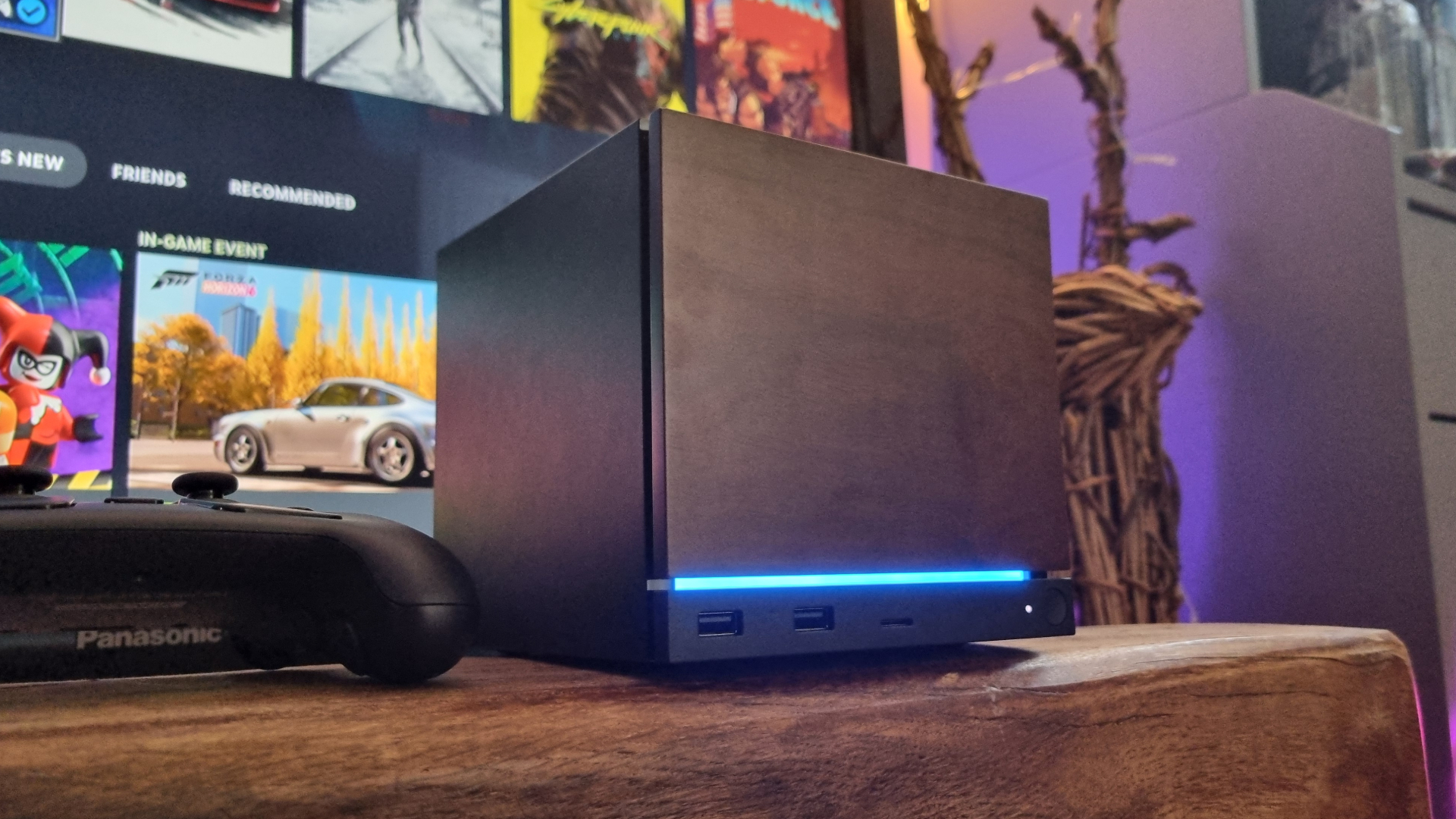
By May, AMD moved to reclaim the narrative, publicly promising that the superior AI-driven algorithms of FSR 4.1 would reach RDNA 3 (RX 7000-series) users by mid-summer. This promise was inextricably linked to broader industry shifts, specifically the highly anticipated release of the new Valve Steam Machine. Industry analysts noted that the specific June rollout was timed to coincide with Valve’s optimization efforts, as Valve has been working closely with AMD to ensure the "small box of power" could leverage these new, efficient AI algorithms to maintain high frame rates at higher resolutions.
True to its roadmap, the launch of the 26.2.2 Adrenalin driver in late June solidified this commitment, making the technology immediately available to users of the RX 7000-series cards.
Technical Breakdown: FSR 4.1 vs. Its Predecessors
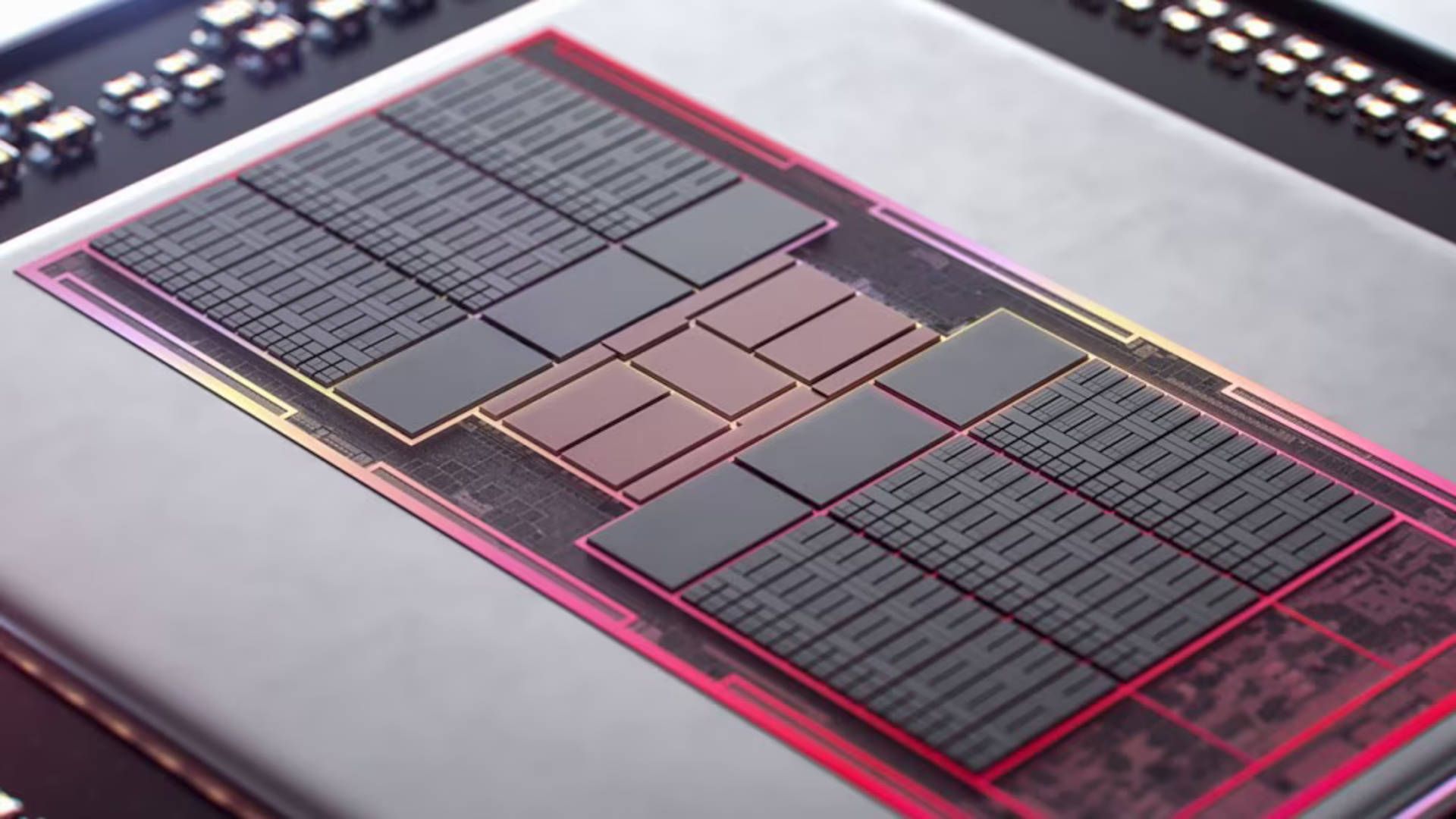
At its core, FSR 4.1 represents a fundamental departure from the spatial and simple temporal upscaling of previous versions. By utilizing more advanced machine learning (ML) models, the algorithm is capable of reconstructing frames with significantly higher temporal stability, drastically reducing the "shimmering" or "ghosting" artifacts that occasionally plagued FSR 3.1.
The Hardware Bottleneck
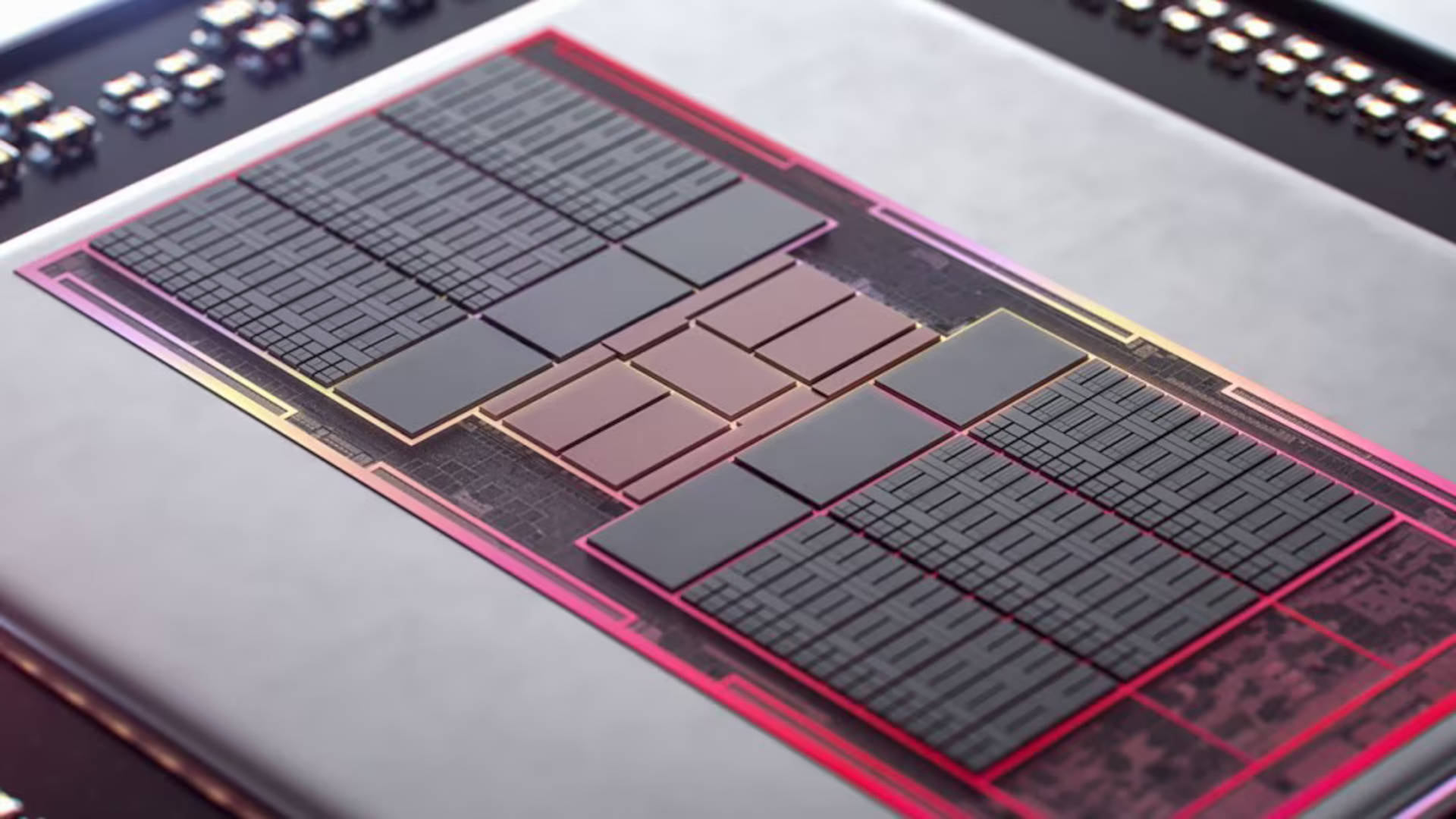
While the inclusion of FSR 4.1 on RDNA 3 is a massive win for current owners, there is a technical caveat. RDNA 3 architecture, while powerful, was not built with the same level of specialized matrix-operation hardware found in the upcoming RDNA 4 (RX 9000-series) chips.
In terms of raw machine-learning throughput, the RX 7000-series is inherently more constrained than its successors. Consequently, while users will see a marked improvement in visual clarity compared to FSR 3.1, the performance-to-fidelity ratio may differ from what will eventually be seen on RDNA 4 cards. Users should expect a balanced experience where the AI model is optimized to provide the best possible image reconstruction without overwhelming the card’s dedicated AI engines.
Implementation and Compatibility
The integration of FSR 4.1 is not a simple "plug-and-play" feature for every title in your library. For games that lack native support for the new 4.1 version, players must enable the override functionality within the AMD Adrenalin software. Crucially, this override relies on the game having a base implementation of FSR 3.1, acting as a foundation upon which the 4.1 ML models can apply their superior reconstruction passes.
Supporting Data and Performance Expectations
Though early benchmark data is still being aggregated, initial reports suggest that FSR 4.1 bridges the gap between AMD’s software-based solutions and Nvidia’s proprietary hardware-accelerated DLSS 4.5.
For users of the Radeon RX 7800 XT, the visual improvements are immediately noticeable in motion-heavy scenarios, such as high-speed combat in Doom: The Dark Ages | Revelations. The upscaling of textures and the reconstruction of fine details—previously a weak point for earlier FSR iterations—now exhibit a sharpness and clarity that feels closer to native 4K resolution.
However, it is important to manage expectations regarding raw frame rate uplift. Because FSR 4.1 is more computationally intensive than its predecessors, the "free" performance gains—while present—are focused more on the quality of the output rather than just the speed of the output. In essence, AMD has prioritized a "DLSS-like" visual experience over the aggressive frame-rate pushing that characterized FSR 2.0.
Official Stance and Future Roadmap
AMD has been surprisingly transparent regarding its long-term support for legacy hardware. While the spotlight is currently on the RX 7000-series, the company has officially confirmed that RDNA 2 (RX 6000-series) users are not being left behind.
In a recent communication, AMD stated that it intends to bring FSR 4.1 to the RX 6000-series platform in 2027. While this may seem like an extended wait, it acknowledges the reality of the current PC hardware market. With the rising costs of flagship components, a significant portion of the player base continues to rely on the venerable RX 6000-series, which remains remarkably capable in modern titles. By committing to this update, AMD is fostering a sense of brand loyalty and hardware longevity that competitors often neglect.
Regarding the Steam Machine, the collaboration between Valve and AMD remains a cornerstone of this release. Valve’s goal is to ensure that their hardware remains relevant in an era where game demands are ballooning. By offloading complex rendering tasks to the FSR 4.1 ML model, Valve aims to maximize the longevity of their compact console, proving that software-level optimizations can often outweigh annual hardware refreshes.
Broader Implications for the GPU Market
The arrival of FSR 4.1 signifies that the "AI War" in the graphics sector has truly begun. For years, Nvidia has held a dominant position due to its exclusive Tensor core hardware and the maturity of DLSS. By effectively closing the visual gap with FSR 4.1, AMD is removing one of the primary reasons consumers felt compelled to switch to the "Green Team."
Impact on Modders and Enthusiasts
The accidental source code leak last year was a blessing in disguise. By forcing AMD to accelerate its development, the company has effectively crowdsourced the refinement process. Enthusiasts have already begun dissecting the FSR 4.1 implementation, providing AMD with telemetry and feedback that would have taken months to gather through traditional internal testing. This synergy between the company and its community is likely to result in faster, more stable iterations of FSR in the future.
The End of the "Upgrade Cycle" Trap?
Perhaps the most significant implication of this update is the potential to extend the life of existing hardware. In a climate where users are increasingly hesitant to spend significant sums on new GPUs every two years, the ability to "patch in" better image quality via drivers is a powerful consumer benefit. If FSR 4.1 can keep an RX 7800 XT competitive for an extra year or two, it fundamentally changes the value proposition of AMD’s entire product stack.
Conclusion
The release of FSR 4.1 for the Radeon RX 7000-series is more than just a driver update; it is a declaration of intent. AMD has demonstrated that it is capable of pivoting its software strategy to meet the demands of modern, AI-heavy rendering techniques. While RDNA 3 hardware may not be the "final form" for this technology, the improvements to visual fidelity are undeniable.
As we look toward the future, the integration of these libraries into a wider array of games will be the true test of FSR 4.1’s dominance. For now, Team Red users have every reason to be optimistic. The future of graphics is not just about raw power; it is about the intelligence of the software that renders the frames we see. And with this update, AMD has firmly signaled that it is playing to win.

