

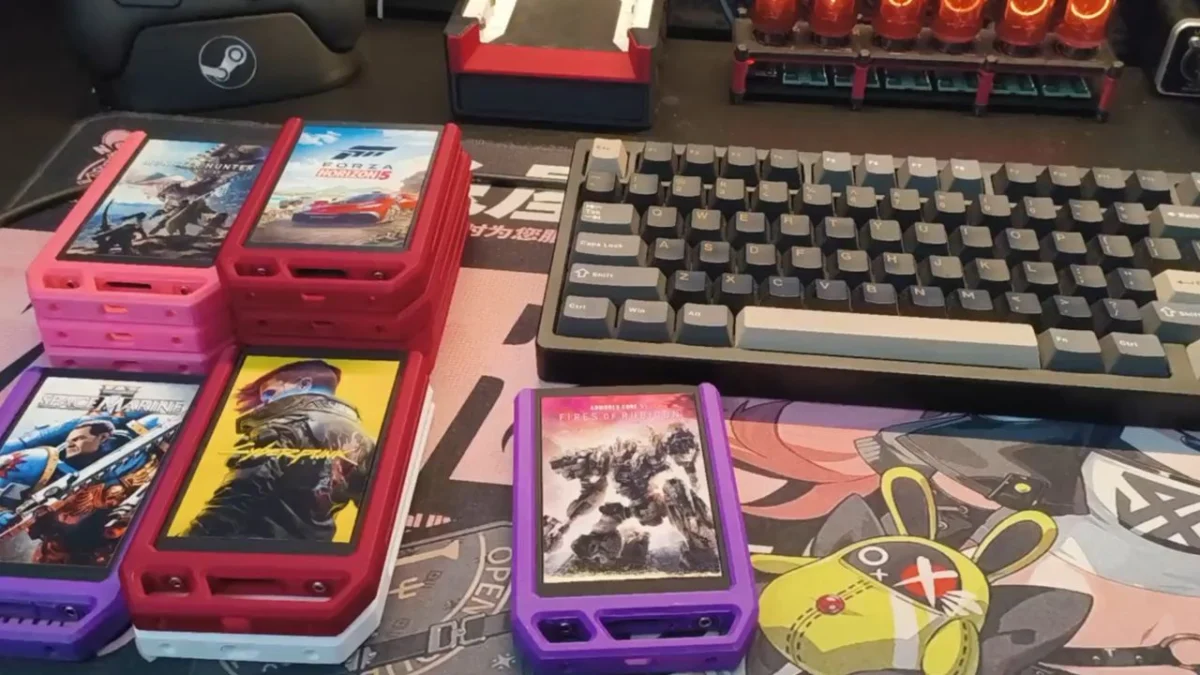
In an era where the "death of physical media" has transitioned from a boardroom prediction to a lived reality, the gaming landscape is undergoing a profound transformation. As major players like Sony signal a potential end to physical disc production for new releases by 2028, and Microsoft leans ever harder into its "all-digital" Xbox ecosystem, a counter-culture of enthusiasts is emerging. Leading this charge is a DIY innovator known as Jibril-sama, whose custom-built Steam game cartridge system has captured the imagination of the global PC gaming community.
By repurposing affordable, second-hand solid-state drives (SSDs) into aesthetic, functional cartridges, Jibril-sama has bridged the gap between the tactile nostalgia of the 1990s and the high-speed demands of modern digital distribution. This project is more than a mere craft exercise; it is a technical statement on the nature of ownership, the psychology of collecting, and the enduring appeal of the physical object in a cloud-based world.
I. Main Facts: The Anatomy of a Steam Cartridge
The project, which went viral on the "PC Master Race" subreddit, centers on the creation of a bespoke hardware interface that treats standard 2.5-inch SATA SSDs as interchangeable game cartridges. Unlike traditional external hard drives, which are often used as "dumb" storage, these cartridges are designed with a specific user experience in mind: plug-and-play functionality that mimics the simplicity of a Nintendo 64 or a Sega Genesis.
The Hardware Composition
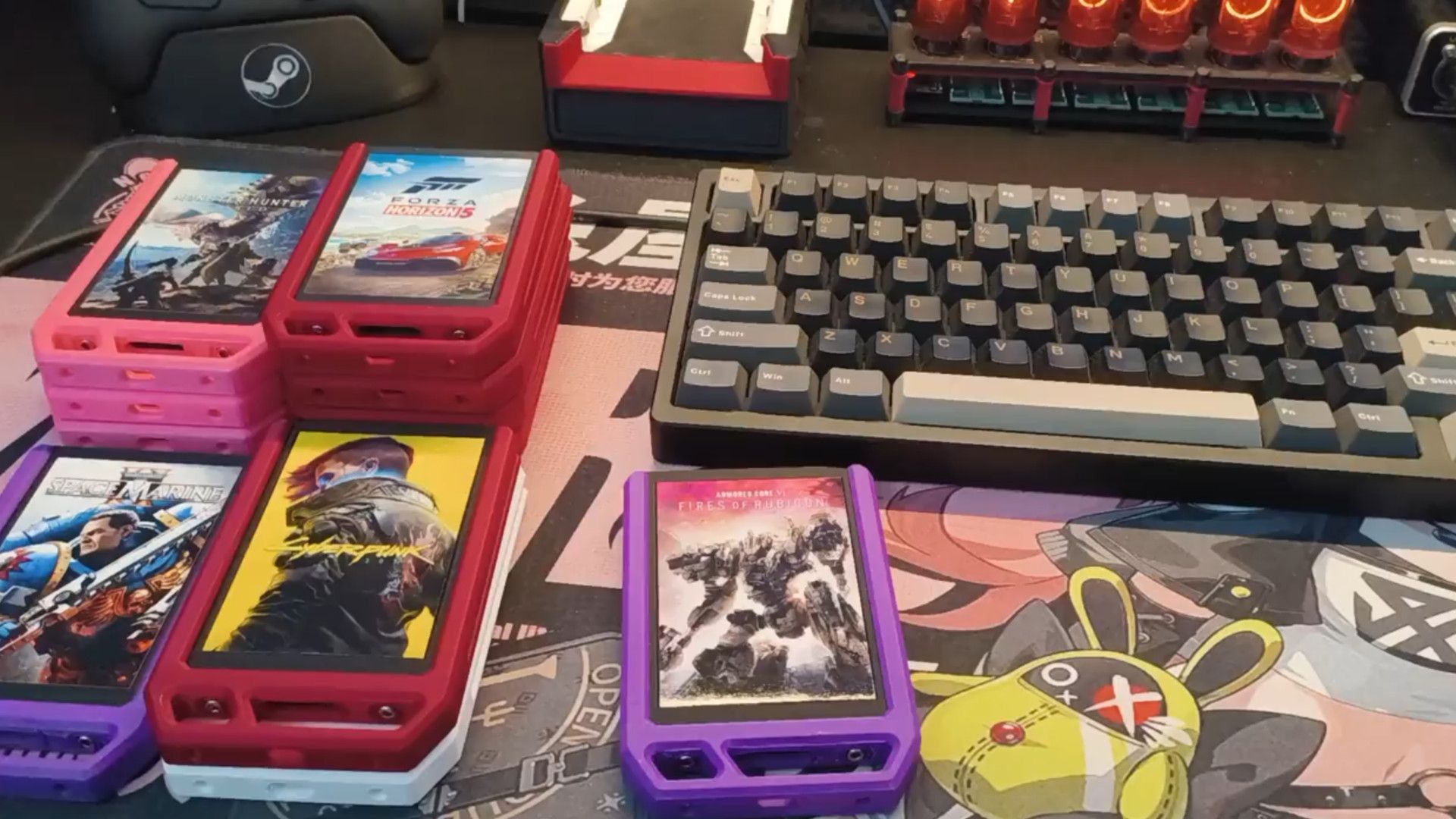
Each "cartridge" consists of a 128GB 2.5-inch SSD housed within a custom-designed casing. These cases feature high-quality game art, giving each drive the identity of a specific title—such as Elden Ring, Cyberpunk 2077, or Hades. The cartridges are inserted into a desktop-mounted dock connected to a PC running a Linux-based operating system.
The Software Logic
The brilliance of the system lies in its automation. Utilizing Linux-specific tools, the system detects the insertion of a specific drive and executes a series of commands:
- Detection: A
udevrule identifies the hardware event. - Triggering: The system activates a
systemddaemon. - Execution: The daemon searches for a localized script on the SSD.
- Launch: The script instructs Steam to either navigate to the game’s library page or launch the executable immediately.
Cost and Accessibility
The creator managed to source the 128GB SSDs for approximately €7 (roughly $7.60 USD) per unit. This low barrier to entry transforms what would typically be an expensive storage solution into a viable hobbyist project, allowing for the creation of a physical library for the price of a few standard retail games.
II. Chronology: From Big Boxes to the Bitstream
To understand why a Steam cartridge system resonates so deeply today, one must look at the timeline of PC gaming distribution.
The Era of Tangibility (1980s – Early 2000s)
For decades, PC gaming was defined by "Big Boxes." These were substantial cardboard packages filled with thick manuals, maps, "feelies" (physical trinkets), and multiple floppy disks or CD-ROMs. The physical presence of a game on a shelf was a symbol of ownership and a tangible connection to the software.
The Rise of Steam and the Digital Pivot (2003 – 2015)
The launch of Valve’s Steam platform in 2003 began the slow erosion of physical PC media. Initially met with resistance, the convenience of digital patches and the elimination of "disc swapping" eventually won over the market. By the mid-2010s, physical PC releases had dwindled to "code-in-a-box" retail packages, where the disc was either absent or contained a mere installer for a digital client.
The All-Digital Consolidation (2020 – Present)
The current console generation (PlayStation 5 and Xbox Series X/S) introduced disc-less SKUs as flagship products. Rumors and industry reports, including recent leaks regarding Sony’s 2028 roadmap, suggest that the manufacturing of physical discs is becoming a niche, high-cost endeavor that publishers are eager to abandon in favor of high-margin digital storefronts.
The Jibril-sama Intervention (2024)
In July 2024, Jibril-sama unveiled the cartridge system on Reddit. The project arrived at a moment of peak anxiety regarding digital rights management (DRM) and the "de-listing" of digital games, serving as a creative protest against the ephemeral nature of modern libraries.
III. Supporting Data: The Technical Architecture
The technical execution of the Steam cartridge system relies on the flexibility of the Linux kernel, a choice that underscores the "open" nature of the project compared to the "walled gardens" of Windows or console OSs.
Linux Integration: udev and systemd
At the heart of the project is the udev rule. In Linux, udev is the device manager that handles the dynamic directory of device nodes. Jibril-sama configured the system to watch for specific UUIDs (Universally Unique Identifiers) associated with the SSDs.
When a cartridge is docked, the system doesn’t just mount the drive; it triggers a systemd template. systemd is a system and service manager for Linux. The template used here is designed to look for a specific shell script (e.g., launch_game.sh) located in the root directory of the SSD. This script contains the Steam URI (Universal Resource Identifier), such as steam://run/1245620, which tells the Steam client exactly which game to initiate.
Storage Efficiency vs. Game Size
While 128GB is generous for indie titles and older AAA games, modern "juggernauts" present a data challenge:
- Small/Mid-tier: Hollow Knight (~9GB), Stardew Valley (<1GB), and Balatro (<1GB) could fit dozens of copies on a single €7 drive.
- Large-scale AAA: Baldur’s Gate 3 (~150GB) or Call of Duty: Warzone (~175GB+) would exceed the capacity of the current 128GB "cartridge" standard, necessitating more expensive 250GB or 500GB SSDs.
The data suggests that while the system is highly effective for a curated "best of" library, the escalating size of modern games remains the primary hurdle for universal adoption of this physical format.
IV. Official Responses and Community Reception
The project was not a solo endeavor in its public presentation. A collaborator known as Princess Midori (@princessmidori on Bluesky) played a vital role in the project’s viral success, handling the photography and aesthetic presentation that caught the eye of major tech outlets like Tom’s Hardware.
The Creator’s Perspective
Jibril-sama has been transparent about the limitations of the project. Responding to critics who pointed out that the games are still tied to Steam’s DRM, the creator noted:
"You still don’t really ‘own’ the games on Steam… you’ll always be beholden to Valve’s online authentication… But it’s at least something fun and useful to me personally."
This admission highlights a crucial distinction: the project is an improvement of the interface and experience of gaming, rather than a total solution for digital sovereignty.
The Community "Viral" Effect
The Reddit thread garnered thousands of upvotes within hours. Users praised the "satisfying click" of the SSD docking mechanism, with many expressing a desire for a commercialized version of the dock. The sentiment across the community was clear: there is a massive, underserved market of gamers who miss the ritual of physical interaction.
V. Implications: Ownership, Preservation, and the Future
The emergence of the Steam cartridge system invites a deeper conversation about the future of the medium.
The Illusion of Ownership
In the digital age, gamers do not "buy" games; they purchase a "revocable license to access" software. This was starkly illustrated by the recent shutdown of The Crew by Ubisoft, where players found the game removed from their libraries entirely. Jibril-sama’s system provides a psychological buffer against this. Even if the license is digital, having the data locally stored on a dedicated, labeled physical object creates a sense of permanence that a list of titles in a UI cannot match.
The Psychology of the "Tactile Loop"
Neuroscience suggests that physical interactions—the weight of a cartridge, the texture of the label, the mechanical action of docking—enhance the "anticipatory phase" of entertainment. By reintroducing this "tactile loop," Jibril-sama has restored a ritualistic element to PC gaming that was lost in the transition to "click-to-play" icons.
Game Preservation and the DRM Hurdle
While this system is ingenious, it remains tethered to the Steam ecosystem. For true long-term preservation, such a system would need to be paired with DRM-free platforms like GOG (Good Old Games). If a user were to put a GOG installer or a DRM-free build on these SSDs, they would truly own a "forever" copy of the game, independent of any corporate server.
A Potential Path for Manufacturers?
Could a company like Valve or Razer ever produce "Official Steam Cartridges"? From a business perspective, the answer is likely no; the costs of manufacturing, shipping, and retail placement far outweigh the 100% digital margins Valve currently enjoys. However, the success of the Steam Deck—a hardware device built to solve a software problem—proves that Valve is willing to experiment. A "Steam Drive" or "Steam Cartridge" could exist as a premium, boutique product for collectors, much like vinyl records have seen a massive resurgence in the music industry.
Conclusion
Jibril-sama’s custom SSD cartridge system is a brilliant marriage of modern hardware and retro philosophy. It exposes a lingering hunger within the gaming community for something more than a digital license—a desire for a library that occupies space, demands touch, and rewards the collector’s eye.
As the industry moves toward an all-digital 2028, these DIY "Steam Cartridges" serve as both a nostalgic tribute to the past and a functional blueprint for a more tactile future. They remind us that while the "bits" of a game may live in the cloud, the "heart" of the hobby often resides in the objects we can hold in our hands. For now, the system remains a beautiful, impractical, and deeply inspiring outlier in the increasingly ephemeral world of PC gaming.

